Sid Meier's Civilization VII Review
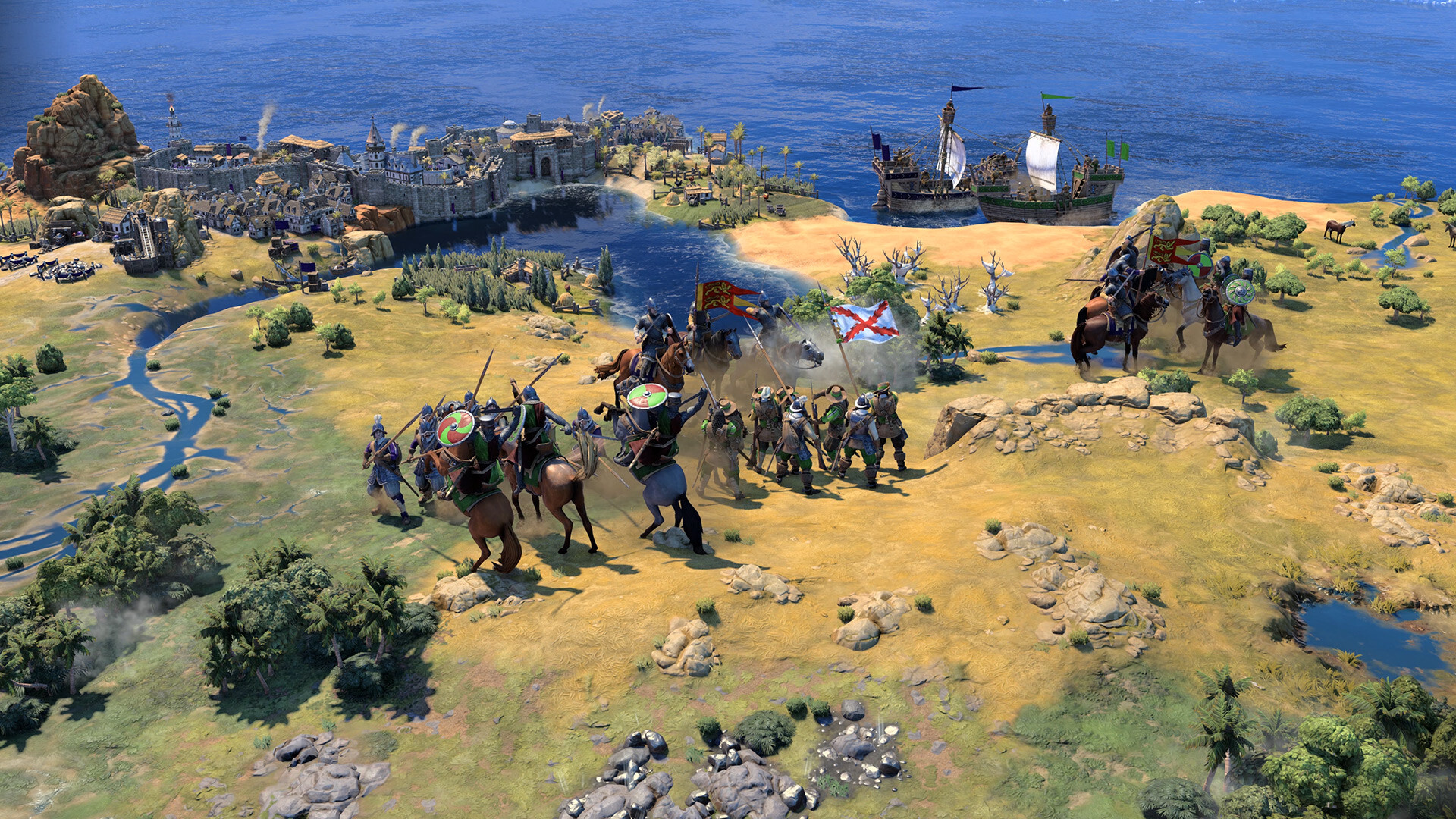
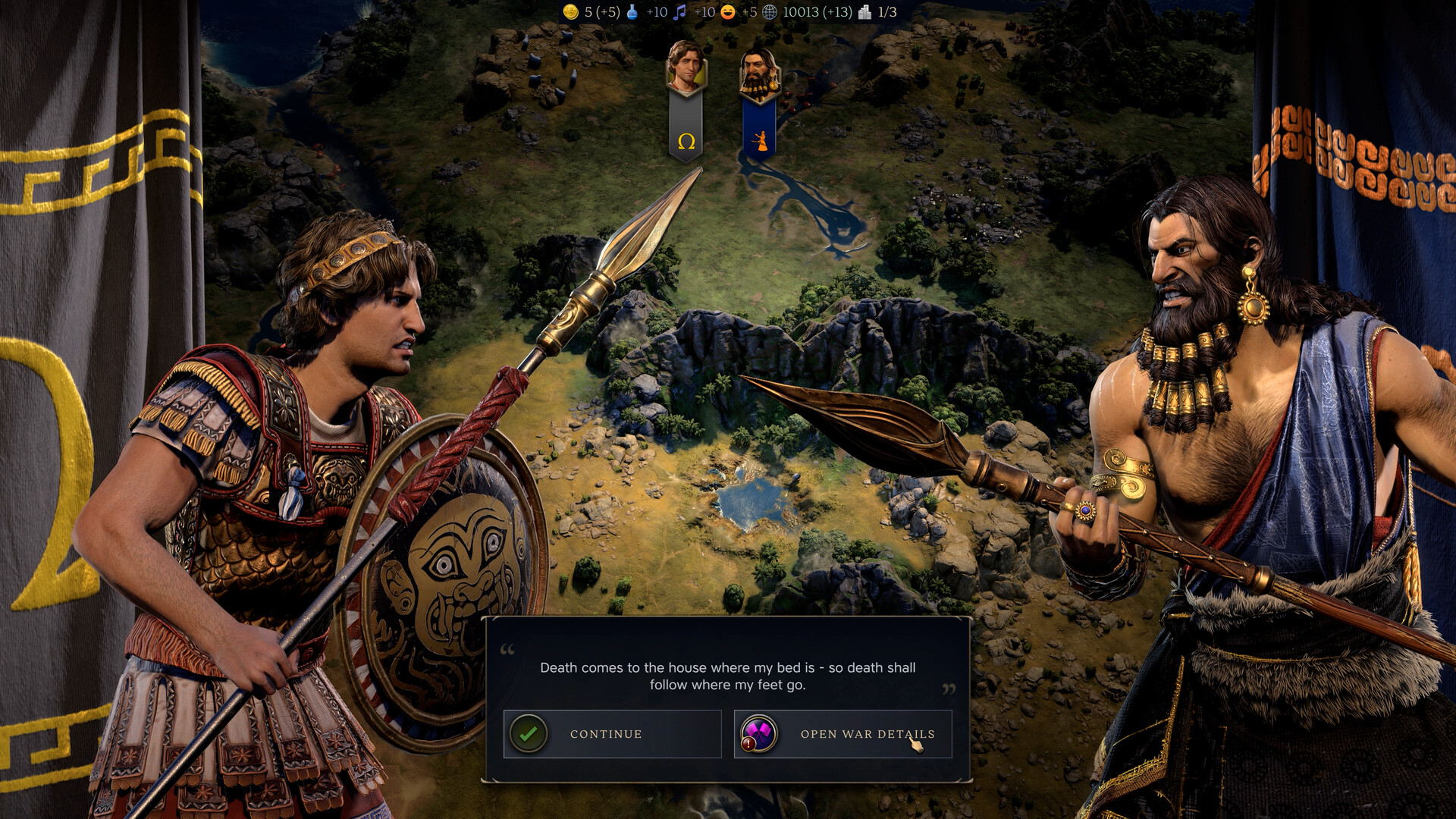
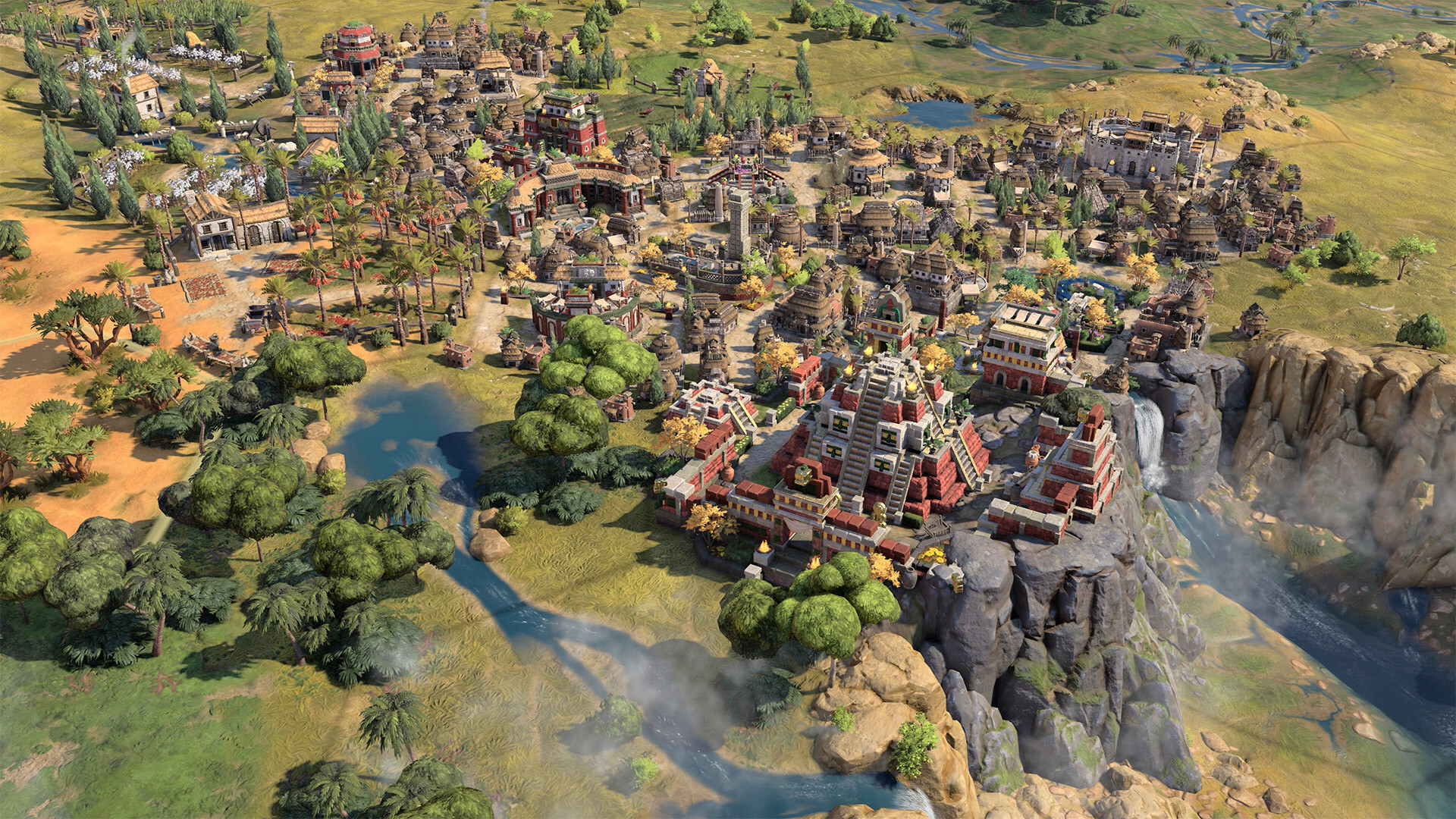
Firaxis's 2025 entry makes the biggest structural change in the series' history: a civilization is no longer one choice for the whole game. You pick a leader who persists, and then a separate civilization for each of three Ages - Antiquity, Exploration and Modern - so Rome can become Spain and then Mexico, with each transition carrying forward some assets and discarding others. That solves the series' long-standing problem of a decided game taking four more hours to finish, and it upsets players who wanted continuity. Cities now grow by placing rural and urban tiles with adjacency rules, towns can be specialised or promoted, and army commanders stack and move units as a group, which finally fixes late-game unit micromanagement. Crises at the end of each Age force the map to reshuffle. It launched to a divided reception, with the interface drawing the heaviest and most deserved criticism, and Firaxis has been iterating on it steadily since. The core loop remains the most compulsive in strategy.
Overall
Metacritic
Trailer
Screenshots


Our Review
Civilization VII Review: Bold Changes That Do Not Always Pay Off
“Civilization VII takes bold swings with its age-based structure and split leaders, delivering an innovative but uneven entry that lays strong foundations for future expansions.”