Half-Life 2
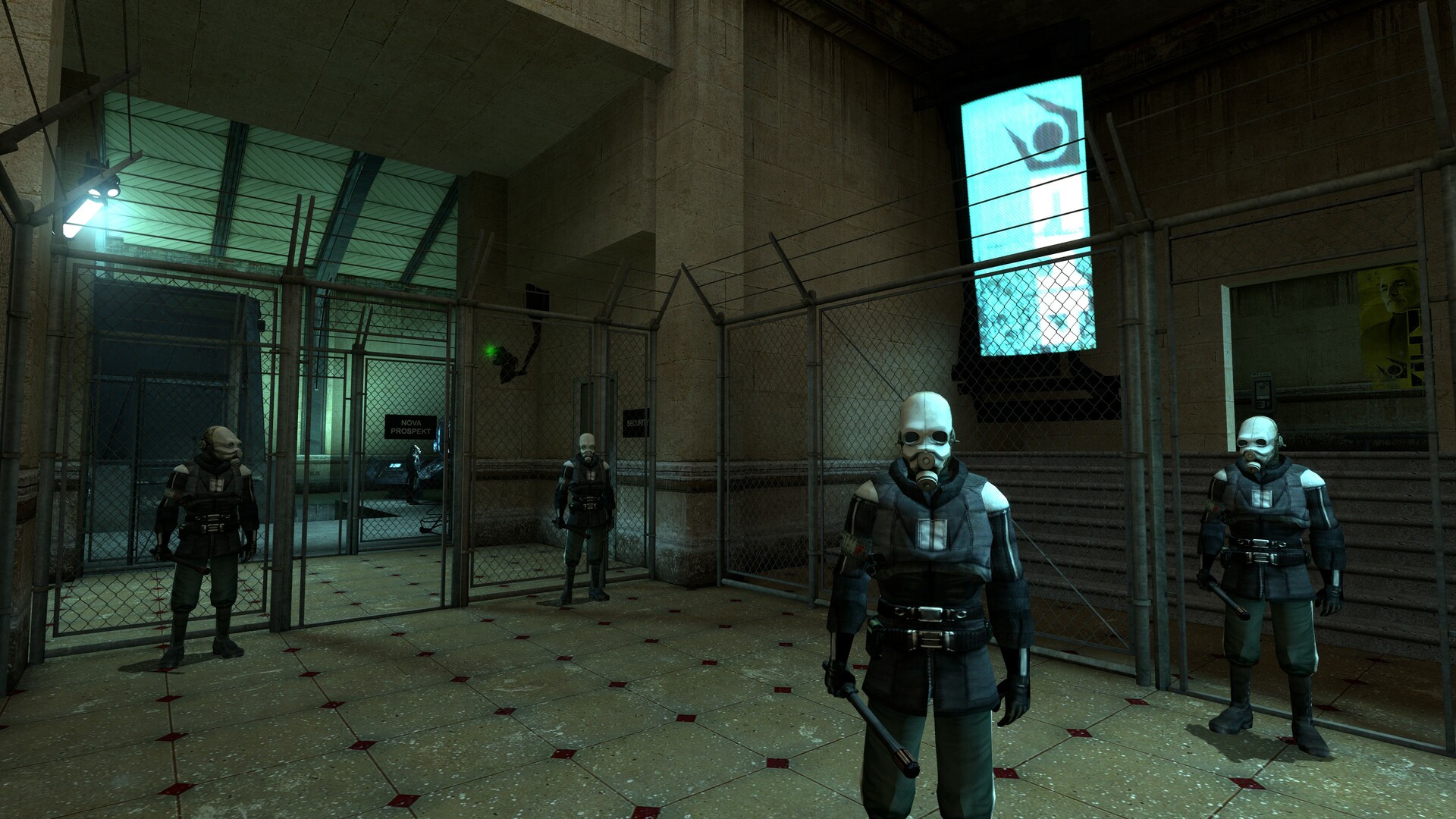
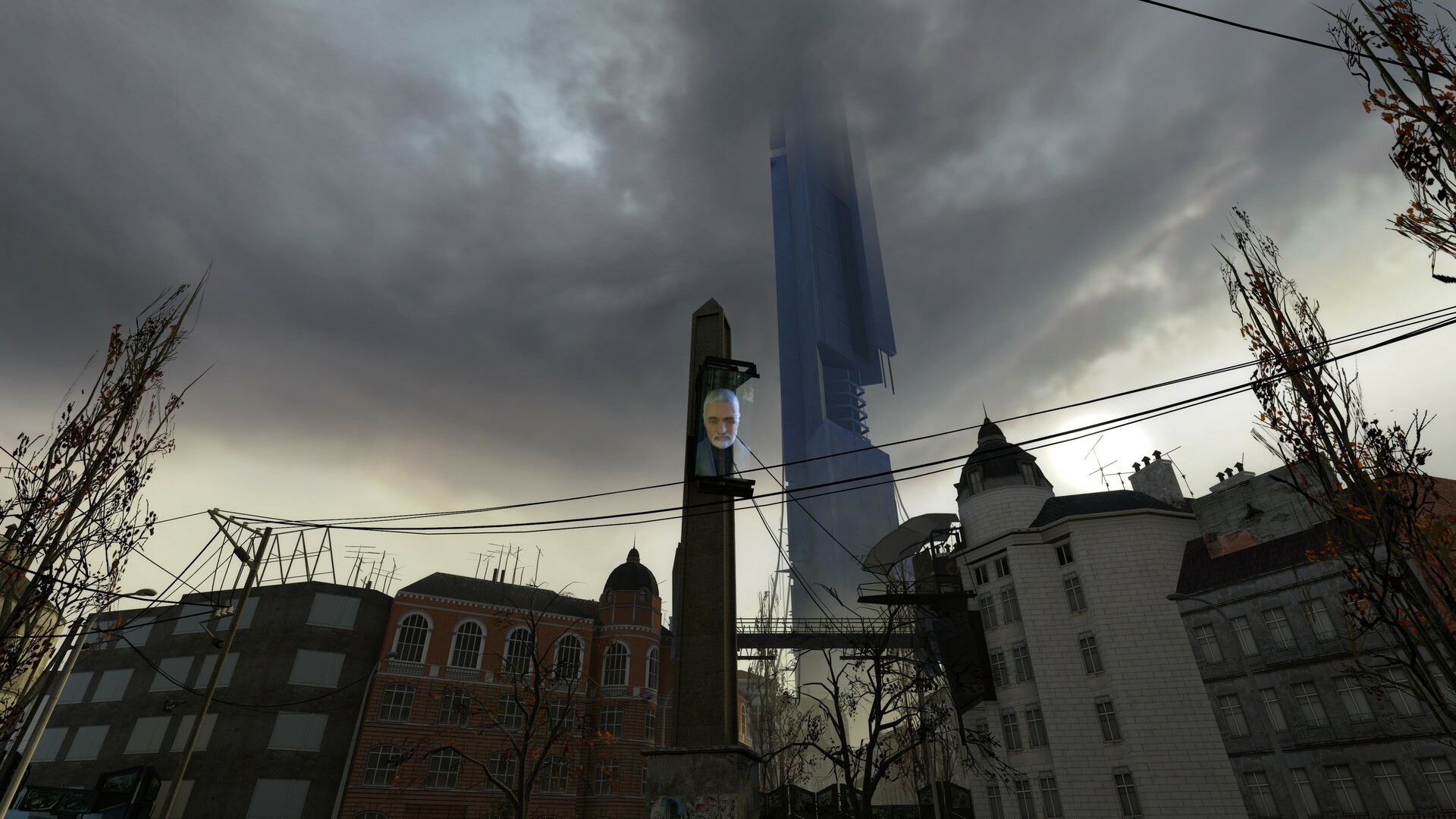
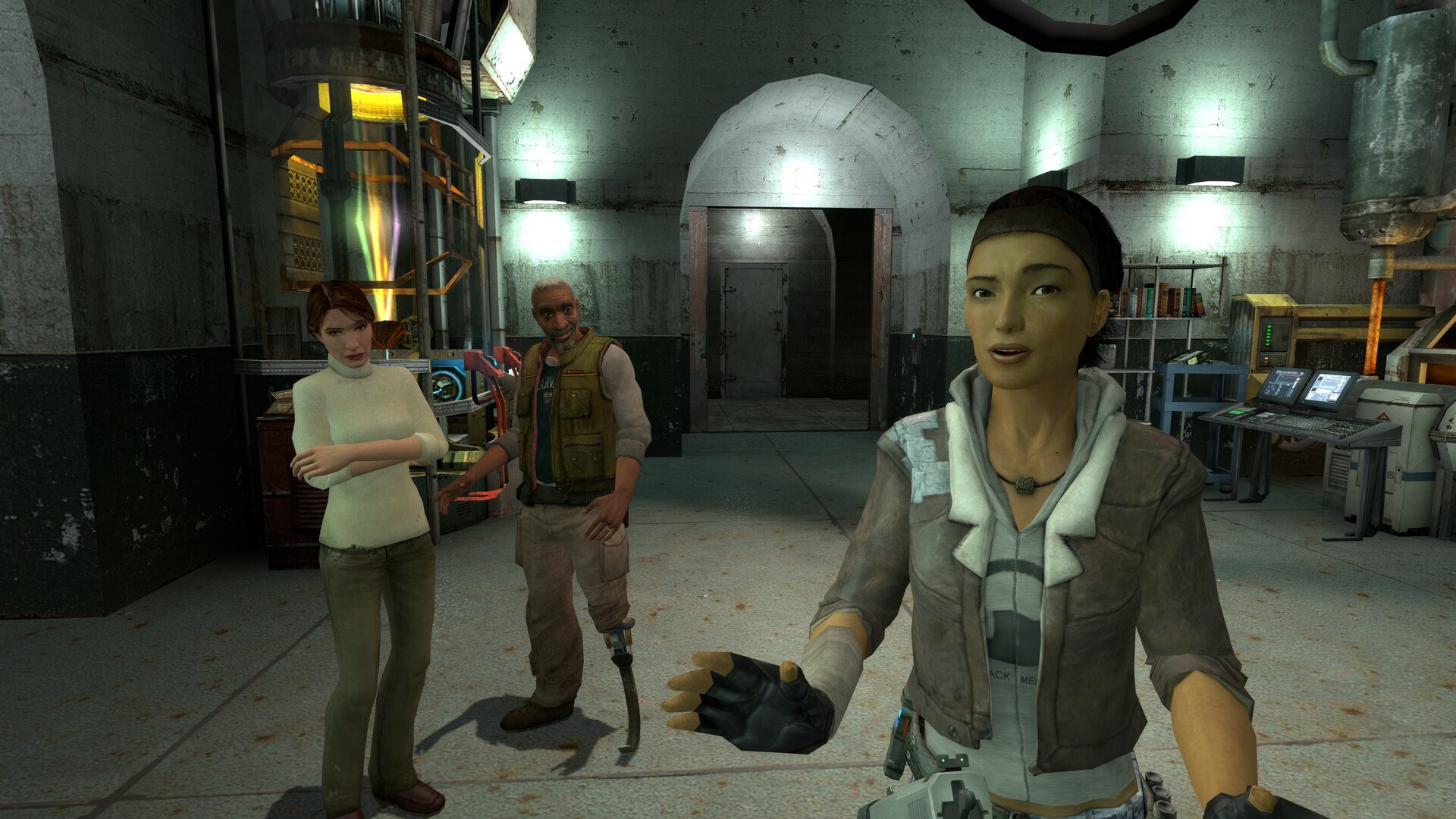
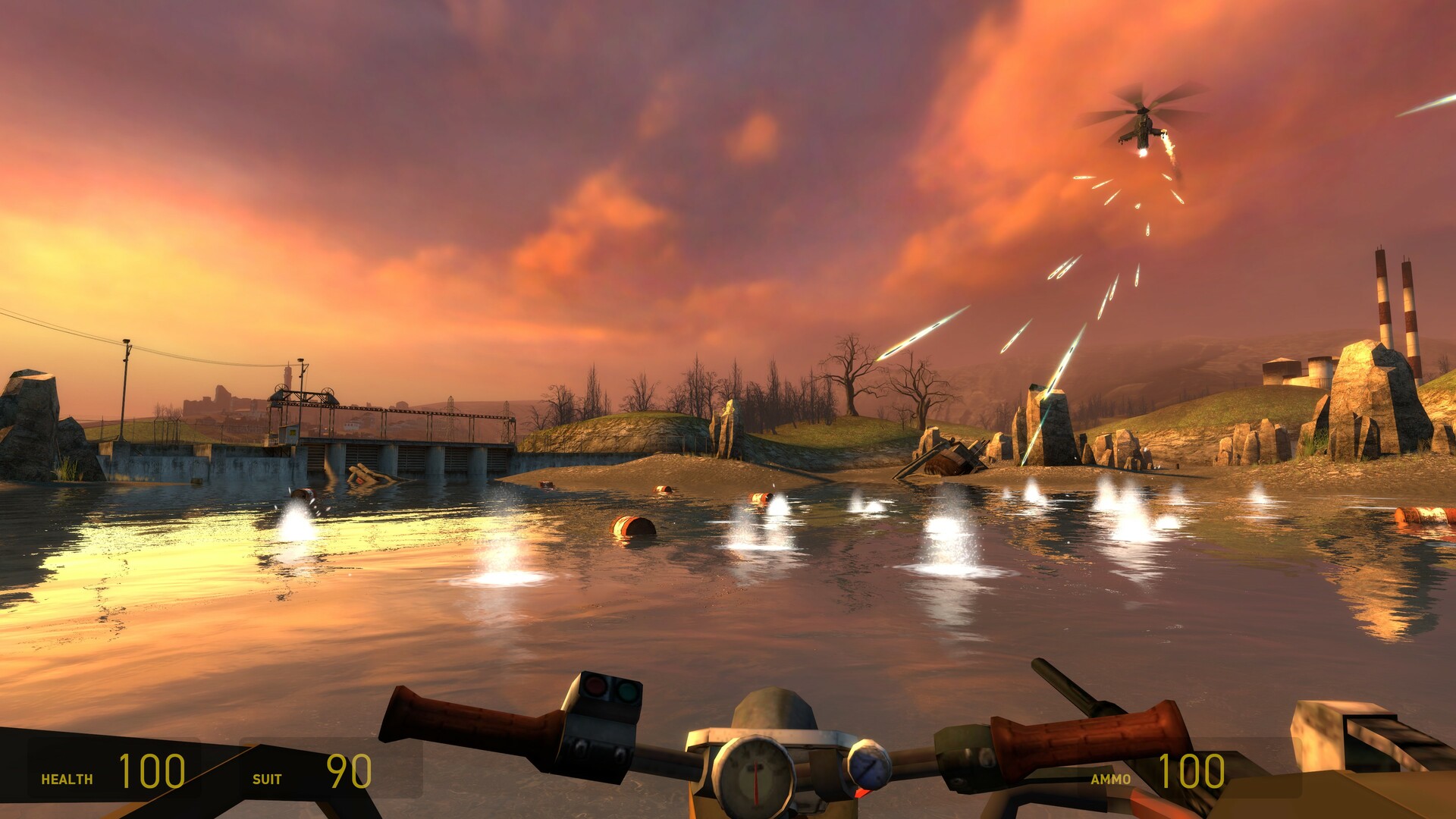
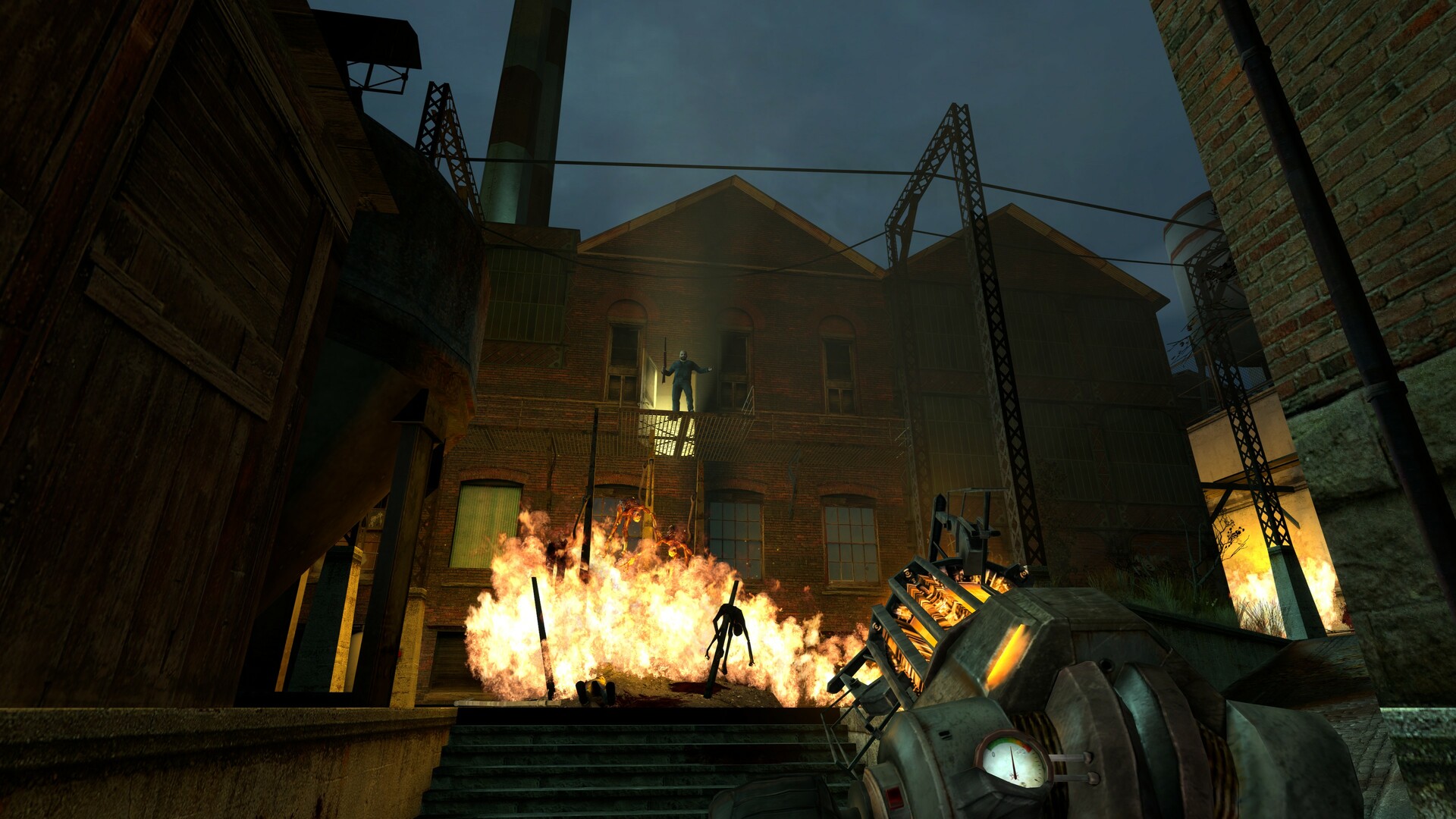
Valve's 2004 sequel opens with a train arriving in City 17 and spends twenty minutes letting you look at an occupied city before it gives you a weapon. That patience is the whole design philosophy: it teaches through environment rather than text, never takes the camera away from you, and trusts a silent protagonist to carry scenes that other games would cut away from. The gravity gun is the piece everyone remembers — a tool that turns the physics simulation into ammunition, sawblades and radiators and paint cans, and which the back half of the game builds entire puzzle and combat spaces around. It was also a landmark technically, shipping the Source engine, facial animation good enough to make conversation scenes work, and Steam itself, which was widely resented at the time and now underpins PC gaming. Its influence is hard to overstate and its structure is still legible in most linear first-person games made since. The episodic follow-ups ended on a cliffhanger that stood unresolved for well over a decade.
Metacritic
Screenshots