Hollow Knight
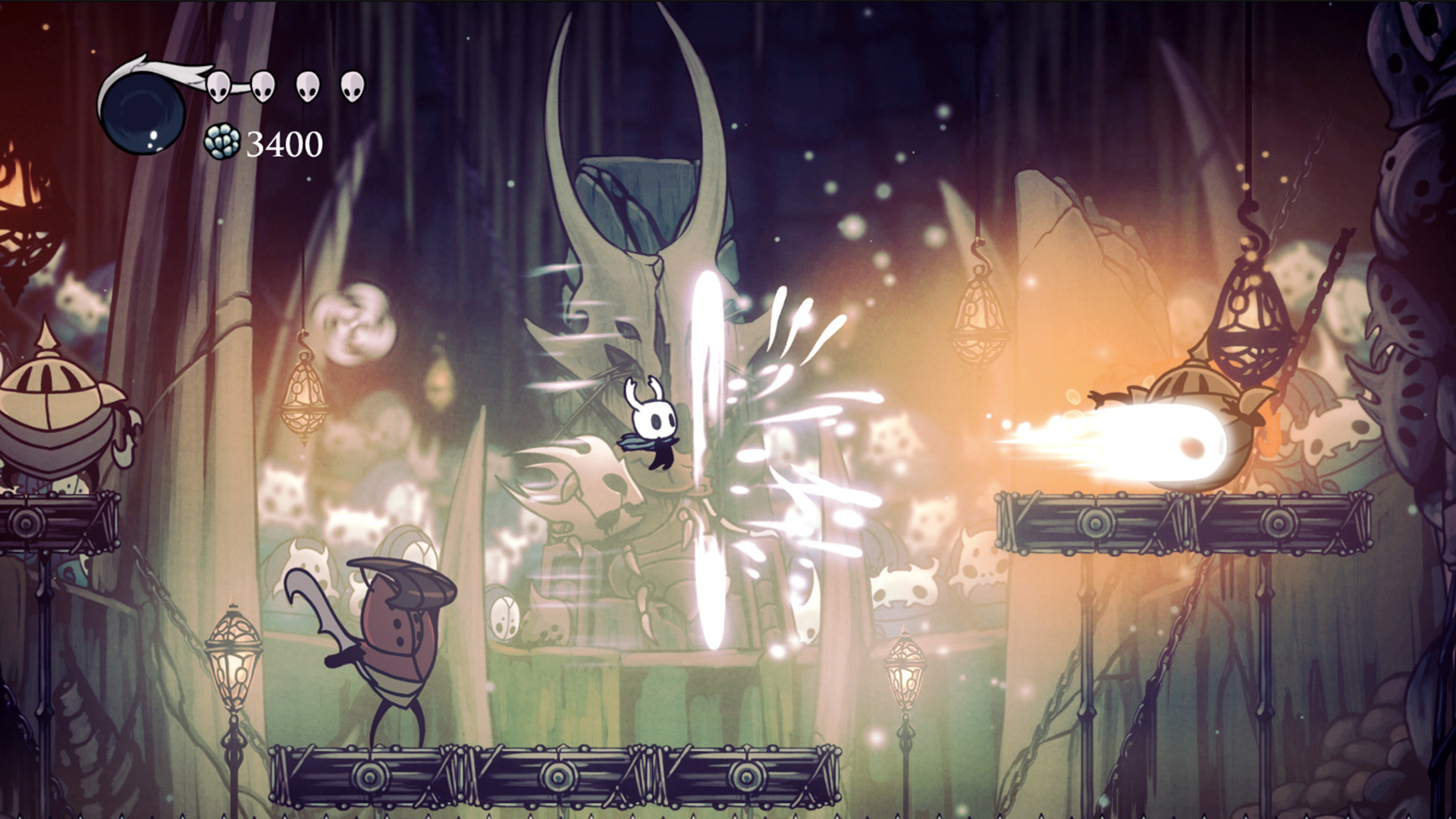
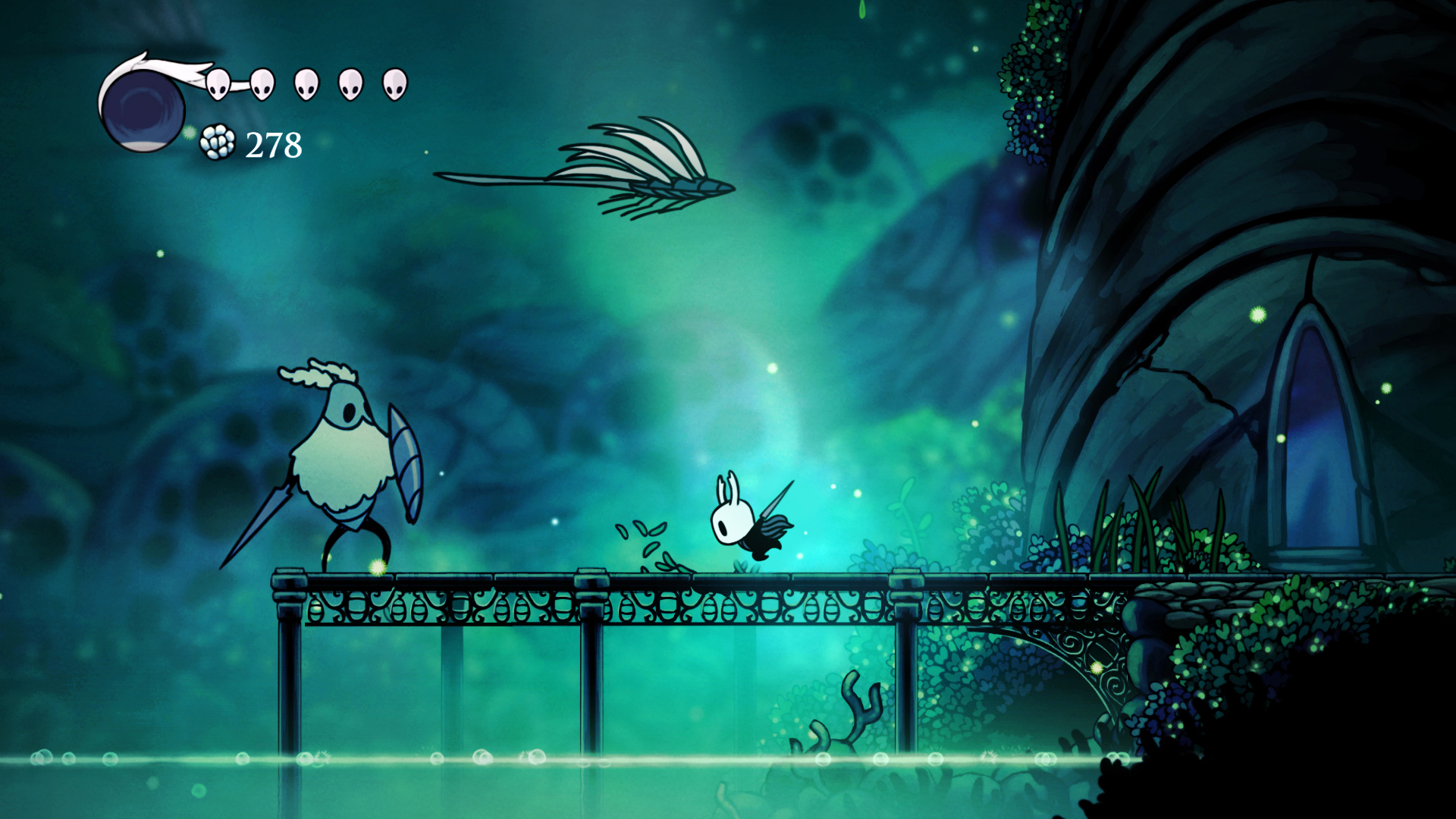
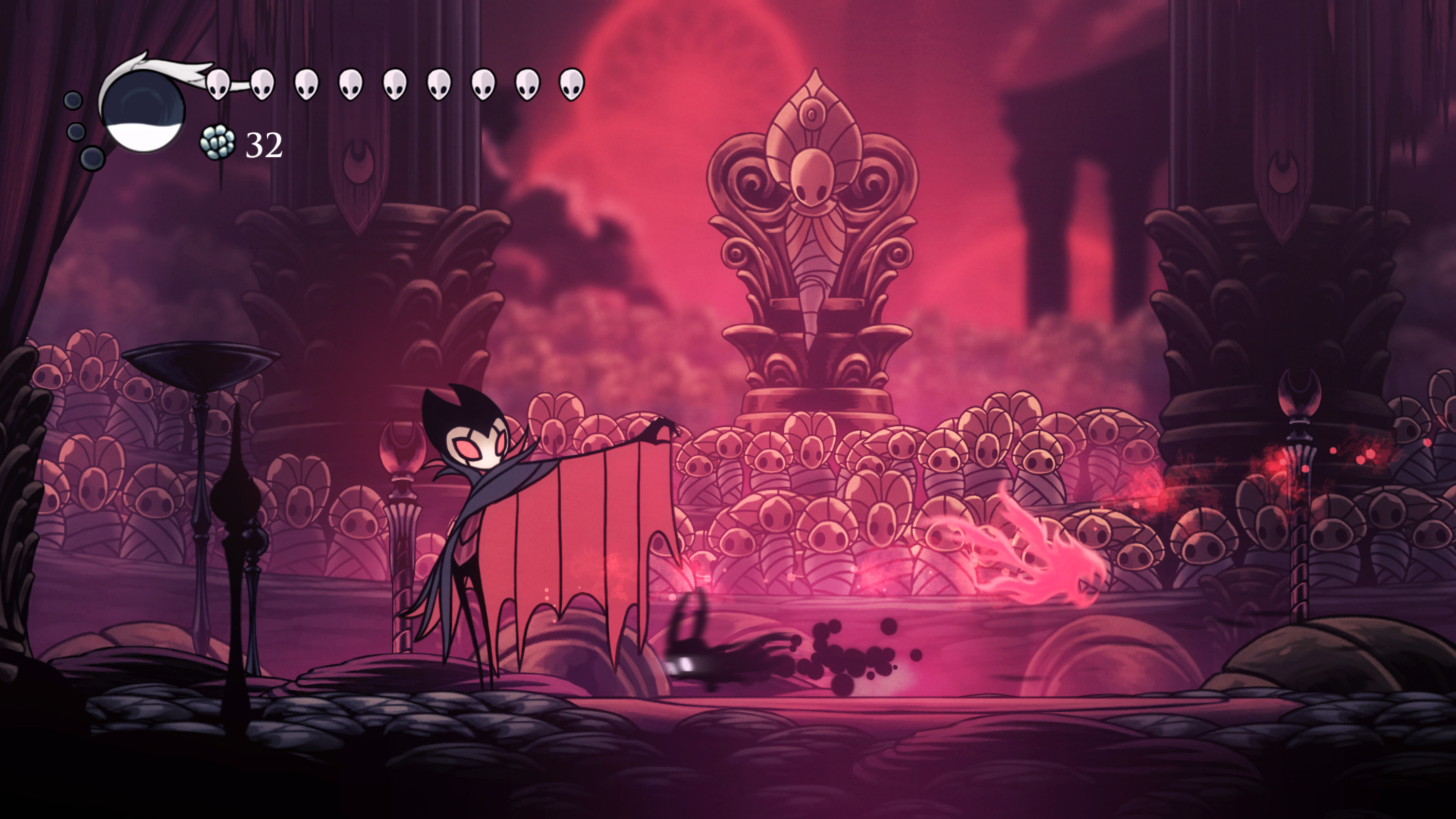
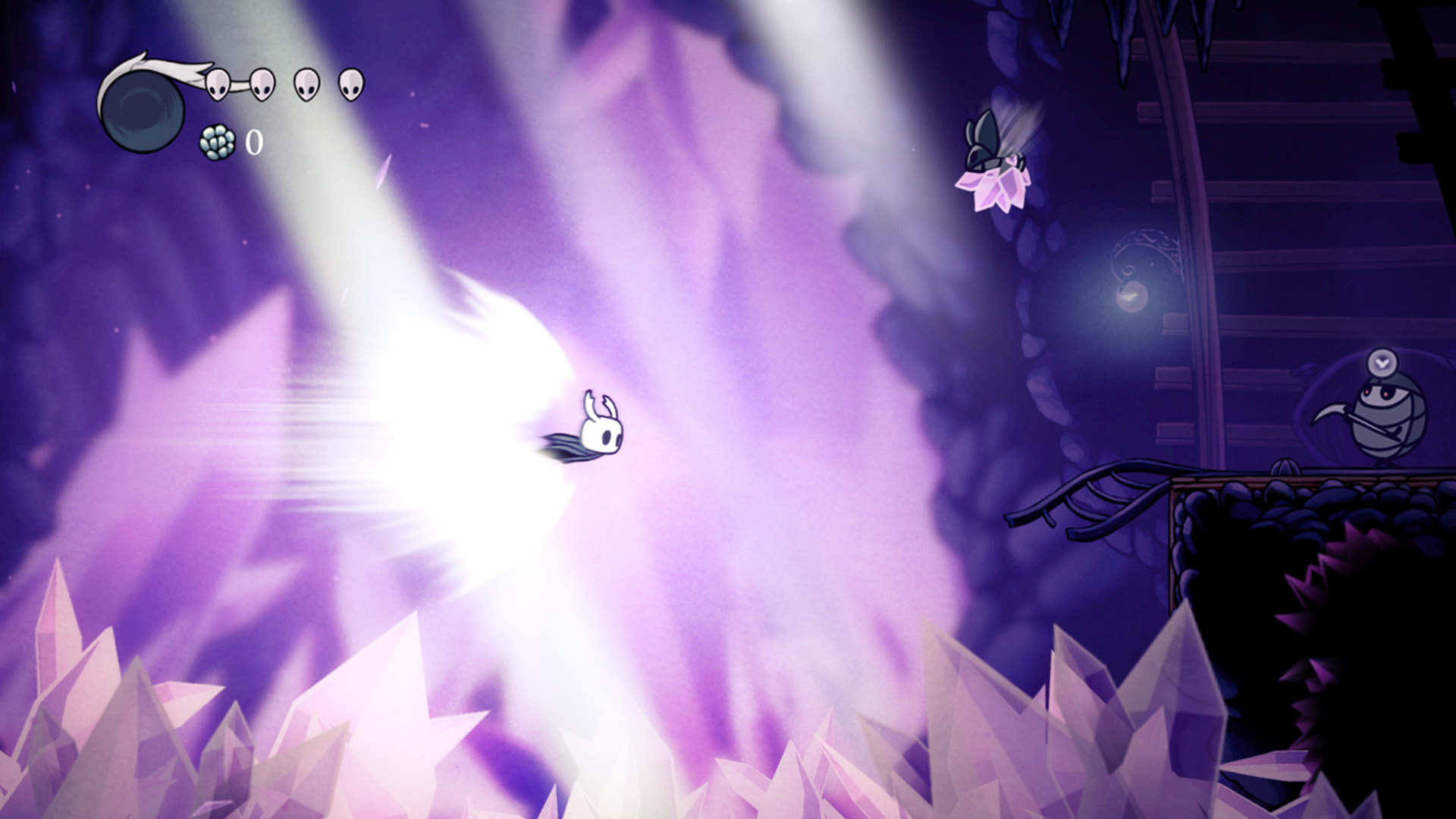
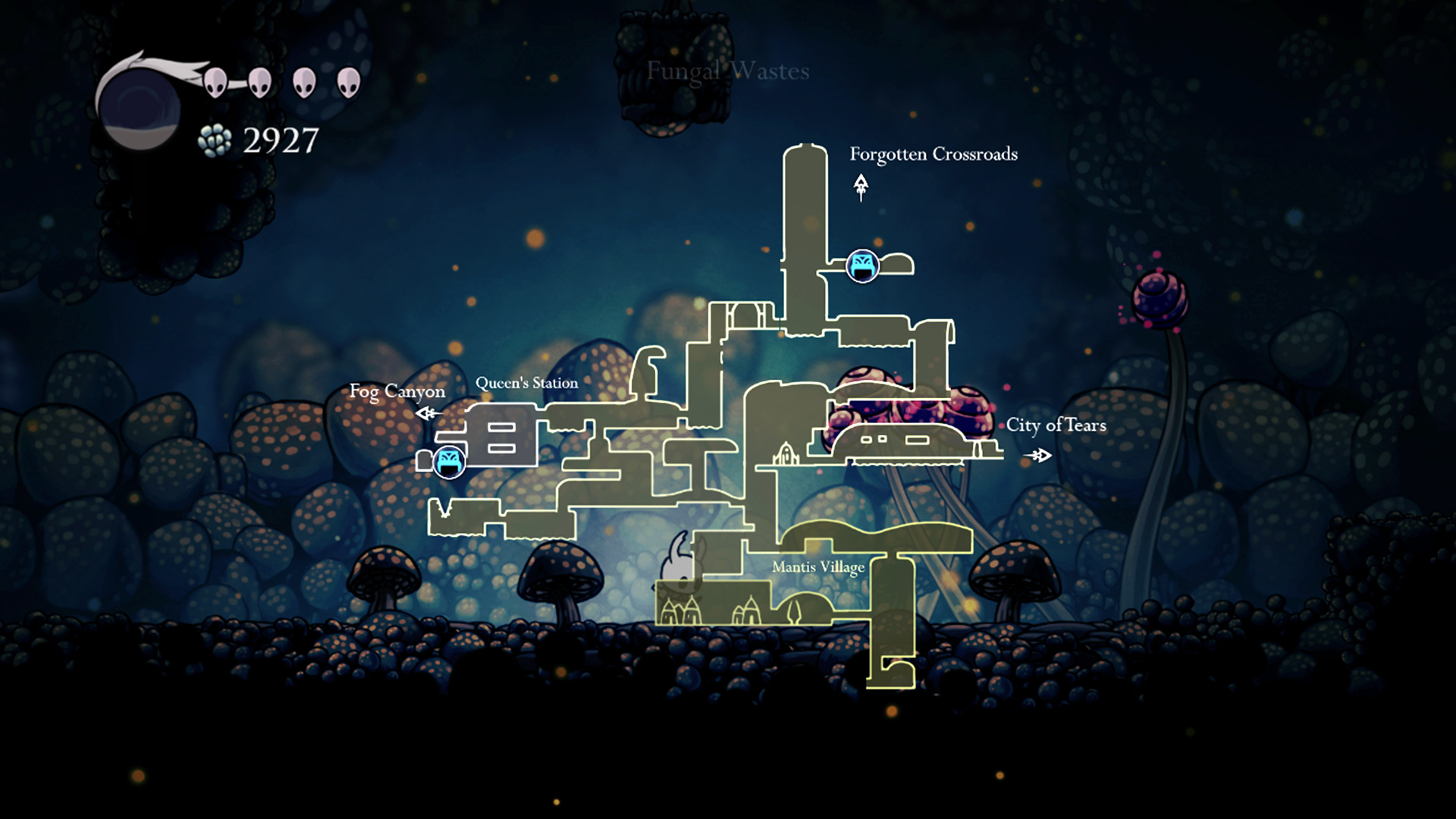
Team Cherry's 2017 debut sends a small silent bug into Hallownest, a fallen kingdom of beetles and knights that has been eaten from the inside by a spreading infection. It is a Metroidvania in the strictest sense: almost every route is closed until you find the movement ability that opens it, and the map only fills in when you buy paper from a wandering cartographer and draw it yourself while resting at a bench. Combat is built around a short-range nail and a soul meter that doubles as both your spellcasting resource and your only way to heal, which turns every fight into a question of when you can afford to stop swinging. Charms let you rebuild the Knight around a limited number of notches, trading reach for damage or survivability for utility. What made it endure is restraint — Hallownest explains almost nothing, trusts you to notice, and hides some of its best areas behind walls it never points at. Its long-delayed sequel Silksong spent years as the most anticipated unreleased game on Steam largely on the strength of this one.
Metacritic
Screenshots