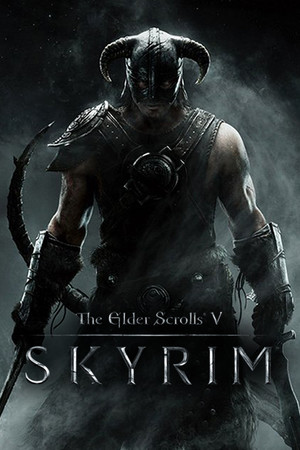
The Elder Scrolls V: Skyrim
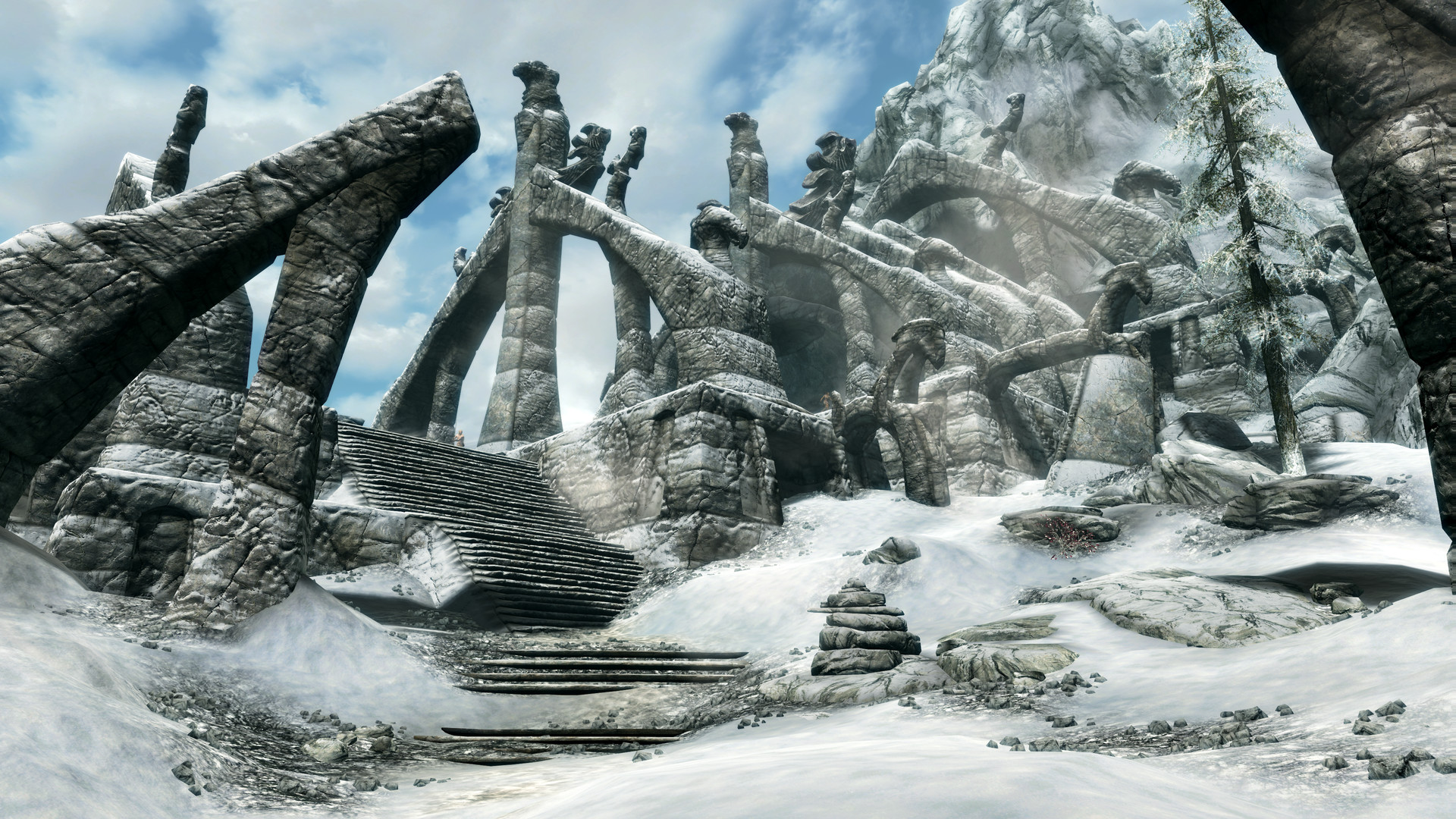
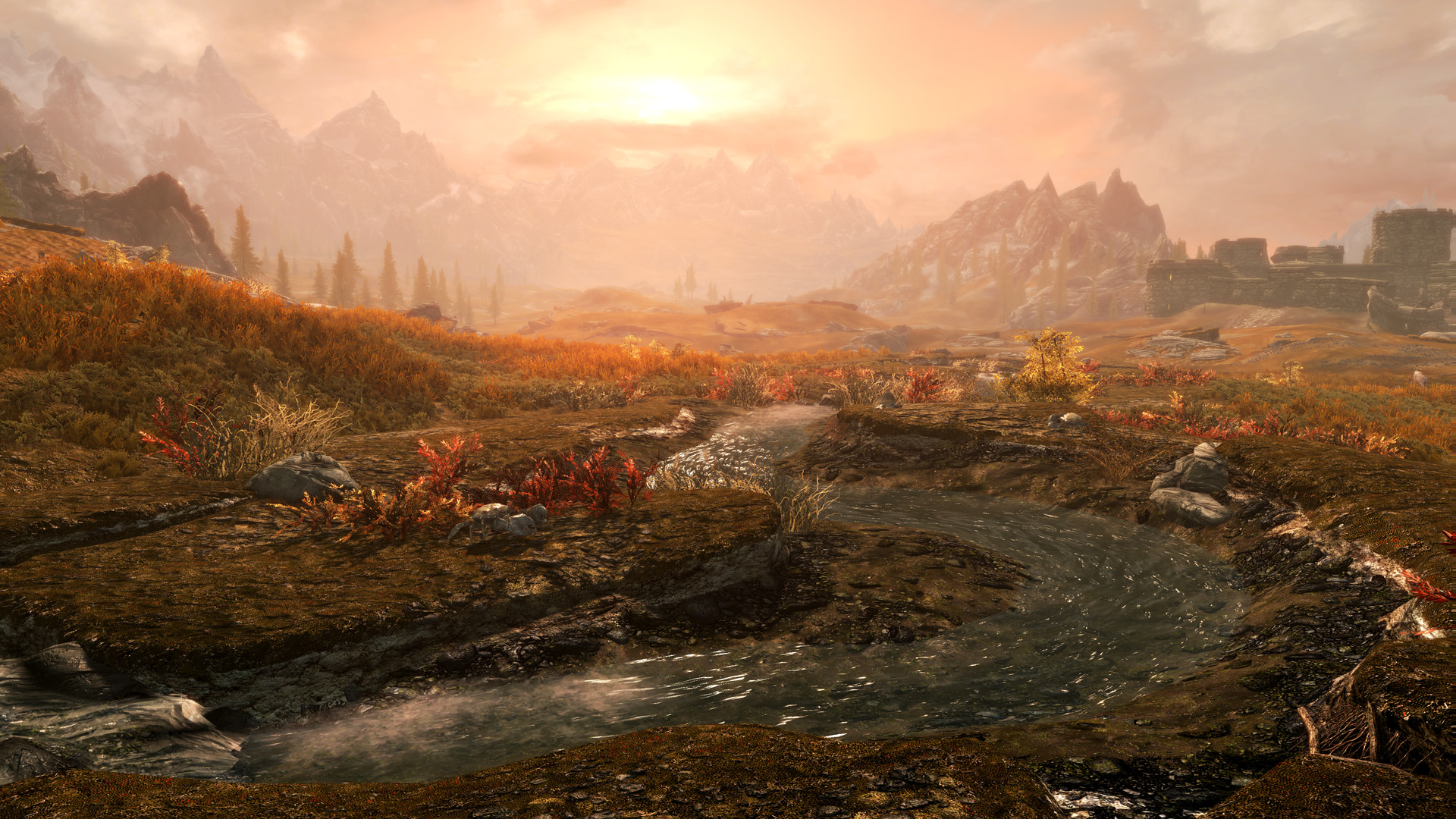
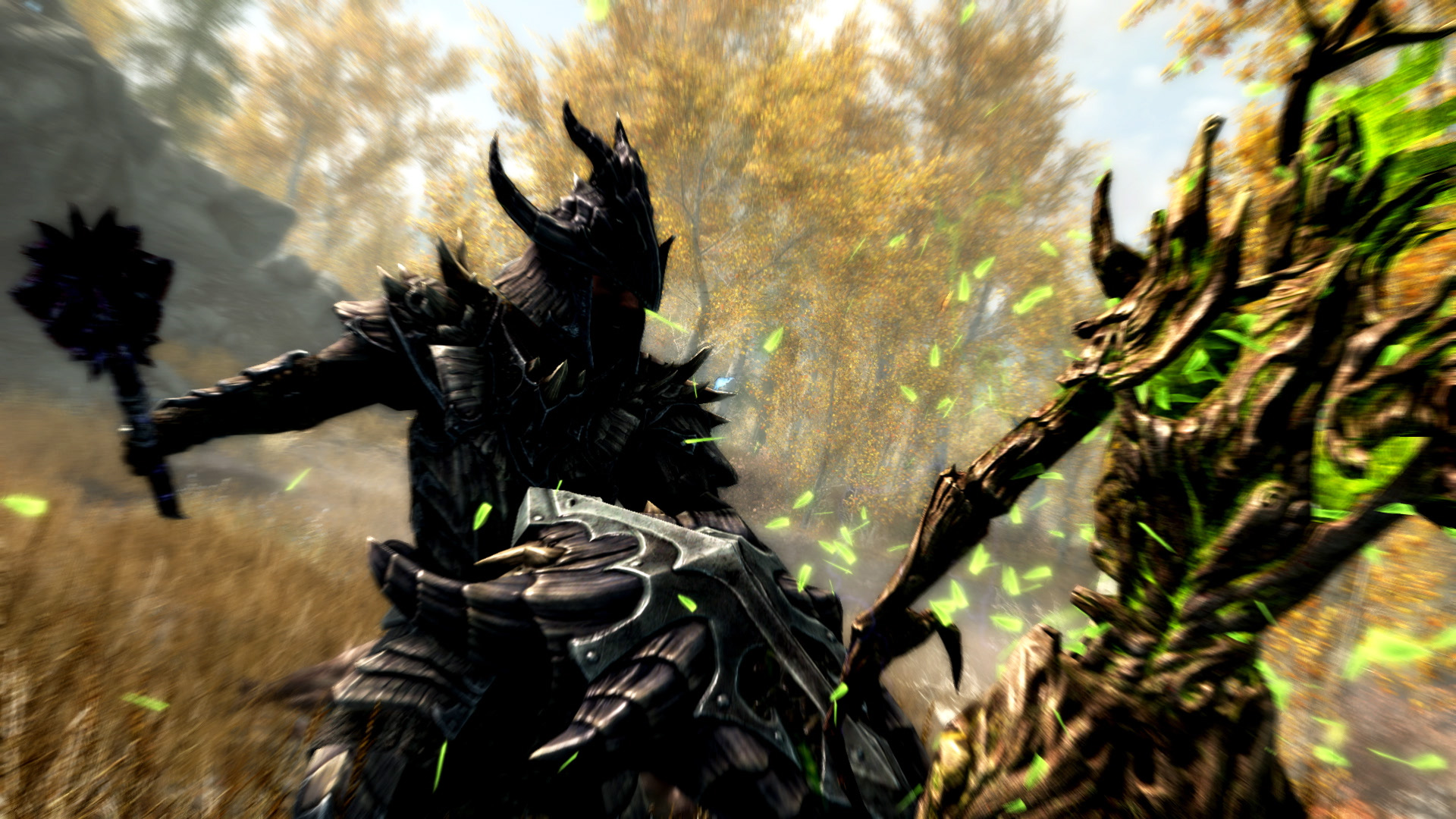
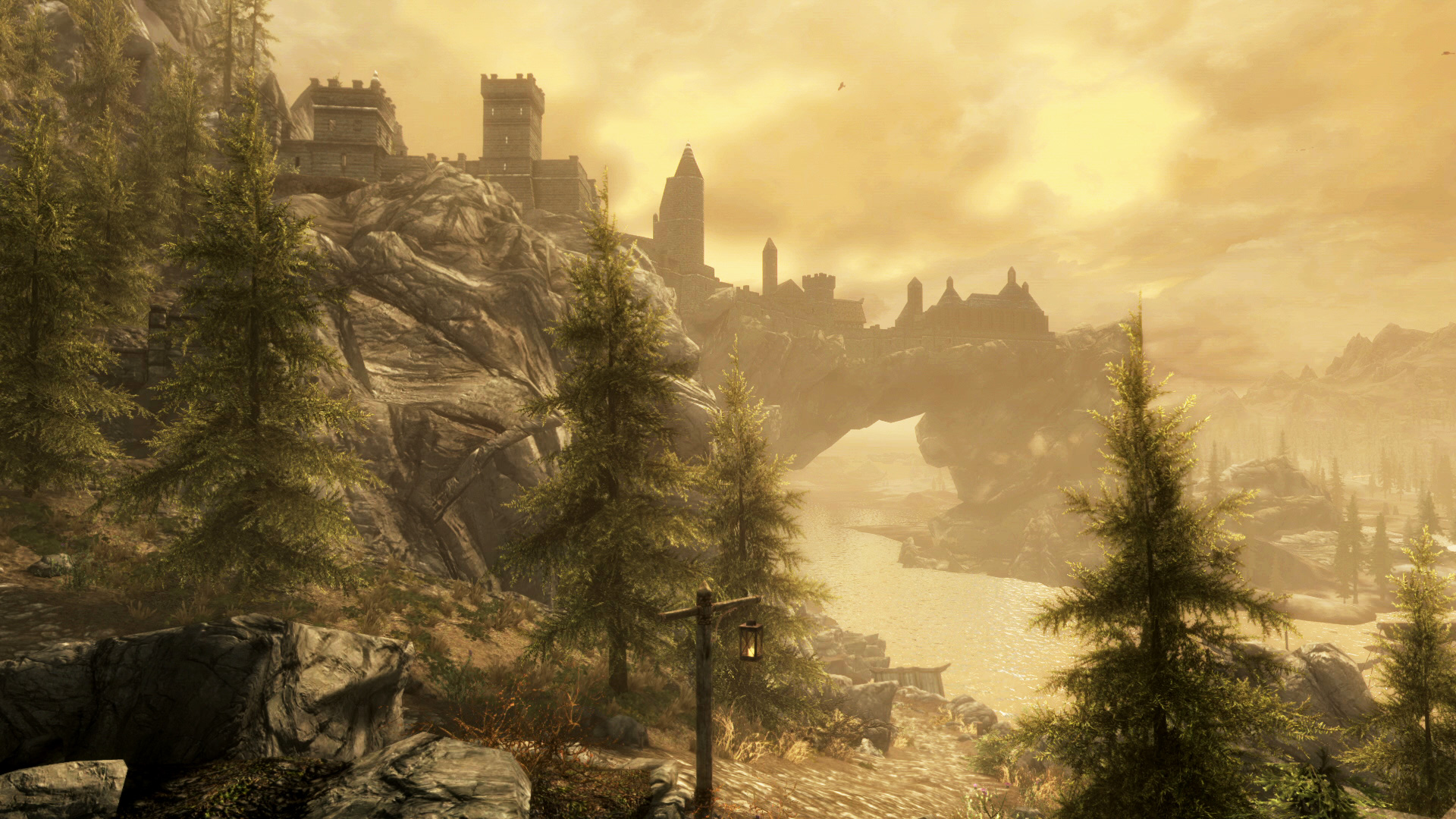
Bethesda's 2011 open-world RPG drops you into a northern province on the edge of civil war, hands you the soul of a dragon, and then largely stops caring what you do about it. Its lasting trick is refusal to gate: no class selection, skills that level by use, and a compass that always has three things on it, so the main quest becomes something you get around to eventually. Dungeons are hand-placed rather than generated, and the province is small enough to cross on foot but dense enough that walking somewhere reliably derails into something else. The systems are shallower than its predecessors — Bethesda spent much of the intervening decade being told so — but the moment-to-moment loop of seeing a mountain and walking to it has aged better than most of its contemporaries. It has also become the most re-released game of its era, a running joke that obscures the real reason it persists: a modding scene that has spent fifteen years rebuilding its textures, combat, interface and quests, and has not stopped.
Metacritic
Screenshots