PS VR2 just got the killer app it has been waiting for. Microsoft Flight Simulator 2024's free PS VR2 update launched today, April 30, at 10am PDT, bringing the entire game — every aircraft, every region, every weather condition — into virtual reality on PlayStation 5. The update arrives bundled with Sim Update 5, the largest content patch the title has received since its PS5 launch in December.
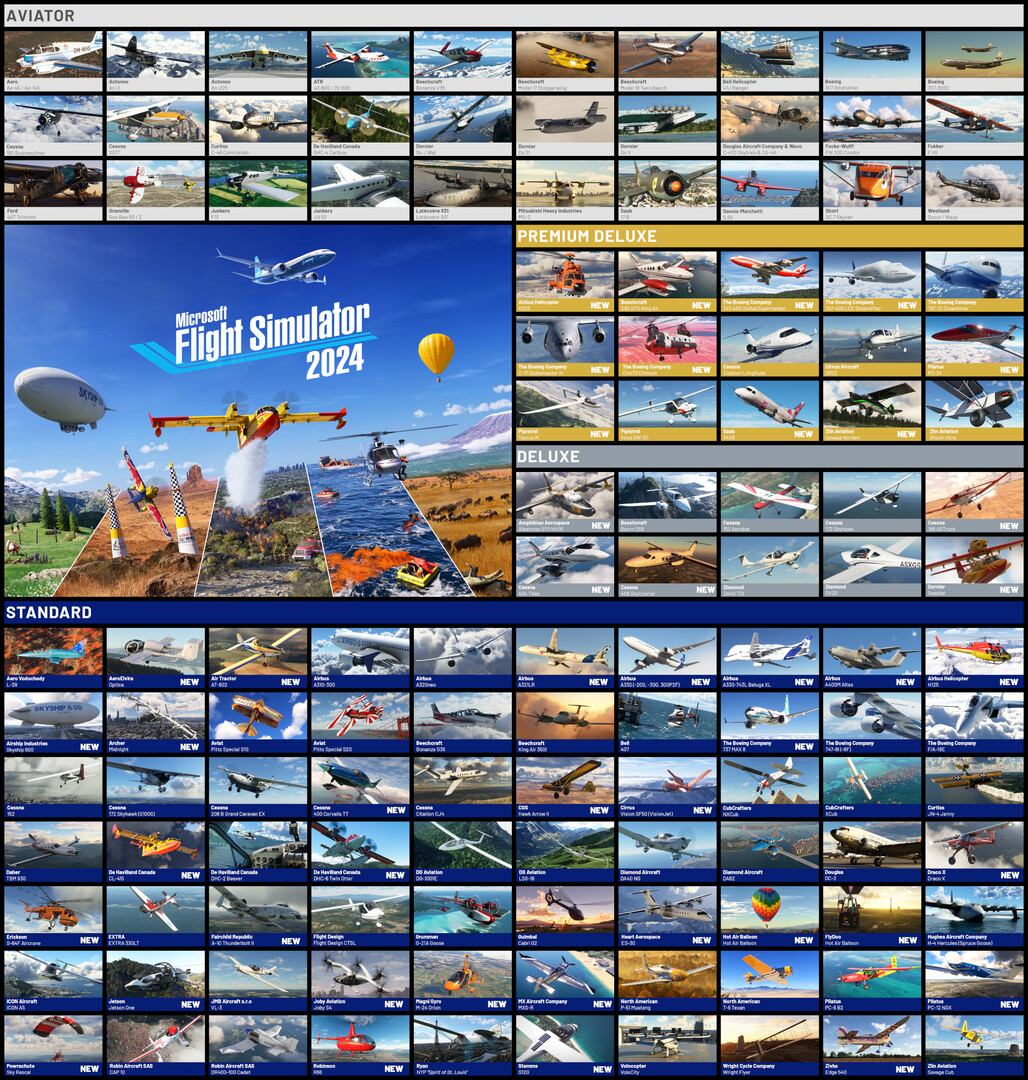
The headline number is 125. That's how many aircraft Microsoft and Asobo have brought across to PS VR2 with this update, covering the full spectrum of what MSFS 2024 offers: commercial airliners, general aviation, business jets, helicopters, gliders, ultralights, and the various specialty platforms scattered across the game's career mode. There is no subset, no opt-in selection, no gradual rollout. If you can fly it on a flat screen, you can now fly it in VR.
The Engineering Behind a Genuinely Hard Problem
Putting MSFS 2024 on PS VR2 is not a casual undertaking, and Asobo has been candid about how much work the conversion required. The simulator is one of the most computationally demanding pieces of consumer software currently shipping — its global terrain streaming, weather simulation, and per-aircraft physics models stress hardware that flight sim enthusiasts spend thousands of dollars building. Running that workload at the framerate and latency budget that VR demands on a closed-box PlayStation 5 was, by Asobo's own admission, the studio's biggest technical challenge in years.
Two specific innovations made it possible. The first is a frame duplication technique developed specifically for the PS VR2 update. In simple terms, the rendering thread iterates twice for each frame of the main simulation thread, updating the camera position between iterations. The result is a higher effective framerate for the VR view than the underlying simulation could achieve on its own — critical for VR comfort, where dropped frames cause real physical discomfort.
The second is a complete redesign of every interaction model in the game to fit the PS VR2 Sense controllers. Flight simulators rely on dozens of in-cockpit interactions — flipping switches, adjusting throttles, pulling levers, rotating knobs — and every single one of those interactions had to be rebuilt from scratch to feel natural with motion controllers. The team has talked about the work as a complete second pass on cockpit interactivity, with the same level of attention paid to each plane that originally went into its initial flatscreen design. Anyone who has used a flight stick or HOTAS setup will recognize the difference between intuitive VR controls and frustrating ones, and Asobo's commitment to redoing the work properly is one of the reasons this update has been worth the wait.
What's Actually New in Sim Update 5
The PS VR2 launch lands as part of Sim Update 5, the largest content patch MSFS 2024 has received on PS5. Beyond the VR work itself, the update brings a meaningful slate of improvements that all PS5 players benefit from, even those without a headset.
Performance optimizations are the obvious win. Sim Update 5 includes what Asobo describes as substantial render thread improvements, particularly for dense environments — large airports, low-altitude flight over major cities, and severe weather conditions all see meaningful framerate uplift compared to the launch build. Players who have been waiting on the title to feel as smooth on PS5 as it does on a high-end PC will find this update closes a noticeable amount of the gap.
Aircraft fidelity has also been improved across the existing fleet, with several specific cockpit instruments getting accuracy passes and a handful of liveries refreshed. The career progression system, which launched alongside the PS5 version in December, has received pacing tweaks based on player feedback — early-career grind times are reduced, and a few of the more punishing weather requirements for early progression have been relaxed.

For PS VR2 owners specifically, the hardware specs you should know about: the update supports the headset's full 4K HDR display output with eye-tracked foveated rendering, which dynamically allocates rendering detail to wherever the player is actually looking. That foveated rendering is what makes a workload like MSFS 2024 viable in VR on console hardware — you simply cannot render the entire visible scene at the detail flight simmers expect, but with eye tracking you don't have to. The areas your peripheral vision is processing get a lower-fidelity render, while the area your eyes are actually focused on gets the full treatment. PS VR2 is one of the only consumer headsets with built-in eye tracking, and updates like this one are exactly why that hardware feature matters.
What This Means for PS VR2
Sony's PS VR2 has had a difficult eighteen months. The headset launched in February 2023 with strong hardware but a sparse software lineup, and Sony's initial first-party support was widely seen as insufficient to drive mainstream adoption. Sales have been modest, the secondhand market has been soft, and the headset has struggled to escape the kind of niche-but-passionate user base that has historically defined console VR.
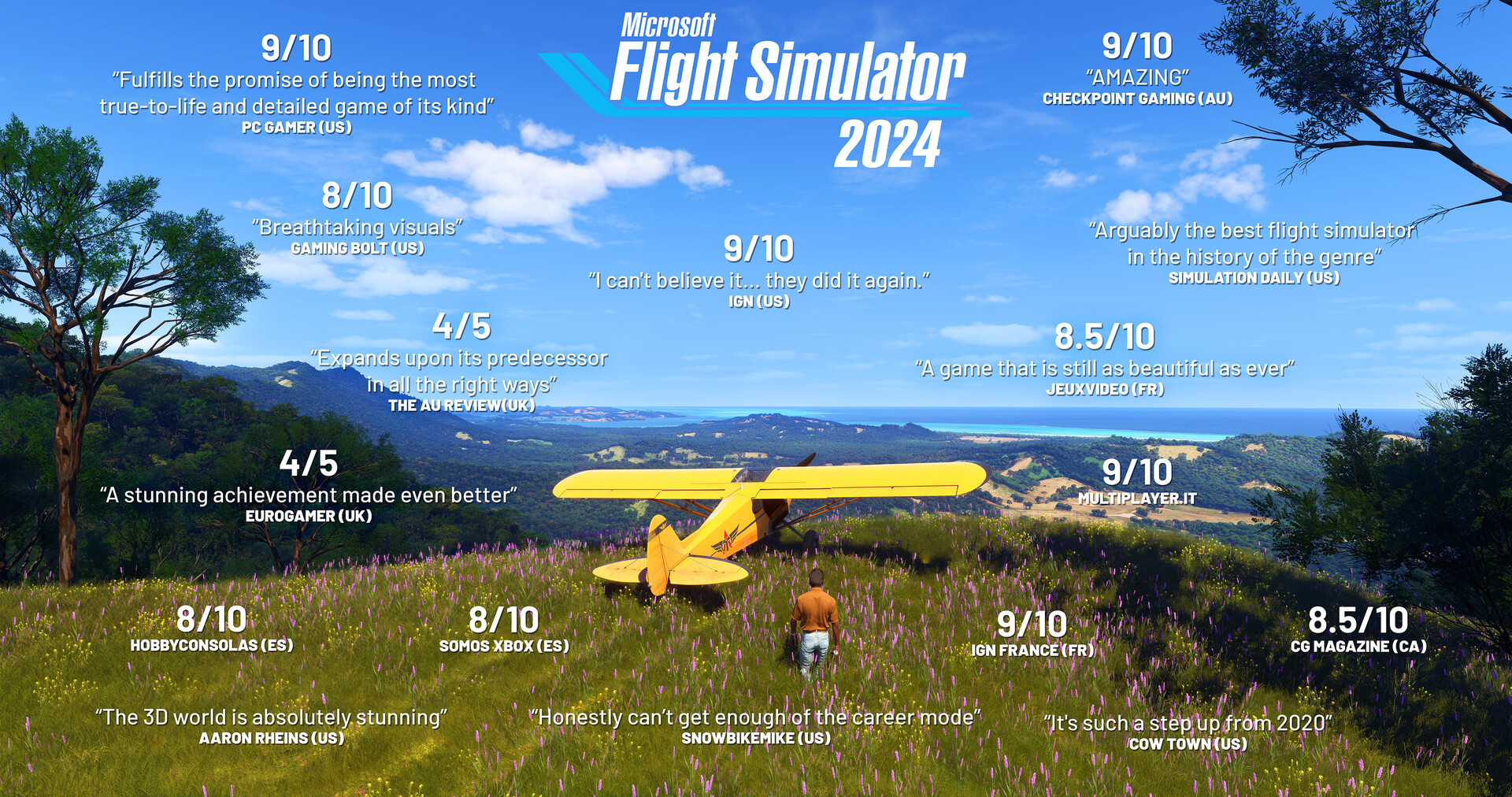
Microsoft Flight Simulator 2024's PS VR2 update is, by any reasonable measure, the single most significant software win the platform has ever had. Microsoft is one of Sony's biggest competitors at the platform level, and the fact that they brought one of their flagship simulator titles to PS VR2 — and put serious engineering work behind making it run well — is a meaningful statement about the headset's future. The phrase killer app gets thrown around easily, but for the audience that buys flight simulators, this is exactly that.
For prospective buyers wondering whether the PS VR2 is worth picking up, MSFS 2024 changes the math considerably. A PS VR2 plus a copy of MSFS 2024 is now the cheapest way to get a comparable VR flight simulation experience compared to a high-end PC headset and a powerful PC, by a significant margin. PSVR2 retailing at $549.99, plus a $69.99 copy of the simulator, gets you something that would otherwise require a $999 Quest 3 plus a $2,500+ gaming PC to match. That is a genuinely compelling proposition for anyone who has been on the fence about VR flight sim.
How to Get It
The update is free for all PS5 owners of Microsoft Flight Simulator 2024. There is no separate purchase, no upgrade tier, no premium edition required — if you own MSFS 2024 on PS5 and you have a PS VR2, the update will appear in your library when you next launch the game. Total download size is roughly 18GB, and the patch will install as part of the standard PS5 system update flow.
For players without a PS VR2 headset, the same update still delivers Sim Update 5's flat-screen improvements at no charge. There is no version of this rollout that requires you to spend additional money — Asobo and Microsoft have committed to the entire update as a free patch.
The full Sim Update 5 patch notes are live on the official Microsoft Flight Simulator development blog, with a complete breakdown of every aircraft tweak, environmental improvement, and platform-specific change. The team has also confirmed that Sim Update 6 is already in development and expected to land sometime in the third quarter of 2026, with continued PS VR2 refinements as part of its roadmap.