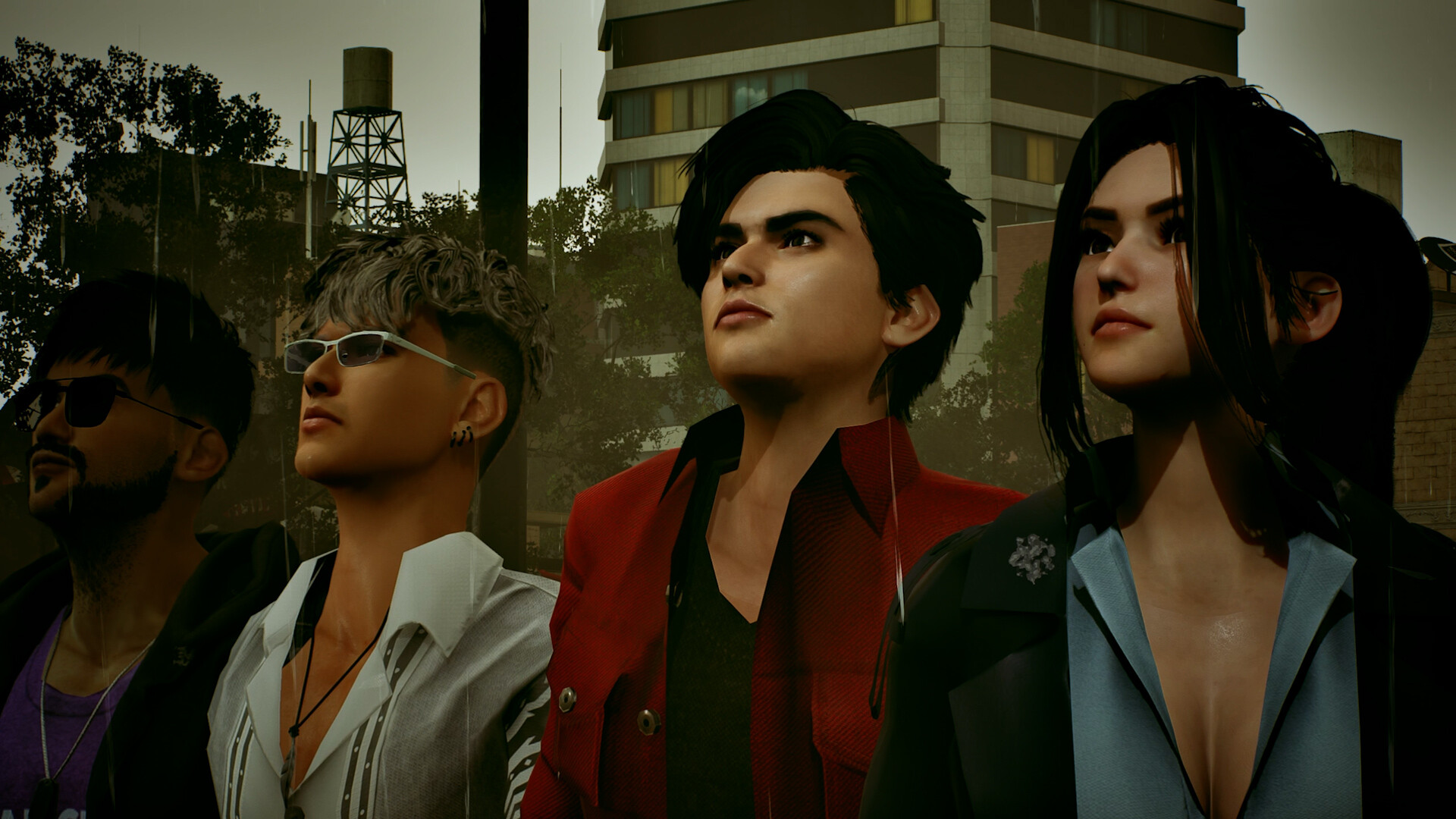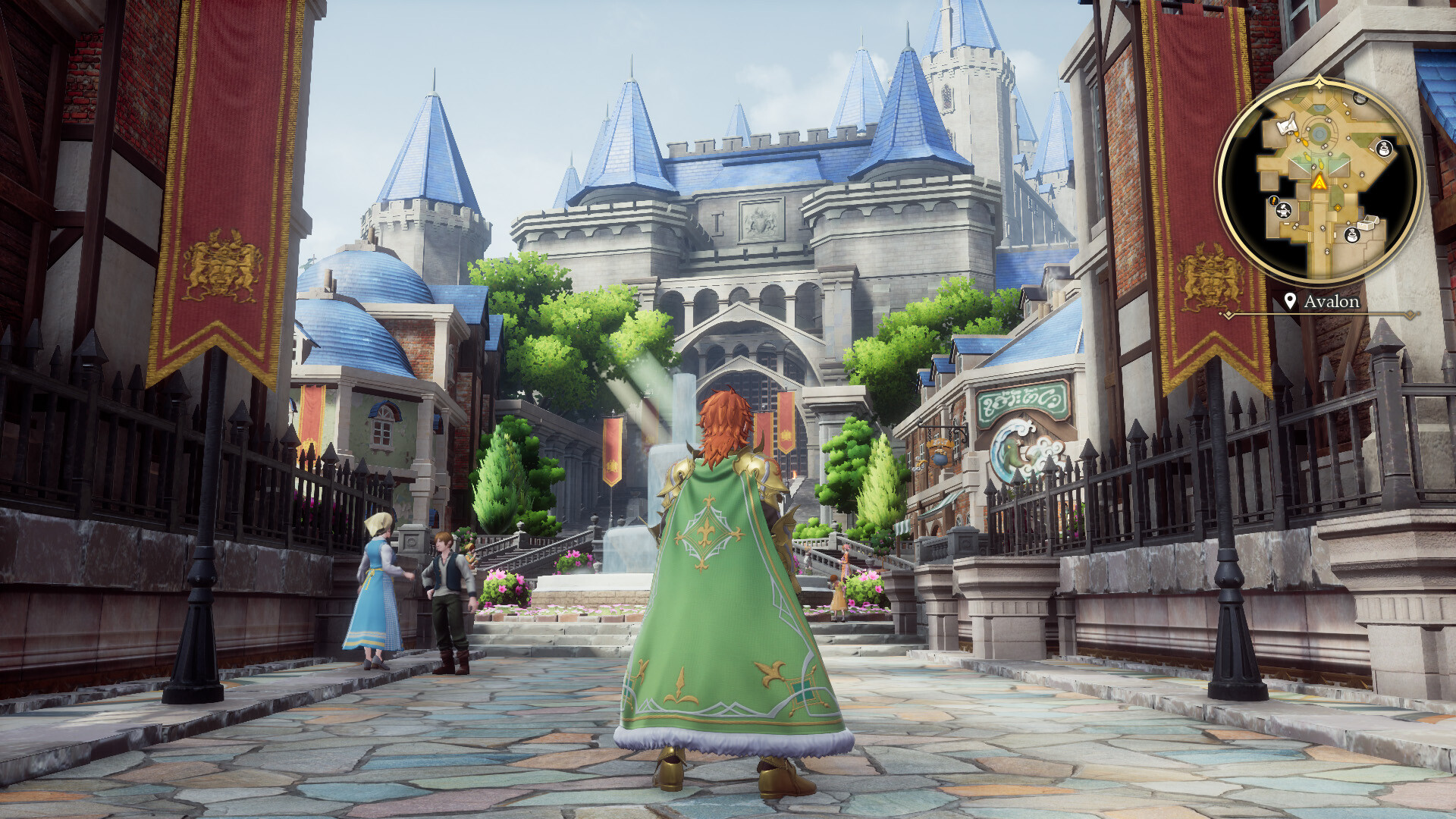
Sony’s FY2025 earnings briefing in Tokyo overnight was one of those investor presentations that tells you exactly where a company thinks the next decade is going. The headline number was brutal: PS5 unit sales fell 46% year-over-year in Q4, with Sony shipping just 1.5 million consoles in the January-March quarter against 2.8 million in the same window a year ago. Lifetime PS5 shipments now sit at 93.7 million units, still ahead of the PS4’s pace at the same point in the cycle, but the curve is bending the wrong way at exactly the moment Sony was hoping to push into the back-half PS5 boom.
And then PlayStation CEO Hideaki Nishino spent the back half of the call pivoting the entire pitch toward AI — not as a buzzword sprinkled on a roadmap, but as the structural answer to why Sony thinks PlayStation can keep growing operating profit even as console-shipment growth disappears. Two specific tools came up by name. One animates faces. The other animates hair. Both are already shipping inside released PlayStation Studios games, and Nishino spent more time describing them than he did on any single first-party title.
The 46% drop is mostly a memory story
The reason PS5 sales fell off a cliff is not that the console suddenly stopped being good. It is that the global memory market, dominated by the same handful of suppliers that ship DDR5 and HBM into AI data centers, is in the middle of a structural shortage. AI infrastructure spending has consumed every spare gigabyte of supply at the high end, which has dragged spot prices for the lower-end memory used in consoles upward by double digits. Sony confirmed during the call that PS5’s recent price hikes were a direct margin response to those memory costs, not a strategic premium move — and that those hikes only landed after Q4 closed, meaning the Q4 sales drop is a pure demand signal at the old price.
The forward guidance is grim by Sony’s standards. CFO and now-Sony Group CEO Hiroki Totoki told analysts that Sony will “base our PlayStation 5 hardware sales in fiscal year 2026 on the volume of memory we can procure at reasonable prices,” and that hardware profitability is expected to be “essentially the same as fiscal year 2025.” In plainer language: Sony is not budgeting for a PS5 unit recovery. It is budgeting for the same boxed-margin grind, and trying to grow the operating line through software, services, and accessories instead.
Operating profit for the full year still came in at ¥1.45 trillion, up 13% year-over-year, and Sony has guided to record profit in FY26 anyway — which is the part of the call that dragged the stock back into the green after an ugly open. The console business is still the loss leader for the rest of the PlayStation ecosystem; the ecosystem is still working.
Mockingbird: facial animation in a fraction of a second
The first AI tool Nishino name-checked was Mockingbird, an internal facial animation pipeline that ingests performance-capture data and outputs in-engine facial animation in “a fraction of the time” the traditional process took. Nishino explicitly named Naughty Dog and Sony San Diego Studio as first-party teams already shipping Mockingbird-generated facial animation in released games. The most concrete example given on the slide was Horizon Zero Dawn Remastered, where Mockingbird was used during cinematic cleanup. Animation work that previously took an artist hours per shot, the company claims, now takes seconds.
This is the AI use case that has been quietly humming inside AAA development for two years and has only now been formalized as a pillar of PlayStation’s public strategy. Mocap performances have always required a layer of artist cleanup to land cleanly on a 3D face rig — lip-sync timing, eye darts, micro-tension around the mouth. Mockingbird is, in essence, an ML model trained on years of hand-cleaned PlayStation Studios cinematics that has learned how a Naughty Dog face is supposed to move. The output is then handed to a human animator for final polish. The labor savings are real, the labor displacement is also real, and Sony is now openly putting it on the slide deck.
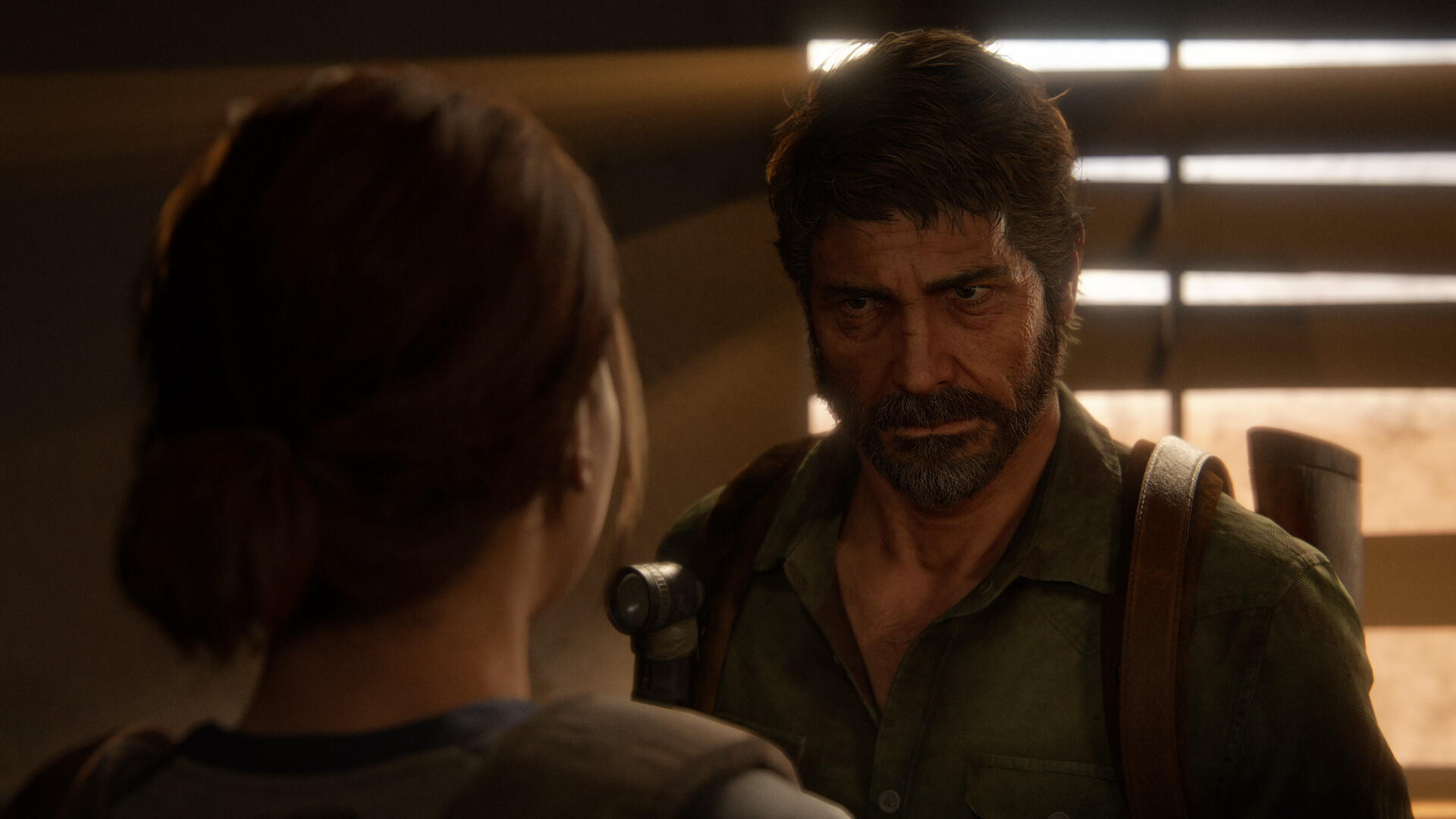
Naughty Dog has been the canary on the PlayStation hair-and-face technology mine for a decade. The Last of Us Part II’s strand-based hair simulation in 2020 was the public proof-of-concept; the trailer above shows how that pipeline matured for the Remastered PC port that shipped on Steam last year. The new Mockingbird and hair tools are how Sony is trying to scale that level of fidelity from one prestige Naughty Dog title to the entire first-party slate without the entire industry going bankrupt paying senior animators.
The hair tool: video in, strand-level 3D model out
The second AI tool Nishino described — the one that generated the most coverage overnight — is the unnamed hair animation pipeline Sony has built in-house. The pitch is exactly as wild as it sounds: feed the system a piece of video footage of a real human hairstyle, and it outputs a fully strand-modeled 3D version of that hair, ready to drop into a character rig.
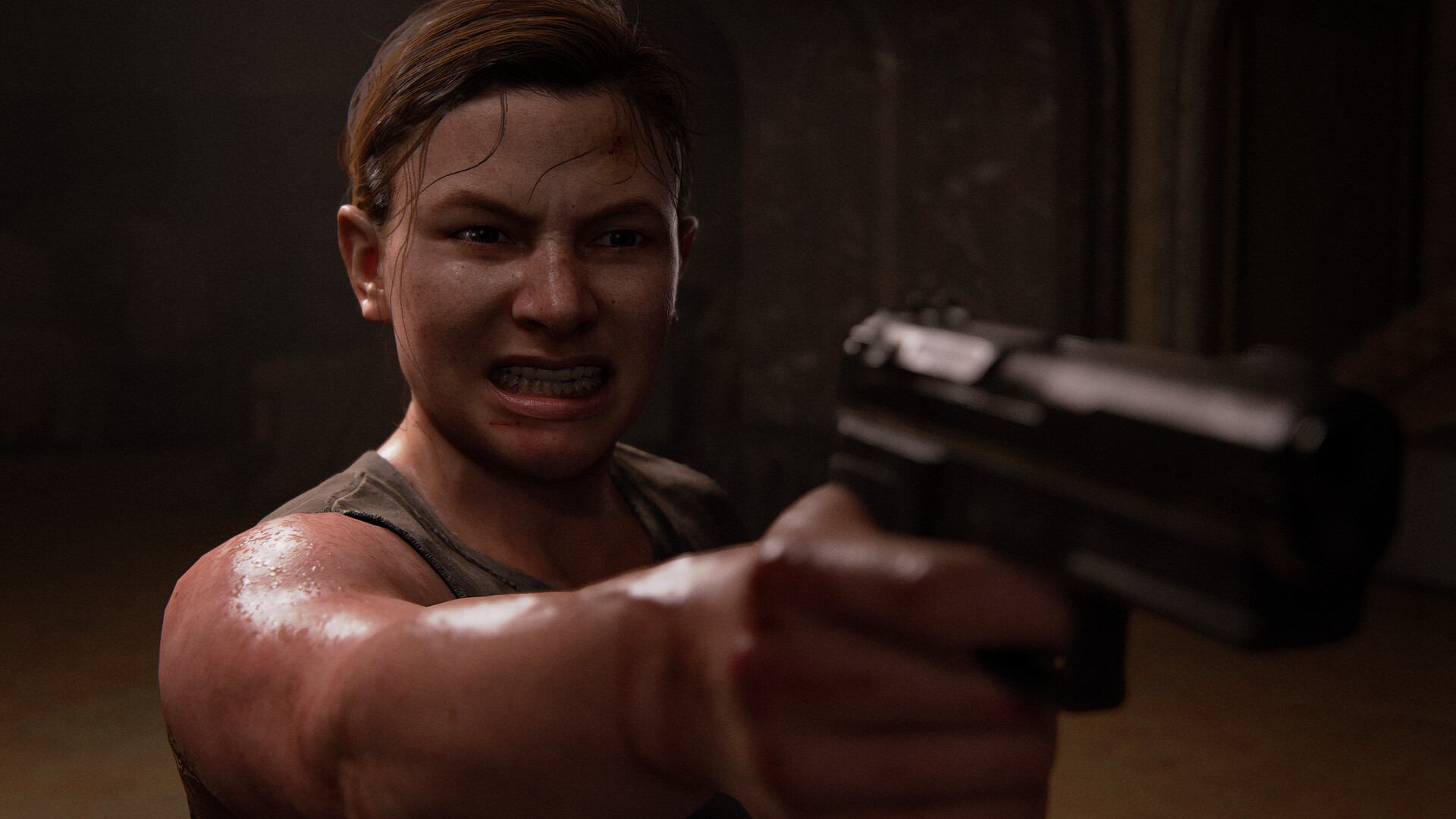
Hair has been the worst kind of art problem in AAA development for fifteen years. A modern PlayStation Studios character can have 40,000 to 100,000 individual strands, each one needing its own physics behavior, shading response, and layout authoring. Building a single hero character’s hair has historically taken a senior groomer multiple weeks. The new pipeline collapses the most labor-intensive part of that — the layout and base groom — into a video-in, model-out automated pass. Artists then take the AI-generated groom and refine it instead of building it from scratch.
Sony did not name the studios shipping the hair tool, but the obvious candidates are Naughty Dog, whose next project is the sci-fi action title Intergalactic, and Guerrilla Games, which has Horizon spin-offs and a new IP both in development. Both studios have built their public reputations partly on character hair fidelity. Both have been on the AI-tooling adoption track inside the company for a while.
The corporate framing
Sony is keenly aware of how the gaming-industry conversation about generative AI has gone over the last twelve months — Larian Studios famously took a public stand against using it, the SAG-AFTRA strike was partly about it, and player communities have been hostile to AI-generated assets in shipped games. The company’s framing was therefore extremely careful. Totoki said: “Human creativity must remain at the center.” Nishino called AI “a powerful tool to help us in this mission” of making PlayStation “the best place to play.” A Sony slide explicitly read: “AI is a powerful tool, but is not a replacement for artists or creators. It is an amplifier of human imagination and a catalyst for new possibilities.”
That framing — AI as augmentation, not replacement — is now the official PlayStation Studios line, and Nishino was explicit that the AI push extends to QA, software engineering, 3D modeling, and animation across multiple studios. This is the same set of disciplines that have absorbed the most AI-driven productivity tooling in the rest of the software industry. Sony is not pretending that is a coincidence.
What this actually means for the next PlayStation generation
Stitching the two halves of the call together is the real story. Console hardware growth is structurally constrained for the next 18-24 months because of memory pricing. Sony cannot make up the operating-profit gap by selling more boxes; it has to make up the gap by getting more software value out of every box it ships. AI tooling that lets first-party studios produce more games, faster, with the same headcount, is the lever that closes that math.
Sony is also signaling, between the lines, what the PS6 era is going to look like. The next generation will not just be a faster GPU and a redesigned UI. It will be a console-and-cloud platform whose first-party games are built with AI in the production pipeline by default, and Sony is starting to do the public-relations spadework now — in a difficult earnings quarter when investors want to see a story — to make sure the framing is locked in before the actual hardware reveals start landing in 2027.
Bottom line
The 46% PS5 sales drop is the headline. The AI-tools pivot is the strategy. Sony shipped a year that came in operating-profit-positive on the back of a hardware business that is being squeezed by the global memory crunch, and is now openly betting that internal AI tooling — Mockingbird for faces, the unnamed hair pipeline for hair, plus AI-assisted QA, modeling, and engineering — will absorb the labor-cost growth that would otherwise eat its software margins through the rest of the PS5 era and into the next generation. Whether the bet works is a question for the next four quarters. Whether the bet is being made is no longer in doubt.