Sony just took its second — and largest — impairment writedown on Bungie in less than nine months. In its FY2025 year-end results published in Tokyo overnight, the company disclosed an additional ¥88.6 billion (roughly $565 million) impairment loss against the Bungie business unit for the quarter ending March 2026, on top of the ¥31.5 billion (roughly $200 million) writedown it already recognized in Q2 FY25. Add the two together and Sony has now formally written down ¥120.1 billion, or about $765 million, against the studio it bought for $3.6 billion in January 2022.
That is more than 20% of the original purchase price evaporated on Sony’s books in a single fiscal year, and the language Sony used to justify the writedown is unusually direct for a Japanese earnings release. The company cited “underperformance” of Bungie’s released titles — specifically pointing to Destiny 2, whose seasonal player engagement has continued to decline through FY25, and Marathon, whose March 5 launch failed to generate the audience Sony underwrote at acquisition. The line item in the financials is impairment of goodwill, which is the accounting world’s polite way of saying we paid more than the asset is worth and we now have to admit it on paper.
Marathon was the bet, and the bet did not land
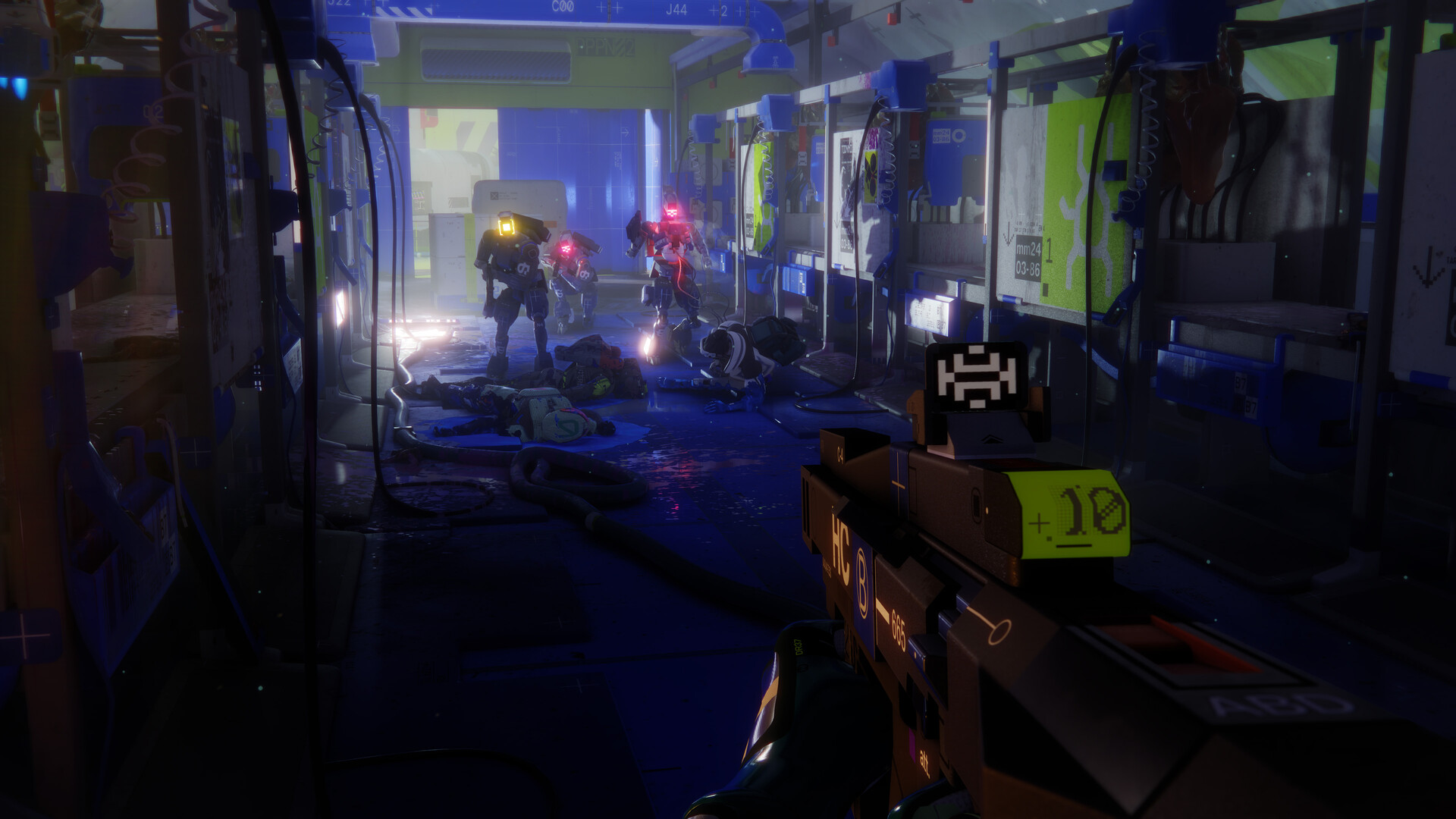
When Sony bought Bungie three and a half years ago, the public pitch was Destiny’s live-service expertise. The internal pitch — the one that justified $3.6 billion — was a portfolio of upcoming new IPs, with Marathon as the headliner. Marathon was supposed to be the studio’s next platform-level franchise. It launched March 5 across PlayStation 5, Xbox Series X|S, and Steam, with full cross-play and cross-save, a striking Alberto Mielgo-directed art direction, and a critic score that came in at “generally favorable” with around 74% of OpenCritic reviewers recommending it.
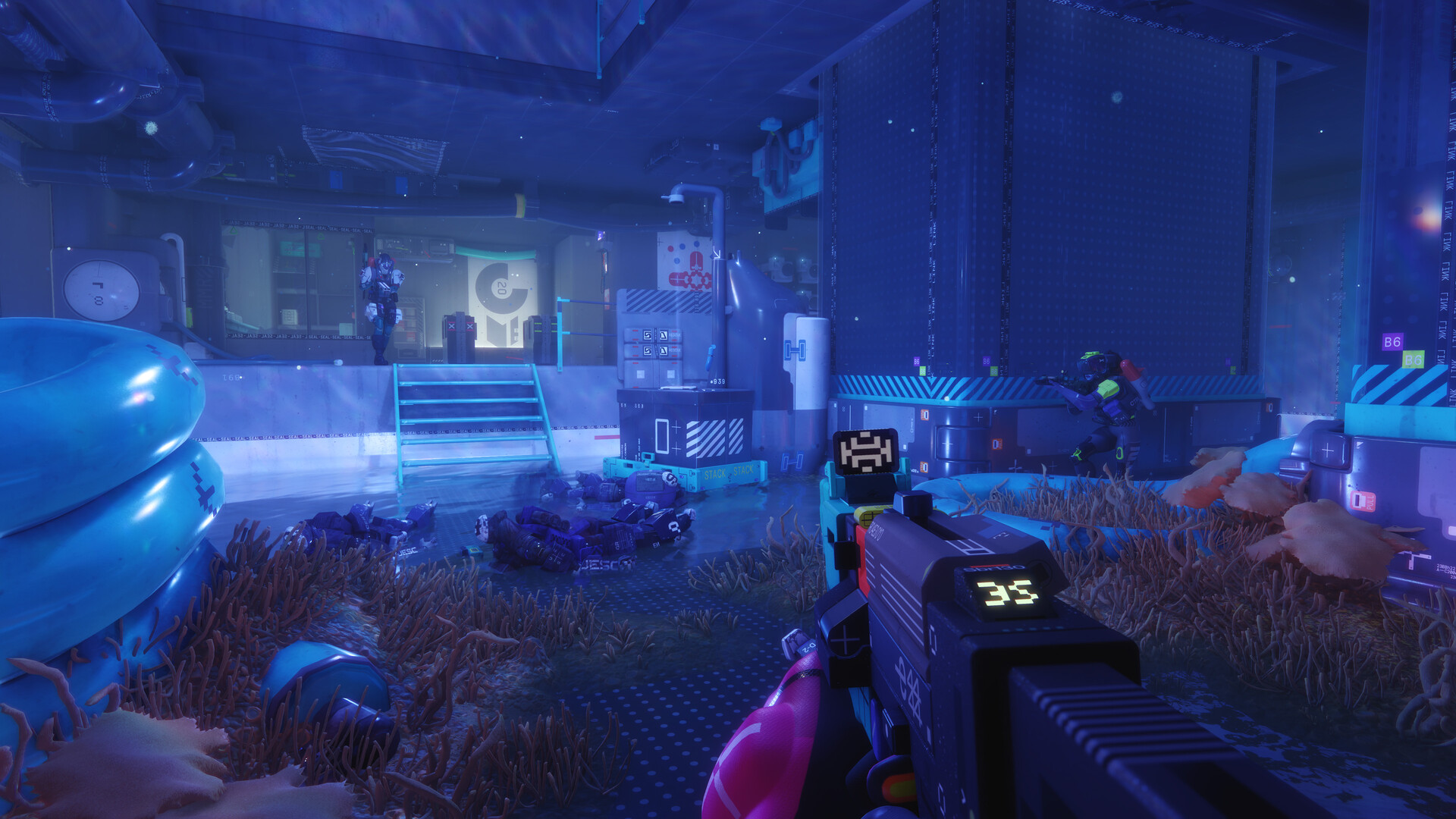
The reviews are not the problem. The problem is that nobody is playing it. As of this morning, Marathon is sitting somewhere between 6,000 and 15,000 concurrent players on Steam — numbers that are catastrophic for a $3.6 billion studio’s headline live-service launch, and an order of magnitude below where Sony’s internal modeling needed it to land. The game has not held a top-10 spot on any of its three platforms since launch week, and Sony has notably refused to publicly disclose total player or unit sales figures, which is itself a kind of disclosure.
The Death Awaits trailer above is the gameplay vertical slice Sony built its entire Marathon marketing campaign around — a slick, Mielgo-styled, mood-saturated piece of work that sold the game on aesthetic before it sold it on systems. The disconnect between the trailer’s reception and the live game’s player count is roughly the disconnect Sony is now writing down on its balance sheet.
Destiny 2 is the slow leak
The Q2 FY25 portion of the impairment — the $200 million Sony already booked back in October — was specifically attributed to Destiny 2 missing internal targets. Sony at the time said that “the level of sales and user engagement have not reached the expectations we had at the time of the acquisition of Bungie,” and revised the business projection downward. Six months later, Destiny 2 has continued to bleed engagement through The Edge of Fate’s expansion cycle, and the second writedown reflects Sony’s updated read that the live-service revenue ramp is not coming back to where the original 2022 valuation required.
The grim math: when Sony bought Bungie, it priced the studio assuming Destiny 2 would compound, Marathon would launch into a live-service goldmine, and additional new IPs (most notably the in-development action title from former Halo lead Joe Ziegler) would arrive on a regular cadence. Through FY25, exactly zero of those three pillars has held up.
Is this the worst acquisition in PlayStation history?
Push Square asked the question outright in its overnight piece, and the answer is unfortunately defensible. Sony has paid for studios that didn’t produce a hit before — the original Insomniac and Naughty Dog acquisitions both took years to pay back, and Firewalk Studios was shut down within months of Concord’s collapse last year — but $765 million in writedowns inside three years on a $3.6 billion deal is a different scale of failure. Concord was a $200 million-ish write-off. The Firesprite acquisition was a fraction of Bungie’s price. Bungie is, by raw dollar value, on track to be the largest financial misstep PlayStation has ever made.
What makes the Bungie situation worse than Concord is that Bungie is still operating. Sony cannot just shut down the studio — it owns Destiny 2 outright, it has Marathon’s live-service tail to manage, and Bungie’s pipeline still includes contractually-owed deliverables. The impairment is the recognition that the studio is worth less than Sony paid for it; the operational cost of keeping the lights on while that becomes true continues regardless.
What happens next
Sony has not publicly committed to layoffs or restructuring at Bungie tied to this writedown, and the company line in the earnings call was that PlayStation Studios remains committed to live-service and that Marathon’s post-launch roadmap will continue. But impairments of this size tend to precede uncomfortable conversations. Bungie has already gone through two rounds of significant layoffs in 2024 and 2025; a third round before the end of FY26 would not be a surprise.
The harder question is what Sony does with Marathon itself. The game is a free-to-play extraction shooter built around a years-long content cycle. With concurrent players already in the low five figures, the cost of running the live service almost certainly exceeds the revenue it generates from cosmetic monetization. Sony’s options are essentially three: pour more money in and hope a relaunch fixes the audience problem (Final Fantasy XIV style), throttle the live service to a maintenance mode and accept Marathon as a tax write-off, or shut it down entirely. None of those options is good. All three are now, on paper, financially defensible.
Bottom line
Sony bought the studio that made Halo and Destiny for $3.6 billion. Three and a half years later, it has formally admitted that more than $765 million of that purchase no longer exists. Marathon — the title the entire acquisition was supposed to be paying for — is the single most expensive game launch failure in PlayStation history when measured in goodwill writedowns. The financial damage is now on the public record. The harder damage — what Sony does about Bungie operationally, what it does about Marathon, and what message this sends to the next acquisition target — is the thing the rest of the industry will be watching for over the next two quarters.