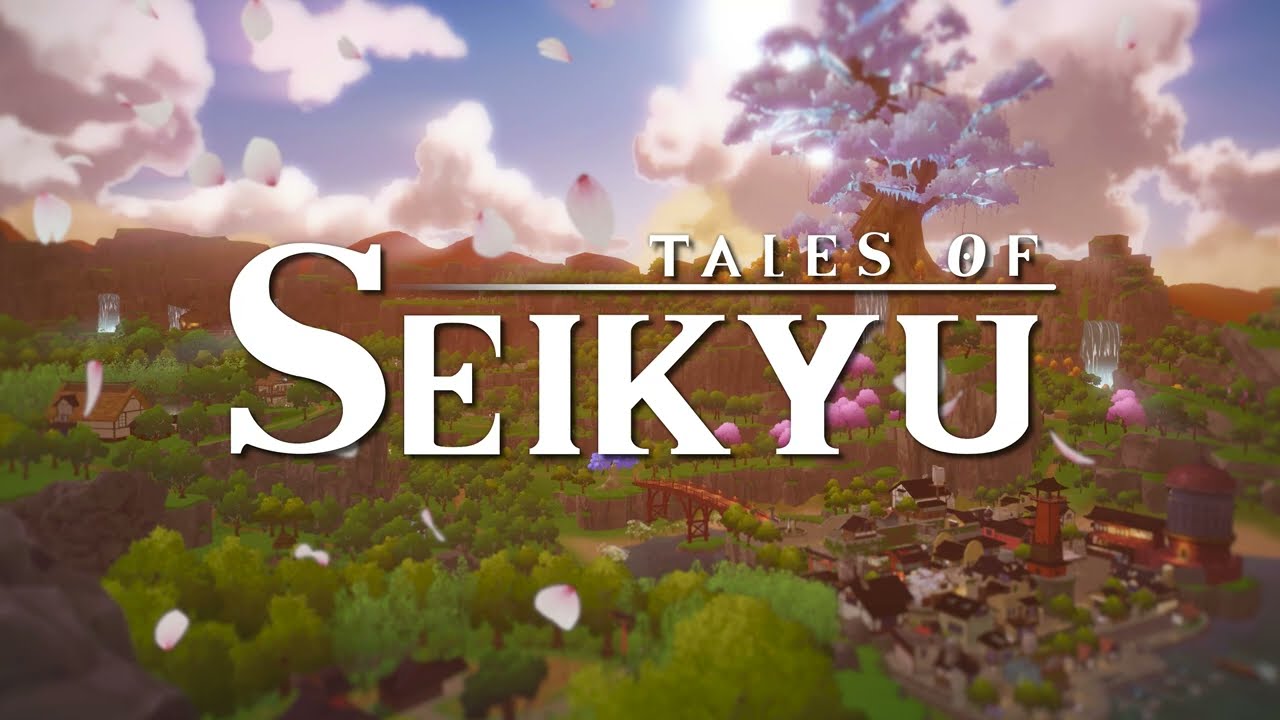
Every few months a new cozy farming sim arrives promising to be the next big thing, and most of them politely fade into the enormous pile of wholesome clones that Steam adds by the dozen. Tales of Seikyu is not content to be one of them. ACE Entertainment's debut, published by Fireshine Games, takes the familiar plant-crops-and-befriend-the-village loop and threads it through a world of Japanese folklore, fox-spirit ancestry, and - its single best idea - the ability to shapeshift into yokai forms whenever the mood strikes. After more than a year in Early Access, it crossed the 1.0 finish line on June 11, 2026, and it arrives as one of the most visually arresting life sims in years.
It also arrives a little unfinished around the edges, and that tension defines the whole experience. For long, sunlit stretches Tales of Seikyu is genuinely enchanting; for shorter, more frustrating ones it reminds you that a 1.0 label is a promise as much as a milestone. This is a game worth your time and a farmstead worth tending - just go in knowing the soil is still settling.
A new life on the island of Seikyu
You begin, as these things tend to go, with an inheritance. Your character arrives on the island of Seikyu to claim a dilapidated ancestral home, and it quickly emerges that your bloodline is not entirely human: you are descended from a fox spirit, and that heritage is the key that unlocks the island's stranger magic. Seikyu itself is a gorgeous fusion of rural Japan and the spirit realm, a place where humans and yokai share the same markets, the same festivals, and occasionally the same gossip. Lanterns bob over wooden bridges, torii gates frame mountain paths, and the whole island shifts visibly with the seasons.
The setup is comfortable rather than original, but Tales of Seikyu earns its hook through texture. The writing leans warm and gently funny, the villagers have more personality than the genre's usual cardboard cutouts, and the folklore framing gives even mundane tasks a touch of the uncanny. Restoring your home, clearing your overgrown fields, and slowly being accepted into the community is the emotional spine here, and it is a sturdy one. There is a low-stakes mystery to your ancestry that gives the early hours a gentle pull, but the game never forgets that the real reward is the rhythm of the place - the sense that you are putting down roots somewhere worth living.

Shapeshifting is the idea that makes it sing
If there is one reason to pick Tales of Seikyu over the dozen other cozy sims jostling for your attention, it is the shapeshifting. Your fox-spirit lineage lets you transform into a roster of yokai forms, and each one reshapes how you interact with the world. The Boar is your brute-force tool: a stout, ground-pounding form that tills farmland in a hurry and barrels through obstacles. The Crow Tengu grants flight, letting you soar over the island and reach rooftops, cliffs and otherwise sealed-off corners. And a slippery water-spirit form lets you dive beneath the surface to explore submerged ruins and fish sunken treasure out of the depths.
What makes this more than a gimmick is how naturally it folds into the daily routine. Tilling a field as the Boar, flying a delivery across the valley as the Tengu, then slipping underwater to gather materials is a loop that feels expressive in a way most farming sims simply are not. Transformation is quick and fluid, the forms are full of character, and the sheer novelty of swapping bodies to suit the task keeps the moment-to-moment play fresh well past the opening hours. Crucially, the forms are not just traversal toys - they fold back into the core economy, speeding up chores and opening resource nodes you could not otherwise reach, so experimenting with them always feels productive rather than decorative. It is the clearest sign of a studio with a real idea, not just a checklist of cozy-sim features, and it is the single mechanic most likely to keep you playing when the genre's usual loops start to feel familiar.

The farm, the animals, and the rhythm of the seasons
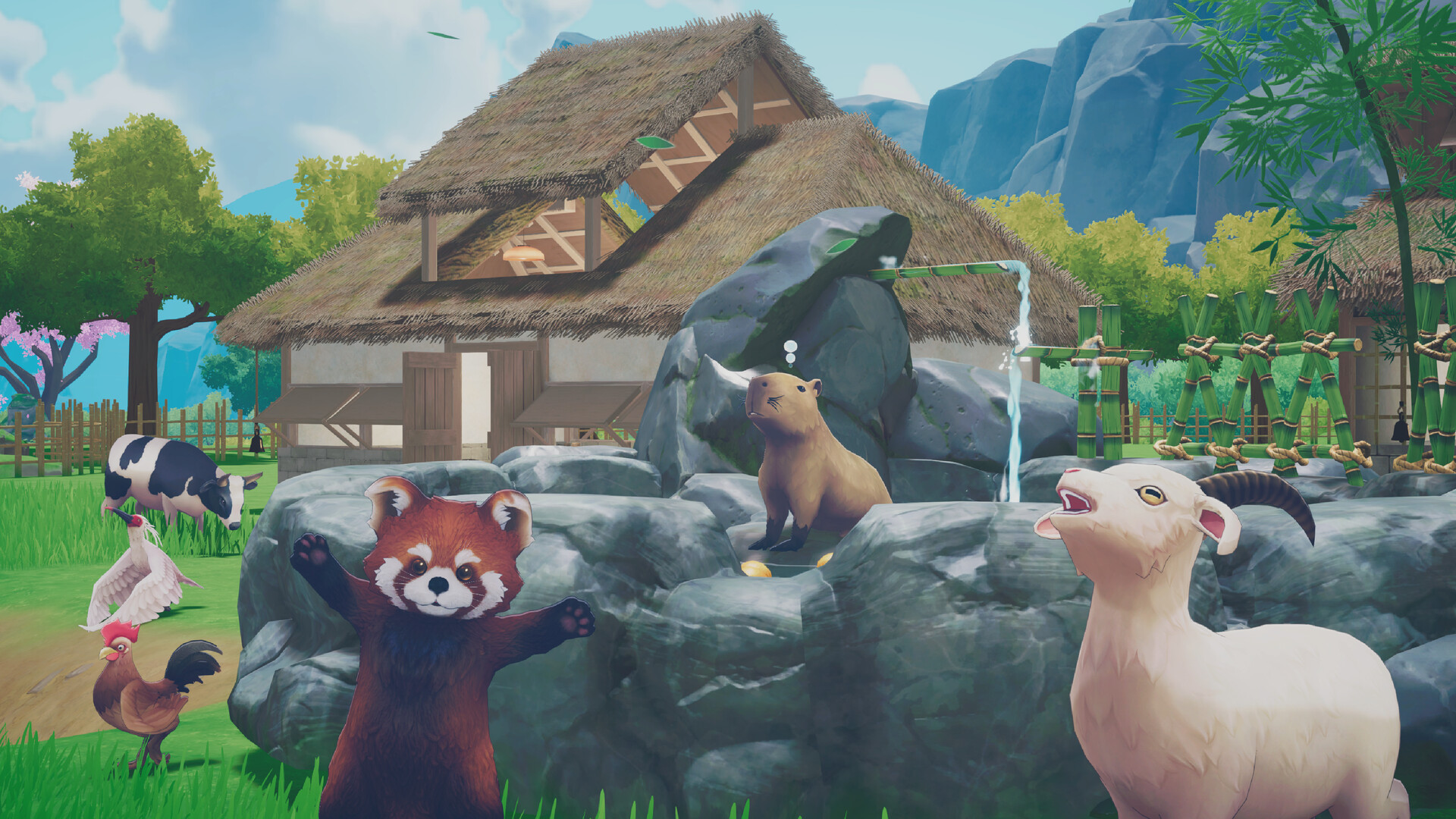
Underneath the folklore, this is a deeply traditional farming sim, and a generous one. You clear land, till soil, plant seasonal crops and keep them watered as the calendar turns through spring, summer, autumn and winter. Each season brings its own plantable produce and its own deadlines, so there is always a reason to plan a few in-game days ahead, juggling what to sow now against what will still be standing when the weather turns. Animal husbandry is here in force - chickens, cows and sheep produce the usual eggs, milk and wool - and Tales of Seikyu sweetens the barnyard with the kind of crowd-pleasing flourish you would expect from a game this charming: yes, you can keep capybaras, and yes, they are as delightful as that sounds.
The progression curve is satisfying. Early days are a careful budget of energy and time, every watering-can refill and every cleared rock a small decision. As you unlock better tools, automate chores and lean on your yokai forms, the farm blossoms from a weed-choked plot into a humming little enterprise, and the daily scramble gives way to the comfortable busywork that genre fans live for. Restoring your ancestral home runs parallel to all this, with upgrades and decorations that give you tangible goals beyond the next harvest. Foraging the wilds, fishing the rivers and coast, gathering materials and turning raw goods into more valuable crafted and cooked products all feed the same loop, and it is paced well enough that the to-do list never quite empties. For players who measure a life sim by the quiet satisfaction of a well-run homestead, Seikyu delivers in abundance.
Villagers, friendship, romance and marriage
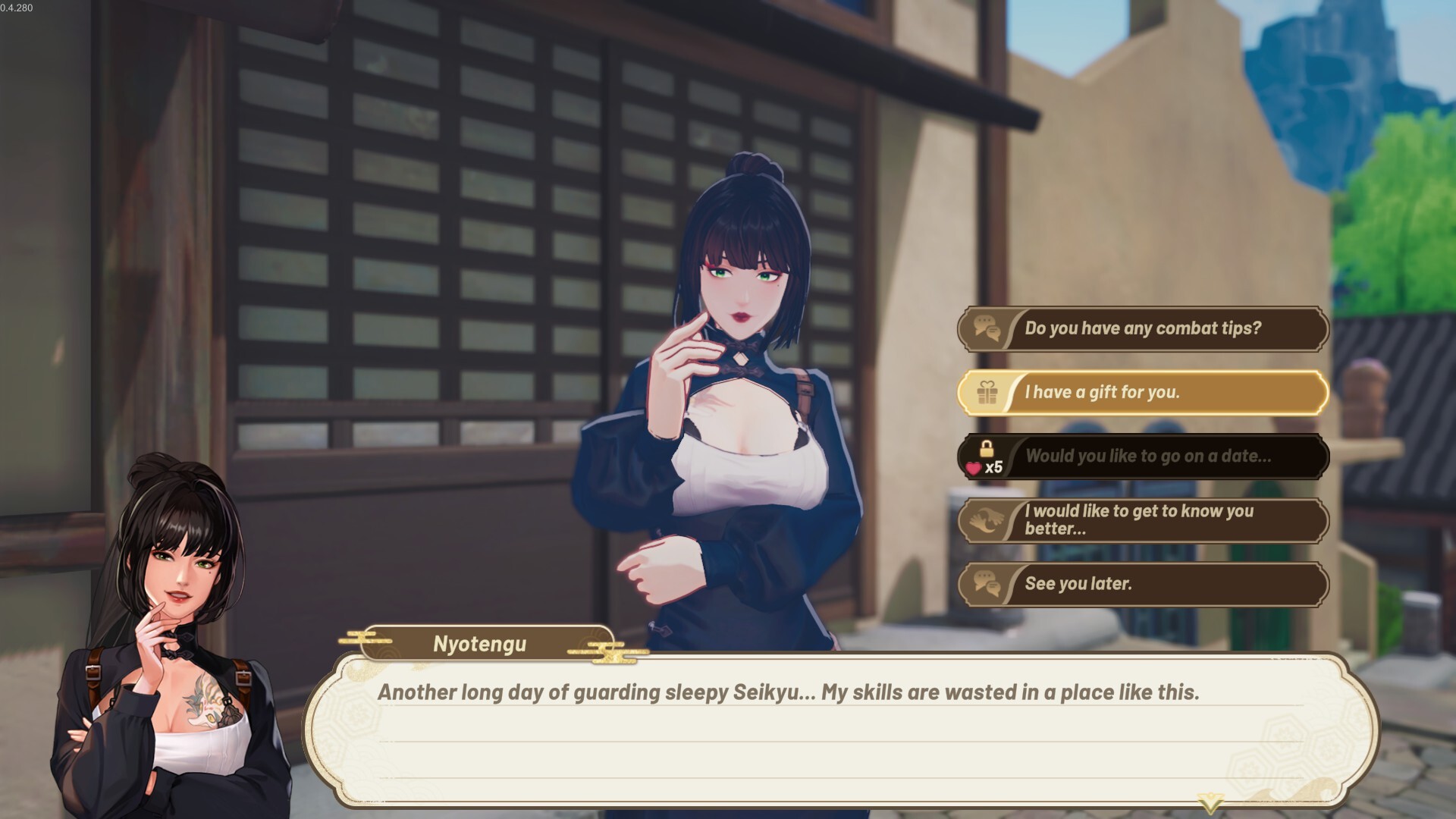
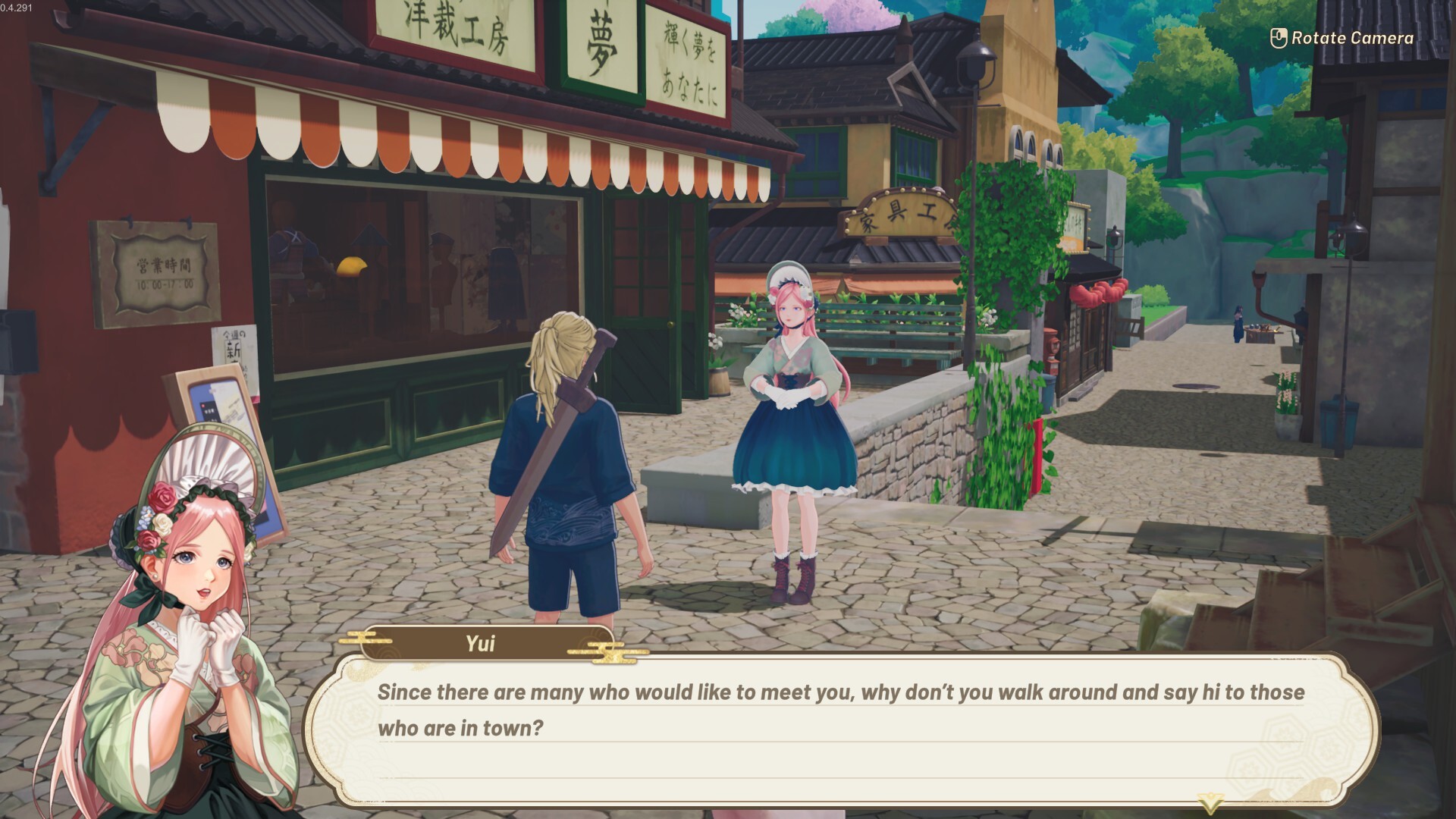
A farming sim lives or dies on its cast, and this is where the 1.0 release made its most meaningful additions. The full launch expanded the roster of romance options and finally introduced marriage, fleshing out the relationship systems that Early Access had only sketched. Befriending the island's residents through conversation, gifts and festival participation unlocks heart events that fill in their histories, and the yokai-and-humans premise gives the writers a wider, weirder palette of personalities to play with than the average small-town sim - your potential neighbors and partners are not all human, and the game has fun with that.
The villagers are easily among the game's strongest assets. They are expressive, distinctly designed, and written with enough wit and quiet melancholy to make you actually care which of them you are courting. Romance progresses at the genre-standard pace - shower your chosen partner in liked gifts, trigger their story beats, and eventually pop the question - but the destination is worth the grind, and the marriage content gives the long game a real emotional anchor. Festivals and seasonal events punctuate the calendar and double as natural relationship milestones, the kind of recurring beats that turn a save file into a story you remember. If the early hours sell you on the farming, it is the cast that will keep you on the island for the long haul.
Where the cracks show: exploration, dungeons and combat
Tales of Seikyu wants to be more than a farm, and that ambition is where its reach exceeds its grasp. Beyond the homestead lies an open world to explore and dungeons to delve, complete with light combat against the island's more troublesome spirits. In theory this is the action-RPG seasoning that sets Seikyu apart from its purely pastoral peers. In practice it is the least polished part of the package, and it is the part most likely to test your patience.
The open world, for all its beauty, can feel curiously empty - long stretches of lovely scenery with too little to actually do in them. Points of interest are spread thin, and the connective tissue between them rarely rewards the walk. Combat is functional but basic, a simple loop of swings and dodges that never develops the depth to stand on its own, and the enemy variety is not enough to disguise it. The dungeons, meanwhile, are dragged down by genuinely poor navigation: the in-dungeon map is so unhelpful that getting lost becomes a recurring annoyance rather than an adventure, and few things puncture a cozy mood faster than wandering the same corridor three times because the game will not tell you where you are. These systems are not broken, but they are thin, and they expose the gap between what the game aspires to and what it currently delivers.
It is telling that the farming and social loops - the parts ACE Entertainment clearly cares most about - are so much more confident than the combat and exploration bolted on around them. If you come to Seikyu as a life sim with occasional adventures, you will be happy. If you come expecting a robust action-RPG with farming attached, you will find the action half wanting, and you may be happier waiting for the studio to keep refining it.
A feast for the eyes and ears
Whatever reservations you might have about its systems, there is no arguing with how Tales of Seikyu looks. This is one of the most beautiful cozy games on the market, full stop. The art direction marries a soft, storybook palette with detailed, hand-crafted environments, and the seasonal transitions are a particular highlight - watching your familiar fields flush from spring green to summer gold to winter white never gets old. Character designs are equally strong, from the cast of villagers to the menagerie of yokai you encounter and become, and the whole island has a coherent visual identity that a lot of bigger-budget games would envy.
The audio matches the visuals. A gentle, folk-tinged soundtrack drifts under the daily routine without ever growing tiresome, swelling for festivals and quieting for those late-evening walks home from the fields. Ambient touches - rustling crops, distant temple bells, the chatter of the market - round out a soundscape that makes simply existing in the world a pleasure. It is the kind of presentation that papers over a surprising number of the design rough spots through sheer atmospheric goodwill.
The 1.0 question: is the soil ready?
Here is the honest tension at the heart of any verdict. Tales of Seikyu spent over a year in Early Access, shipping content updates and following a public roadmap, and the 1.0 release adds the marriage and romance systems that the full experience needed. Yet the game still plays a little unrefined and early despite the milestone. The open world and combat need more time in the oven, and that dungeon map should have been overhauled before launch rather than after. These are not dealbreakers, but they are the difference between a great game and a merely very good one.
That tension is the whole story in miniature: as a cozy farming-and-folklore fantasy, Seikyu is a wonderful place to spend a hundred hours; as a do-everything action life-sim, it has loose threads ACE will need to keep stitching with post-launch patches. The studio's Early Access track record of steady updates is the best reason to be optimistic that they will.
How it stacks up
Comparisons are inevitable. Tales of Seikyu sits in the lineage of Stardew Valley and Story of Seasons for its farming-and-romance core, and it shares some open-world-with-crafting DNA with the likes of My Time at Sandrock. Where it carves out its own identity is the shapeshifting and the spirit-world setting, which give it a flavor none of those touchstones can match. It does not topple Stardew from its throne - few things will, and Seikyu is rougher around the edges than ConcernedApe's endlessly polished classic - but it does not need to. It offers something those games do not, and for fans of the genre that novelty, paired with that art direction, is reason enough to plant roots here.
Who should play it
If you adore cozy farming sims and have been craving a fresh setting, a striking art style and a genuinely clever transformation hook, Tales of Seikyu is an easy recommendation - especially if you can meet it on its own gentle terms. If you bounce off slow life sims, or if you are specifically here for tight combat and dense open-world content, the rougher systems may frustrate you, and you might reasonably wait for a few patches to sand them down. For most players drawn to the genre, though, the charm comfortably outweighs the flaws, and the price of admission buys an enormous amount of content.
Verdict
Tales of Seikyu is a beautiful, big-hearted yokai farming sim with one brilliant central idea and the confidence to build a whole world around it. Its shapeshifting, its art direction and its warm community make for one of the most appealing cozy debuts in recent memory. It is held back, not broken, by an underdeveloped open world, basic combat and lingering technical rough edges that betray its Early Access roots. Tend the farm, romance the villagers, soar over the island as a tengu and dive its rivers as a water spirit, and you will find an enormous amount to love - just do not expect every corner of Seikyu to be as polished as its postcard-perfect fields. This is a wonderful place to live, and a promising foundation that should only grow more beautiful with time.