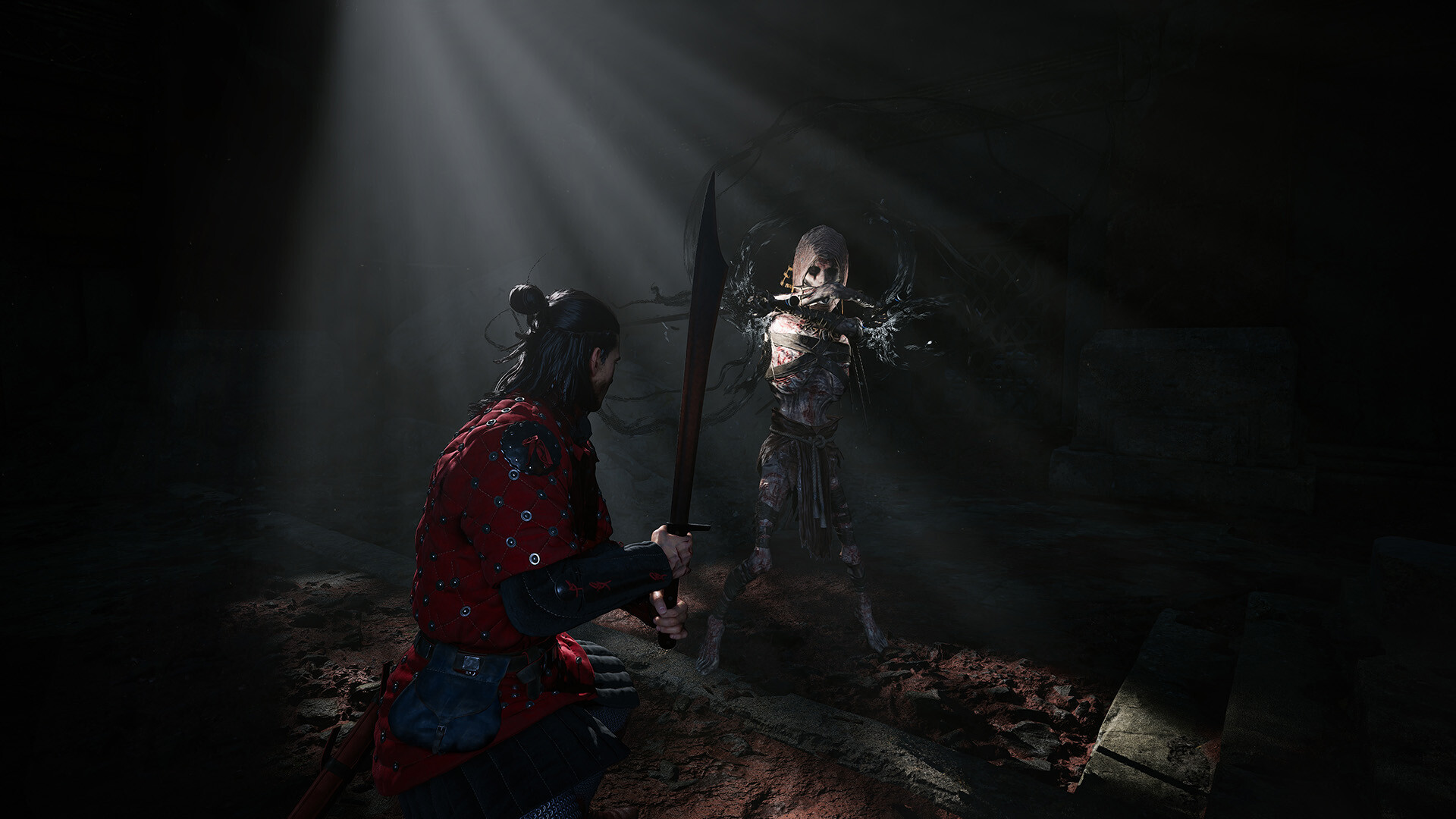
The Blood of Dawnwalker has been on sale for less than a week, and Rebel Wolves is already recruiting to write the next one. A Lead Writer vacancy went up on the studio's careers page on September 7 — four days after launch — with a job description that does not bother being coy about what it is for: helping craft the next chapter of the Dawnwalker saga.
Narrative Director Jakub Szamalek shared the listing publicly, and the framing from the studio has been about as blunt as studios get. Rebel Wolves is not resting on its laurels, per the accompanying messaging — which, for a team that shipped a debut game seven days ago, reads less like a slogan and more like a schedule.
What the job is actually asking for
The listing itself is worth reading, because it says more about the shape of the next project than any teaser would. The Lead Writer is expected to manage and support the writing team, work directly with the Narrative Director and other department leads, review story pitches and outlines, and personally write dialogue, cutscenes and in-game documents.
The bar is set high: a minimum of six years' experience as a writer or narrative designer in the games industry, with what Rebel Wolves describes as a track record of outstanding achievement. This is not a junior seat being filled to pad out a team. It is a role that sits directly under Szamalek and above a writing staff — the kind of hire you make when a project has moved past pitch documents and into structured production.
The detail about reviewing pitches and outlines is the tell. Somebody at Rebel Wolves is already generating story material for a follow-up, and the studio wants a senior person in place to shape it.
Why they can afford the confidence
The Blood of Dawnwalker launched on September 3 on PC, PlayStation 5 and Xbox Series X|S, and cleared one million copies inside roughly 48 hours, according to Rebel Wolves' own announcement — a figure most outlets have rounded to "in its opening days," since the studio's post landed a couple of days after launch. Either way, it is an extraordinary opening for a debut game from a brand-new studio launching a brand-new IP with no franchise recognition behind it.
Steam's own numbers back it up: The Blood of Dawnwalker appeared at the top of the Steam Global Top Sellers list for the week of September 1–8, ahead of Onimusha: Way of the Sword.
The studio has also been visibly working since release rather than celebrating. Hotfix 1.0.3 went out on September 4 adding DualSense support on Steam, and Hotfix 1.0.4 landed this morning with a much heavier changelist: multiple stability improvements, fixes for several quest blockers, a fix for an issue that prevented players from saving at all, a fix for FPS drops caused by outdated GameInput controller software, and — my favourite line in any patch notes this month — torches can no longer grow uncontrollably.
Rebel Wolves, briefly
The studio was founded in 2021 by Konrad Tomaszkiewicz, who directed The Witcher 3: Wild Hunt at CD Projekt Red, and staffed heavily with other CDPR veterans. Szamalek himself wrote for both The Witcher 3 and Cyberpunk 2077. Bandai Namco publishes.
That pedigree cut both ways before launch — expectations for an ex-Witcher team's vampire RPG were never going to be modest — but it also explains the speed here. This is a group of people who have shipped very large narrative RPGs before and know how long the writing runway needs to be. Hiring a Lead Writer in the first week is not eagerness; it is arithmetic.

What "the next chapter" probably means
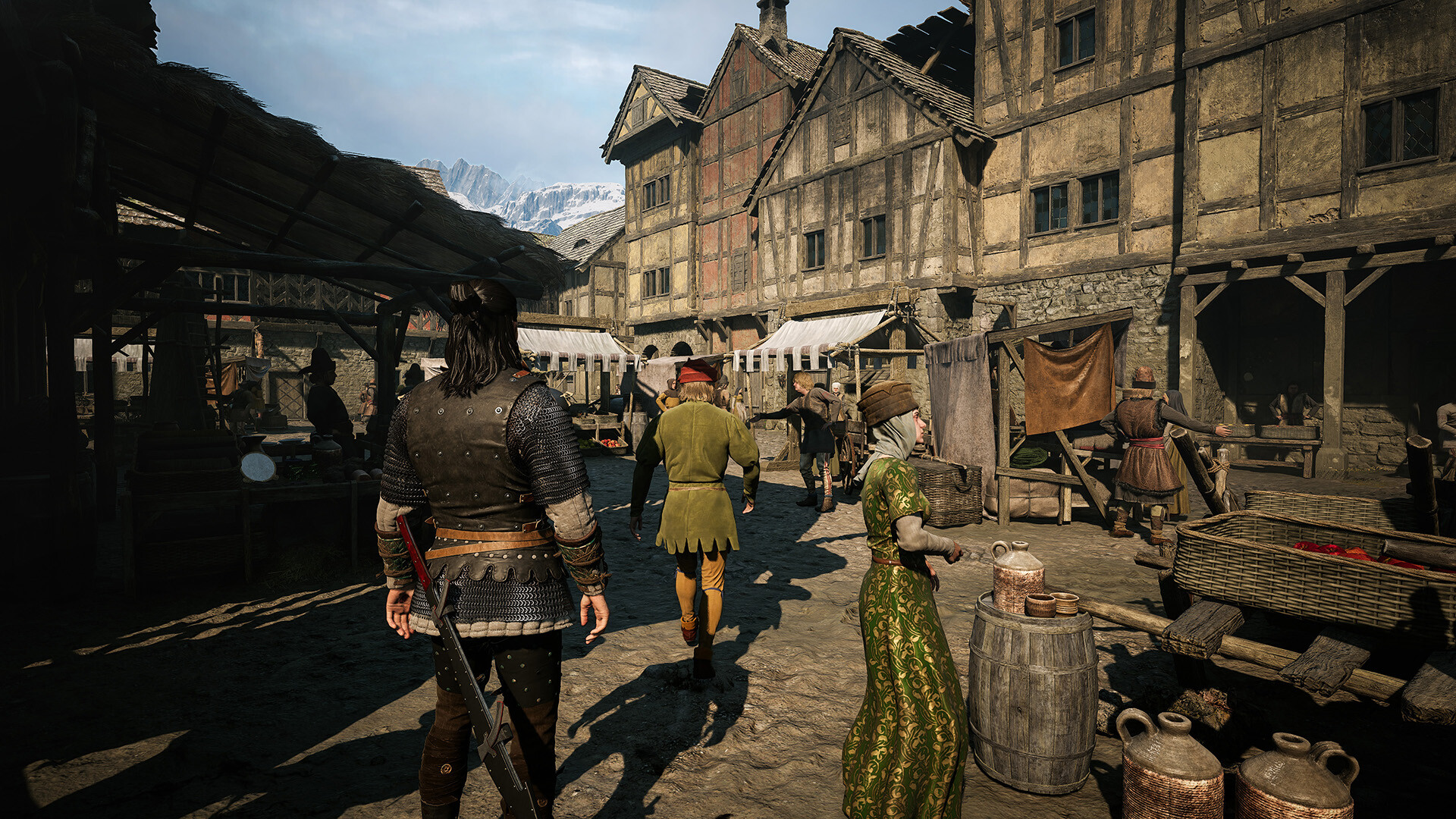
Rebel Wolves has talked about Dawnwalker as a saga from the beginning rather than as a one-off, so a follow-up was always the plan; the news is the timing, not the existence. The word "chapter" is doing some work, though, and it leaves the door open to more than one reading — a direct sequel continuing Coen's story, or a new entry set elsewhere in the same 14th-century Vale Sangora with a different protagonist.
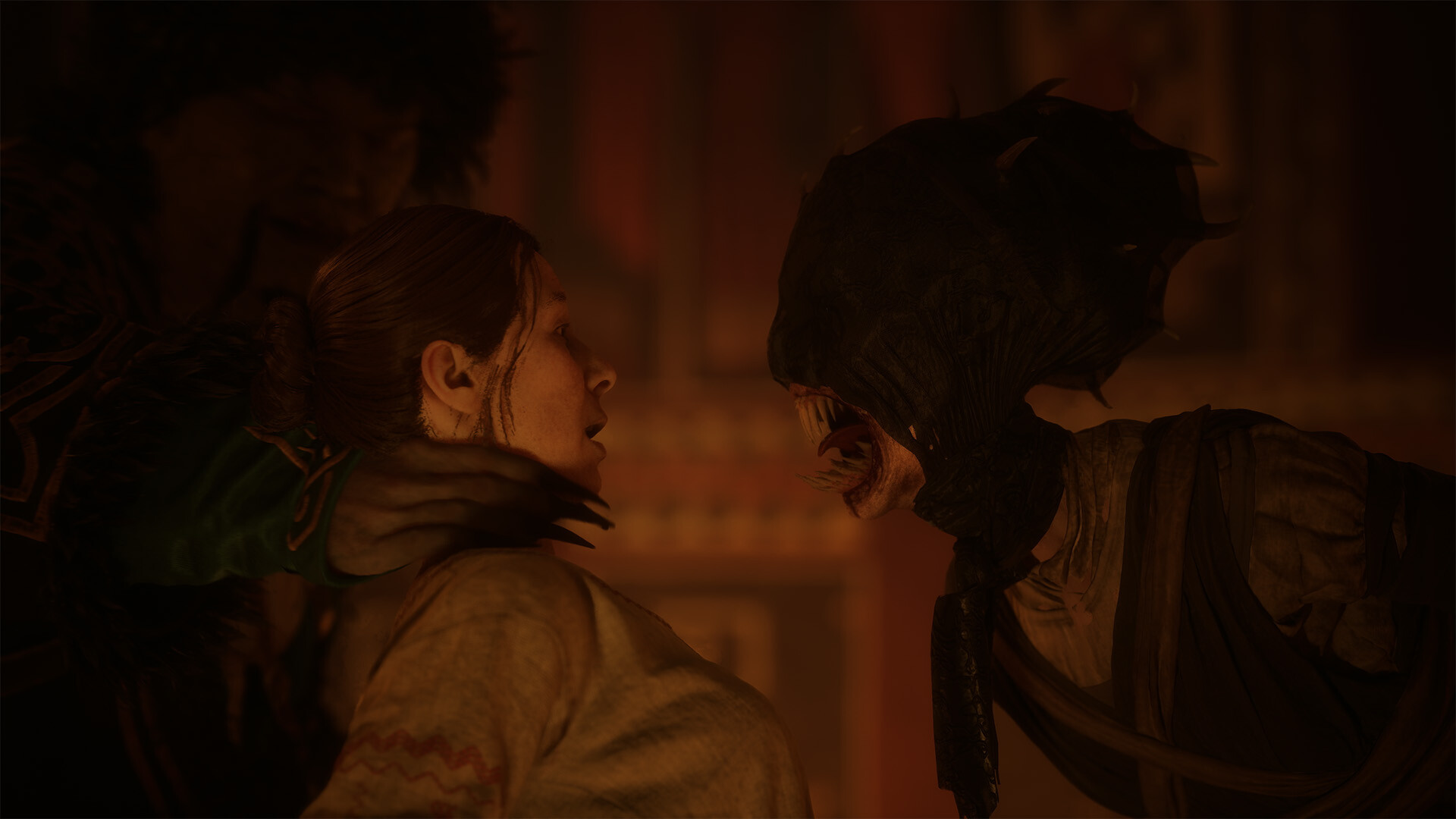
For anyone who has not played it: the first game casts you as Coen, a young man caught between human and vampire, hunting for a way to save his family in a valley that has fallen under vampiric rule. Its structural gimmick is a hard time limit — roughly 30 in-game nights — combined with a deliberate rejection of the traditional quest-log structure. Problems have multiple solutions, some of them mutually exclusive, and the clock is always running. It is the sort of design that produces very different playthroughs, and very different opinions.
Whatever form the next chapter takes, it is early enough that nobody outside Rebel Wolves should expect to see it for years. What we know today is narrower and more concrete: the studio thinks the first game worked, the sales agree, and it is staffing up to write the second one before the launch-week patches have finished landing.