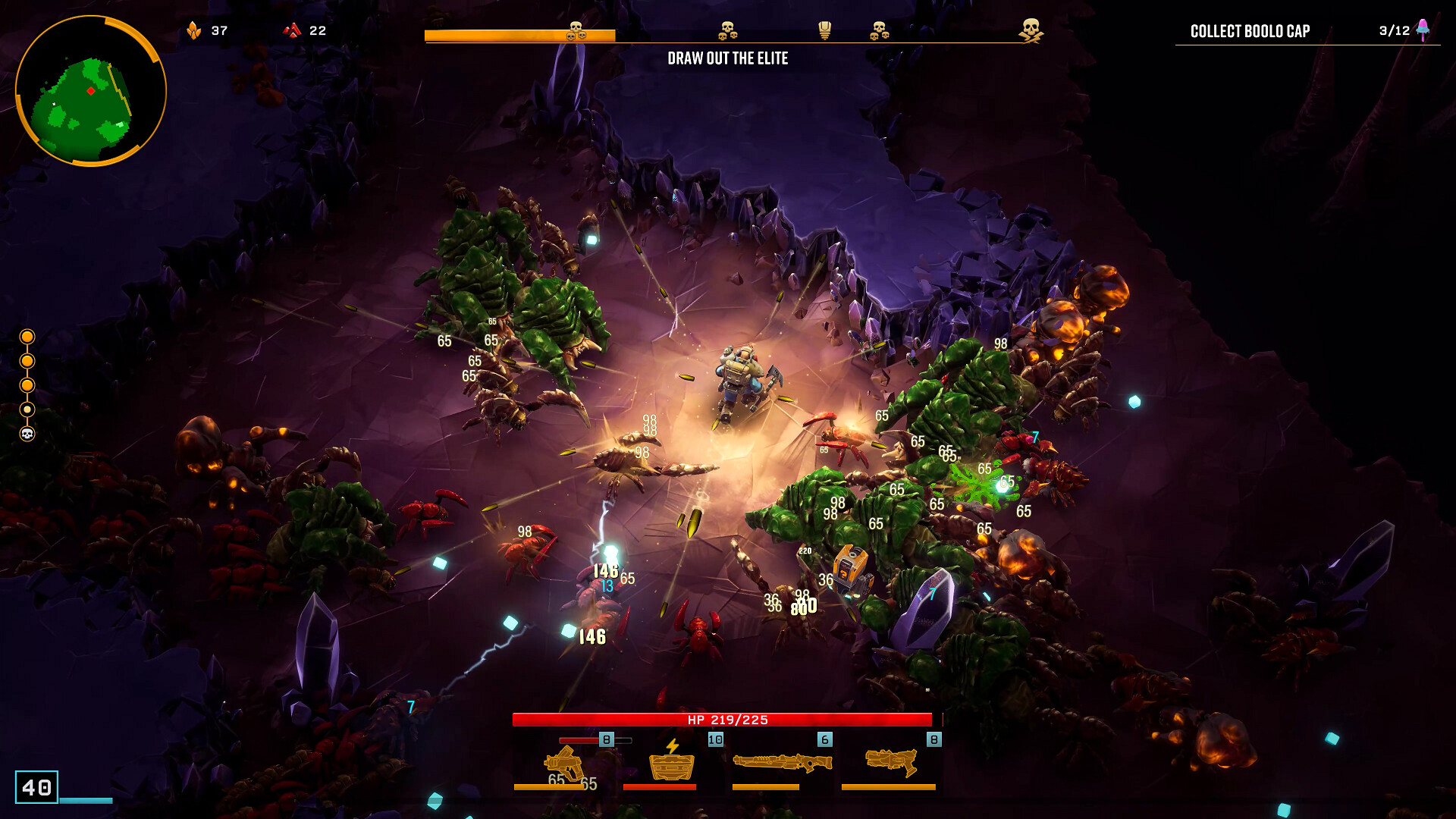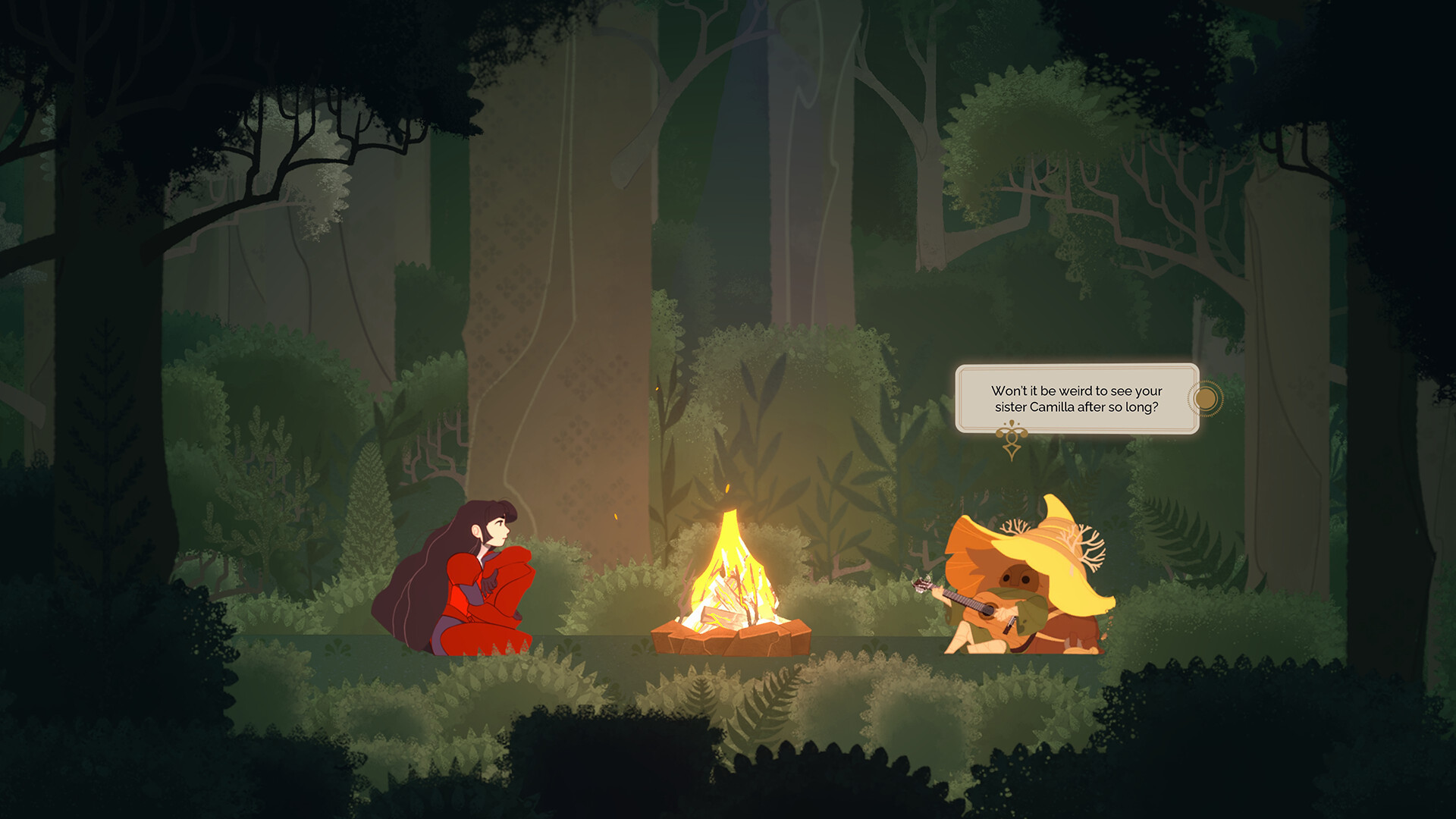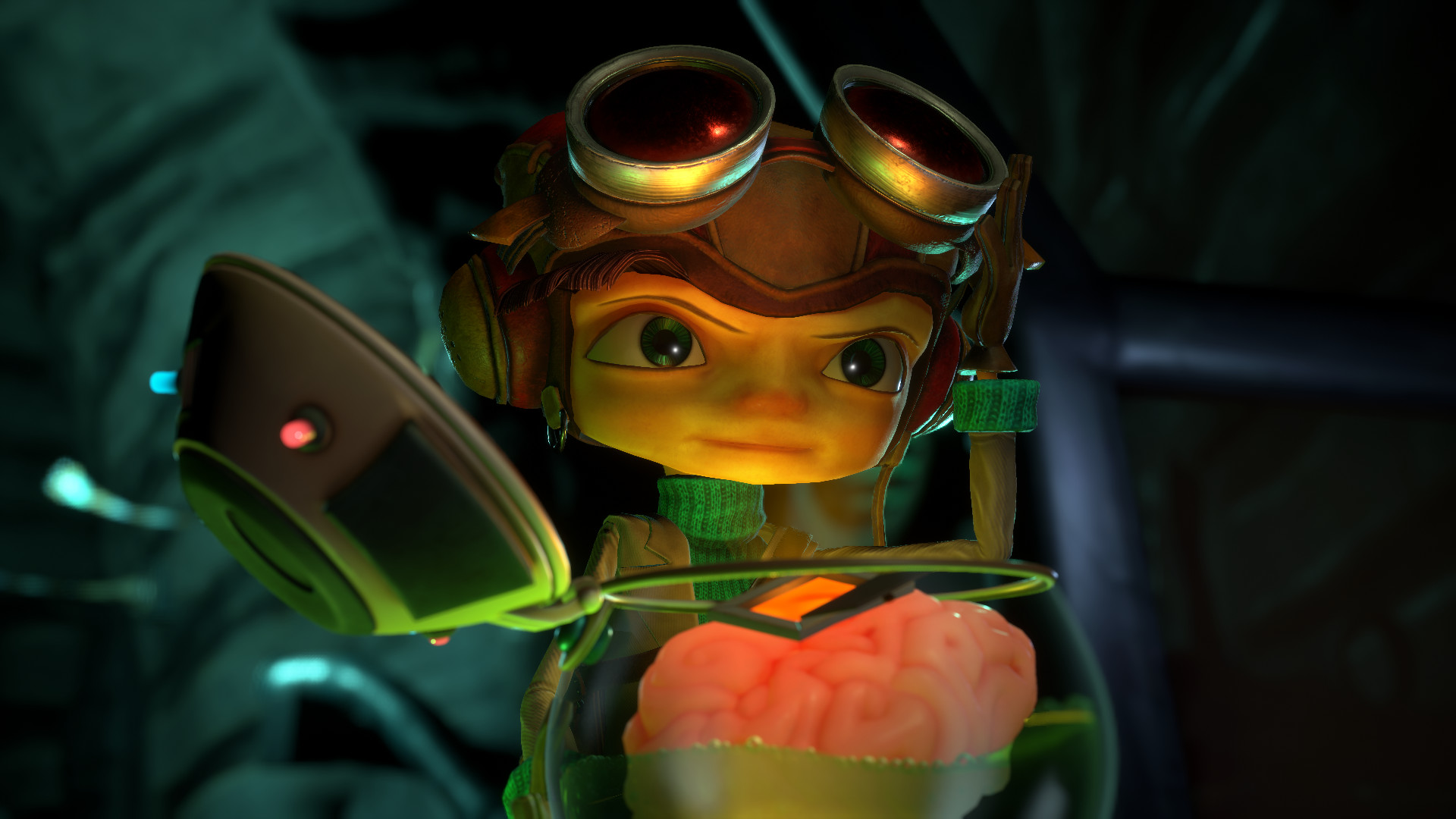
Double Fine spent seven years inside Microsoft. It came out the other side in July, and this weekend it confirmed the part that actually matters: it walked out with everything it made while it was in there.
Studio head Tim Schafer told press that the separation was a clean one. "Everything, we got back, the transfer of the IP came back to us," he said, adding that the studio also holds "the publishing rights back to our games." That covers the work released under Xbox ownership between 2019 and 2026 — Psychonauts 2, the pottery brawler Kiln, Keeper — as well as the older catalogue like Brutal Legend and Costume Quest, plus unreleased projects that never made it out the door.
Studio acquisitions do not usually unwind this way. When a publisher spins a developer back out, the intellectual property tends to stay behind on the balance sheet, and the team leaves with its people and not much else. Double Fine kept the catalogue, which means every copy of Psychonauts 2 sold from here on funds Double Fine rather than a line item in Redmond.
Buying the old games is now the direct way to fund the studio
Schafer was unusually blunt about the commercial reality: "buying any of our games helps support the studio." That is not marketing filler for a newly independent team of this size. Publisher-owned developers are funded by milestone payments; independent ones are funded by whatever is in the bank plus whatever the back catalogue earns this month.
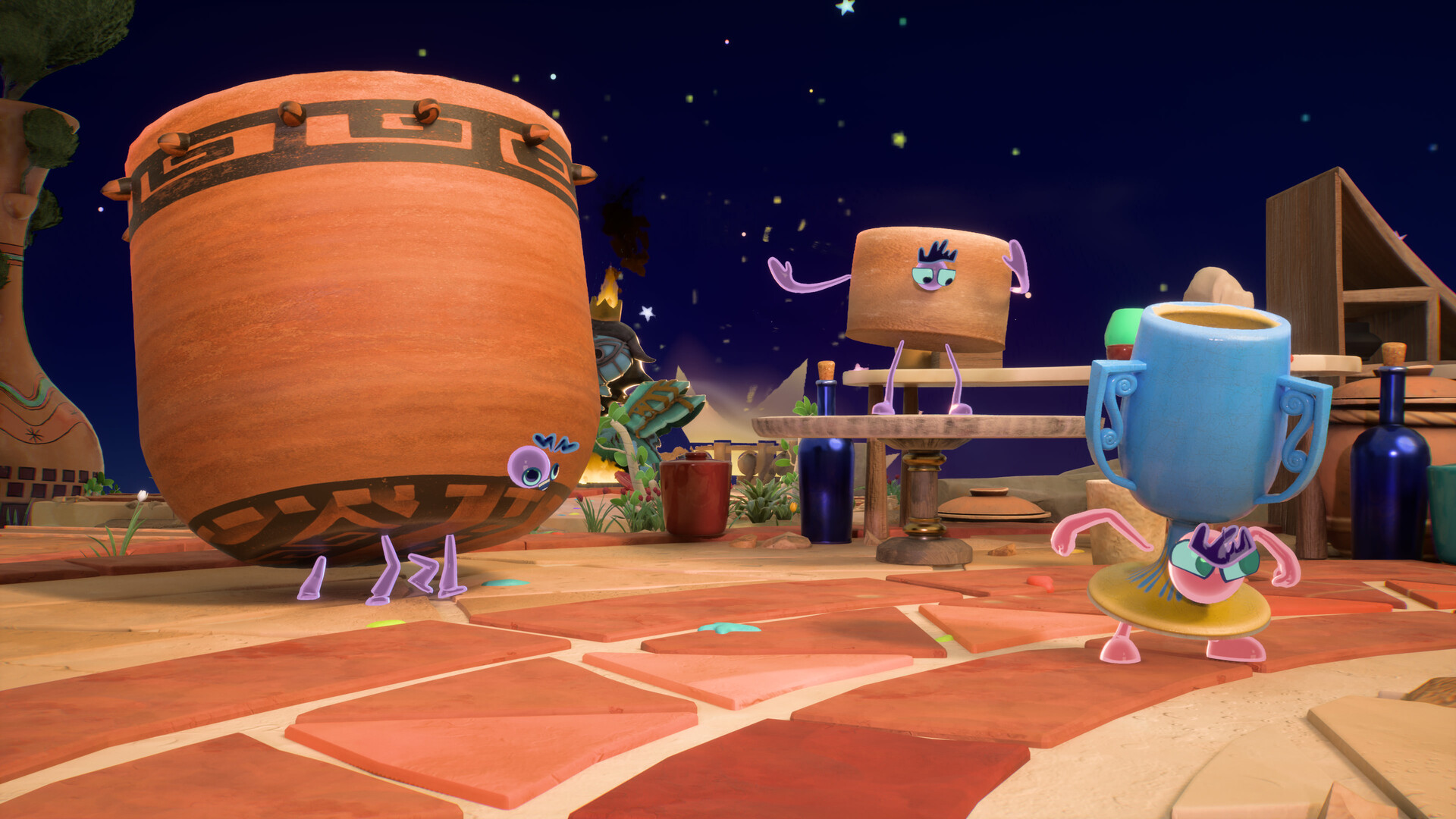
Some Microsoft branding is still sitting on store pages while the paperwork clears, so a splash screen you see today may not reflect who actually gets paid. Kiln is getting a permanent price cut, and a major update with new maps and modes is due within the week — a sensible pairing, since a cheaper price alongside fresh content is the closest thing a small studio has to a re-launch.
Amnesia Fortnight is back, and this time the audience picks the winner
The bigger announcement is that Amnesia Fortnight returns on August 31, 2026. This is Double Fine's own institution: the team downs tools on its main projects, everyone pitches a game, and a two-week jam turns the shortlist into playable prototypes. It ran periodically through the 2010s and then stopped after the 2019 acquisition.
"Being independent again, we can go back to do a lot of things we were doing before... like crazy game jams, like our Amnesia Fortnight," Schafer said.
The structure this year is a Kickstarter. Backers get a vote on which pitches advance, four of them get built as prototypes, and then there is a second vote on which single prototype gets the extra polish needed to ship as a real — deliberately small — game. "Everyone at Double Fine gets to pitch a game. And if you join that, you get to help vote for which one we actually make," Schafer explained.
2 Player Productions, the crew behind the Double Fine Adventure documentary that followed Broken Age from pitch to release, will film the whole thing again. If you have watched that series, you know the appeal is not the finished game so much as the sight of a room full of developers arguing about scope in real time.

What the crowdfunding is actually for
It is worth being precise about the goal here, because "studio returns to Kickstarter" reads more dramatic than it is. Double Fine is not crowdfunding a flagship. It is crowdfunding one small project to buy runway — time and stability while larger, unannounced work continues in the background. A jam-sized game that funds itself is cheap insurance for a team that just lost its guaranteed milestone payments.
There is a neat symmetry to it. Double Fine's independent era began with a Kickstarter in 2012, ended with an acquisition in 2019, and is restarting in 2026 with the same mechanism and a considerably larger back catalogue behind it. The difference is that this time the studio owns all of it.
Amnesia Fortnight 2026 kicks off August 31.