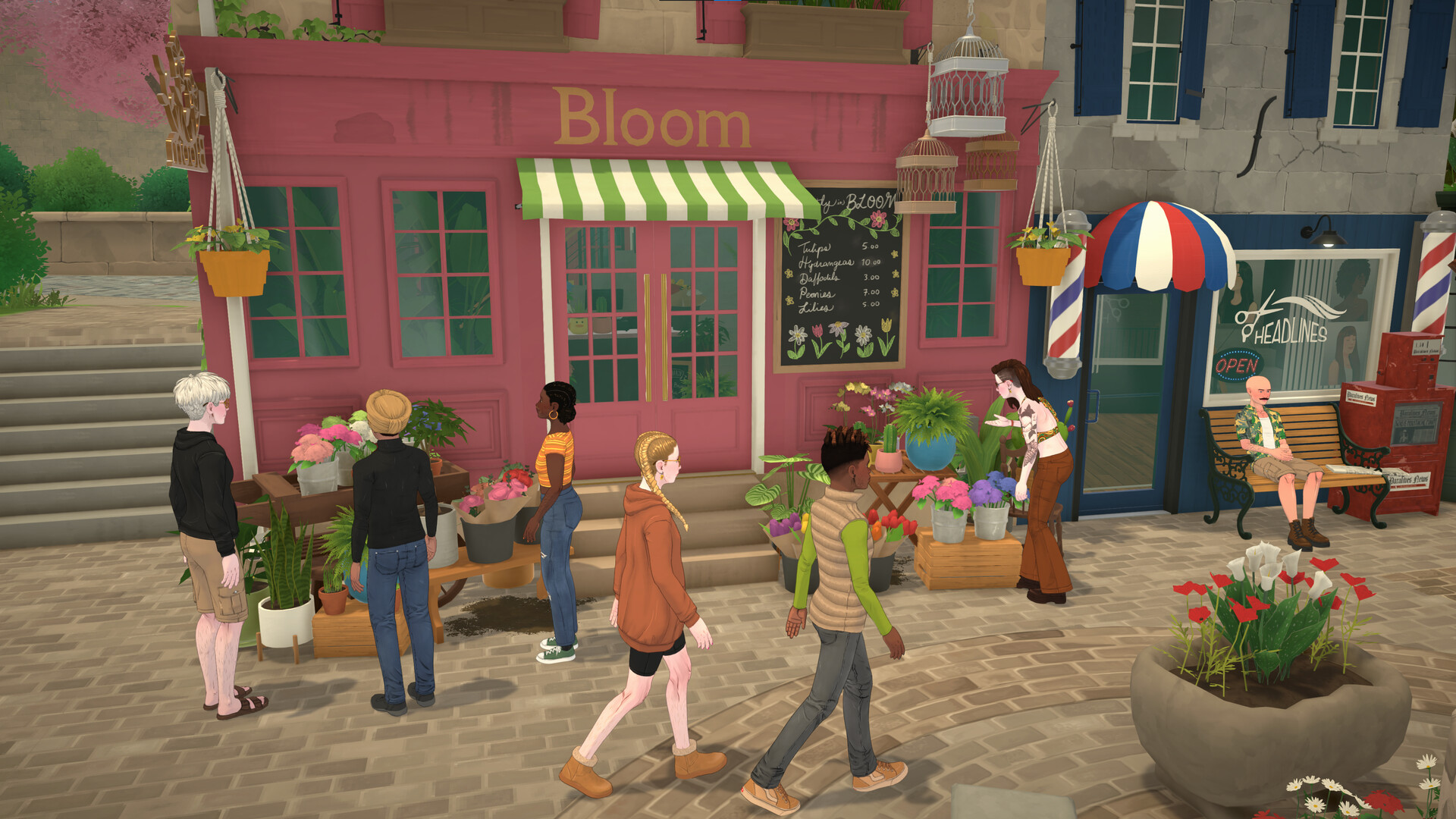
The life simulation genre has been EA’s private sandbox for over two decades, but that monopoly is about to face its biggest challenge yet. Paralives launches into Early Access on Steam on May 25, offering a grid-free, DLC-free alternative to The Sims that’s been entirely community-funded through Patreon and crowdfunding campaigns.
Developed by the small team at Alex Massé’s studio, Paralives has racked up over a million wishlists on Steam — a remarkable number for an indie life sim. The game’s pitch is straightforward: take the genre back to what players actually want, strip away the nickel-and-diming, and build something with genuine creative freedom baked into every system.
Build Without Limits
The headline feature is Paralives’ grid-free build mode. Unlike The Sims, where every wall snaps to a rigid grid, Paralives lets you place walls at any angle, create curved structures, build split-level floors, and resize objects freely. It’s a system that rewards creativity rather than fighting against it, and the community has already produced some jaw-dropping architectural designs during the game’s closed testing phases.
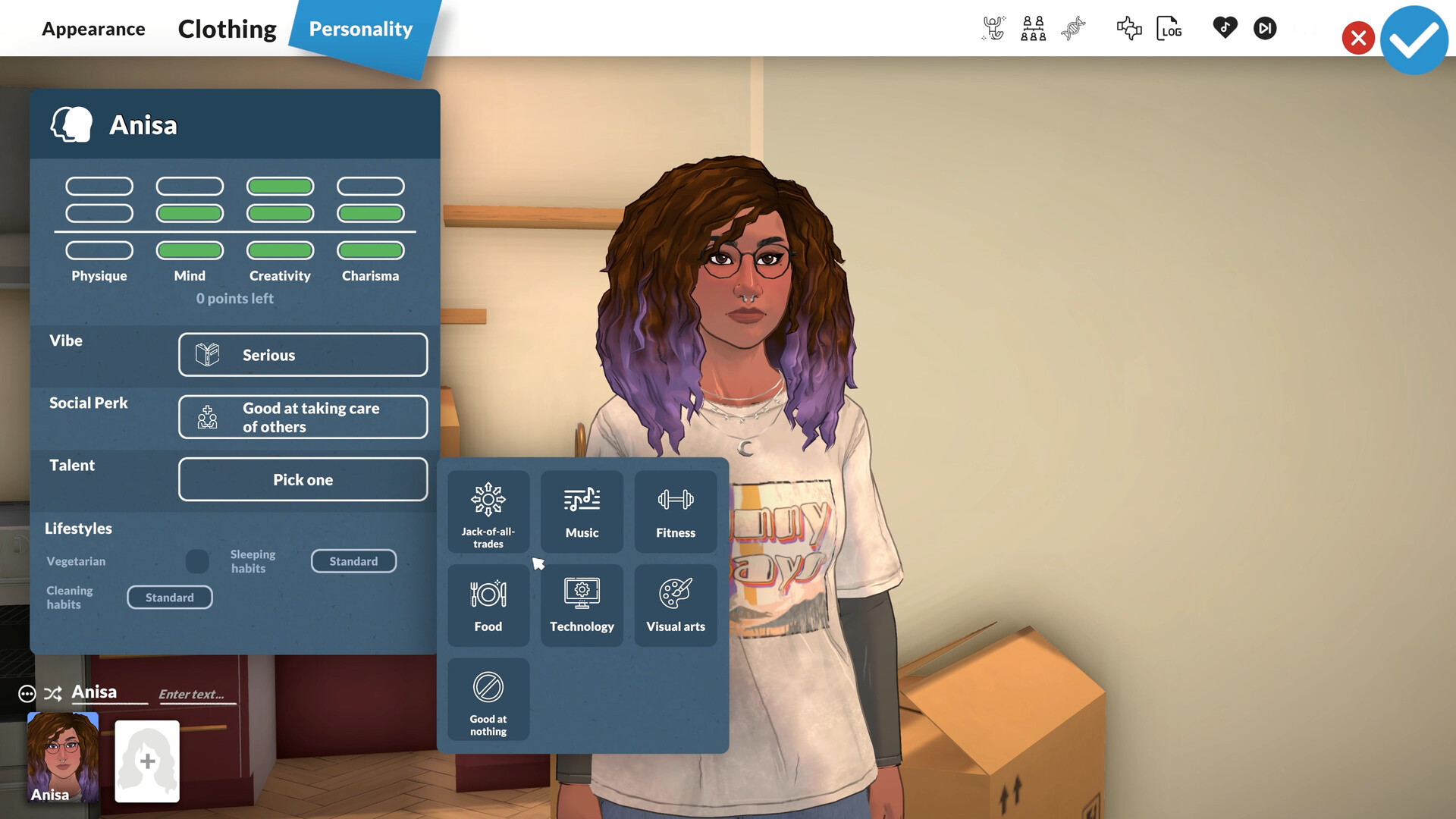
The character creator, called Paramaker, is equally flexible. Characters start from a genderless preset with a neutral body frame, and players use sliders to customize everything from chest and hip proportions to voice pitch. It’s an inclusive approach that also happens to be one of the most granular character editors in any life sim to date.
An Open World Without Loading Screens
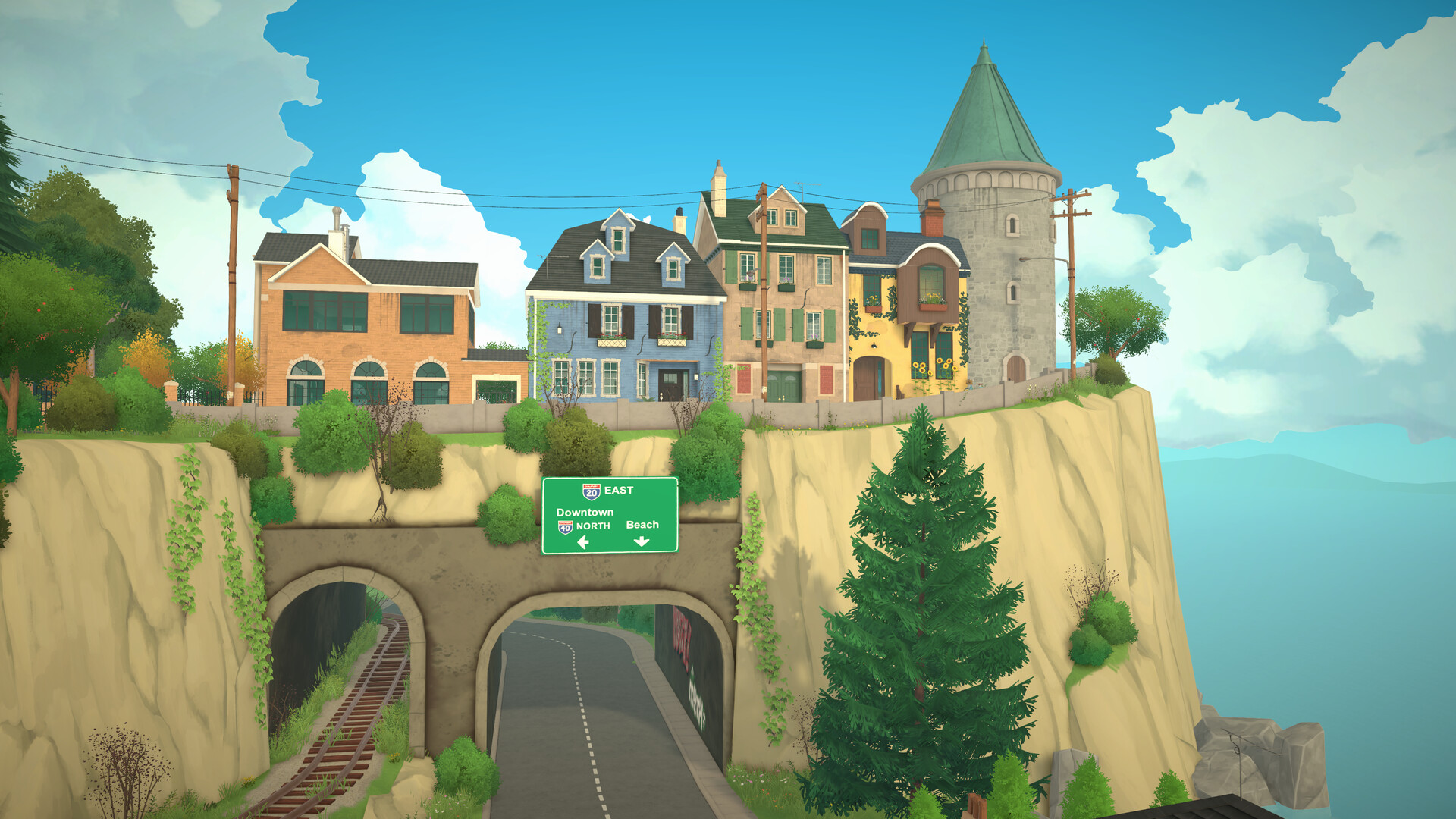
Paralives takes place in a fully open town with no loading screens between lots. You can walk your Parafolk around the neighborhood, visit shops and restaurants, use public transit, and bump into other characters going about their routines. The world is designed to feel alive and connected — something The Sims has always struggled with, especially in its later installments.
No Paid DLC, Ever
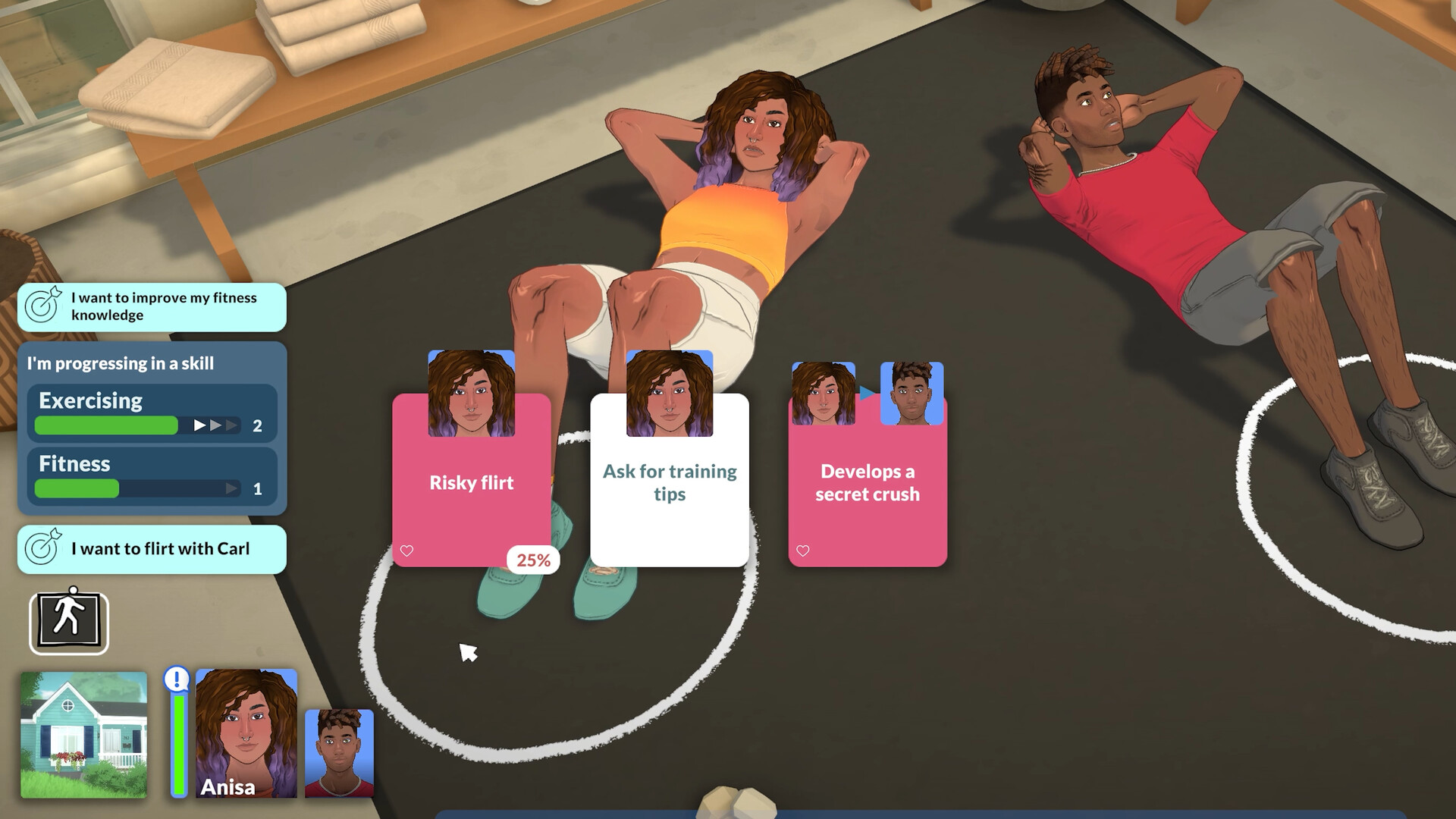
Perhaps the most radical decision: Paralives will never have paid DLC. All updates and expansions will be free, funded through the initial purchase price of around $20-25. It’s a direct response to EA’s Sims 4 model, which has generated billions in expansion pack and kit sales over the past decade. Whether this approach is financially sustainable in the long run remains to be seen, but it’s earned the studio enormous goodwill with a community that’s grown increasingly frustrated with The Sims’ monetization strategy.
The Early Access period is expected to last about two years before the full 1.0 release. If you’ve been waiting for a life sim that puts creative freedom first and respects your wallet, May 25 might finally be the day.