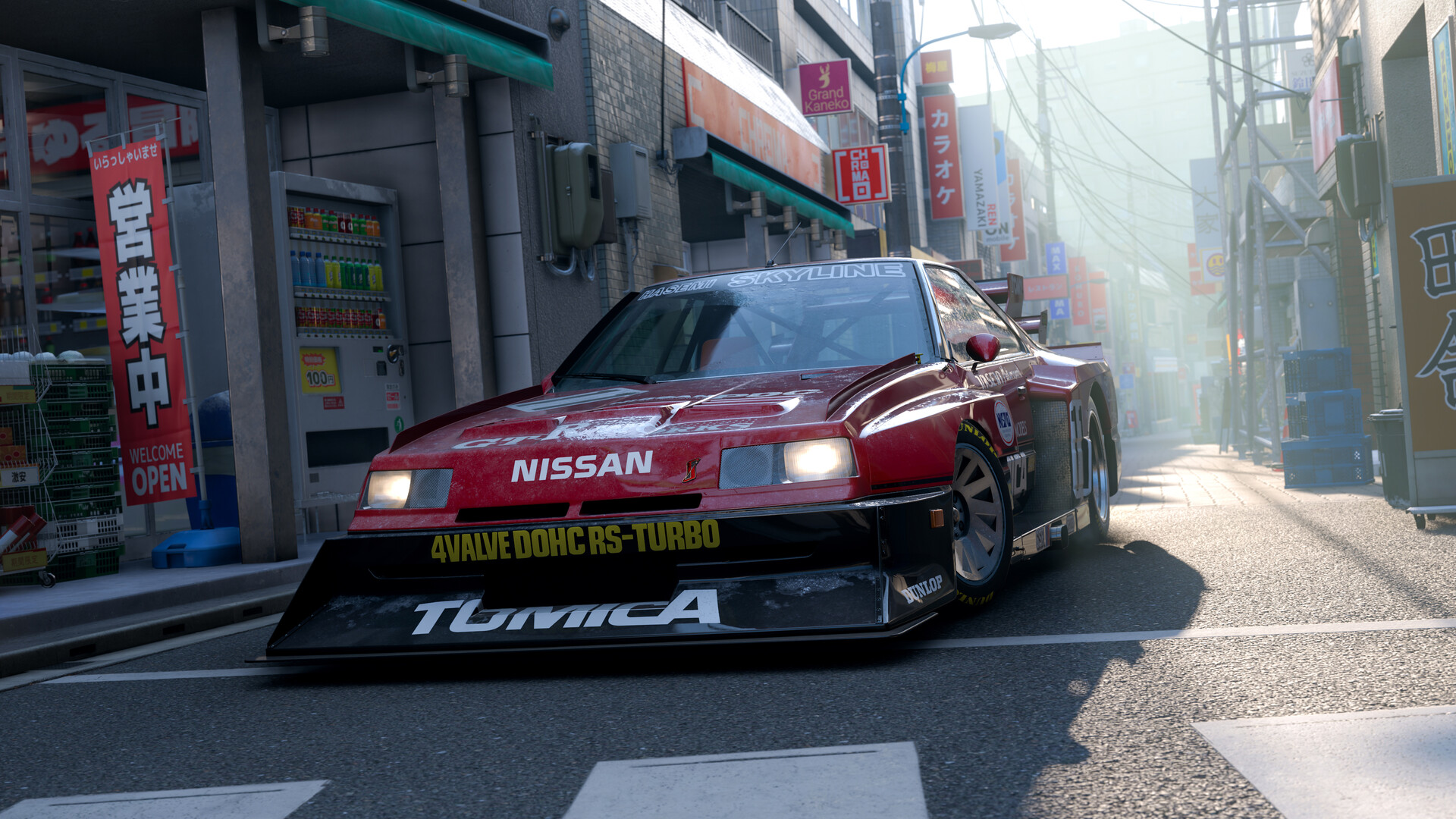
With seventeen days separating us from Forza Horizon 6's May 19 launch — May 15 if you've sprung for the Premium Edition's early access — Playground Games has dropped what feels like the last big marketing beat before release: a full Tokyo City biome showcase that doubles as the studio's strongest pitch yet for why Japan was worth the wait.
The pitch, if you've been following the long road from the original 2025 Tokyo Game Show teaser, hasn't changed much. Japan is the densest, most vertical, most visually loaded map the series has ever attempted. What has changed is that we now have actual gameplay to back the rhetoric up — including a 35-minute deep-dive that landed on Xbox Wire last month and the Tokyo City showcase trailer that quietly went up on the Forza channel two weeks back.
Tokyo, but not just Tokyo
The headline number is still 550 cars, which would be a series record on its own, but the more interesting headline is what Playground has done with the map. Forza Horizon games have always been built around "the wedge" — a guiding-arrow design philosophy where you can mostly drive forward across an open expanse and be rewarded for it. Japan breaks that pattern. The map is roughly the same surface area as Mexico, but Playground's design lead Mike Brown has confirmed it has "significantly more" usable driving surface thanks to vertical layering: elevated expressways, underground tunnels, multi-tier parking structures, and the now-famous Snowy Alps section that climbs above the cloud layer.
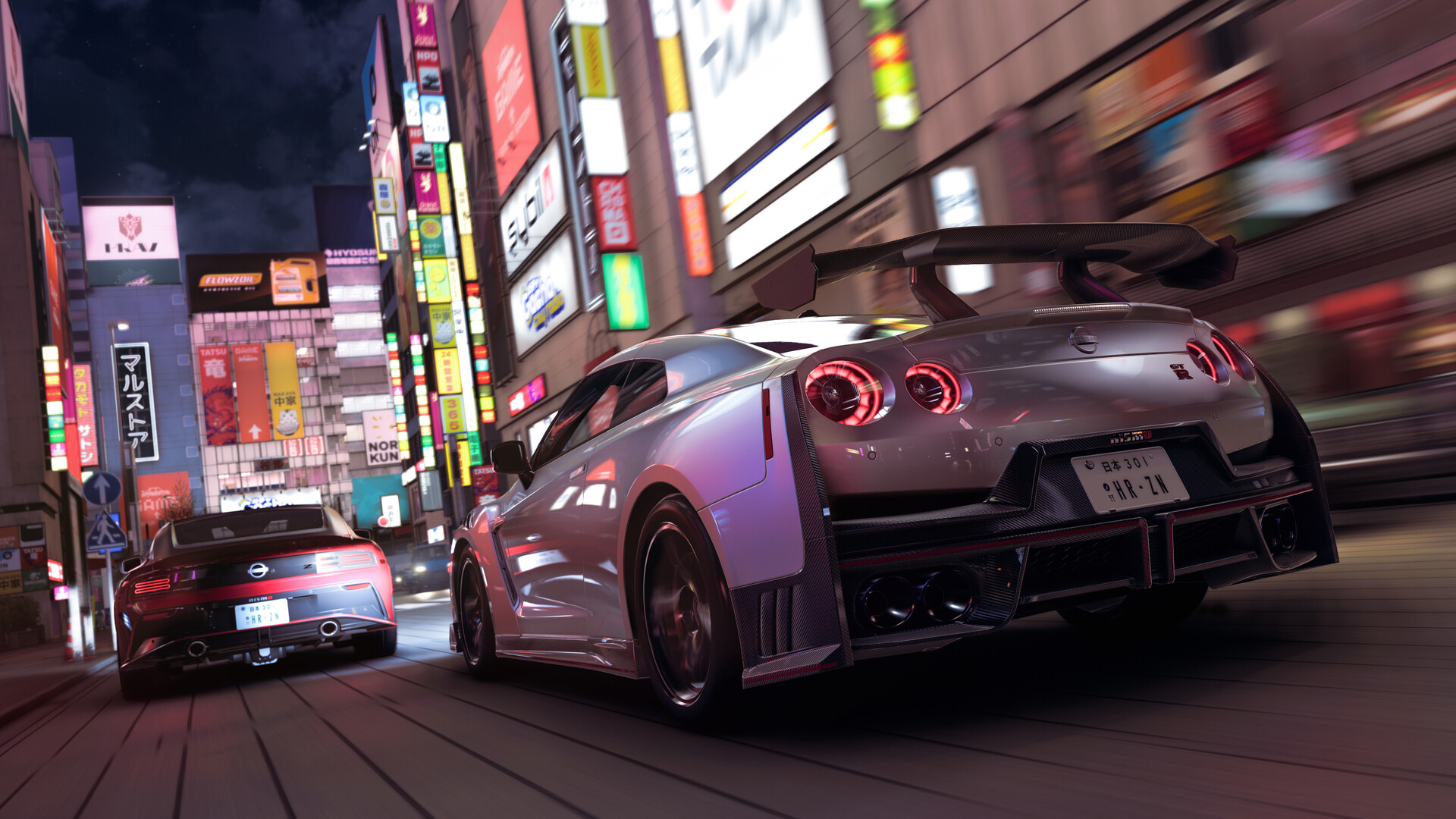
The biome breakdown, as currently confirmed, runs roughly: Tokyo City (the largest urban environment in any Forza Horizon ever), the surrounding suburbs and docklands, agricultural lowlands stretching out toward the south coast, mountainous touge passes inspired by classic JDM drift culture, and the Snowy Alps in the north. Each transitions seamlessly — you can drive from neon-lit Shibuya to a snow-capped pass in roughly fifteen minutes of real-world driving, no loading screens, no fast-travel cheating.
What's actually new under the hood
The 35-minute Xbox Series X gameplay reveal earlier in April was, for once, the kind of preview that actually showed substance instead of cinematic cuts. A few things stood out and have since been confirmed by Playground in interviews:
Steering animation overhaul. The wheel now rotates up to 540 degrees in the cockpit view to match how a driver actually steers a car. It's a small thing that immediately reads as "oh, that's why everyone keeps saying it feels different." Combined with a new tire flex/squat model, the in-cockpit experience is being pitched as the closest the Horizon series has come to feeling like Forza Motorsport without sacrificing the pick-up-and-drive accessibility.
The Bracelet progression system. Replacing the old Wheelspin-heavy reward economy is something Playground is calling the "Bracelet," which sounds twee but in practice is a much cleaner three-track progression spine: one track for cars and customization, one for events and seasons, one for collectibles and exploration. Wheelspins still exist; they're just not the only path to anything important anymore.
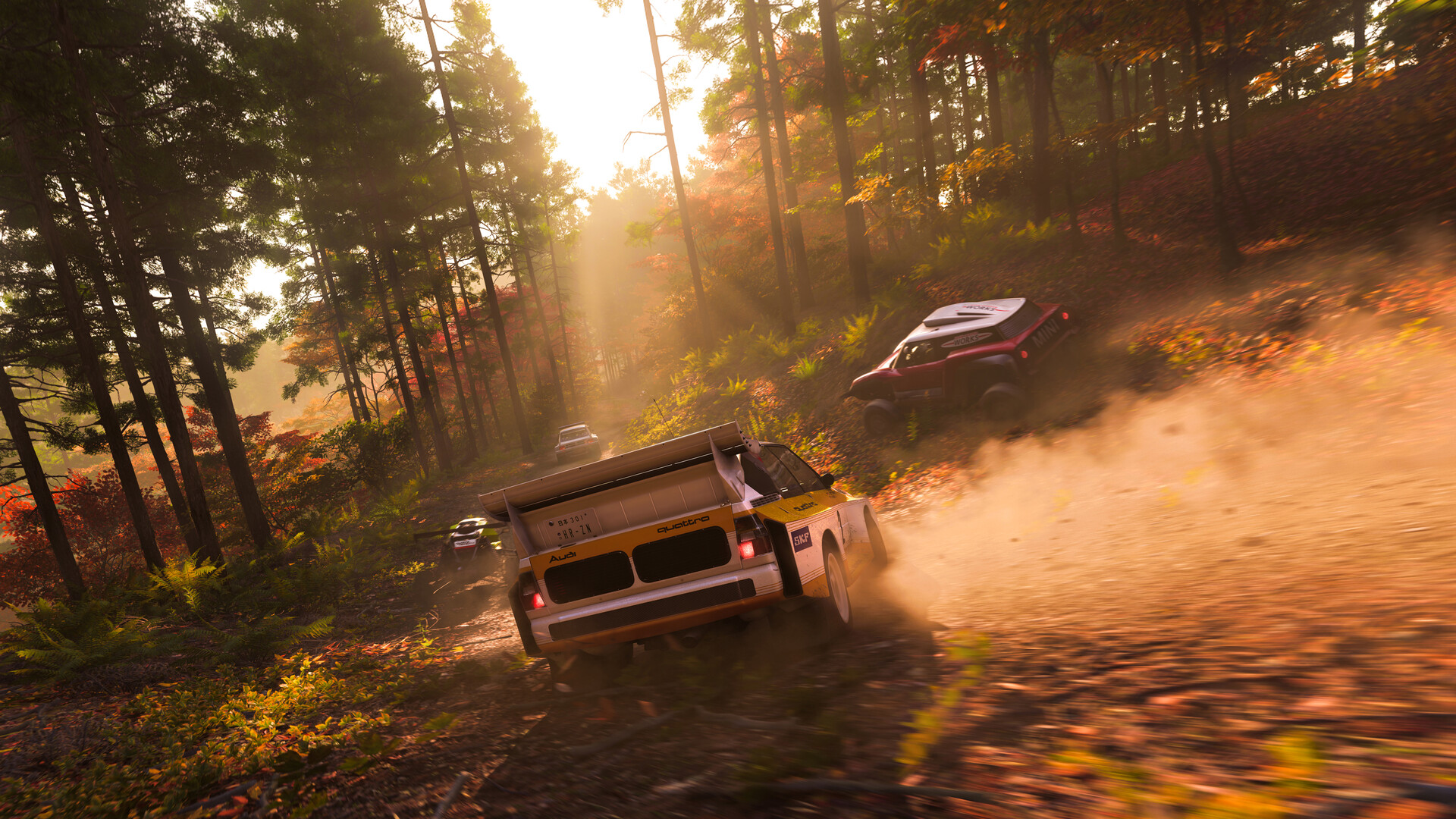
Seamless races. This one might be the biggest UX shift in the series since Horizon 4 introduced seasons. Race events no longer require a loading screen between the open world and the start grid — you drive into the ribbon, the race begins around you, your friends drop in mid-event, and when you cross the finish line you continue driving. It's a small thing for solo players but a huge thing for the convoy/co-op crowd that's defined Horizon's late-life retention.
Dynamic traffic AI. Tokyo's density forced Playground to rebuild its traffic system from scratch. Civilian cars now react to your speed and trajectory, taxis pull over for fares, delivery scooters weave through gaps, and the whole thing is networked across the shared 32-player server in a way Horizon 5 simply couldn't manage on its older base.
Cars, classes, and JDM culture
The 550-car launch roster has been partially revealed across the marketing campaign, and as you'd expect from a Japan-set Horizon, it skews heavily toward JDM heritage. The classics are all there: the R32 to R35 Skyline lineage, the various Supra generations including the new GR, the RX-7 FD, the NSX in both old and new flavors, the Lancer Evolution and Impreza WRX rivalry, plus a deep selection of kei cars and tuner-scene icons that have never been in the series before.
The non-Japanese contingent is still substantial — Playground hasn't pulled the European hyper-cars or American muscle out — but the marketing is making clear that Japan is the spiritual home for this entry, and the launch DLC roadmap is reportedly going to lean into manga and anime tie-ins in a way past Horizons haven't.
The PS5 situation
Worth noting because it keeps coming up: Forza Horizon 6 launches on Xbox Series X|S, PC, and day-one Game Pass on May 19. The PS5 version is still officially "coming soon after launch" with no specific window, though most industry watchers are expecting late summer or early fall. With the recent reporting around Xbox's reevaluation of its multiplatform strategy after Forza Horizon 5's outsized PS5 success, there's a non-zero chance the FH6 PS5 window gets pushed further out than originally planned — but no concrete change has been announced as of this writing.
The early access calendar
For anyone planning their May around this:
- May 15 — Premium Edition early access opens on Xbox Series X|S and PC.
- May 19 — Standard launch on Xbox Series X|S, PC, Steam, and day-one on Game Pass Ultimate.
- Late summer 2026 (TBC) — PS5 version.
If FH5's launch is any guide, expect the first Festival Playlist series to drop alongside launch and the first major content update — likely a new biome expansion or seasonal event — to land roughly four weeks in. Playground has been quiet about the post-launch roadmap so far, which probably means they have one and are saving it for a closer-to-launch beat.