Microsoft's quarter-old Q3 FY26 results have been picked apart all week, and the more analysts dig into the multiplatform numbers, the louder one question gets: is Xbox's grand experiment of shipping its biggest games on PlayStation 5 actually working — or is it just one game working, hard, while the rest of the catalog quietly disappoints?
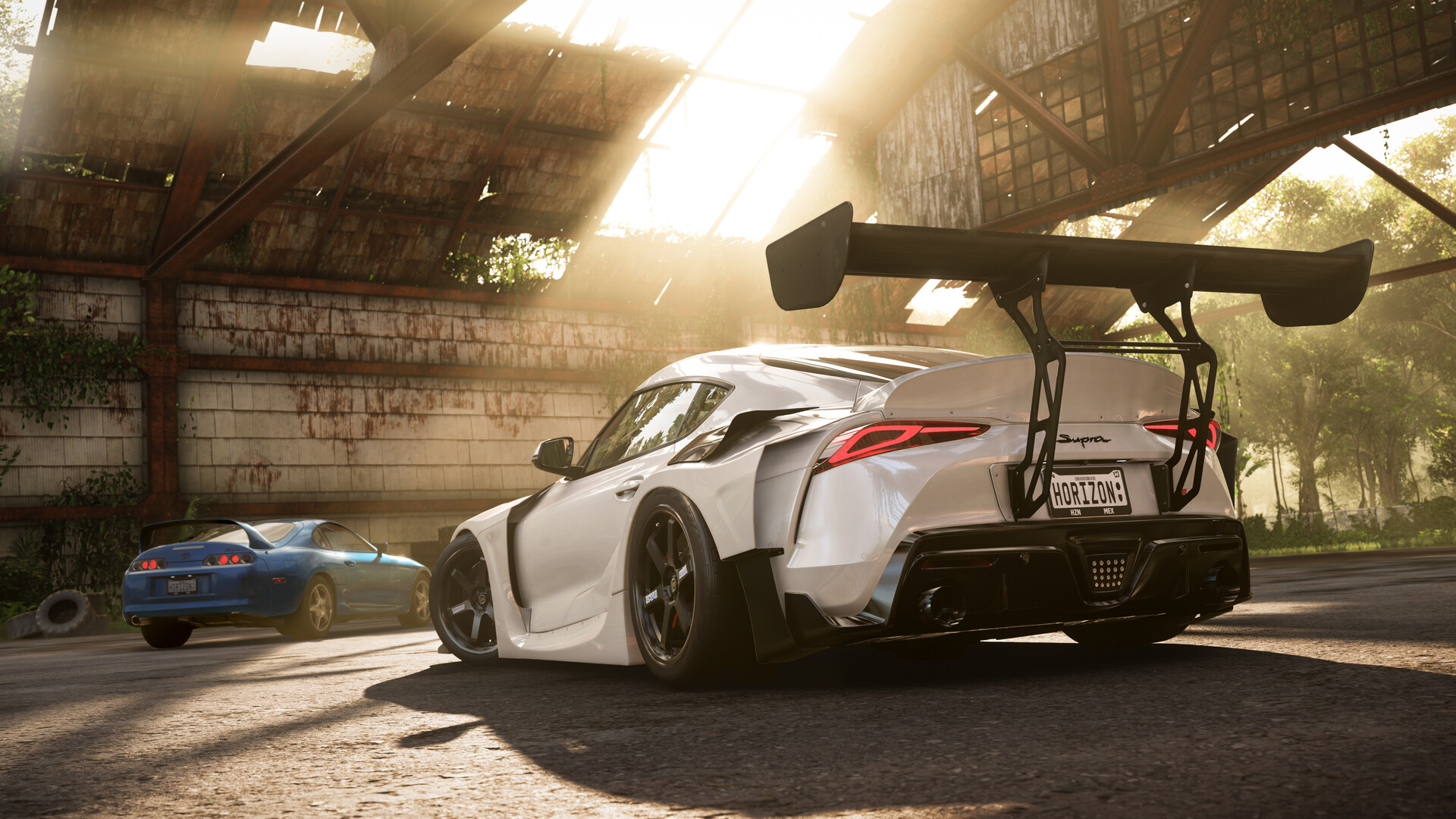
The answer, based on the latest sales estimates from Alinea Analytics and corroborating data being passed around the industry, is uncomfortable for Redmond. Forza Horizon 5 is a runaway hit on Sony's machine, generating roughly $300 million in revenue and somewhere north of 5 million additional copies sold since its April 2025 PS5 launch. By any reasonable measure, that one port has been a printing press. The trouble is that almost nothing else Microsoft has shipped to PlayStation has come close.
The Forza-shaped hole in the strategy
Sea of Thieves, the second-best Xbox port on PS5, is estimated at around 1.8 million copies — respectable for an eight-year-old live-service title getting a second wind, but a fraction of Forza's haul. Below those two, the picture turns murky fast. Hi-Fi Rush, Pentiment, and Grounded all reportedly settled into modest five- and low-six-figure numbers on PS5. Indiana Jones and the Great Circle's PlayStation arrival, hyped as a system-seller-in-reverse, came and went without troubling sales charts in the way Microsoft would have wanted. And Starfield's eventual port — long rumored, repeatedly denied, finally confirmed for later this year — is now landing into a market where the ground has shifted under it.

Combined, Alinea's running tally puts Microsoft's total PS5 take at roughly $660 million — a number that sounds enormous in isolation. Then you put it next to the Q3 FY26 earnings release, where Xbox hardware revenue cratered 33% year-over-year for the second straight quarter, and the math starts to look very different. The PlayStation revenue is being used to plug a hole that is widening faster than the patch is growing.
What Asha Sharma actually said — and didn't say
In her first earnings call as Xbox's new CEO, Asha Sharma chose her words carefully but didn't try to spin the numbers. "Player and revenue growth has not yet met our ambition," she told analysts, before pivoting to a phrase Microsoft watchers have been turning over ever since: the company is "recommitting to our core fans."
That language is doing an enormous amount of work. It's the kind of phrase a publicly traded company uses when it wants to signal a strategic pivot without committing to one in writing. And in the Xbox context, in 2026, "core fans" means one thing above all others: people who buy Xbox hardware. The same hardware whose sales just fell off a cliff in two consecutive quarters.
Project Helix and the timing problem
The strategic awkwardness is that all of this is happening twelve days before Microsoft is supposed to take the wraps off its next-generation console. The May 7 "Project Helix" reveal was originally framed as a coming-out party for Xbox's hybrid hardware push — a streaming-first, AI-augmented box positioned to compete in a world where the platform-agnostic player is the default consumer.
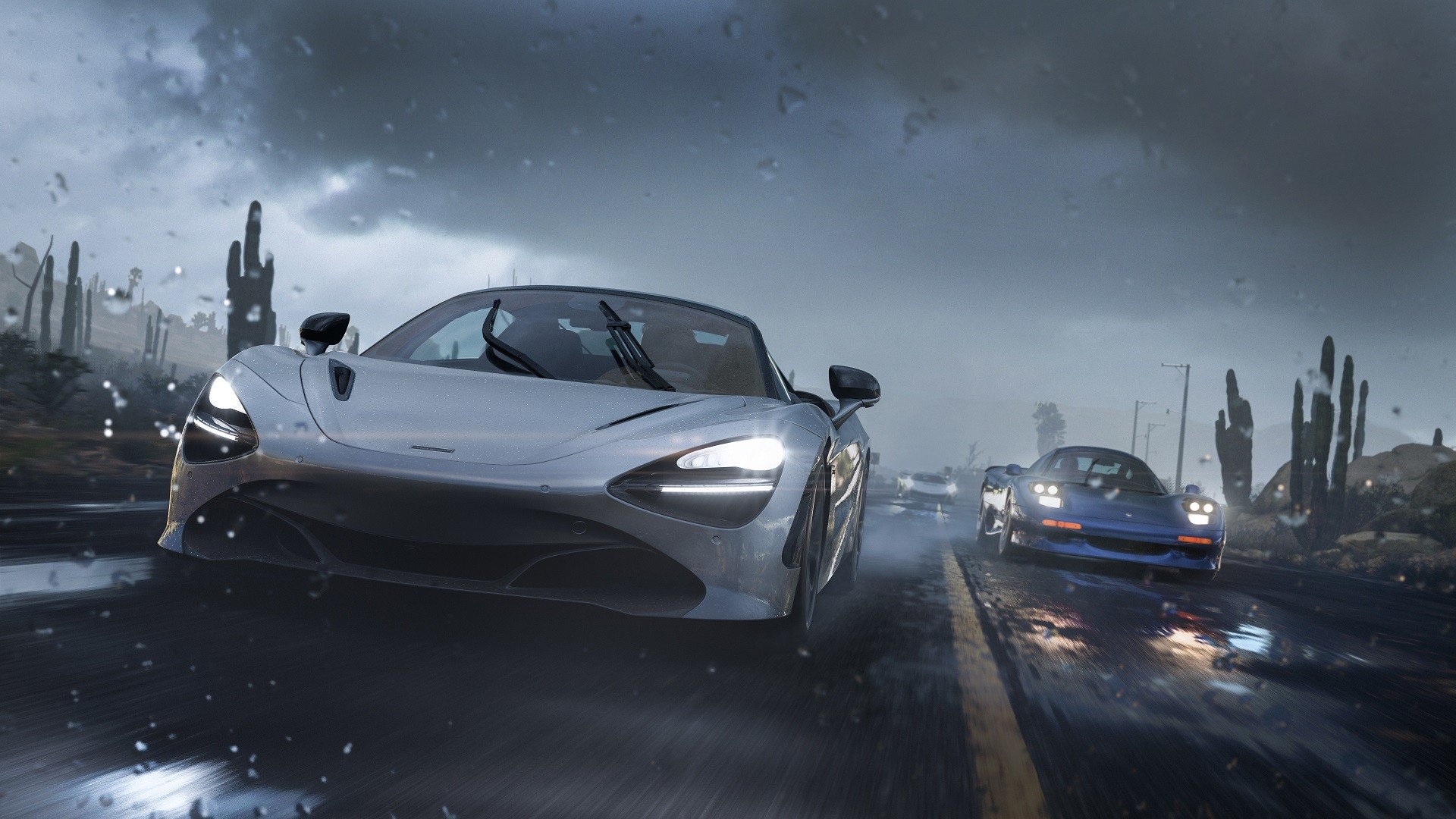
That positioning made sense when the multiplatform push was working everywhere. It makes considerably less sense when the data shows that Microsoft is, in effect, a one-game publisher on PlayStation. If Forza is the only consistent earner outside the Xbox ecosystem, why hand Sony future hits like Forza Horizon 6 (which lands on PS5 a few months after its May 19 Xbox/PC launch) and 007 First Light, when those same games could be the load-bearing exclusives for a new console launch?
The case for pulling back
The argument from inside Microsoft, according to multiple industry sources speaking to outlets like Windows Central and Pure Xbox over the past three weeks, is that exclusivity is being "actively reevaluated." Not abandoned multiplatform — nobody is going to claw back Forza or Sea of Thieves from Sony's storefront — but a return to platform exclusives for a window of time on the highest-profile launches.
The financial logic isn't hard to follow. Forza Horizon 5 sold roughly 5 million copies on PS5 over twelve months. A dedicated Xbox console with Forza Horizon 6 as a six- or twelve-month exclusive could plausibly move 2-3 million units of hardware on its own — at margins Microsoft never sees from the PlayStation port. The hardware-attached ecosystem revenue (Game Pass, accessories, online services, future title sales) is where Xbox's economics actually live, and that's exactly the part that 33% hardware declines are hollowing out.
The case against
The counter-argument, which has plenty of internal advocates, is that the genie is out of the bottle. Microsoft has spent two years training PlayStation owners to expect Xbox-published games to eventually reach their console. Yanking that promise back for the Project Helix launch generation would burn a lot of goodwill in exchange for hardware sales that the broader market trends suggest may not materialize anyway. The console market is shrinking. Convincing players to buy a third box in 2026 is a steeper hill than convincing them to buy a fourth game on the box they already own.
There's also the awkward fact that Forza Horizon 5's PS5 success may not be a template at all — it may be the exception that proves nothing else works. Forza is a gateway franchise: easy to pick up, visually spectacular, and historically the Xbox game most often cited by PlayStation owners as the one they'd buy a second console for. Of course it sold 5 million copies. The harder question is whether anything else in Microsoft's catalog has that same crossover gravity.
What May 7 actually has to deliver
If Project Helix shows up next Thursday with a slate of headline titles that are clearly going to PlayStation regardless, the message will be that nothing has changed and the multiplatform-first strategy continues. If it shows up with one or two genuine exclusives — even timed-window ones — the message will be that Sharma's first 90 days have already produced a course correction.
Either way, the FY26 Q3 numbers have done something Microsoft probably wasn't planning for: they've turned what was supposed to be a hardware reveal into a referendum on the entire Xbox business model. Forza alone can't carry that much weight. The question is whether Microsoft believes anything else can.