Nioh 3's first paid expansion is live today. Hell Rising DLC Vol. 1 arrived on August 19 for PlayStation 5 and PC via Steam, and it does the thing the Nioh series has always done best with its post-launch content: it picks a specific, slightly obscure moment in Japanese history and then sets it on fire.
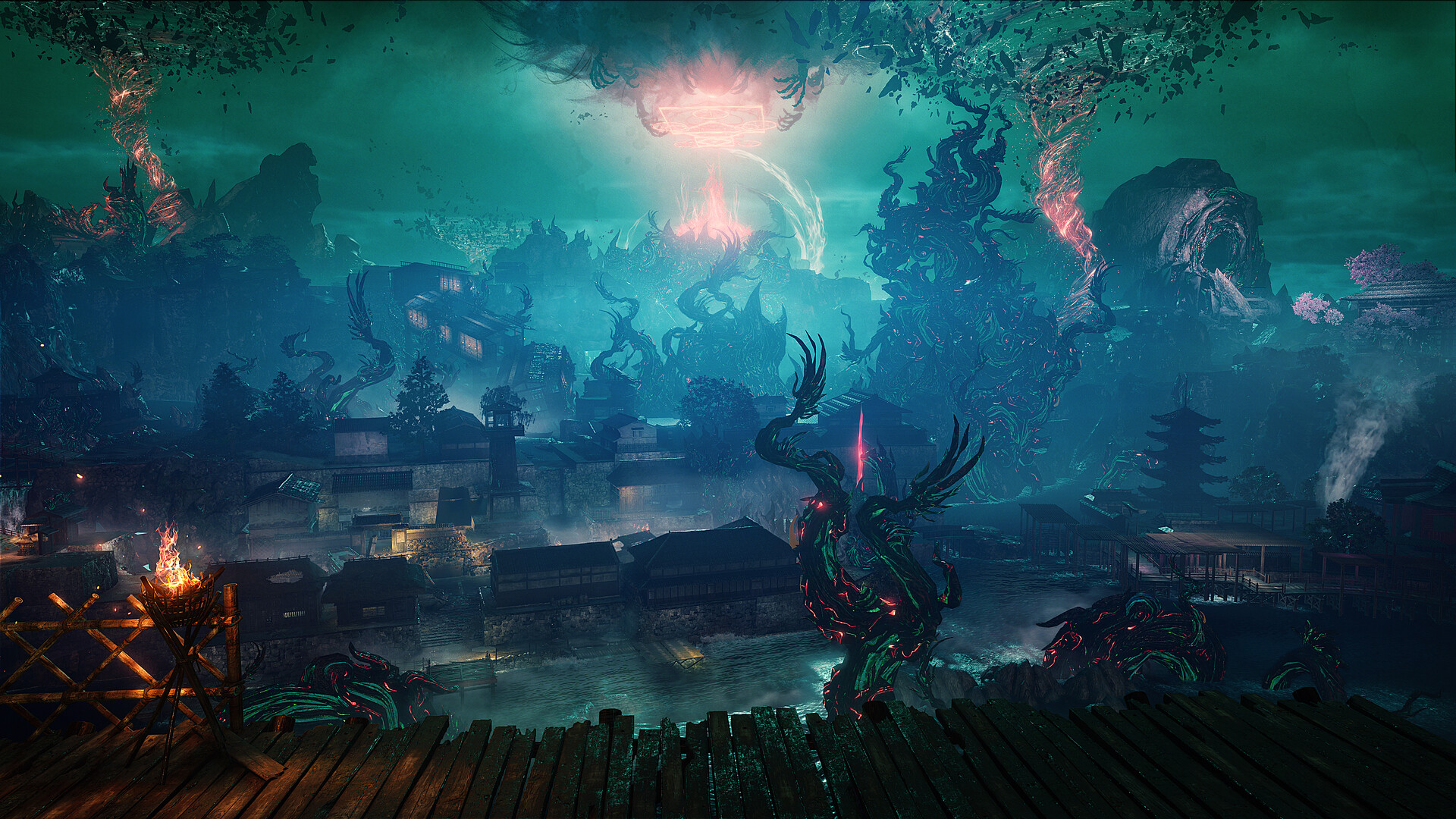
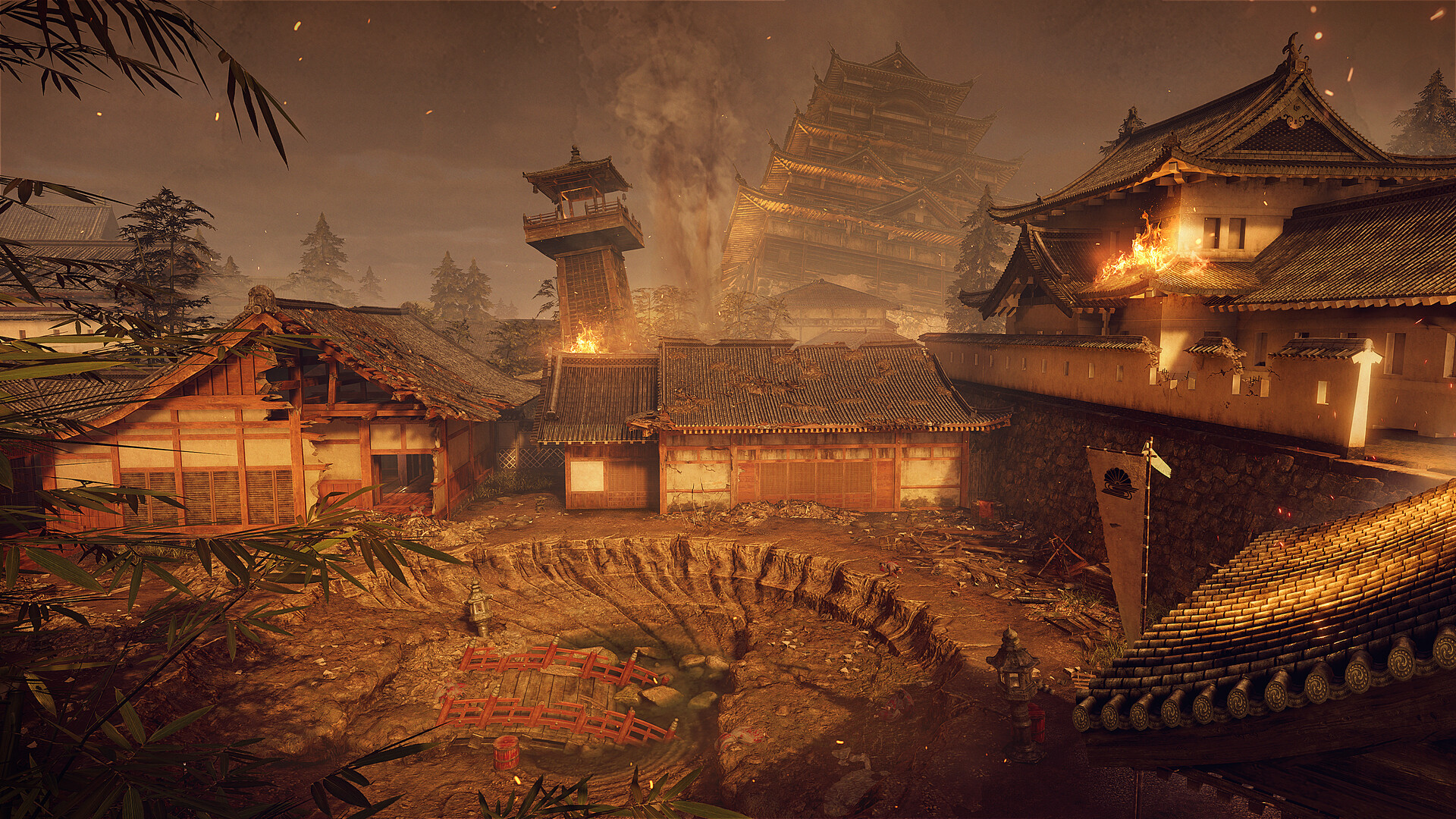
The moment this time is the Keian era. It is 1651, Edo is supposed to be settling into the long peace that the Tokugawa shogunate spent half a century building, and instead the largest castle town in the country has been swallowed by the Crucible. Koei Tecmo's own description of the new region is blunt about it — a "hellish wasteland ravaged by the gales of the Crucible," with yokai, human rebels and foreign alchemists all converging on the same burning streets at once.
A new open field, and a very bad year for Edo
Structurally, Hell Rising follows the template the base game set in February. Rather than a corridor of new missions bolted onto the end of the campaign, the expansion's centrepiece is a new open field — Nioh 3's semi-open regional map — this time built around Edo itself. That means the castle town's watchtowers, tenement rows and canal districts are the arena, and the Crucible's spread is the level design: districts that read as ordinary Edo geography in one lighting state and as something considerably worse in another.
You are back in control of Takechiyo, and the expansion's marquee antagonist is a name that will make anyone who has played a Team Ninja game in the last fifteen years sit up: Yagyu Jubei. The one-eyed swordsman is presented as one of the "enemies with unprecedented strength" standing in Takechiyo's way, which in Nioh terms is less a story beat than a promise about how many times you are going to die in a specific arena.
Hoko and shield — the first genuinely defensive Nioh weapon
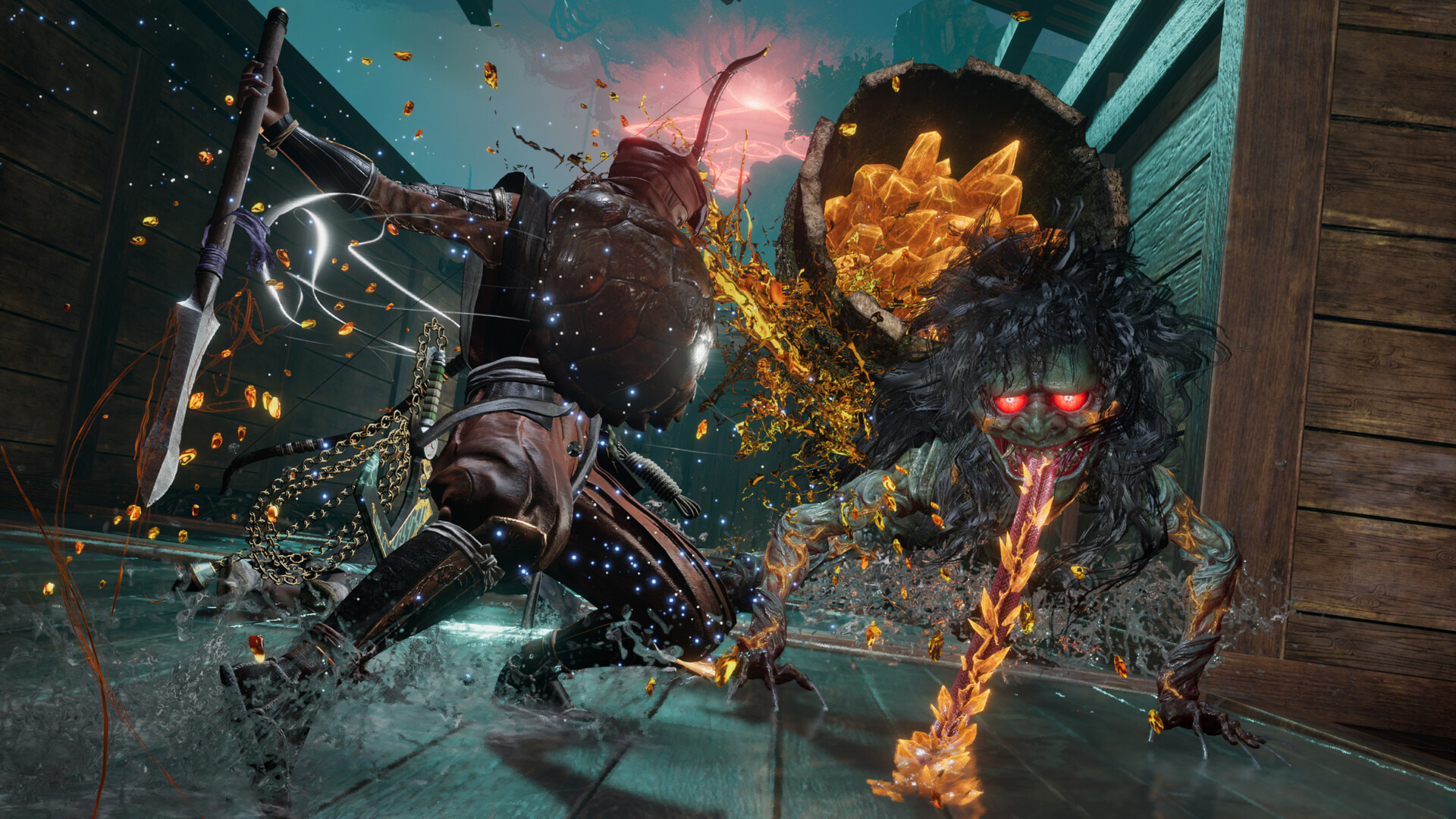
The headline addition on the build-crafting side is a new weapon type that comes in two flavours: hoko and shield for the samurai skill tree, and ninja hoko and shield for the ninja side. The hoko is a short spear, and pairing it with a shield gives Nioh something the series has been conspicuously light on — a stance where blocking is the default posture rather than an emergency measure.
Koei Tecmo describes the basic loop as defending with the shield while jabbing with the short spear, with more tactical options layered on top, including flinging the shield at an enemy outright. That last one matters more than it sounds: a throwable shield turns a defensive tool into a ranged interrupt, which is exactly the kind of option Nioh's ki-management combat tends to reward.
The expansion also folds in new Guardian Spirits, Martial Arts, skills, Ninjutsu and Onmyo Magic — the usual Nioh expansion tax, and the reason these DLCs tend to shake up the endgame meta rather than just extend it.
Hundred Demon Realms Picture Scrolls, and the loot treadmill's new gear
The most interesting systemic addition is a new equipment category called the Hundred Demon Realms Picture Scrolls. These are earned by clearing auto-generated battles, and the pitch is that you can re-run those battles to reroll the effects attached to the scroll you get out the other end.
In practice that is Nioh formalising something players have always done informally — grinding a specific encounter until the RNG produces the roll you want — and giving it a dedicated loop with its own currency of effort. Team Ninja frames it as fighting "countless variations of battles" while carefully selecting effects, solo or with friends, in pursuit of a maximised build. Anyone who spent 2021 farming Depths in Nioh 2 knows exactly what shape this is.
A third playthrough, with dice attached
For the players who finished Nioh 3 in February and have been waiting for the difficulty ladder to grow another rung, Hell Rising adds Enlightened One's Journey — a third-playthrough difficulty in the tradition of the series' Dream tiers.
Its wrinkle is randomisation. Certain enemies in Enlightened One's Journey are assigned a Curse buff at random, making them substantially more dangerous than the same enemy would otherwise be, and rewarding you accordingly when they go down. Koei Tecmo calls it high-risk, high-reward, and pairs it with divine-rarity Grace set bonuses and new special effects — the top tier of the gear ceiling moving up again, as it does in every Nioh expansion.
Price, season pass and the fine print
Hell Rising Vol. 1 is $19.99 on its own. It is also included in the $39.99 Nioh 3 Season Pass and in the Digital Deluxe Edition, and Koei Tecmo has been fairly loud about warning players not to buy the same content twice — the Steam page carries an explicit note about avoiding duplicate purchases.
Two other pieces of fine print are worth knowing before you click. You need the base game, which is sold separately at $69.99. And you need to have played Nioh 3 up to a certain point in the campaign before the expansion's content unlocks at all, so this is not a jump-in-fresh proposition.
The "Vol. 1" in the title is doing real work, too: Hell Rising is the first of two planned expansions covered by the season pass, which means the Keian-era Edo arc is a setup rather than a conclusion. Nioh 3 launched worldwide on February 5, 2026, and on this cadence the second volume should land well before the game's first anniversary.