RGG Studio has finally shown how the music half of Stranger Than Heaven actually plays. In a new Showbiz In-Depth Look published by SEGA, along with an official breakdown on Xbox Wire, the studio lays out a production system in which Makoto Daito goes looking for talent, records the sounds of the street, composes songs and then stages full shows across Japan. With the reveal, SEGA has opened pre-orders for the physical and digital editions ahead of the January 15, 2027 launch on PS5, Xbox Series X|S and PC.
From stowaway to showman
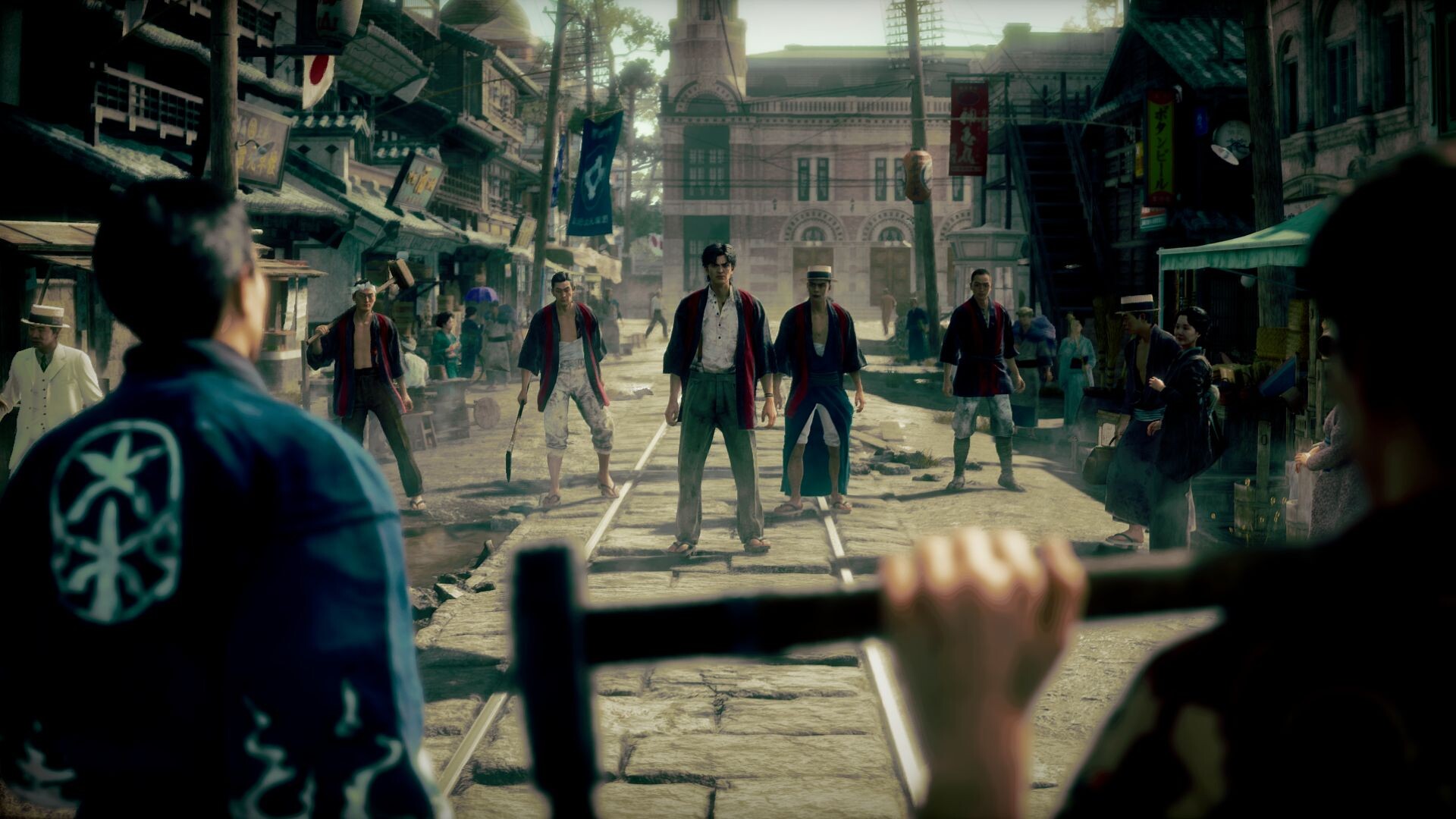
Stranger Than Heaven has been pitched from the start as a fifty-year saga, following Makoto Daito from the moment he stows away on a ship out of San Francisco in 1915. Born to an American father and a Japanese mother, he crosses the Pacific in search of somewhere that will accept him, and the story then jumps across five eras and five cities: Kokura in 1915, Kure in 1929, Minami in Osaka in 1943, Atami in 1951 and Shinjuku in 1965. Until now, most of what SEGA had shown centred on the other half of the game, its heavy and improvised street fighting, where Daito's left and right sides are controlled independently.
Music was always part of the premise. Snoop Dogg's character Orpheus, a globe-trotting merchant captain, is the one who spots Daito's musical talent, and the game's own description frames show business as one of its central themes. The new material turns that theme into a system. According to the official breakdown, Daito grows into what RGG calls a master showman, and a large part of his rags-to-riches arc now runs through the stage rather than through the street.
How the Showbiz system works
The loop starts outside the theatre. Daito scouts performers and follows rumours heard around town to find people worth putting on stage. He also collects ambient sound from the world around him, and the examples RGG gives are pleasingly odd: the scrape of a broom, someone snoring, a passing train, animal cries, even the grunts of a fight. Those recordings become raw material for original tracks that the player composes.
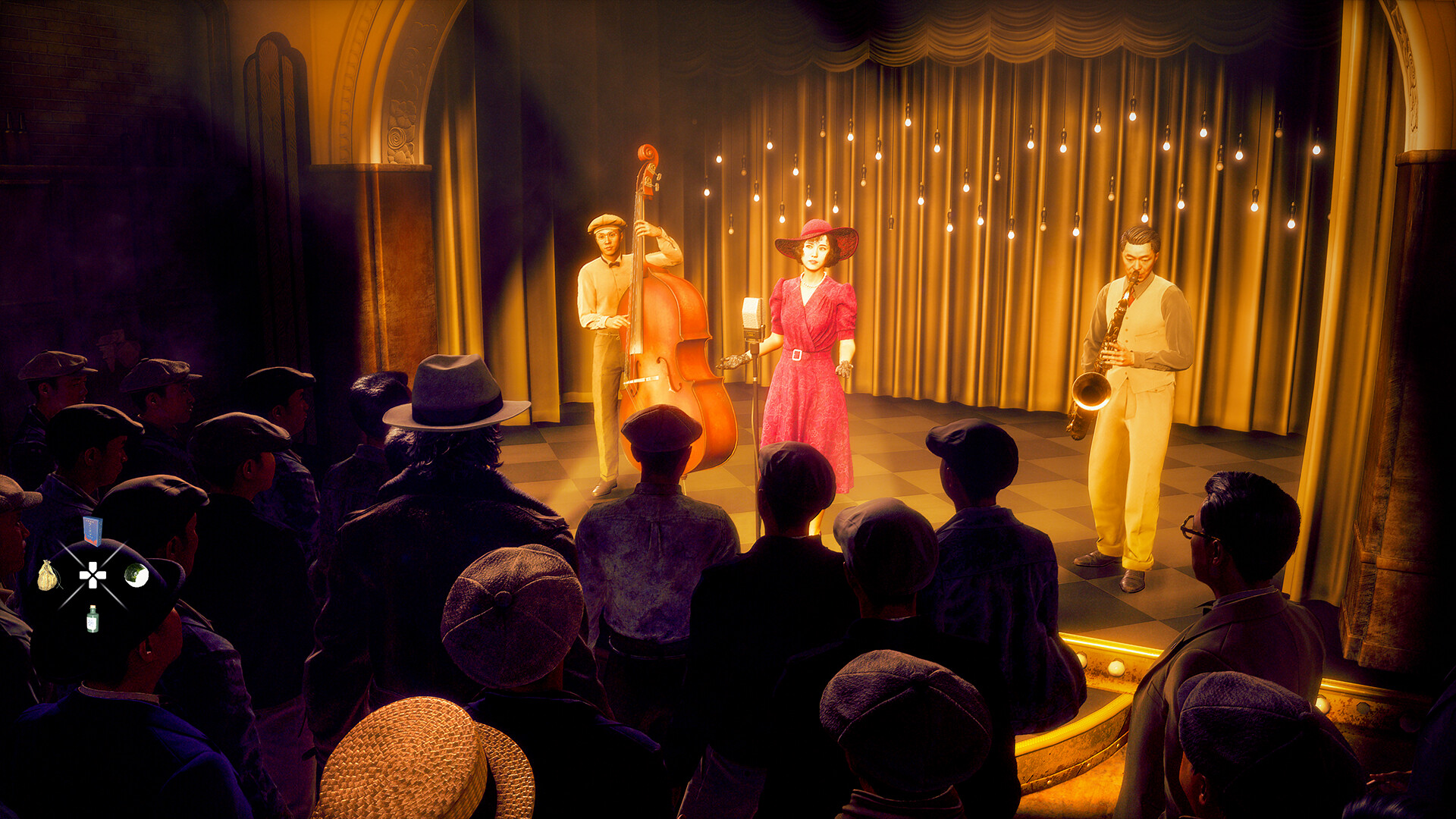
Once the songs exist, the job becomes production. Players choose a setlist, arrange the band, assign members of the cast to parts, and design the staging itself, down to lighting. Those shows are then taken on tour around Japan. RGG presents this as the thread running through Daito's rise across the decades, rather than as a one-off distraction in a single city.
That positioning matters for anyone who knows the studio's history. Like a Dragon games have long carried management side stories, from cabaret clubs to real estate empires, but they usually live off to the side of the main plot. Tying a music career to the protagonist's backstory, and to a cast that includes a pianist, a wartime diva and an aspiring singer, suggests Showbiz is meant to sit much closer to the centre of Stranger Than Heaven than those sideshows ever did.
The people on stage
The Showbiz reveal lands alongside a full cast breakdown, and several of the new names are clearly built around the music. Tori Kelly plays Suzy Day, a talented singer chasing stardom. Satoshi Fujihara plays Takashi, Daito's sworn brother and a gifted pianist. The Japanese singer Ado plays Keiko Shirai, described as the diva of wartime Osaka, which places her in the Minami chapter of 1943.
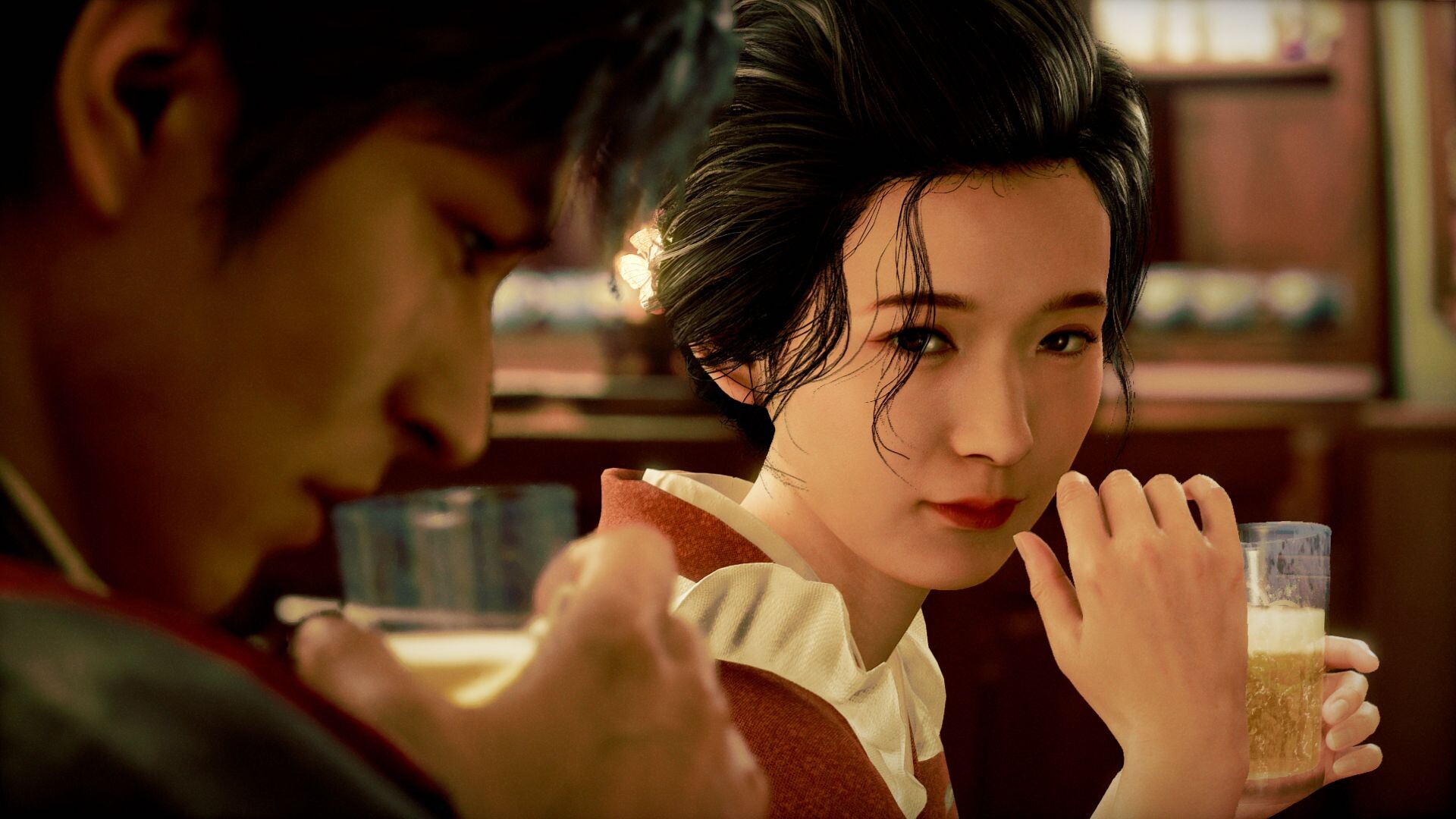
Around them sits a much larger ensemble. Yu Shirota voices Daito, and Dean Fujioka plays his lifelong friend Yu Shinjo, who is half-Japanese and half-British, and cool-headed where Daito is not. Akio Otsuka plays Heigo Yashima, a Kokura merchant who is also a yakuza boss, and Moeka Hoshi plays Tae Matsumoto, a café waitress tied to that world. Takaya Kuroda, the long-time voice of Kazuma Kiryu, appears as Takeo Godai, a taciturn craftsman. Cordell Broadus is The Veiled Stranger in postwar Japan, and Daisuke Shiba plays Kimura, an easygoing nightclub worker in Kamurocho.
Two roles are digital recreations made with permission. The late actor Bunta Sugawara appears in CG as Genzo Iwaki, the powerful yakuza boss of Kure, with his voice performed by Takashi Ukaji. Tupac appears as Amaru, a man hiding out in Japan, with the approval of his estate.
Five cities, fifty years
The five settings give the music system a lot to work with. Kokura is a smoke-choked foundry town, Kure is a naval port under heavy yakuza influence, and Minami in 1943 is western Japan's biggest entertainment district living under the pressure of the war. Atami is a postwar seaside resort, and the final stop, Shinjuku in 1965, is the pleasure district that the series' fans will recognise as Kamurocho in its earliest form.
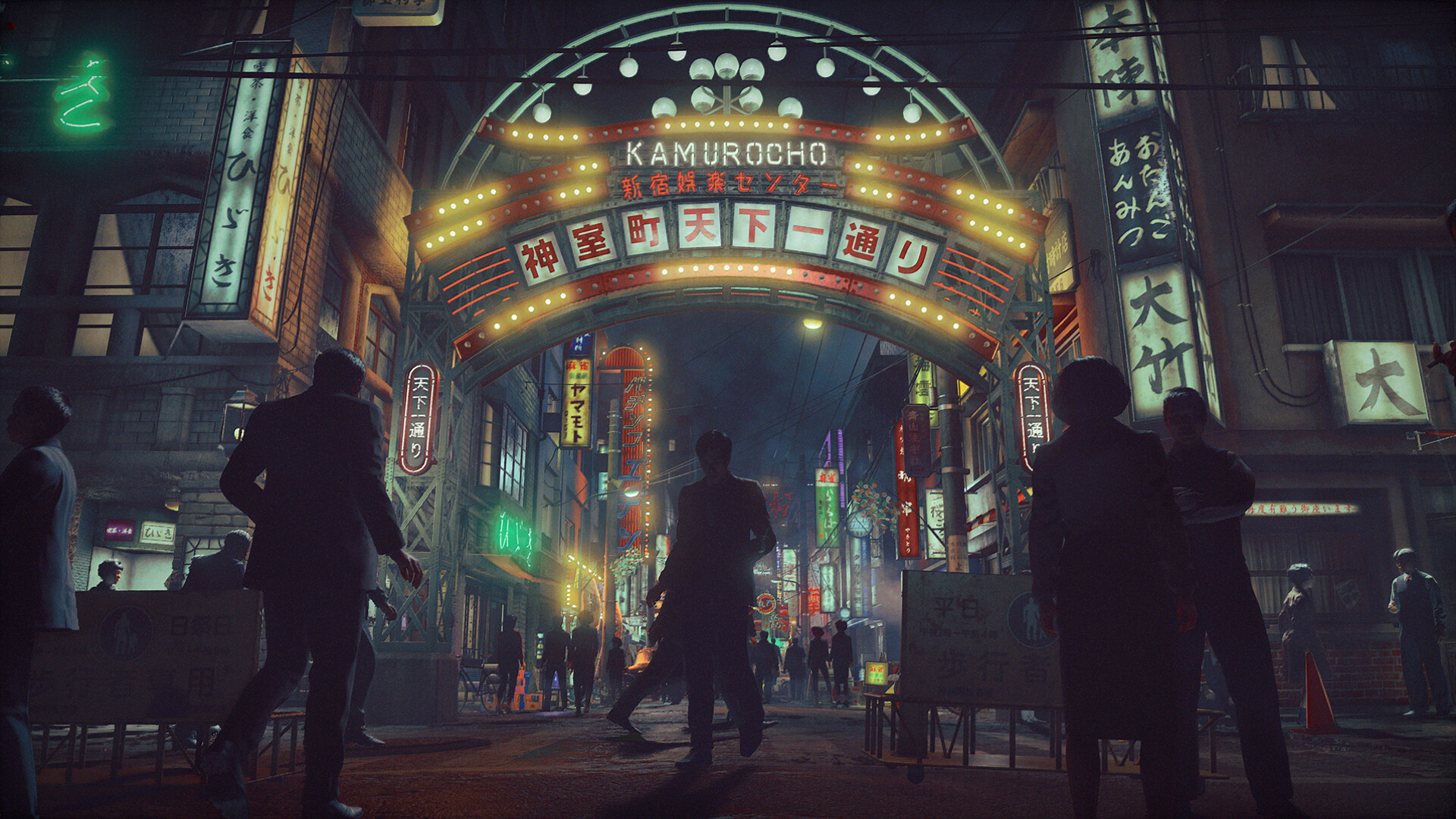
Each era implies a different sound and audience, from wartime cabarets to 1960s nightclubs, so a system built on recording the world around you should shift a lot as the decades pass. How much the songs themselves change between chapters is one of the things the full game will need to show.
Pre-orders and release
Pre-orders for both the physical and digital editions are open now, and every pre-order includes the Dosu: Kagekiri, an exclusive DLC weapon. Stranger Than Heaven launches on January 15, 2027 on PlayStation 5, Xbox Series X|S and PC through Steam and the Microsoft Store. It is an Xbox Play Anywhere title, and it is also playable through Xbox Cloud Gaming.