Every so often a game takes a genre everyone assumed was settled and quietly rewires it. Voidling Bound, the debut release from indie studio Hatchery Games, is one of those games. At a glance it looks like another entry in the crowded creature-collecting space - hatch a critter, raise it, send it into battle - but within ten minutes it becomes clear that it is doing something genuinely different, and the early reception suggests players have noticed.
Out now on PC via Steam and the Epic Games Store, Voidling Bound launched on June 9, 2026 to a wave of enthusiasm: a Very Positive rating on Steam, sitting at 96% of more than 340 user reviews at the time of writing, and an 8.5 from DualShockers leading the modest professional coverage. With pro reviews still thin on the ground, this is a release where the player verdict carries more weight than usual - so we have folded that groundswell of community sentiment into our own playthrough rather than pretending it does not exist.
You do not send the monster in - you are the monster
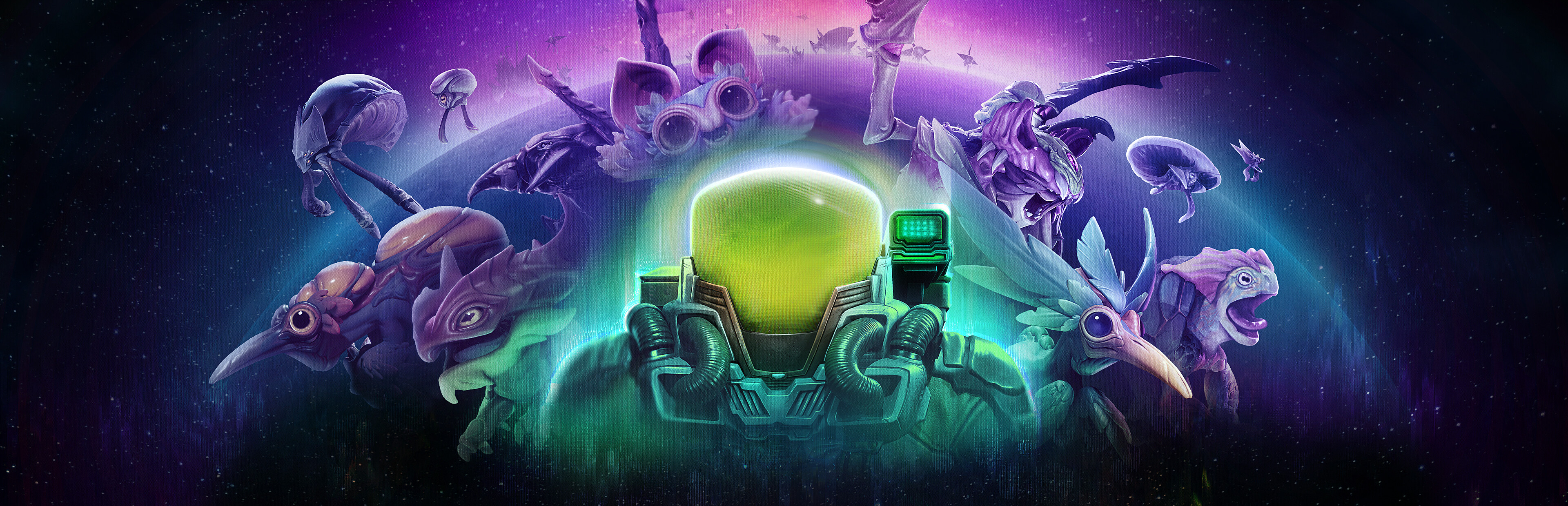
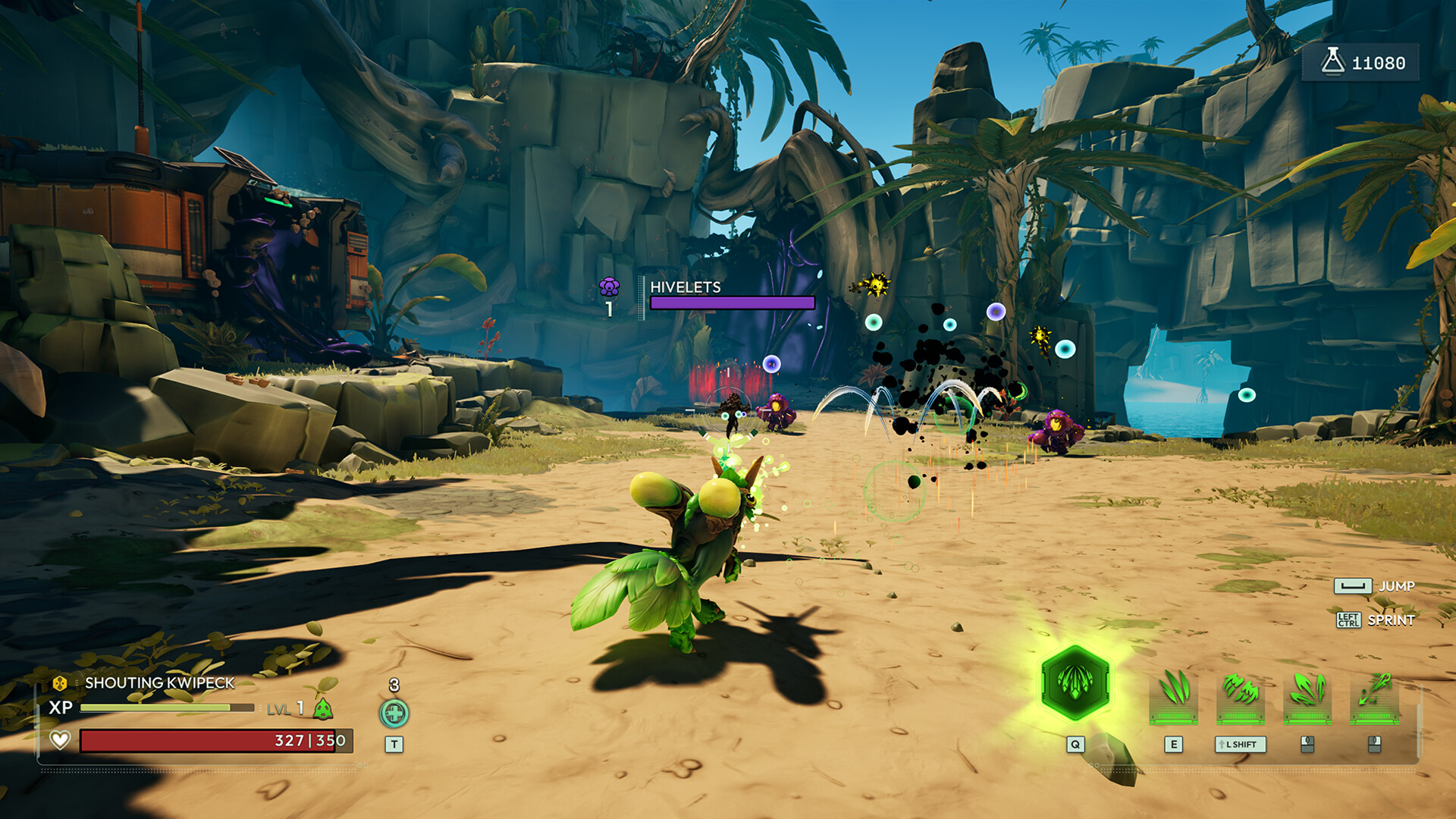
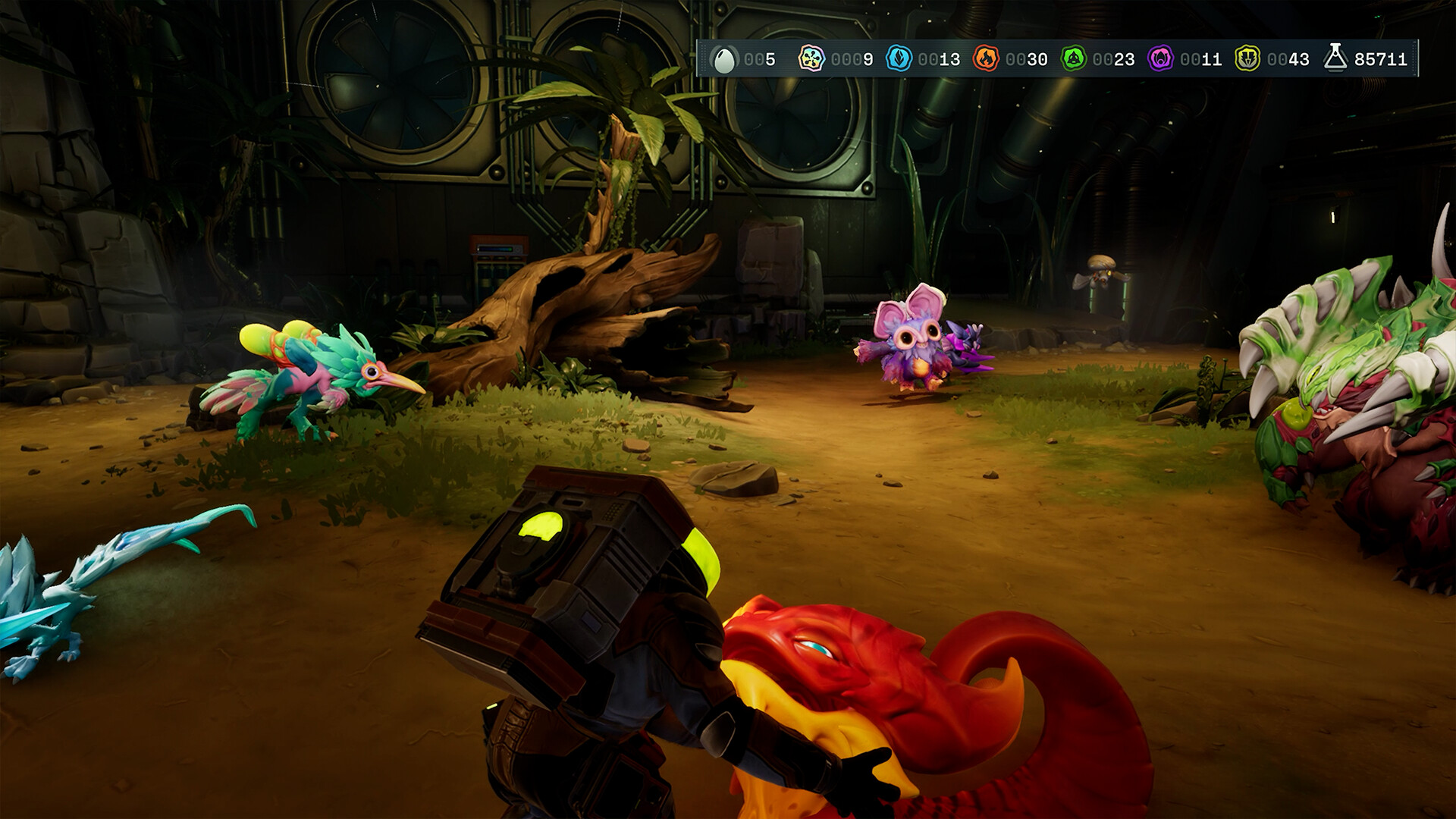
The pitch is simple and clever. Where most creature collectors are turn-based affairs in which you bark orders from the sidelines, Voidling Bound hands you direct control of your creatures in a real-time, third-person action shooter. You play a Space Wrangler, travelling between corrupted planets to cleanse them of a spreading pestilence, and your Voidlings are both your arsenal and your party.
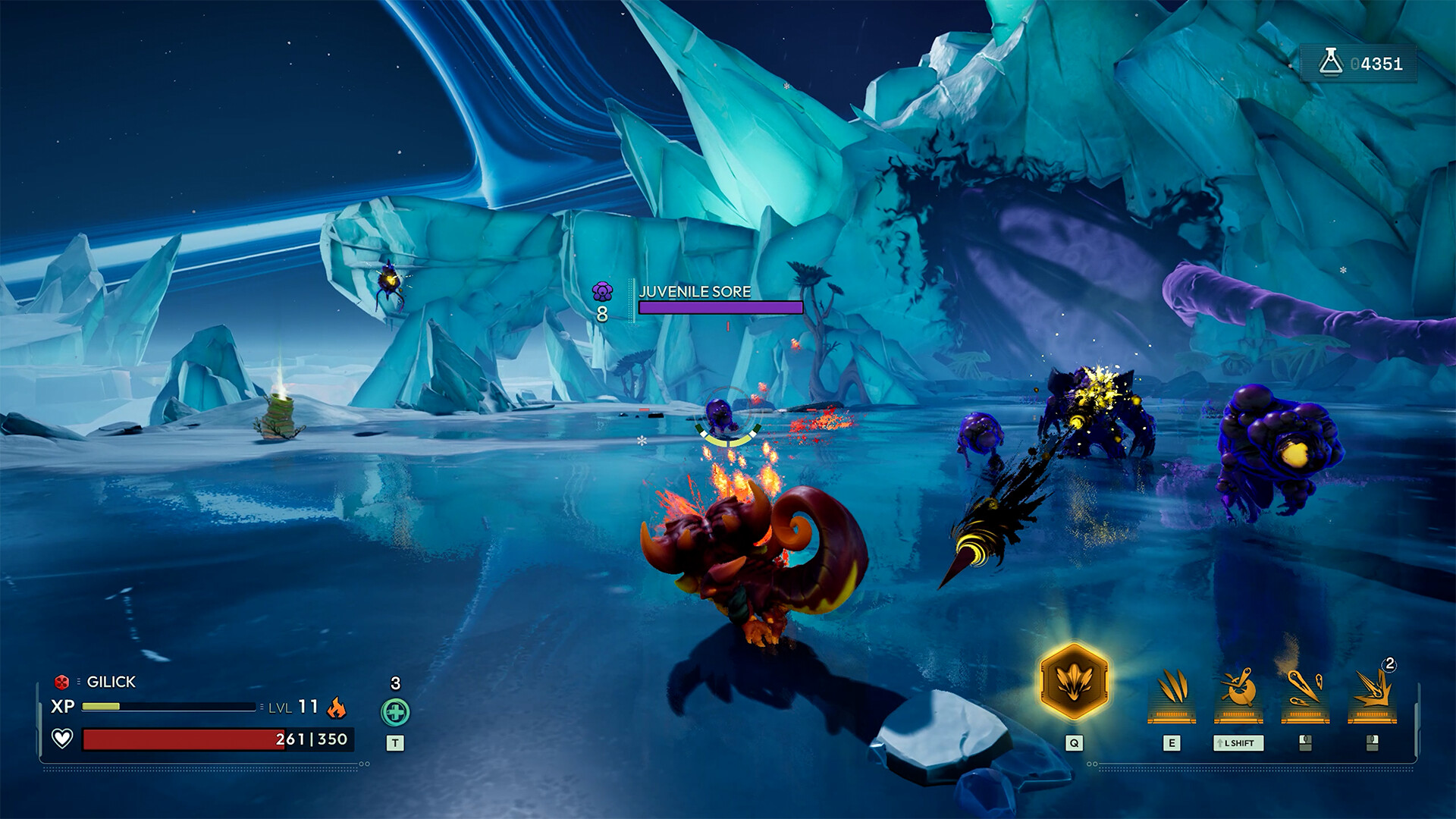
Combat is hands-on and surprisingly meaty. You shoot, slash and slam; you evade, block and parry. Each species of Voidling controls differently, so swapping creature is not merely a stat change but a genuine shift in feel - one is a nimble skirmisher, another a lumbering bruiser, another a ranged specialist that wants to keep its distance. It plays far closer to Ratchet and Clank or the dearly-missed Darkspore than to anything turn-based, and that action-forward identity is the single biggest reason the game stands out from the pack.
Evolution as a build system
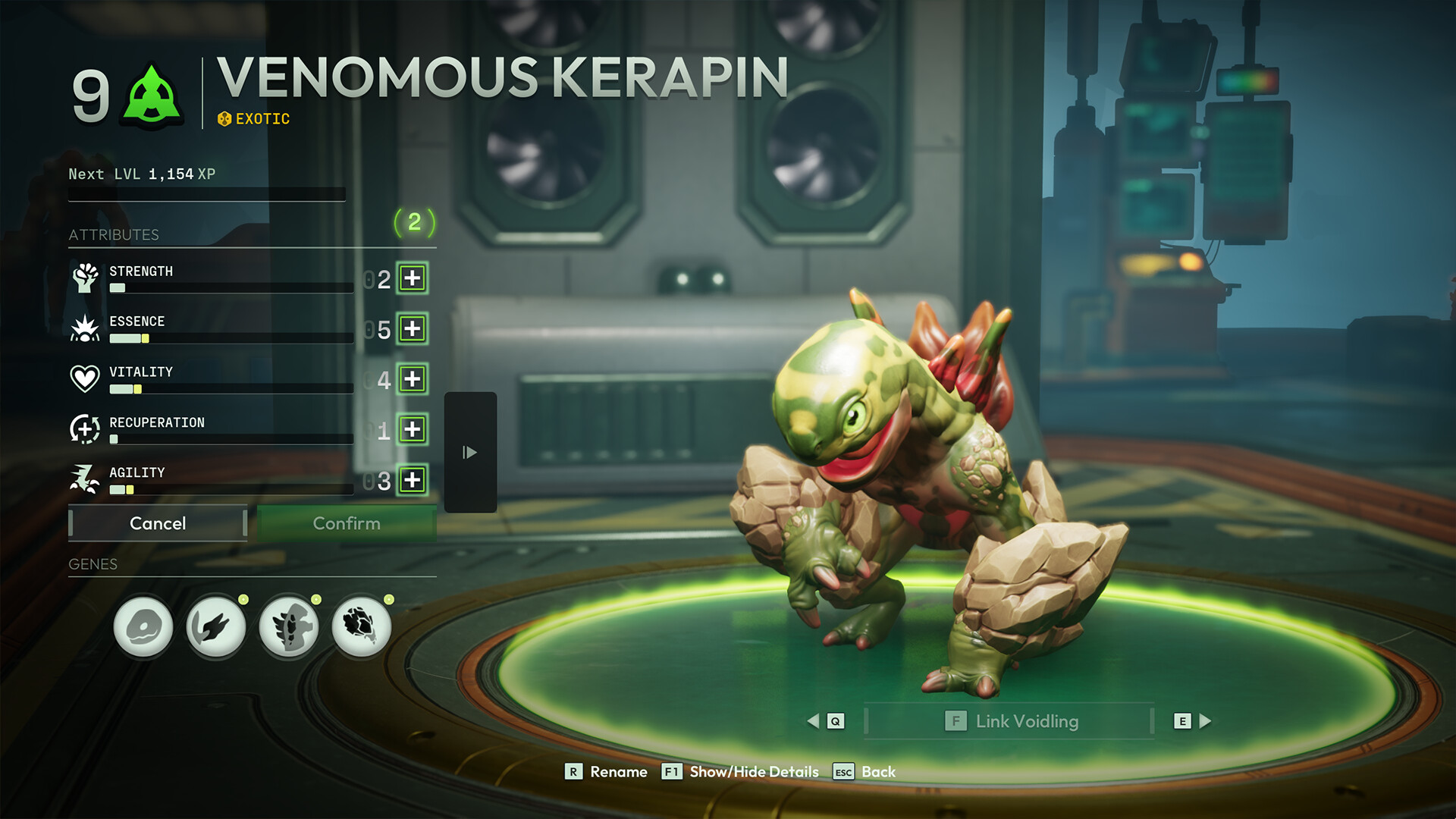
The heart of the game is its evolution and splicing system, and it has far more depth than the cuddly presentation lets on. Voidlings hatch from eggs and grow along branching evolution paths, and Hatchery Games claims something in the region of sixteen final forms per creature. Crucially, those branches are not cosmetic. Choosing one node over another changes how a creature performs in combat - its abilities, its elemental alignment, its role - so building a Voidling becomes a genuine theorycrafting exercise rather than a box-ticking chore.
Layered on top is mutagen splicing and breeding. You harvest genetic material out in the field, then spend it customising creatures by elemental alignment and appearance, pour attribute points into strength, vitality, essence, recuperation and agility, and breed creatures together to pass desirable traits down the line. That breeding-and-inheritance loop is where the long-term hook lives: there is always a slightly better specimen to chase, a trait to lock in, a fresh combination to test. Players single it out, again and again, as the thing that keeps them loading the game back up.
Structure, and the lure of the Abyss
It is worth setting expectations on shape. Voidling Bound is not an open world and it is not a survival or base-building game. It is built from linear, hand-crafted levels stuffed with enemies, wave battles and end-of-stage bosses, with all of the management - breeding, splicing, kitting out your roster - happening back aboard your spaceship between sorties. That focus is a strength: the moment-to-moment loop is tight, and the cleansing missions, which visibly transform a sickly, corrupted landscape into something lush as you clear it, land a real sense of payoff that few collectors manage.
For those who want to push further, the endgame centres on the Abyss - an escalating gauntlet with optional difficulty modifiers that ratchets up the challenge and finally gives your carefully-bred super-creatures somewhere to prove themselves. It is the closest the game comes to scratching a roguelike itch, and it is where the deeper builds start to genuinely matter. Players grinding to the Abyss on launch day reported reaching it within a day and still finding plenty left to chase, which bodes well for longevity if Hatchery keeps feeding it.
What the players are saying
With professional coverage limited, the Steam reviews paint the fullest picture - and they are strikingly consistent. The recurring touchstone is Spore, with players describing the game as what you would get if Spore and Darkspore had a child, or as a mash-up of Spore, Spyro, Skylanders and Pokemon with the gene-splicing turned all the way up. The combat is repeatedly called fun, addictive and more intense than expected, while the creature designs and the sheer variety of evolution nodes draw particular praise. Tellingly, a lot of reviewers played the free demo first and bought in the moment the full game went live - a strong signal for how cleanly the hook lands.
Even self-described sceptics of the genre admit it won them over, crediting the distinctive designs and the way evolution choices actually reshape how a creature fights. The overwhelmingly positive tilt - comfortably above 90% - is not the work of a handful of superfans either; it holds across hundreds of reviews and a wide spread of playtimes, from one-hour first impressions to triple-digit grinds.
The rough edges
It is not flawless, and that same community is refreshingly honest about where it stumbles. The most common gripe is repetition: the mission structure starts to feel samey over a long sitting, and one of the most-requested additions is simply more biome variety, since you see the major environment types fairly quickly. A handful of players also bristle at mission grading that scores you on completion time while simultaneously tucking secrets into the levels - a tension that can make exploration feel quietly punished when the game otherwise invites it.
The loudest wish, though, is for multiplayer. Time and again players land on the same note: a concept this show-offy is crying out for co-op, or any way to pit your bred-and-spliced Voidlings against a friend, and its absence at launch is the feature people most want added. None of these are fundamental design failures - they read as the natural growing pains of an ambitious debut - but they are real, and they are what keep the game from running away with its genre outright.
Who is it for?
If you grew up on Spore, Spyro, Skylanders or Ratchet and Clank, or you have been quietly mourning Darkspore for over a decade, Voidling Bound is almost custom-built for you. It is equally easy to recommend to the build-tinkerer who lives in skill trees and breeding charts, because the splicing systems reward that obsessive streak. The people likely to bounce off are those after a relaxed, turn-based monster-tamer or a sprawling open world - this is a focused, action-led experience, and it is unapologetic about that. The free demo exists precisely to settle the question, and it is the smartest way to see if the hybrid clicks before you buy.
Verdict
Voidling Bound is a confident, likeable reinvention of a genre that badly needed one. By recasting creature collecting as a real-time third-person shooter - and backing it with an evolution, splicing and breeding system that has real mechanical teeth - Hatchery Games has made something easy to start and hard to put down. Mission repetition, thin biome variety and the conspicuous lack of multiplayer stop it short of greatness, and they are precisely the things a generous post-launch roadmap could address. As it stands, it is one of the more pleasant surprises of mid-2026: a small studio swinging big and largely connecting. If the idea of piloting your own custom-bred space monster through a corrupted galaxy appeals even a little, this one is well worth your time.