Rebellion spent gamescom 2026 doing something the studio has historically been quite bad at: keeping quiet. Alien Deathstorm got a new trailer at the show, and then - in the days afterward - a genuinely detailed breakdown of what the game actually is, rather than the usual vibes-and-xenomorph-silhouettes routine that licensed Alien projects tend to run on.
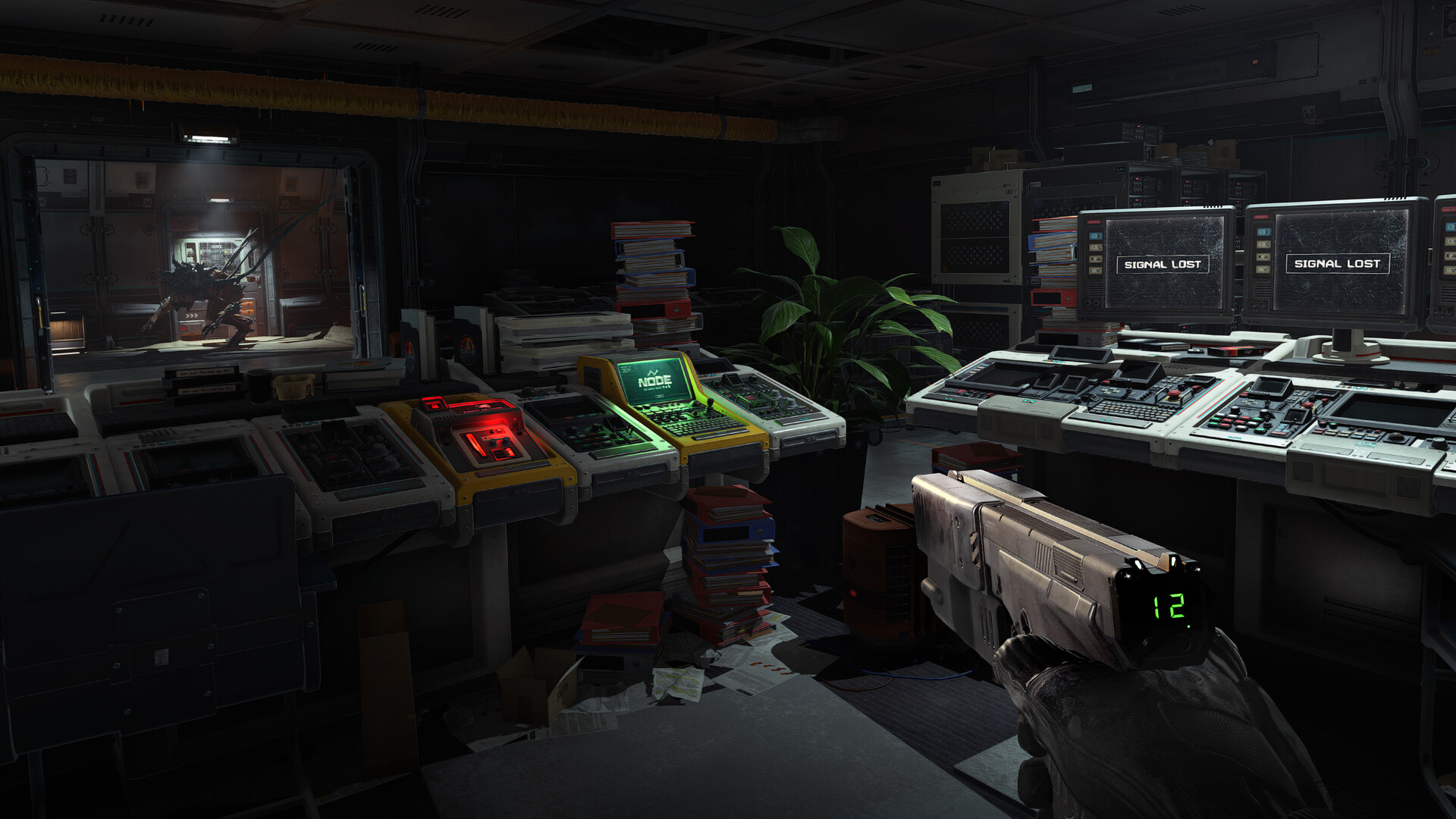
The short version: it is a first-person action-horror shooter set on an off-world mining colony that has lost contact with Earth, it arrives in spring 2027, and it is coming day one to Xbox Game Pass, Xbox Series X|S, Xbox on PC, Xbox Cloud, PC via Steam, and PlayStation 5. That last platform is worth underlining, because the trailer's own title card lists it and a fair number of the gamescom write-ups did not.
You are not a Colonial Marine
The most important design decision in Alien Deathstorm is the one Rebellion made about who you are. You play an Engineer with basic combat training - not a soldier, not a hardened veteran, not a squad. Rebellion's own framing is that you were dropped into a rescue operation and the rescue operation stopped being a rescue operation somewhere on the descent.
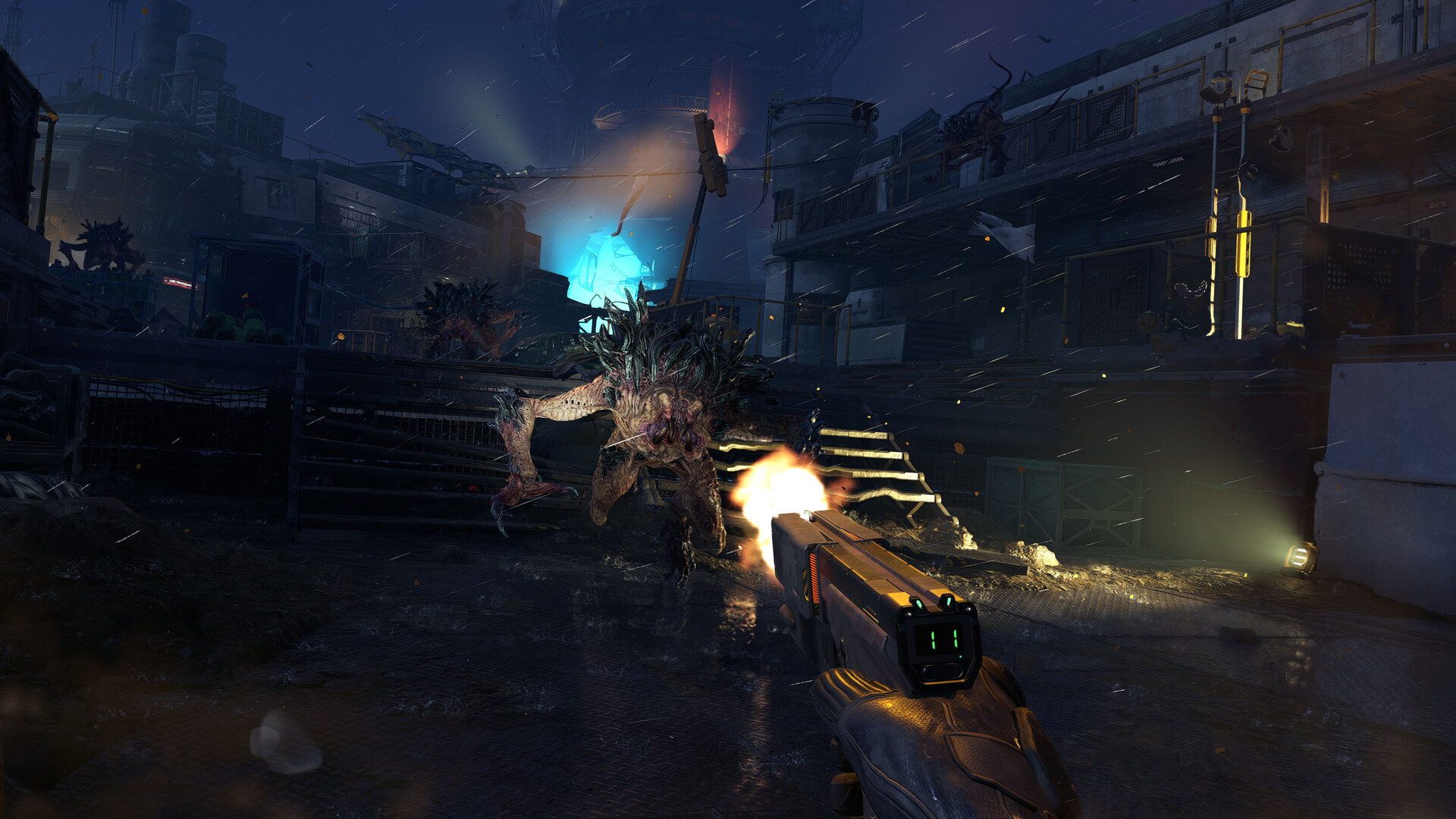
That matters mechanically as much as narratively. An engineer's toolkit is a repair kit that occasionally doubles as a weapon, and the game leans into it: a hammer that fixes machinery and caves in skulls, a Geiger scanner, flares, grenades, health injectors. Firearms exist - a pistol, an SMG, a shotgun - but they are upgraded through 3D printing rather than looted from an armory, which fits a character whose first instinct is to fabricate a solution rather than requisition one.
The storm is the second enemy
Rebellion keeps returning to the mega-storm as a system rather than a backdrop, and the trailer bears that out. The colony sits on a planet being physically torn apart, and the storm escalates over the course of the campaign - which means the outdoor sections are not just "the bits between corridors" but a distinct threat profile with its own rules.
The practical effect is a horror game with two pressure sources pulling in opposite directions. Indoors you have the classic Alien problem: enclosed spaces, poor sightlines, something intelligent hunting you. Outdoors you have exposure, debris and a hostile environment, but also room to run. Neither is safe, and the game appears to be built around forcing you to choose which kind of unsafe you would prefer at any given moment.
The aliens hunt in packs and learn
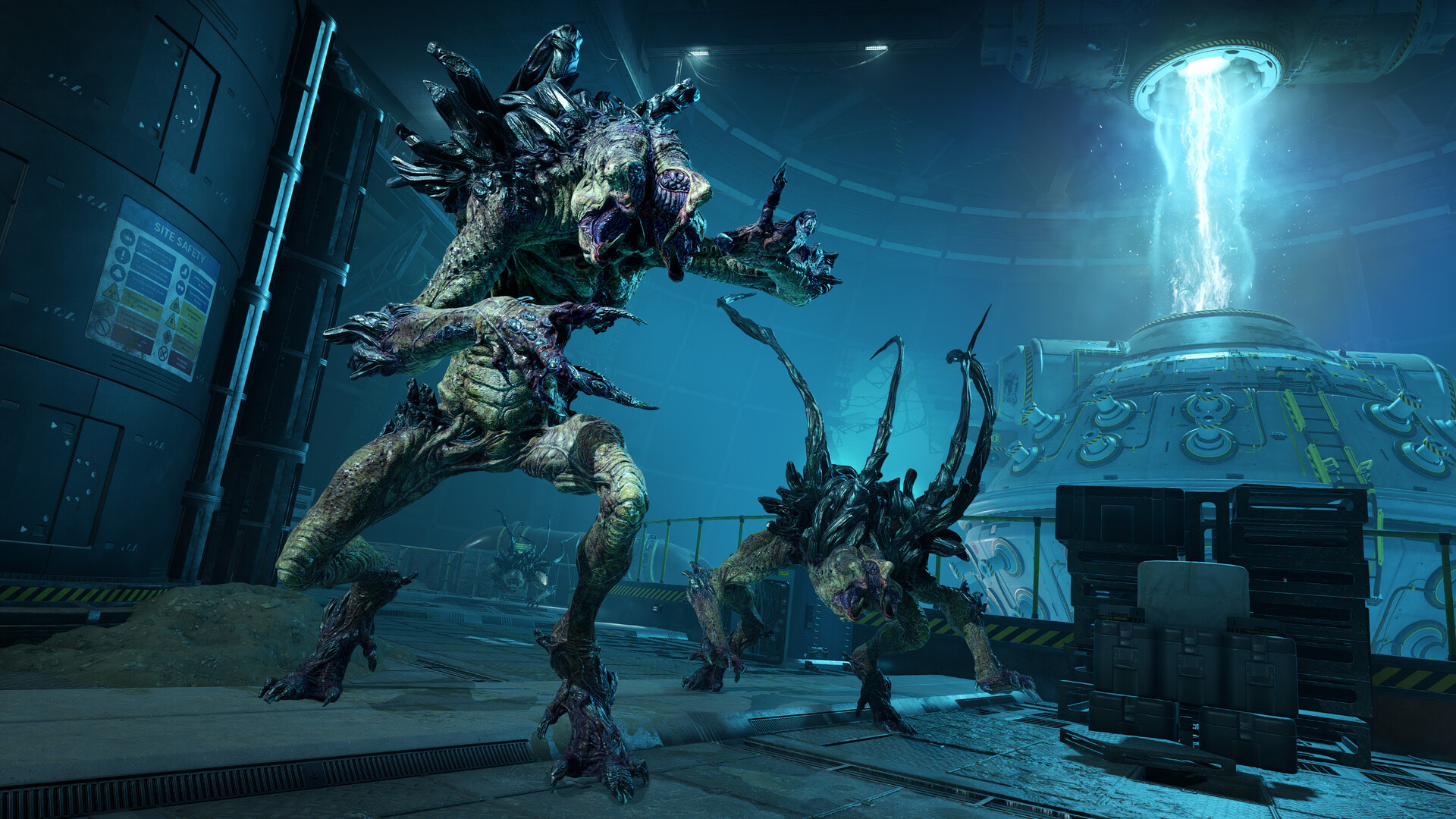
Four alien types have been shown so far - Soldiers, Scuttlers, Blister Scuttlers, and Swarms - and Rebellion's pitch is that they coordinate and adapt to how you play rather than running fixed patrol routes. That is a claim every horror shooter makes, so treat it with the appropriate scepticism until people are hands-on, but the composition of the roster at least supports it. Soldiers are the direct threat, Scuttlers are the fast flankers, Blister Scuttlers imply something that punishes you for killing them at close range, and Swarms are a crowd problem that a three-weapon loadout is not obviously equipped to solve.

Squire, and the objective problem
The detail from the gamescom breakdown that is easiest to overlook is also the most interesting one. Objectives in Alien Deathstorm are presented as readouts from Squire, the Engineer's digital assistant - and the studio is explicit that it is on you to diagnose the situation from them rather than follow a waypoint.
Rebellion's showcase example is a mid-game mission to repair a malfunctioning fission reactor, which is described as a chain of dangerous sub-objectives rather than a single interact prompt. If that framing holds across the campaign, it is a meaningful departure from how most licensed Alien shooters structure a level, and it is the thing most likely to make the "you are an engineer, not a marine" premise feel like more than flavour text.
Rebellion has earned some patience here
It is fair to be wary. Rebellion is a studio with an enormous output and an uneven hit rate, and Alien is a licence that has produced one all-time great and a long tail of disappointments. But the specifics on offer here - a non-combatant protagonist, a hostile environment treated as a system, diagnostic objectives instead of waypoints - are the kind of specifics that are hard to bolt on late. They read like decisions made early and built around.
Spring 2027 is a long wait, and it puts Alien Deathstorm into a window that is already crowded. But it also means Rebellion showed this a full year and a half out with a clear answer to "what do you do in it," which is more than most gamescom reveals manage.