Final Fantasy VII Revelation does not arrive until April 8, 2027, but Tokyo Game Show has produced the first number anyone was actually waiting for. Director Naoki Hamaguchi, speaking to press in Tokyo this week, put the install size of the remake trilogy's finale at "probably going to be around 200GB of game" - a figure large enough that it reshapes how the thing can be sold, patched and stored. At the same time, Square Enix's own storefront listing for the Story Expansion Pass has quietly confirmed what the post-launch plan looks like: two story chapters, one built around Sephiroth and one around Vincent and the Turks, both landing somewhere between winter 2027 and spring 2028.
Around 200GB, and no disc is going to hold it
Hamaguchi was careful to hedge the number - development is still running and the final figure could move in either direction - but he was not hedging about the consequence. Revelation will not fit on the physical media it ships on. Every boxed copy, on every platform, will require an additional download before it is playable in full. Buying the game on a shelf gets you a licence and a head start on the install, not the finished product.
That is not a new situation for big releases, but 200GB is a different order of magnitude. It puts Revelation into the small group of single-player games whose footprint is measured against the whole capacity of the drive they land on rather than against other games. The arithmetic gets uncomfortable fastest on Switch 2: the console has 256GB of internal storage before the system software takes its cut, so a 200GB install would leave a machine with essentially no room for anything else and push most owners toward a microSD Express card they may not have budgeted for. Square Enix has not yet said what form the Switch 2 physical release takes, and that question now matters more than it usually would.
The size is a choice, not an accident
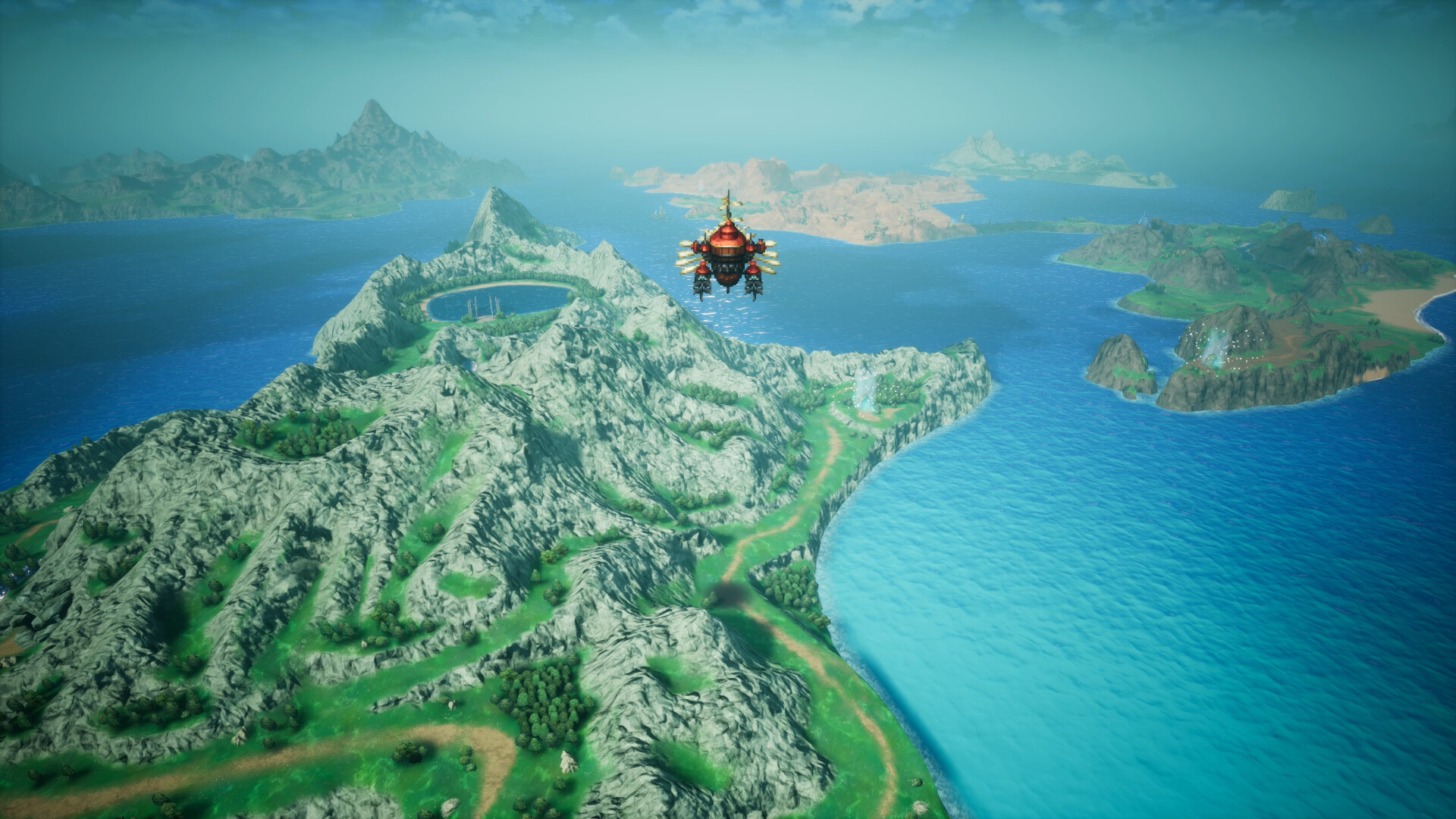
Hamaguchi framed the number as a deliberate refusal rather than a technical failure. The team did not want to compromise the game to hit a file-size target, and accepted that the hardware would have to be worked around instead. Given what Revelation is - the closing chapter of a trilogy that has to carry forward the geography, the party, the combat systems and the accumulated assets of two previous games while adding an airship-scale overworld on top - the bloat is at least legible. The Steam blurb's promise to "take to the skies, chart your course" implies a map that does not load in discrete chunks the way Remake's Midgar did.
There is a second, more interesting wrinkle in how Hamaguchi talked about it. Digital releases, he noted, can absorb fixes right up to the day they go live. Physical discs cannot: they have to clear performance certification roughly three months ahead of launch, which means the version pressed onto the disc is locked while the team is still working. For a game this size, the gap between what ships in the box and what actually runs on release day is going to be substantial - a day-one patch in the old sense, but a very large one.
The Story Expansion Pass, spelled out
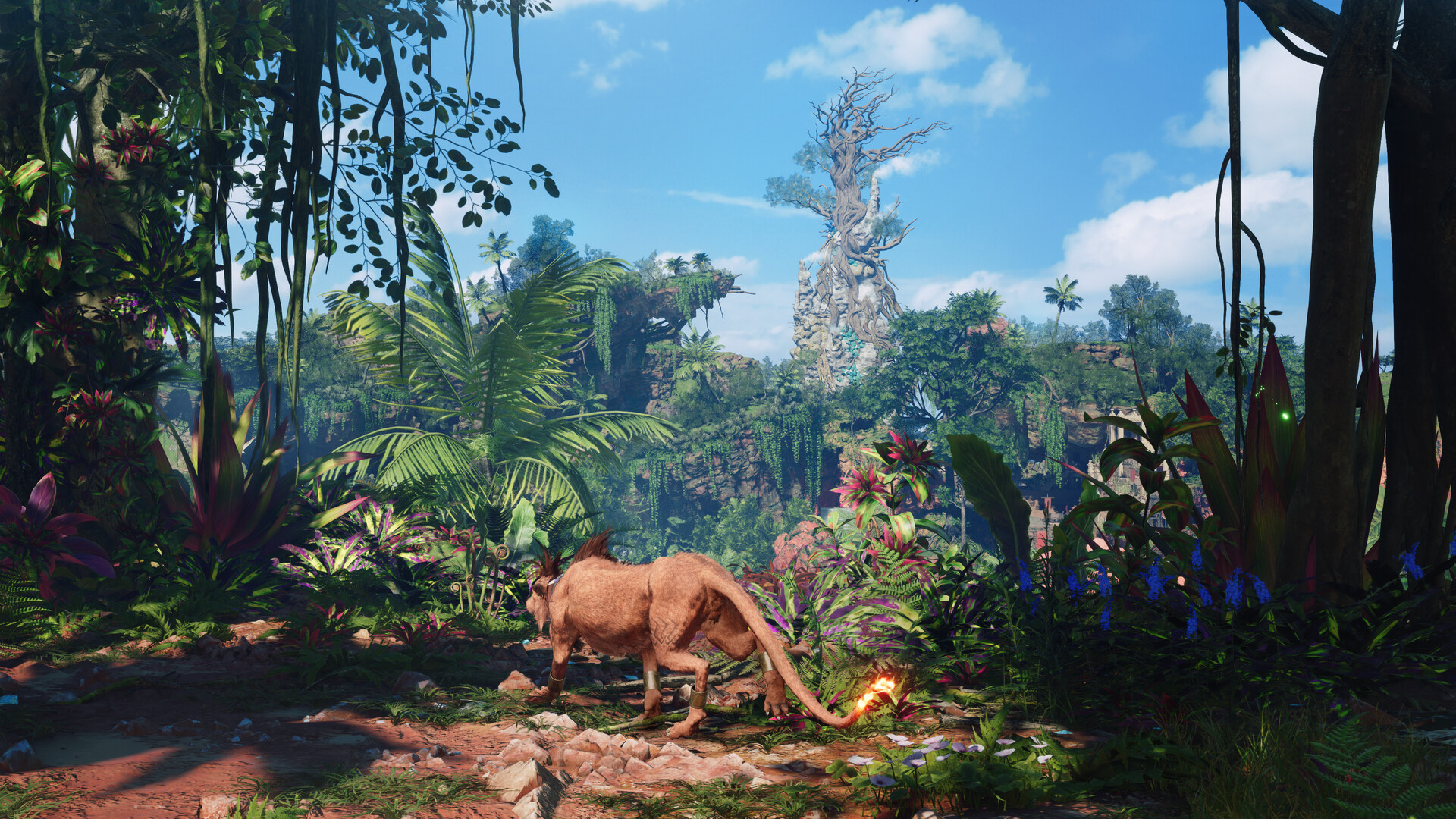
The DLC picture is no longer speculative. Square Enix's own product listing for the Final Fantasy VII Revelation Story Expansion Pass names its contents outright: an accessory bundle called the Reclaimant Choker and Survival Set, then Story DLC 1: Sephiroth, then Story DLC 2: Vincent and the Turks. The two story chapters are scheduled between winter 2027 and spring 2028, and each will also be sold on its own after it releases, so the pass is a convenience rather than the only route in. It is bundled into the Premium and Premium Plus editions, and will be available separately once the base game is out.
Hamaguchi described the chapters as working in the mould of Intermission, the Yuffie side story that shipped with Remake's PS5 re-release - self-contained excursions that dig into a character rather than extend the main campaign. He declined to say whether either one is a prequel or runs parallel to the present-day story, which is a more pointed non-answer for a Sephiroth chapter than it would be for anyone else. A Vincent chapter that also carries the Turks is easier to place; Vincent's history with Shinra's science division and the Turks' role across the original game give that one an obvious spine.
The piano minigame is doing narrative work now
The smallest detail from the interview is the one most likely to be picked apart. Rebirth's piano minigame - an optional rhythm diversion scattered across inns and bars - has been "greatly expanded" in Revelation, and Hamaguchi says the expanded version now contains information related to Tifa. Players can, in his words, learn more about Tifa by playing it.
That is a meaningful shift in what the minigame is for. In Rebirth the piano was a skill toy with cosmetic rewards attached. Turning it into a delivery mechanism for character backstory folds an optional activity into the story layer, and given that Tifa's reliability as a narrator has been one of the trilogy's quieter running threads, hiding that material behind an activity plenty of players skipped is a pointed decision. It also suggests Revelation is leaning harder on optional content to carry story weight than its predecessors did - which is one more plausible explanation for where 200GB goes.
What is still open
Square Enix has the game listed at $69.99 on PC, with system requirements still marked as to be determined - a blank space that will be scrutinised hard once it fills in, because a 200GB install usually travels with texture budgets that punish mid-range GPUs. There is no word yet on whether the install can be trimmed by dropping language packs or high-resolution texture sets, a mitigation several publishers have adopted for releases half this size. And the Switch 2 version remains the outstanding question mark: how Square Enix squeezes this onto Nintendo's hardware, and in what physical format, is the detail worth watching between now and April.
Final Fantasy VII Revelation launches April 8, 2027 on PS5, Xbox Series X|S, Nintendo Switch 2 and PC.