Heart Machine, the studio behind Hyper Light Drifter, has laid off nearly its entire staff after a publisher walked away from an unannounced project, and founder Alx Preston says he is not certain the studio can survive it.
Preston set out what happened plainly. “We had been working on an unannounced title, funded by a publisher,” he wrote. “This week, they decided to no longer move forward with it. Without this key income for the studio, any other immediate prospects or other funds, nearly everyone at the studio had to be laid off. It's devastating.”
He added that “navigating an increasingly challenging industry has been extremely difficult, and I'm not sure yet what's next for Heart Machine to survive.” The publisher has not been named.
A decade from Drifter to here
Heart Machine both developed and published Hyper Light Drifter, which arrived in 2016 to the kind of reception most studios only get once. Its pixel-art precision and near-wordless storytelling made it one of the defining independent games of that generation, and it gave the studio a name that has outlasted everything that followed.
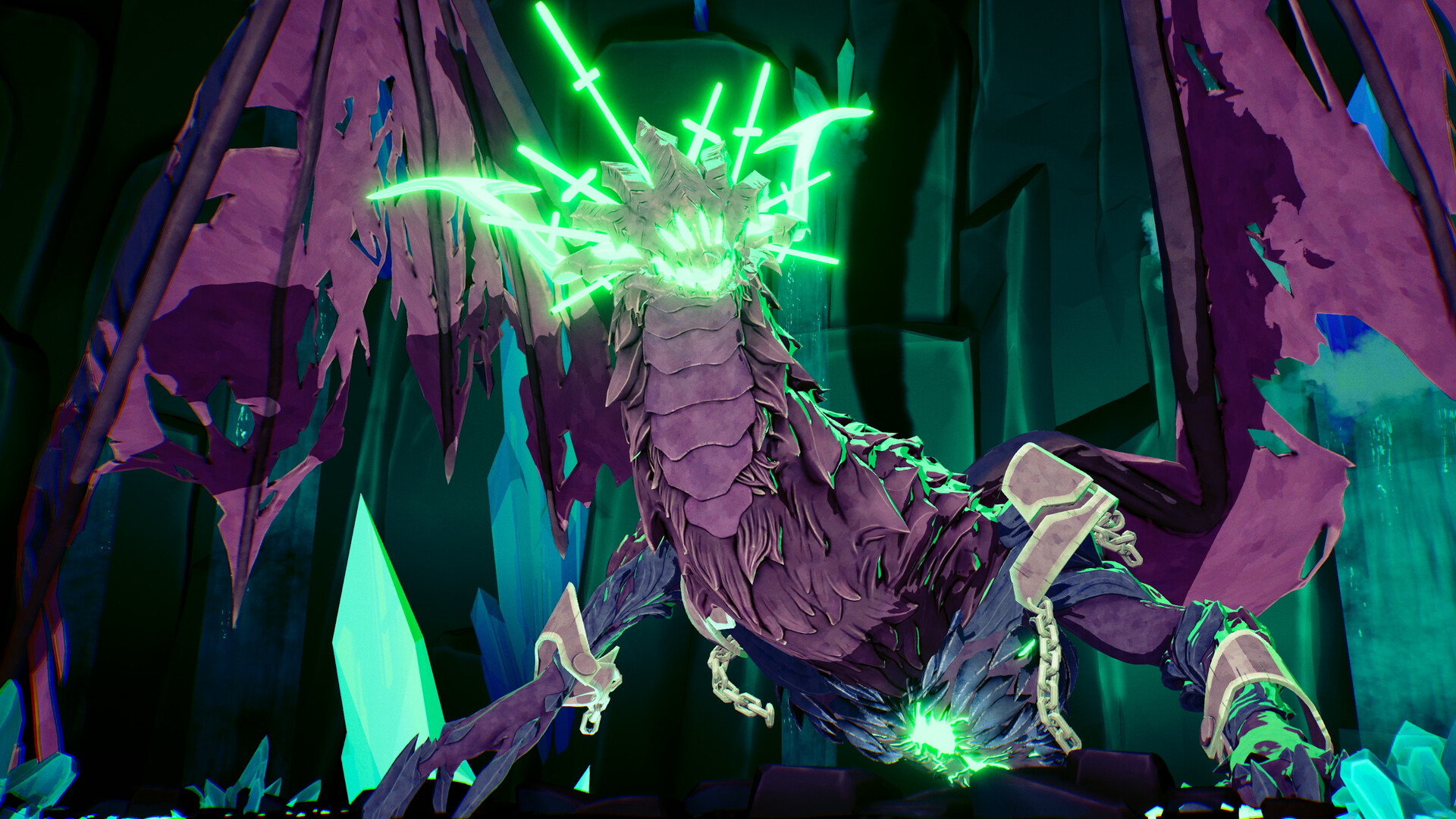
The shape of what came after is, with hindsight, familiar. From Solar Ash onward the studio worked with external publishers rather than self-funding. In 2022 it announced Hyper Light Breaker, a 3D roguelite follow-up, and began work on Possessor(s) alongside it — two ambitious projects running in parallel at a studio of Heart Machine's size.
The projects that did and didn't land
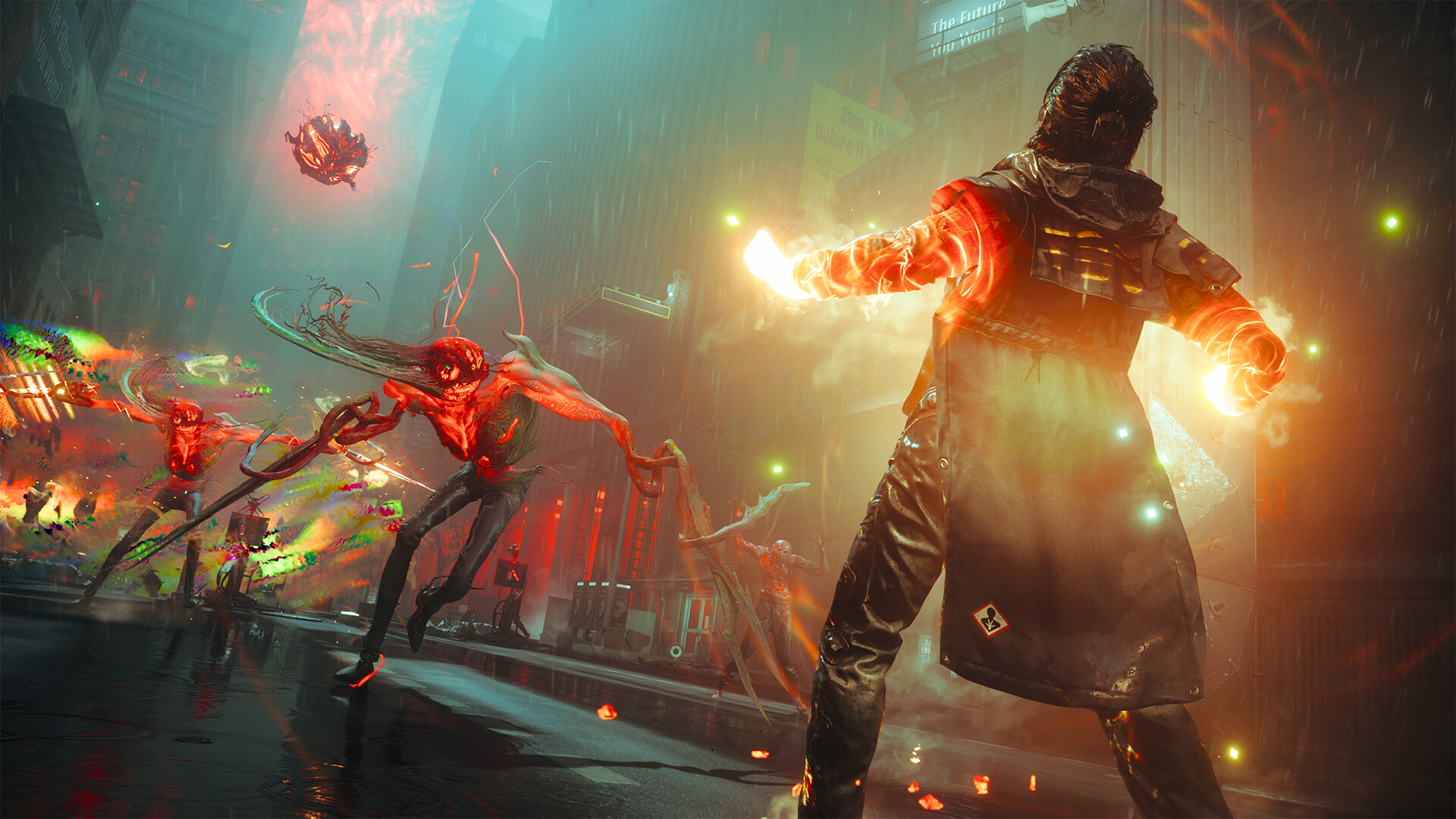
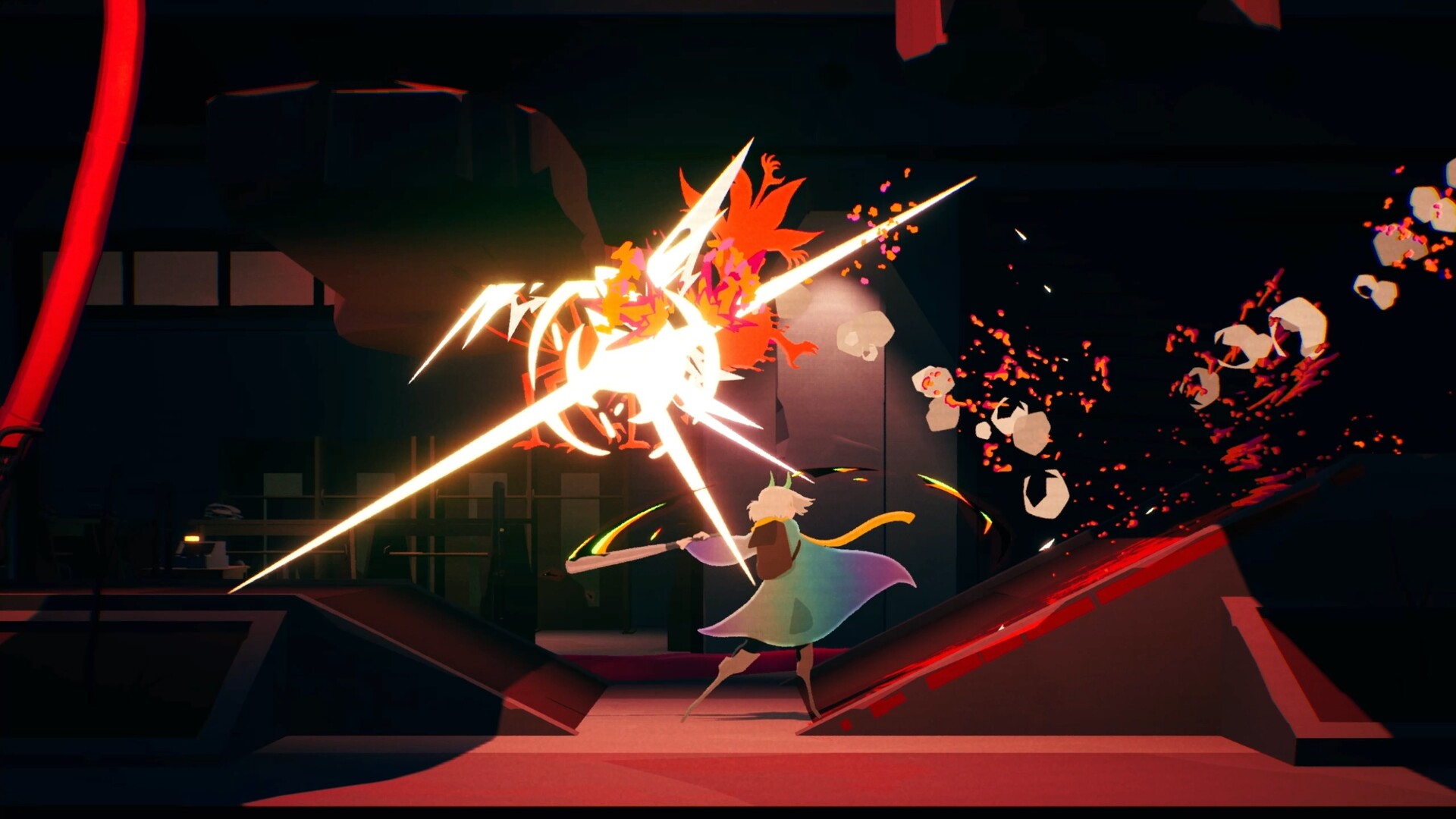
Possessor(s) shipped in November 2025. Hyper Light Breaker did not get the same ending: development wound down in October 2025 while the game was still in early access, accompanied by an earlier round of layoffs. Some of the employees who remained after that round unionised in March 2026.
This week's cuts are far deeper, and they arrive for a reason that has become grimly routine — not a game that failed commercially, but a funding deal that evaporated before anything was announced. When a studio's runway is a single publisher contract, a decision made in someone else's boardroom is enough to end it.
Preston says he will keep pushing to find a path forward. What that looks like for a studio with almost no staff left is an open question, and the answer may not be up to him.