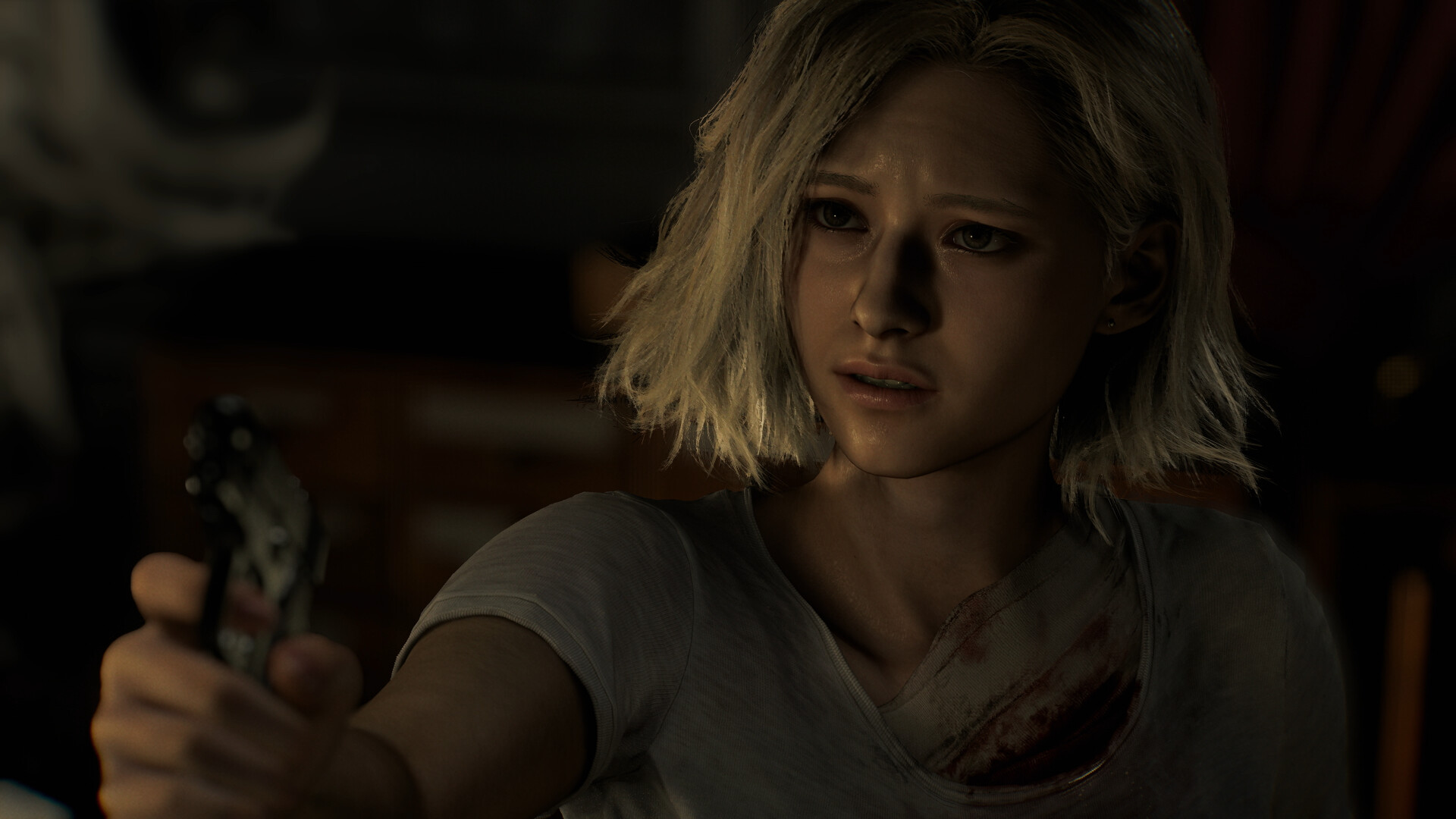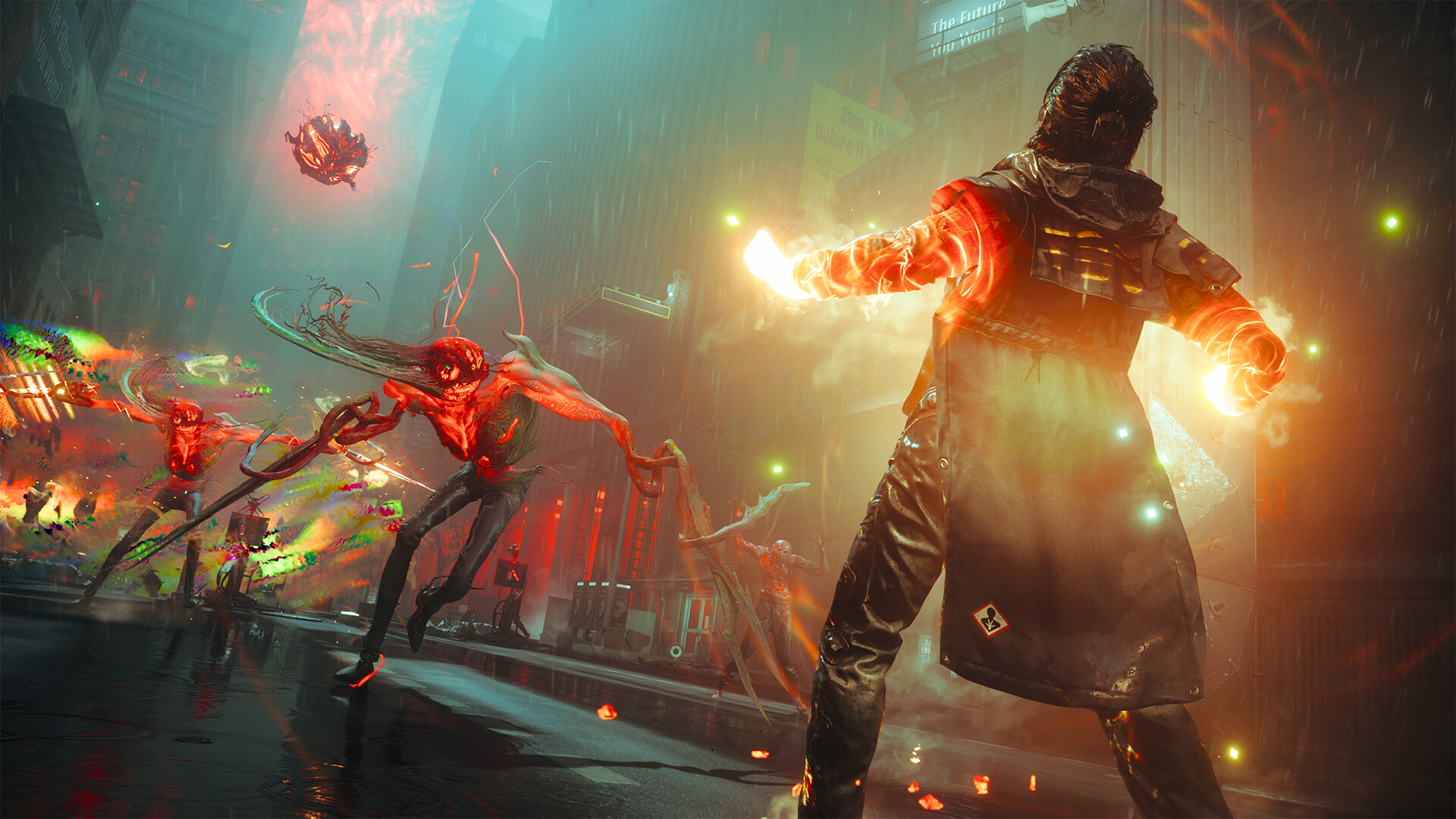
It is one of the bleakest sequences of events 2026 has produced: a small studio ships a critically acclaimed game with a day-one Game Pass deal, watches it land to strong reviews and positive word of mouth — and then, less than a month later, the entire team is let go. That is what happened to Kwalee Labs, the studio behind the bullet-hell shooter Luna Abyss, whose staff were made redundant on June 16, just 26 days after launch.
CEO Hollie Emery confirmed the layoffs publicly, saying the nine-person team was let go effective that Monday and is now looking for work. Emery did not give a specific reason beyond stating the decision was “completely outside of our control.” Kwalee, the UK-based publisher that owns the studio, has so far offered no public explanation.
The game was the opposite of a flop
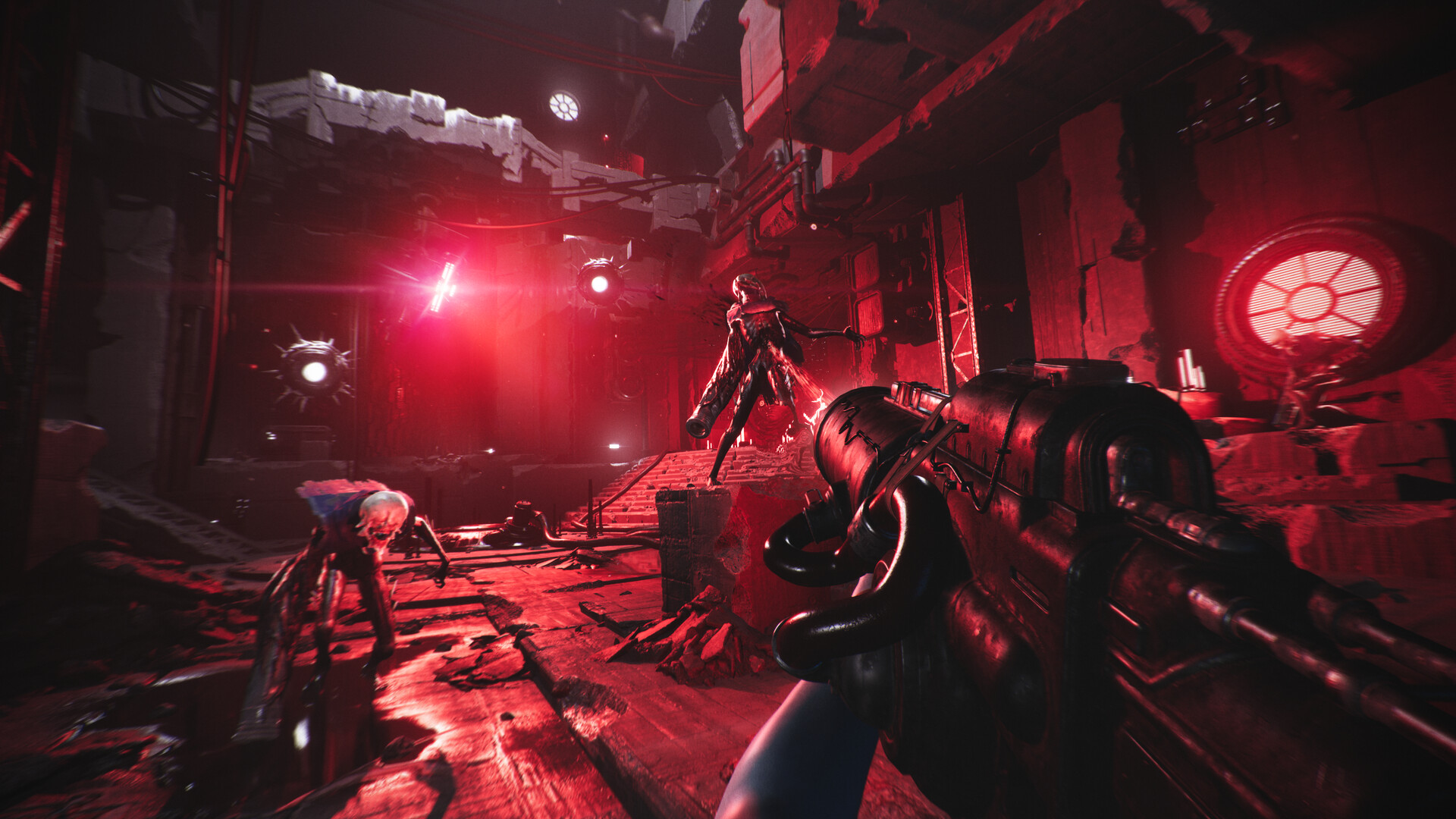
What makes this especially hard to square is that Luna Abyss was, by most measures, a success on its own terms. The single-player, story-driven action-adventure — a fluid mix of first-person platforming and bullet-hell combat following a prisoner named Fawkes through the depths of a doomed moon — launched May 21 on Steam, PS5 and Xbox Series X|S, and arrived day one on Xbox Game Pass. It holds an 81 on Metacritic and roughly 86 percent positive user reviews across more than 600 ratings on Steam.
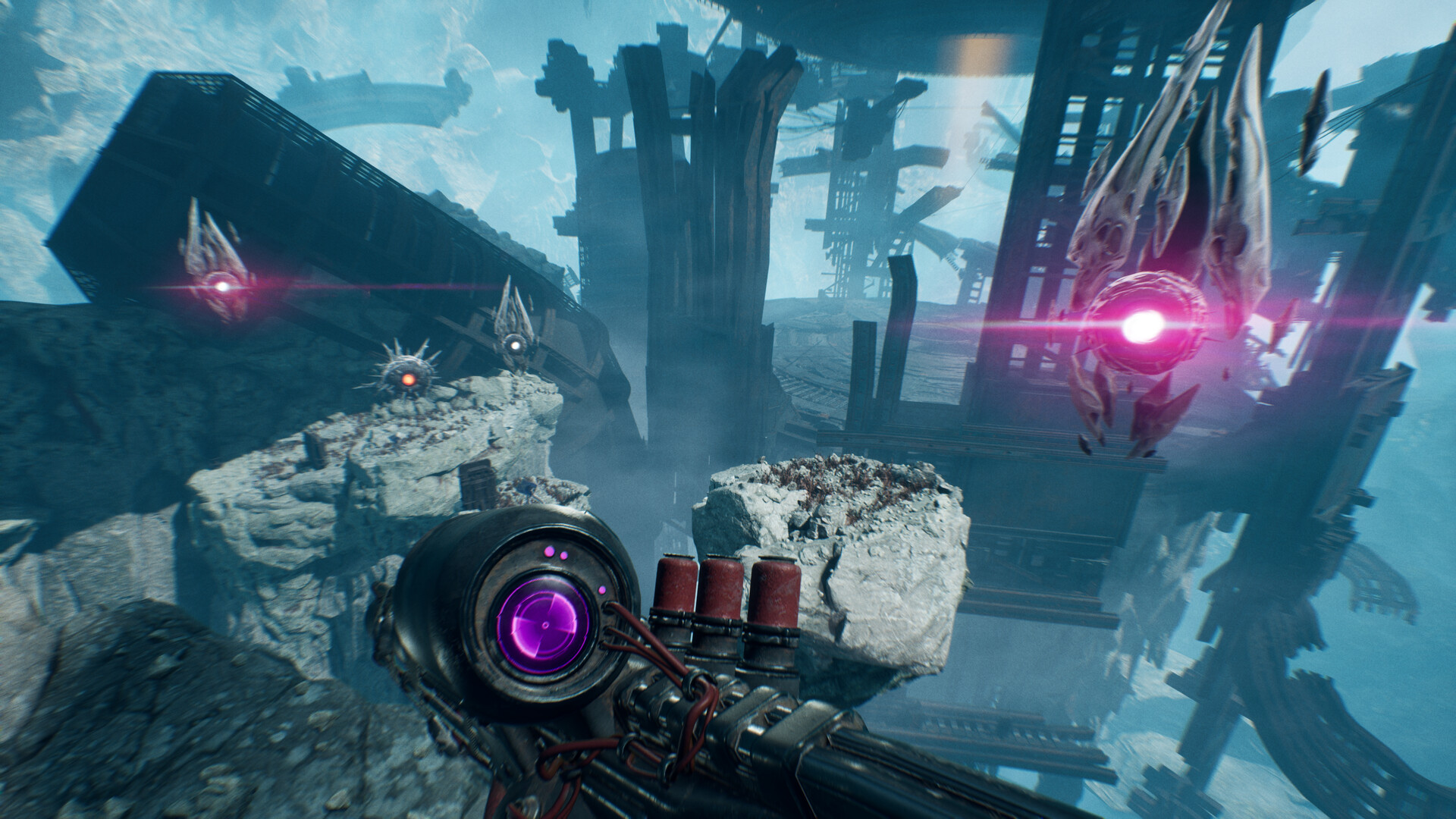
Seven years, two studio names, one outcome
The team built Luna Abyss over roughly seven years. They originally founded the studio as Bonsai Collective in 2019 — the same year the game entered development — before financial trouble caught up with them: in September 2025 Bonsai Collective entered UK insolvency administration and was acquired by Kwalee through that process, which renamed it Kwalee Labs. The game they had poured most of a decade into finally shipped, reviewed well, and then the studio was wound down anyway.
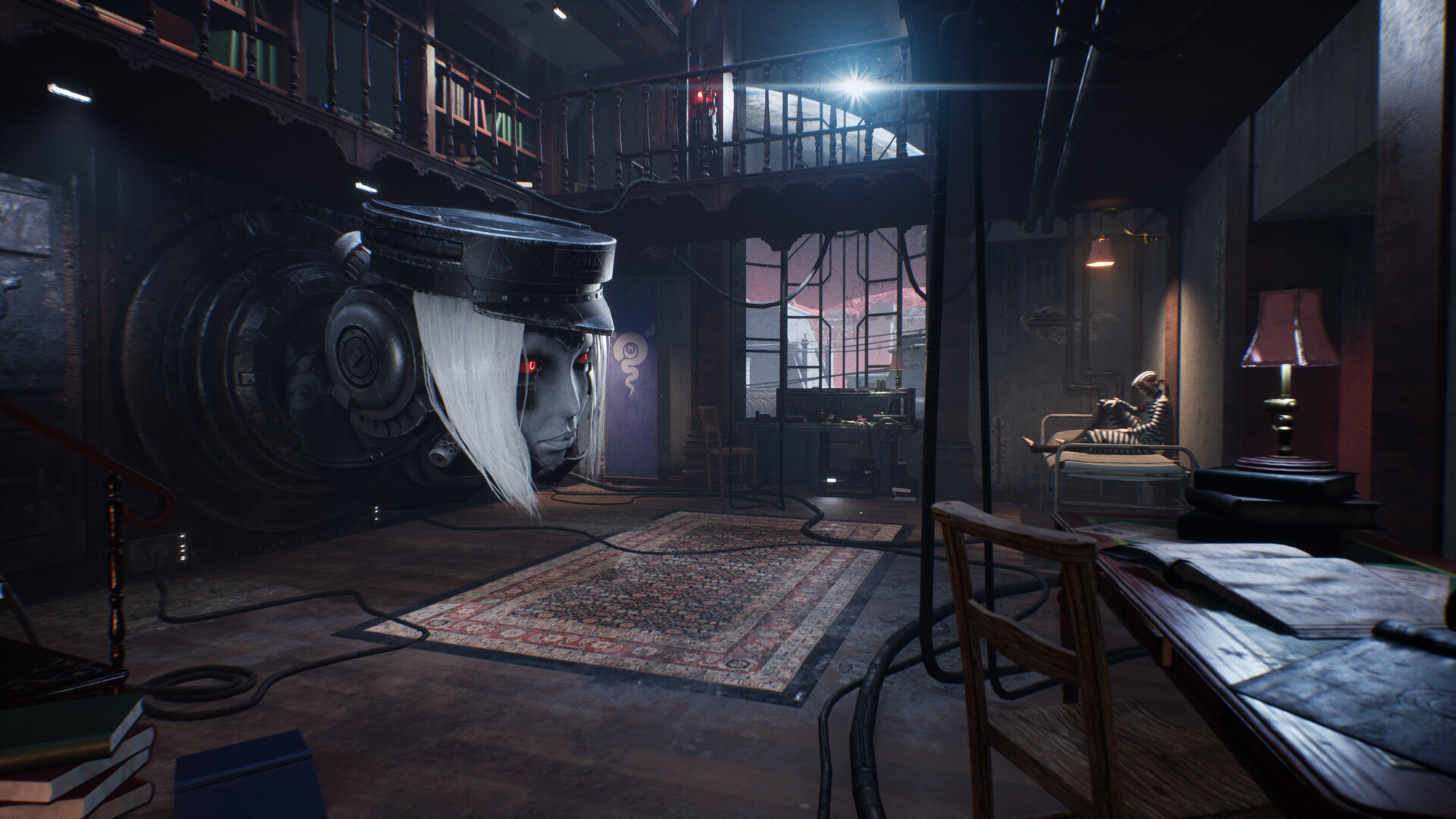
A familiar, grim pattern
Luna Abyss now joins a long and depressing list of 2026 closures and layoffs in which good reviews and even a high-profile subscription placement were not enough to keep the lights on. It is a stark reminder that, in the current market, a game performing well critically does not guarantee its makers a future — and that the people most responsible for a hit are often the first to pay when the business math does not work out. If you enjoyed Luna Abyss, the most useful thing you can do now is help its former developers find their next jobs.