Sega has signed a three-project deal with Netflix, and the shape of it says a lot about how the company now thinks about its back catalogue. A live-action Crazy Taxi comedy film. A live-action crime film based on Stranger Than Heaven, the Ryu Ga Gotoku Studio game that has not even come out yet. And a new animated Sonic the Hedgehog series aimed squarely at upper-preschoolers. No release dates for any of them.
Taken one at a time, these look like three unrelated greenlights. Taken together, they are a company that watched the Sonic films gross well over a billion dollars and decided the lesson was not "make more Sonic films" but "the rest of the vault is worth something too."
Crazy Taxi gets a comedy, and the timing is not an accident
The Crazy Taxi film is being written by Dan Gregor and Doug Mand, whose most recent credit is the 2025 Naked Gun reboot. Neal H. Moritz and Toby Ascher of Original Film are producing alongside Sega's Toru Nakahara - the same producer attached to the live-action Sonic movies, and, as it happens, to all three of these new projects.
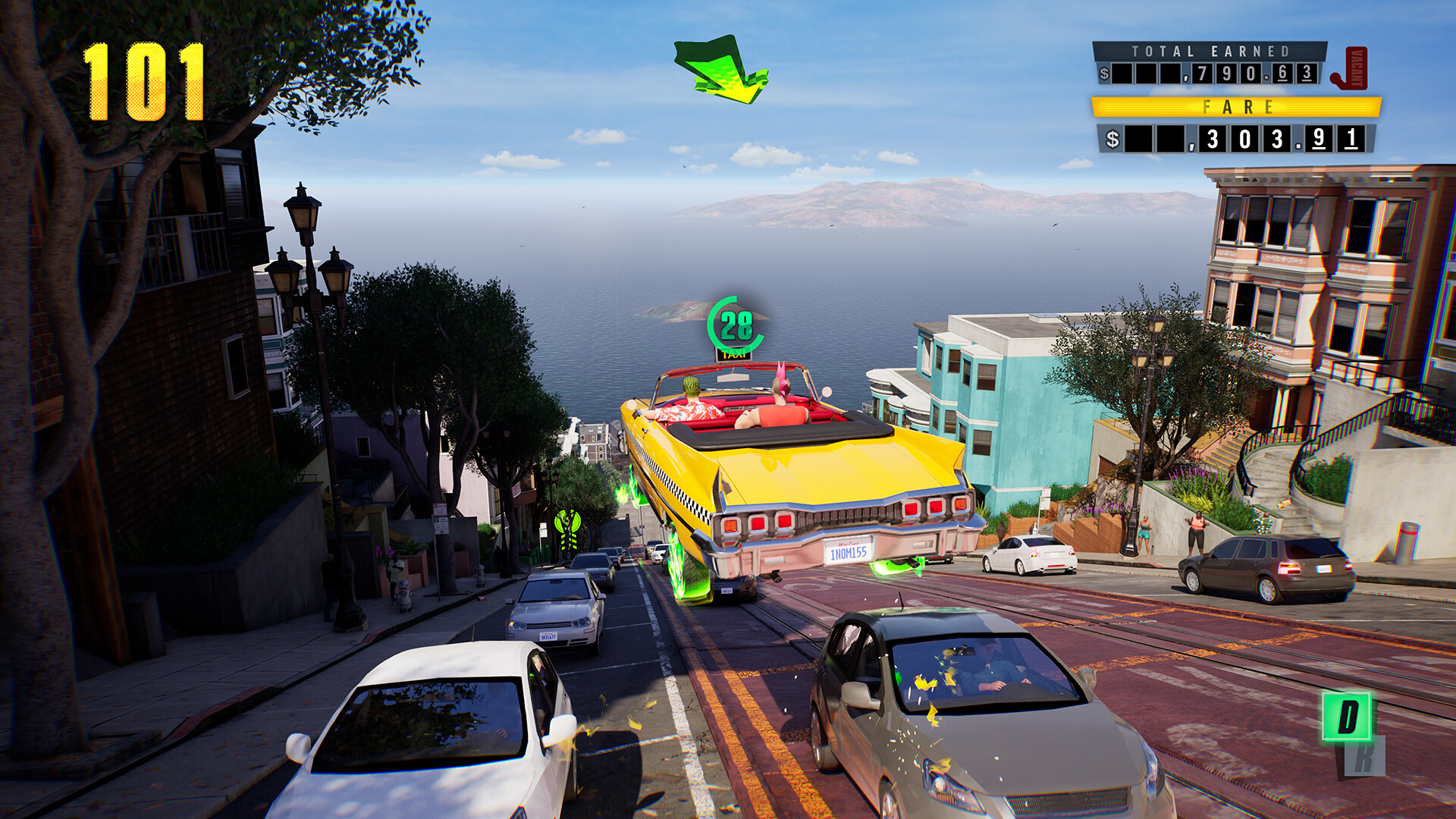
Handing Crazy Taxi to the people who just made a Naked Gun film is the single most legible decision in the whole announcement. Crazy Taxi has no plot. It has a yellow convertible, a punk soundtrack, a fare meter and an unbroken sixty seconds of near-misses. There is no lore to protect and no fanbase waiting to litigate a canon. What there is, is a tone - loud, sunny, fundamentally silly - and a comedy writing team is the right instrument for that.
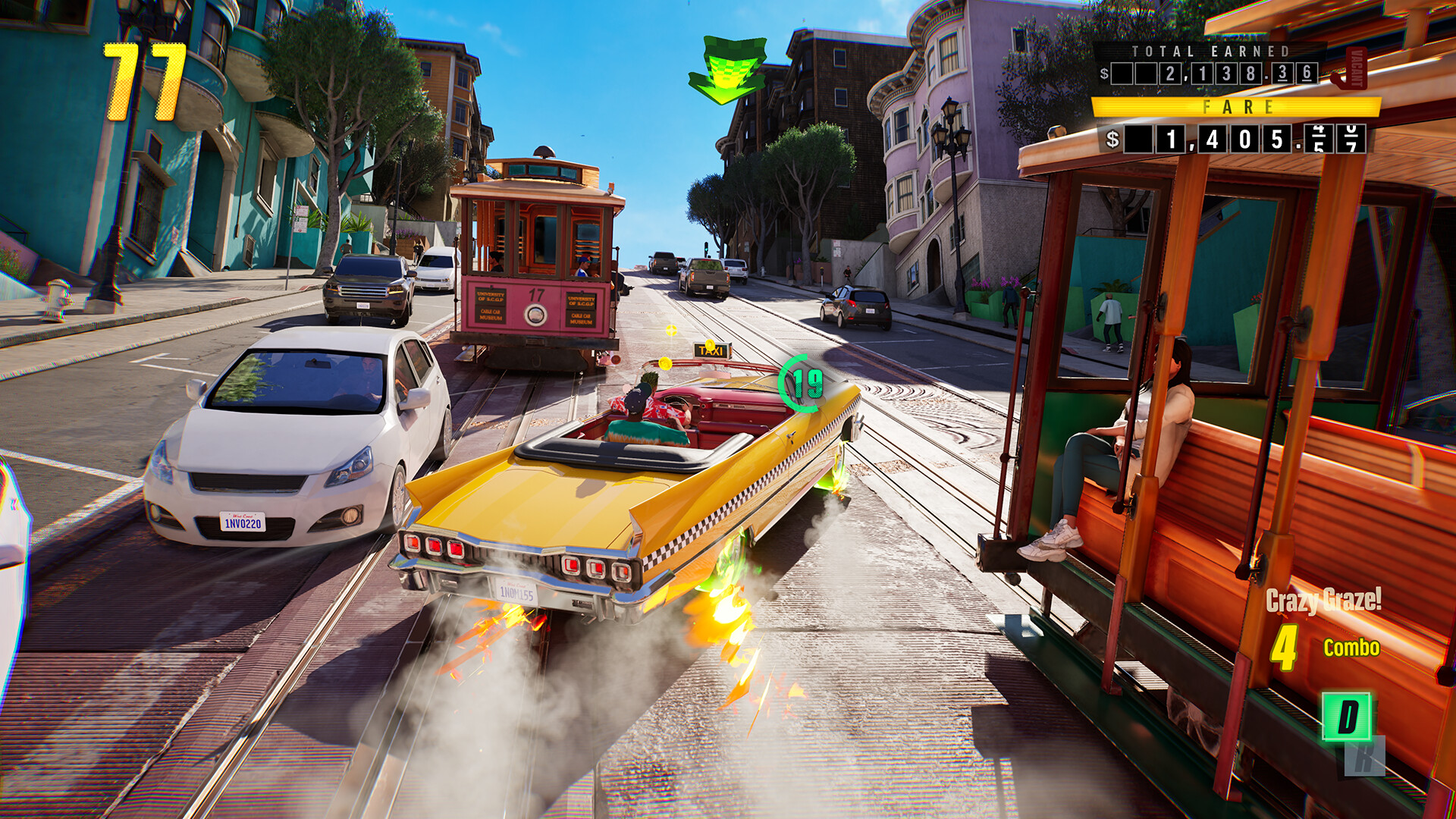
It also arrives at a convenient moment. Crazy Taxi: World Tour, the series revival that was shown at gamescom Opening Night Live last month, is due in 2027 across PC and consoles. Axel is chasing a stolen cab and a mysterious organisation across real-world cities, and Sega has been drip-feeding location trailers for it all summer. A film in development and a new game in the same window is not a coincidence; it is a franchise being switched back on at the mains.
Stranger Than Heaven, adapted before anyone has played it
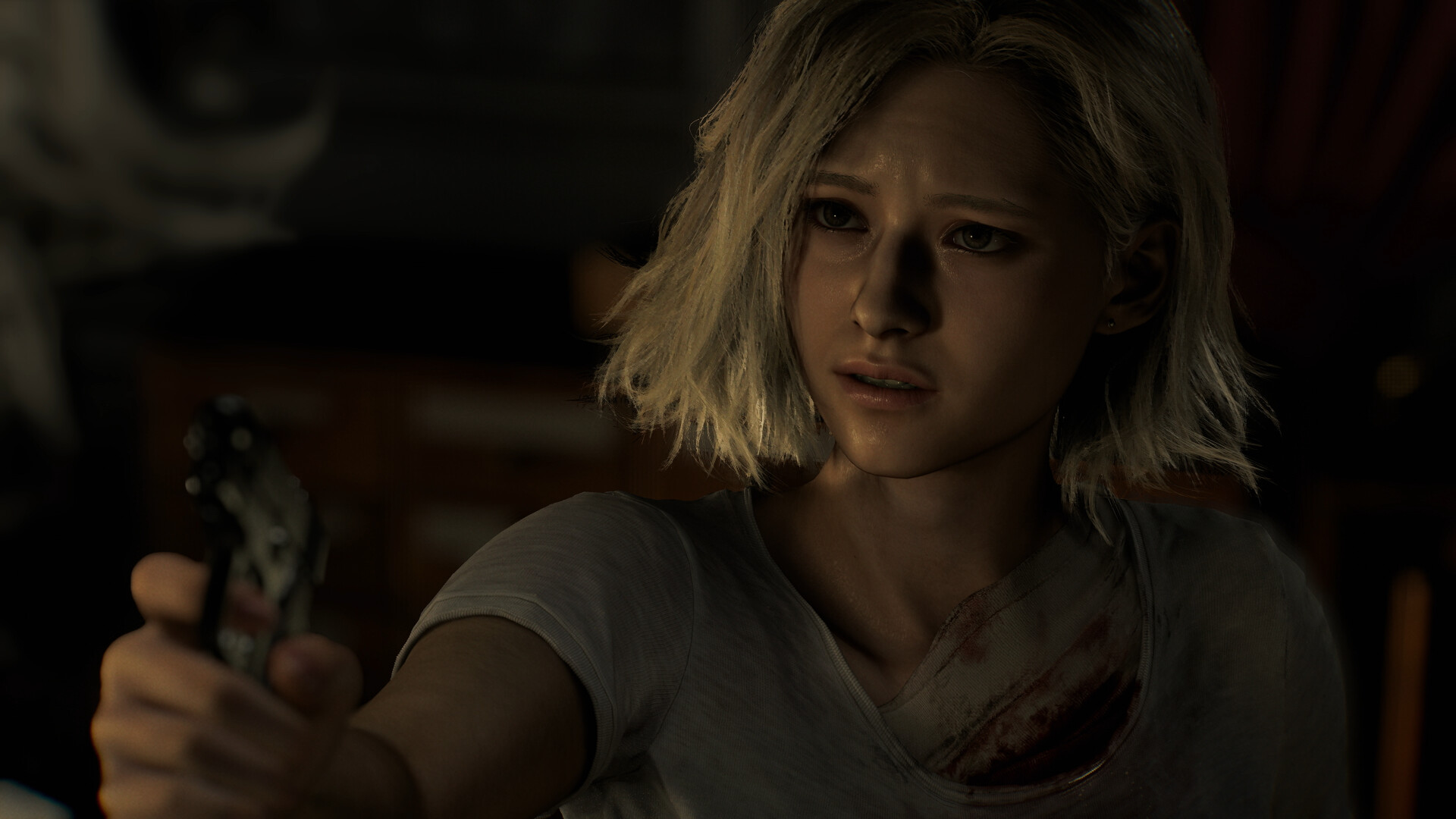
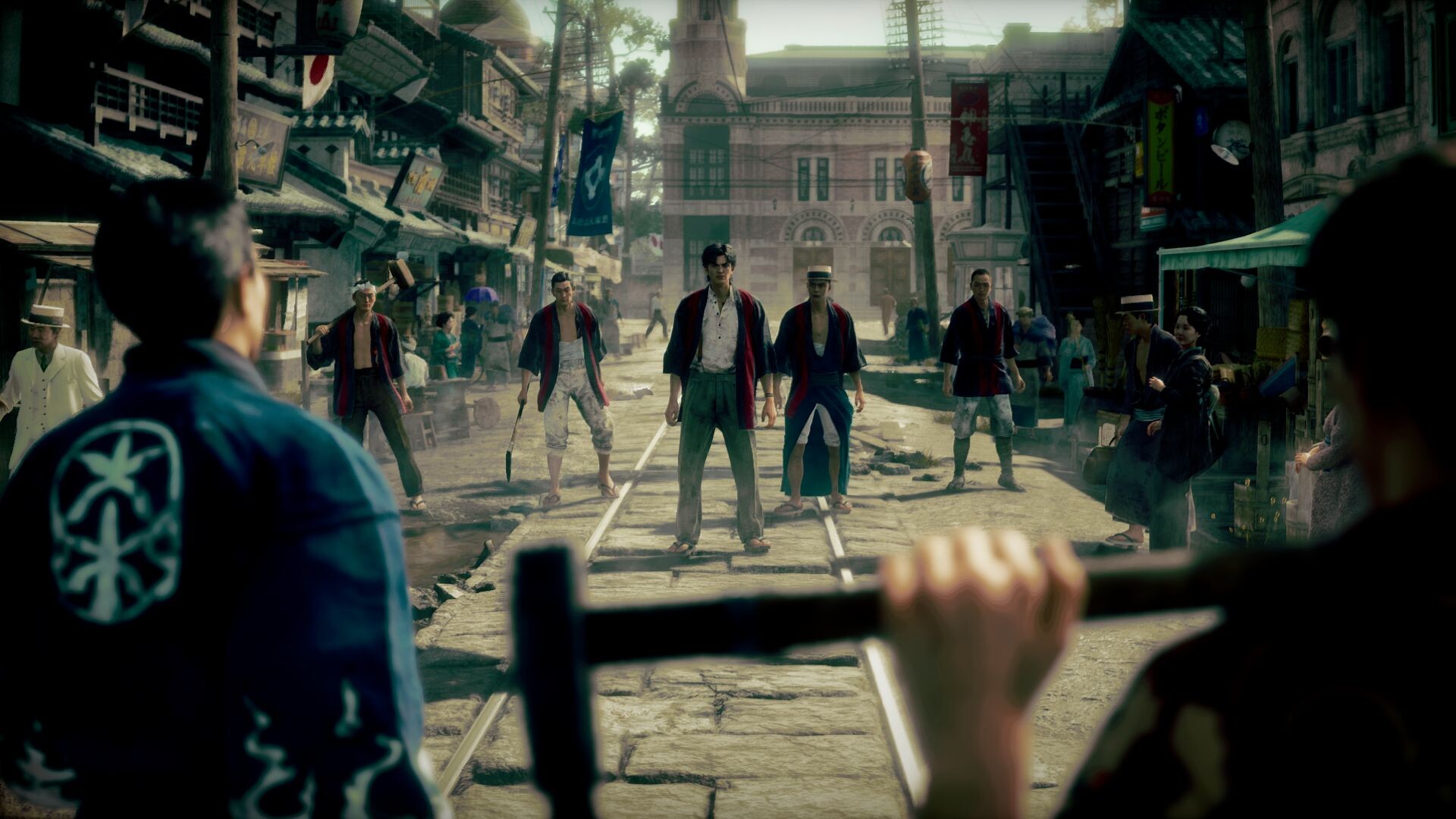
The odder pick is Stranger Than Heaven. RGG Studio's next game - the Yakuza and Like a Dragon team working outside that series - does not launch until 15 January 2027. Netflix is adapting it anyway.
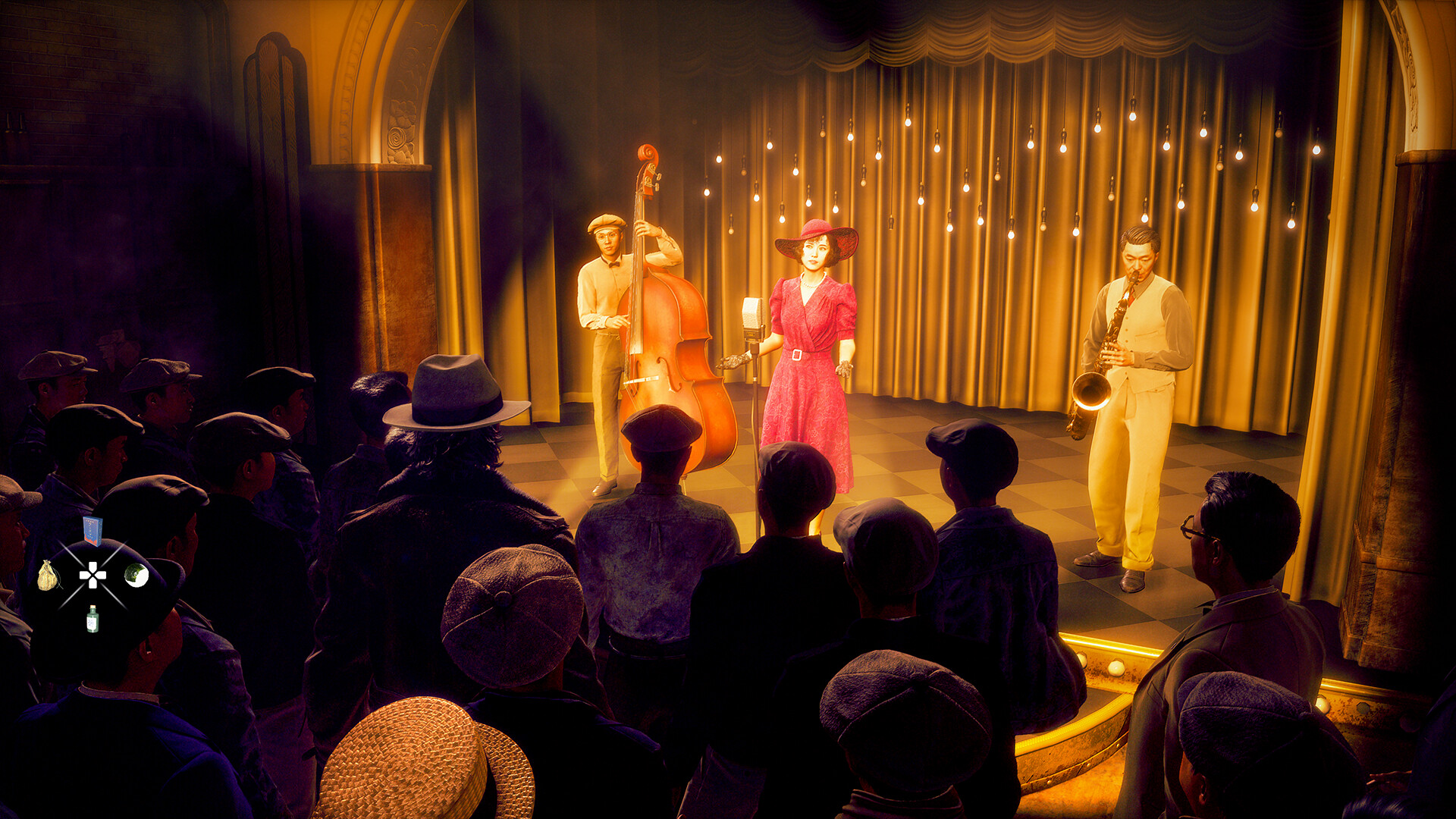
On paper it is easy to see why. The game spans fifty years and five cities of modern Japan, following a foreigner who climbs from destitution to feared yakuza to entertainment tycoon. That is a prestige-crime-drama logline as much as a game pitch: an outsider, an era-spanning rise, a criminal underworld and a showbusiness one running in parallel. It is the kind of material that survives translation to screen because the story was never really dependent on the controller.
The risk is the obvious one. Adapting a game before its audience exists means the film is being built on a story nobody has finished yet, and any reaction to how that story actually lands - which parts work, which characters people latch onto - arrives too late to shape the screenplay. Sega is betting on the pitch rather than on the reception.
A Sonic show for four-year-olds
The third project is the quietest and probably the most commercially rational. Carlos Stevens and Nakahara are producing a new animated Sonic series pitched at upper-preschool viewers - described as high-voltage and comedic, but emotionally grounded, for kids who want a little edge without the show actually being edgy.
Sonic already has an animated Netflix series in Sonic Prime, but that one was aimed considerably older. A preschool show is a different business entirely: it runs for years, it is watched on repeat, and it is the most reliable way a character stays a household name across a generation that is too young for the films. Sega is not chasing a hit here so much as an installed base.
What this actually signals
Sega's adaptation strategy used to be one franchise deep. The Sonic films worked, a Knuckles series followed, and the rest of the catalogue - Crazy Taxi, Jet Set Radio, Streets of Rage, Golden Axe, all the properties the company keeps promising to revive - sat in a drawer. This deal opens the drawer, and it does so alongside a game revival programme that is already in motion.
Whether any of it is good is a question for a long way down the road. None of the three has a date, a cast, or a director attached. But the direction of travel is unambiguous: Sega has stopped treating its 1990s and 2000s libraries as nostalgia to be licensed out in compilations, and started treating them as material.