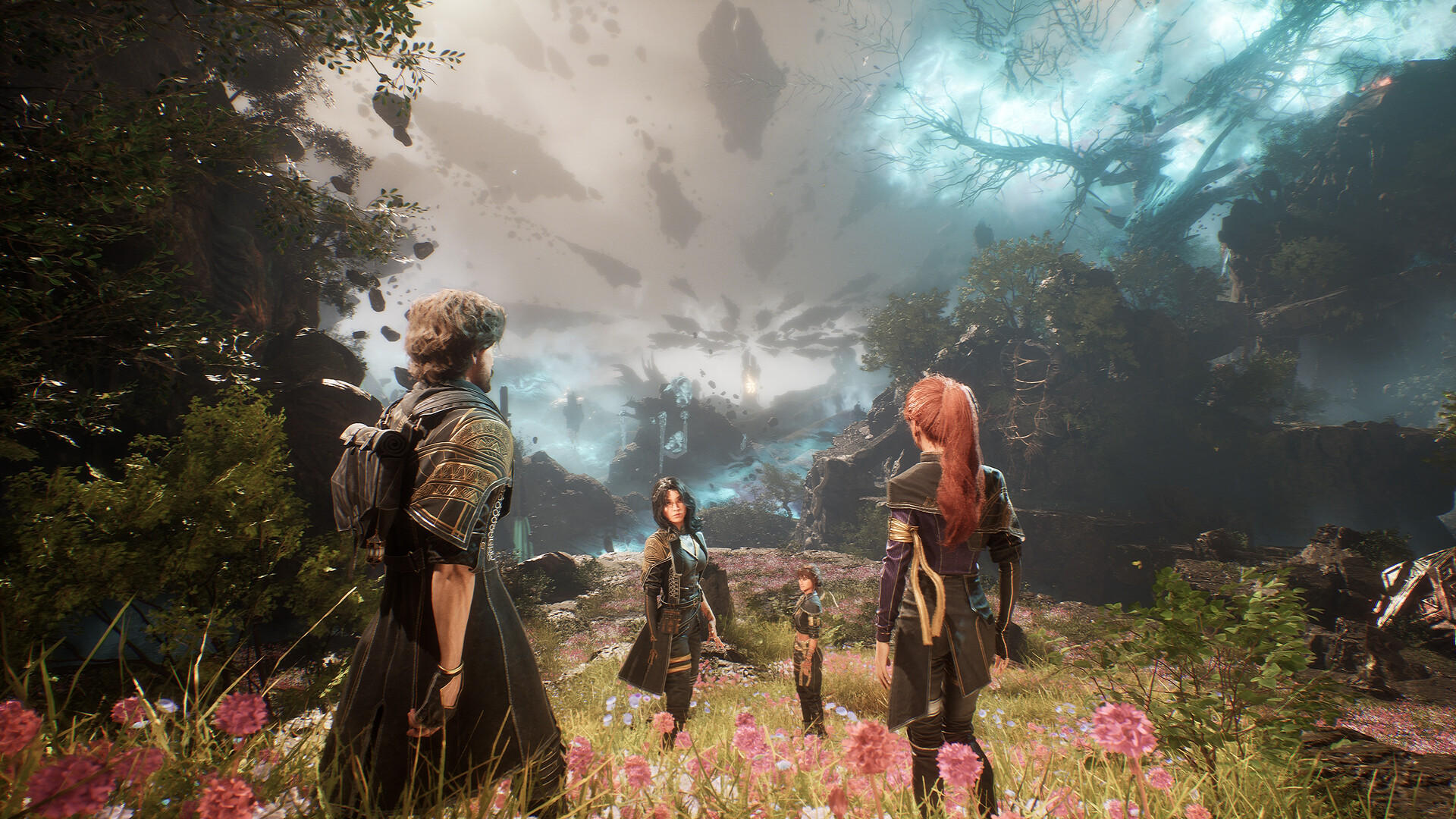
One of 2025's biggest RPG success stories nearly went to market without the label that now defines it. Shuhei Yoshida, the former head of PlayStation's worldwide studios, says he specifically advised the developers of Clair Obscur: Expedition 33 not to describe their game as a turn-based RPG — because in the market as it stood at the time, he believed the phrase alone would cost them players.
Yoshida saw the game roughly two years before launch, in his capacity as an advisor to publisher Kepler Interactive. His reaction to the combat was immediate and positive: he described it as a combination of turn-based JRPG mechanics with real-time action inputs, comparing the feel to The Legend of Dragoon. What worried him was not the game. It was the shelf it would be put on.
His advice to Sandfall Interactive, as he recalls it, was that the game was incredibly well made, but that it would be better not to call it a turn-based RPG — that the label on its own might cause players to overlook it entirely.
The label problem was real
It is easy to forget how unfashionable the turn-based RPG looked two years ago. The dominant read across the industry was that turn-based combat signalled old to a mainstream audience, and publishers had spent a decade converting their historically turn-based franchises to real-time action for exactly that reason. Yoshida, who spent three decades inside Sony and watched that conversion happen from the inside, was not offering an aesthetic opinion. He was offering a marketing one.
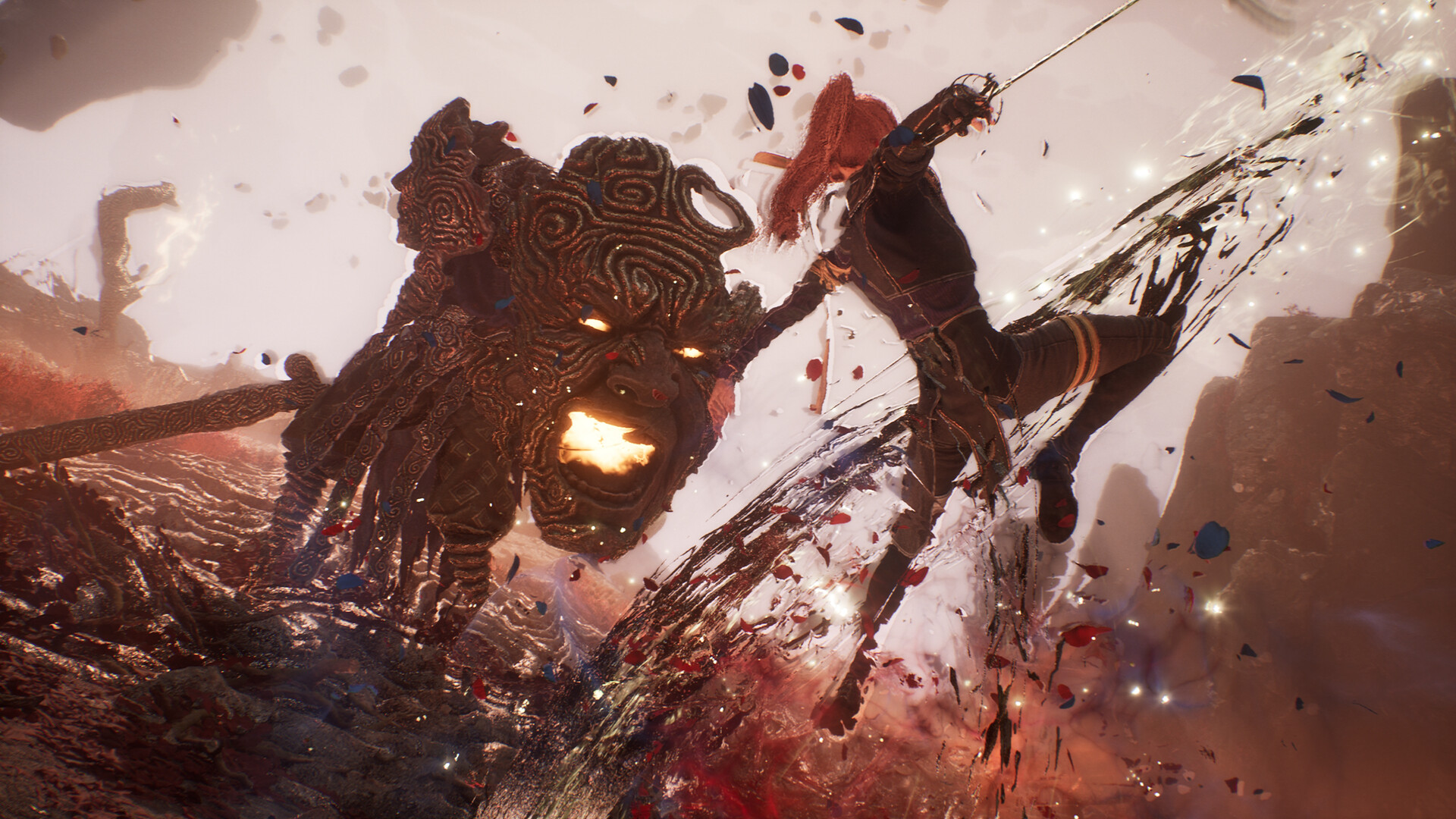
Sandfall took the note and adjusted the framing. Rather than lead with the genre term, the studio and Kepler leaned on language like “reactive turn-based” combat — a description that is also, usefully, more accurate. Expedition 33 does take turns, but it asks you to dodge, parry and free-aim in real time on the enemy's turn, which means a fight can be won or lost on execution rather than on the numbers you brought into it. The mechanical hook was the selling point; the genre label was the liability.
Then the game changed the market
What happened next inverted the entire problem. Expedition 33 launched in April 2025 from a studio of roughly thirty people, became one of the year's defining critical successes, and went on to take Best Game at the BAFTA Game Awards in 2026. Its commercial performance dwarfed what anyone had modelled for a debut project at that scale.
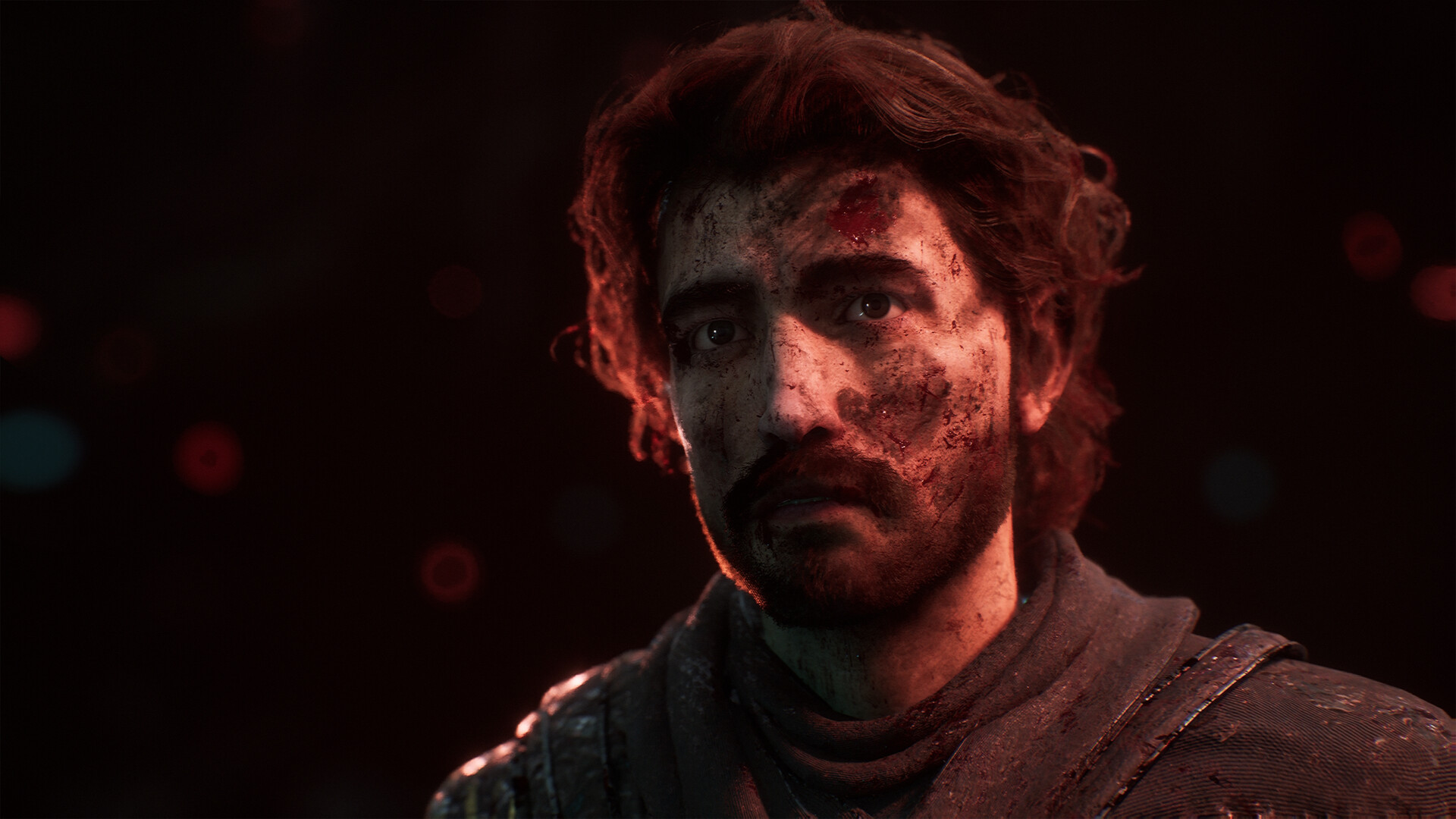
The consequence, by Yoshida's account, is that publishers are now receiving noticeably more turn-based RPG pitches than before. The stigma he was routing around in 2023 has been at least partly dismantled by the very game he was advising. That is a genuinely unusual outcome: the marketing workaround succeeded well enough that the workaround stopped being necessary.
It also complicates the tidy version of the story. The popular framing since launch has been that Expedition 33 proved audiences never disliked turn-based combat and that publishers had simply misread them. Yoshida's account suggests something more specific — that the audience was there, but the word was carrying baggage the game itself did not, and that getting people to press play required decoupling the two.
Advice that ages well
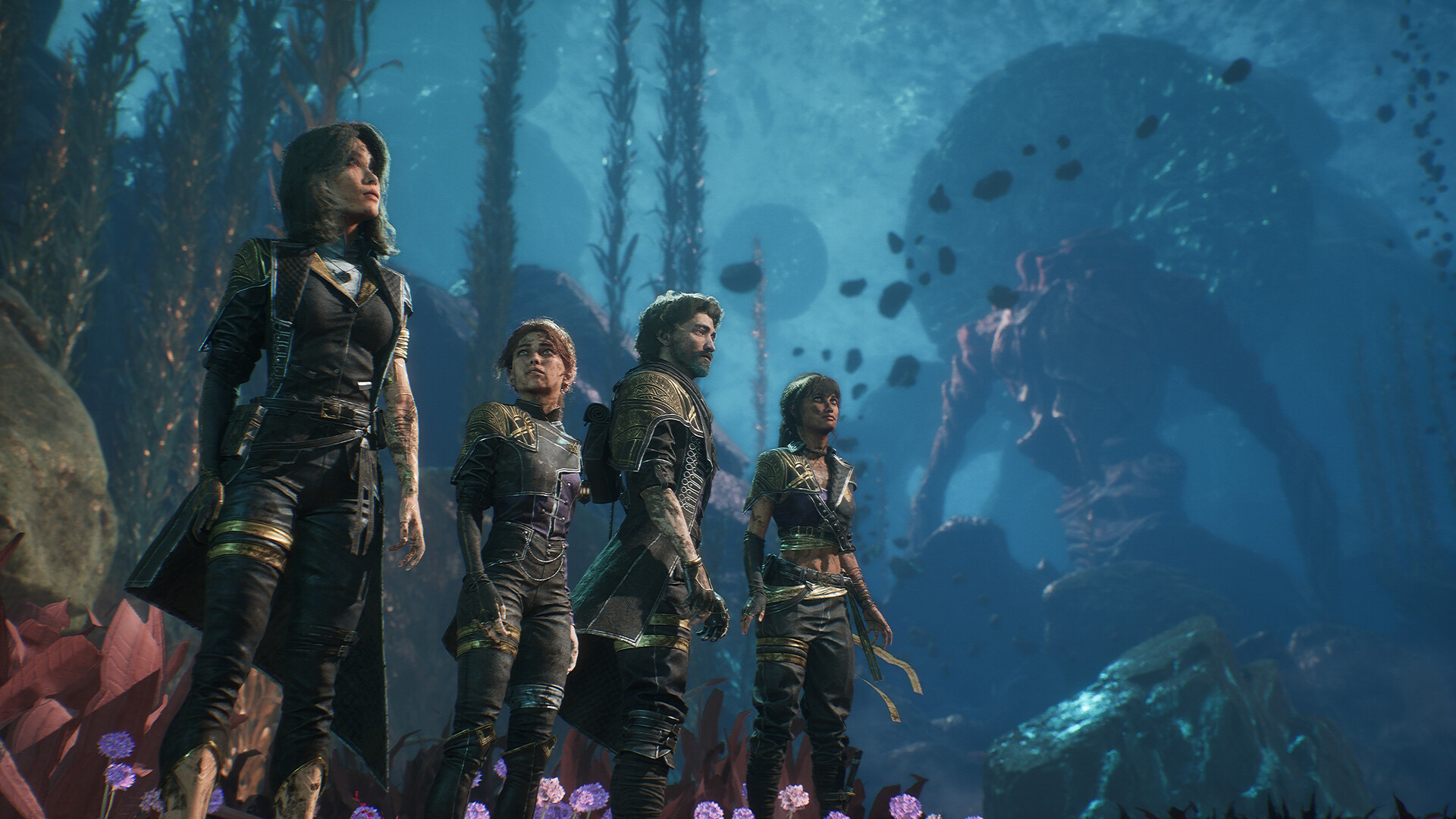
Yoshida left Sony Interactive Entertainment in early 2025 after a career that ran from Sony's earliest PlayStation days through his tenure as president of SIE Worldwide Studios and, later, as the public face of its indie initiative. Since leaving he has been unusually candid about what he saw and what he recommended, and this is one of the more instructive examples: a piece of pure positioning advice, given to a studio nobody had heard of, about a game that would go on to change what its genre could be sold as.
Whether Sandfall's next project will still bother hedging is an open question. On current evidence, it does not need to.