Warren Spector, one of the most quoted names in the history of the immersive sim, says he is done making games. In a statement posted to his LinkedIn page on Monday, the designer behind Deus Ex wrote that he is “retiring from game development” — before immediately hedging it with the line that has since travelled further than the announcement itself: “At least I think so.”
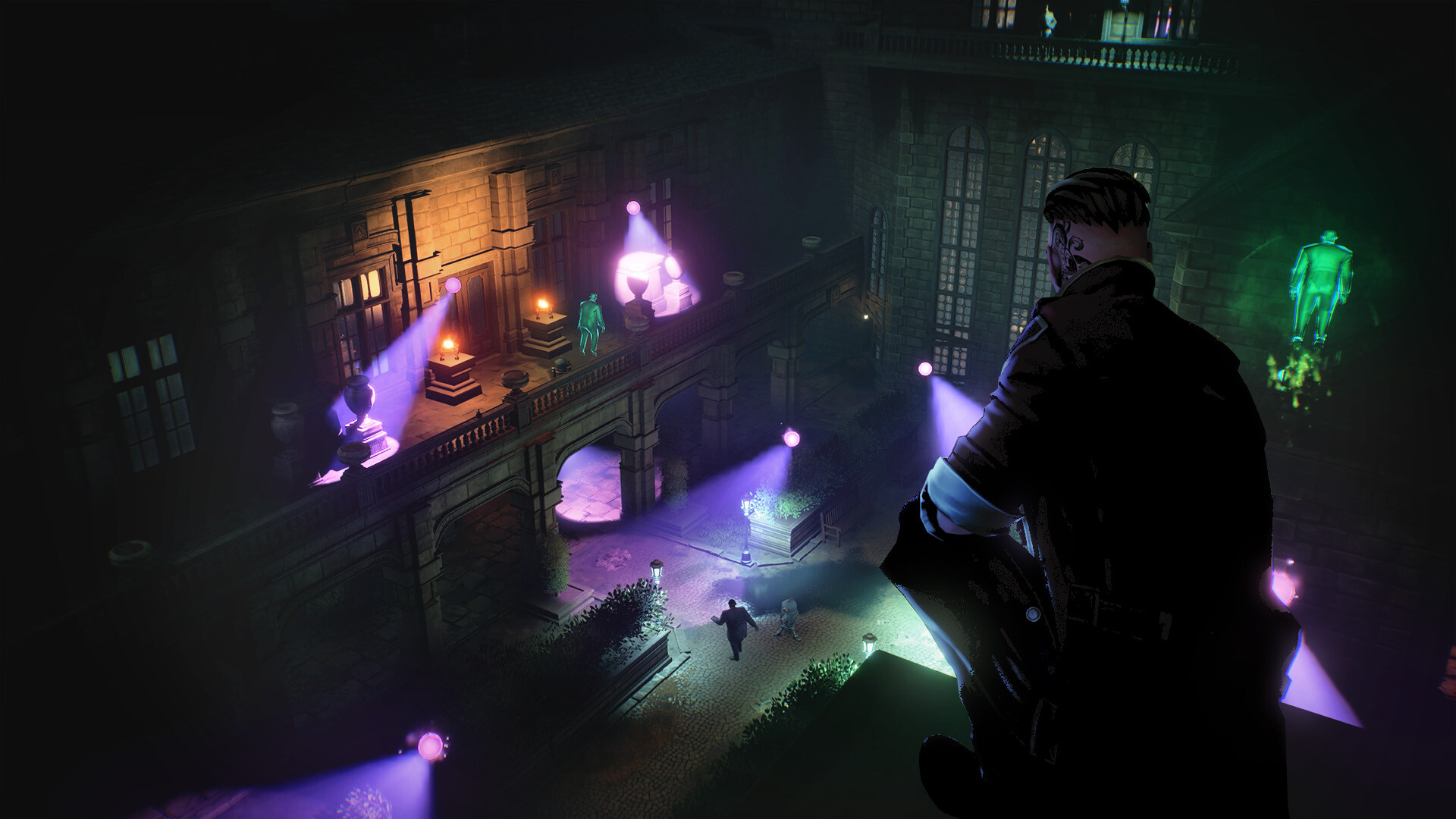
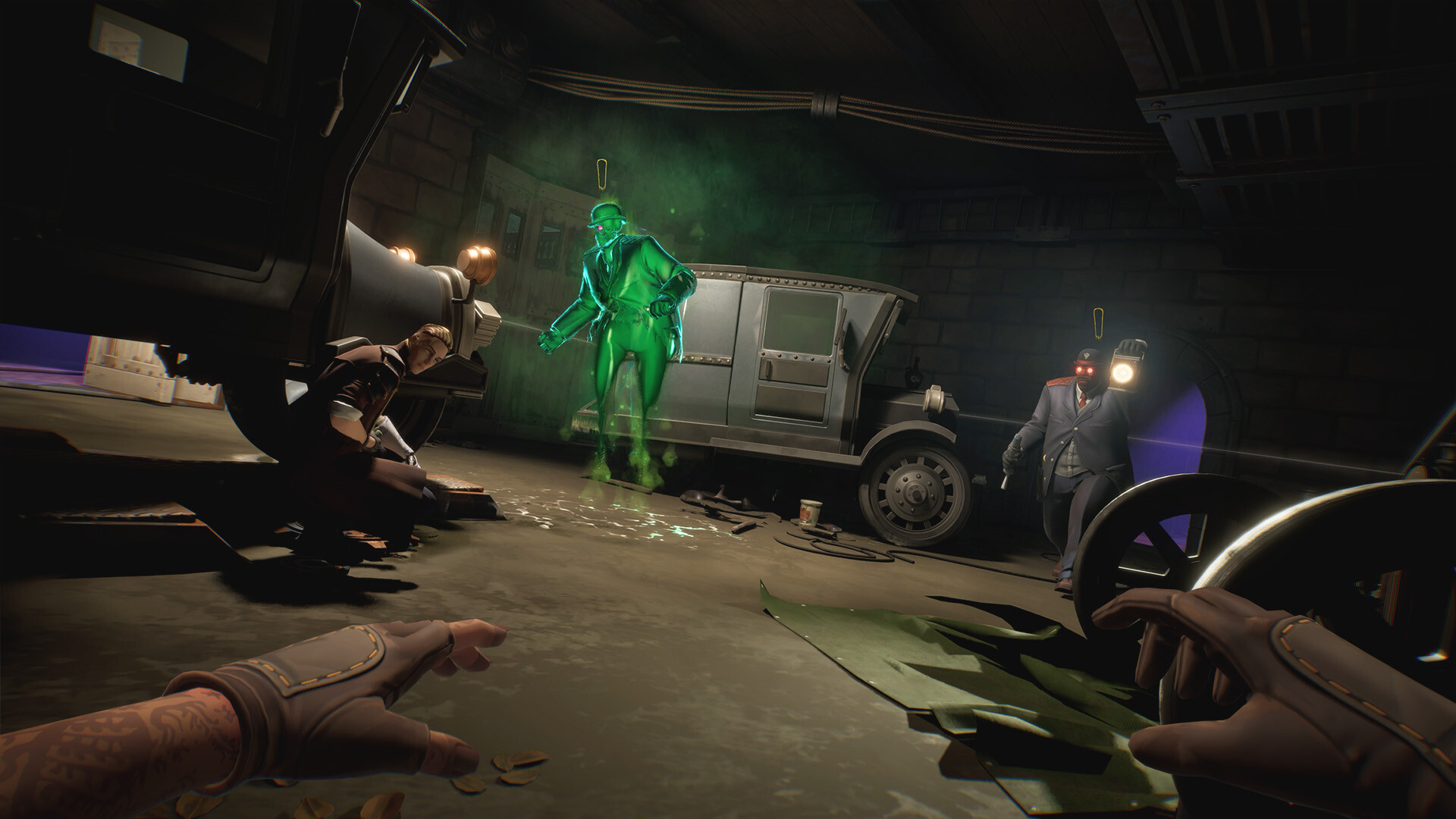
Spector acknowledged that he has walked up to this door before. He has been here previously and changed his mind, he wrote, but this time he is fairly confident he means it. That is about as firm a goodbye as anyone who has followed his career for four decades could reasonably expect, and it lands at a natural stopping point: Thick As Thieves, the stealth-heist game he directed at OtherSide Entertainment, shipped on Steam in May.
Forty-four years, seventeen games
The numbers Spector attached to his own career are worth sitting with. By his count it adds up to 44 years in the industry, 17 full titles and roughly nine add-on packs. That ledger runs through some of the most influential PC games ever built: the Ultima series and Ultima Underworld at Origin Systems, Wing Commander, System Shock, Thief: The Dark Project at Looking Glass, Crusader: No Remorse, and then Deus Ex in 2000 — the game that gave a generation of designers a vocabulary for player choice, and gave the internet one of its most durable running jokes about reinstalling it every time someone mentions it.
After Deus Ex and its sequel, Spector founded Junction Point Studios, which Disney acquired in 2007 and which produced Epic Mickey and Epic Mickey 2. Disney shuttered the studio in 2013. He resurfaced at OtherSide Entertainment alongside Looking Glass co-founder Paul Neurath, where the long-gestating Thick As Thieves eventually became his last shipped credit.

Not as much fun for me anymore
The reasoning Spector gave is a mix of the personal and the structural. With everything behind him, and with age and health catching up, he wrote that he feels he has done what he set out to do. But he was also blunt about the industry itself: the game business has changed, he said, and it is “just not as much fun for me anymore.” He added that a new generation of developers is coming up who deserve their time in the sun.
That is not a small admission from someone who spent the 1990s and 2000s arguing, loudly and in public, that games could be a serious expressive medium. It also arrives in a year that has been brutal for the people who make them. Studio closures and layoffs have continued through 2026 — Supermassive Games cut 75 roles this month, and Amazon Games exited MMO publishing entirely a week ago. A veteran designer saying the work has stopped being enjoyable reads differently against that backdrop than it would have a decade ago.
The most tantalising line in the whole statement is the one he left unresolved. There are three games in particular he would still like to make, Spector wrote, without naming any of them. He has spent years in interviews describing hypothetical projects — a game built entirely around conversation, a smaller-scale immersive sim, a return to the kind of systemic sandbox that Deus Ex only partly delivered on. Which three he meant is now a matter for speculation, and possibly for one of the books he says he intends to write.
What comes next
Spector's post-development plans are unglamorous by design: writing books, doing a lot of reading, some lecturing, possibly some consulting, and returning to the piano. He has been a fixture on the conference circuit for decades and taught at the University of Texas at Austin, so lecturing is less a career change than a shift in emphasis.
The consulting caveat is worth noting, as is the hedge at the end of his opening line. Spector is not announcing that he is unreachable; he is announcing that he no longer wants to be the person shipping the game. Given that he has reversed a retirement before, nobody in the immersive-sim community is likely to treat this as final. But if it is, it closes a line that runs unbroken from Ultima Underworld's dungeon crawl in 1992 to a first-person heist in a rain-slicked industrial city in 2026 — the same design instinct, expressed across three and a half decades of hardware.
His influence is not really in dispute. Every game that lets you talk your way past a guard, stack crates to reach a window you were not meant to reach, or solve a level in a way the designers did not anticipate is drawing on a design philosophy he spent a career arguing for. The people currently building those games are the new generation he says deserves their turn.