Supermassive Games is cutting up to 75 jobs, the studio confirmed on August 11. It is the third round of layoffs at the Until Dawn developer in two and a half years, and on the studio's own most recent headcount it would remove close to half the company.
The statement is short and does not dress it up: "We have made the difficult decision to begin a redundancy consultation process, which we anticipate will result in the loss of up to 75 of our colleagues." Supermassive described the cuts as a necessary step to help ensure the sustainability of the company, and said it will support affected staff through the consultation.
The arithmetic is ugly
Line the rounds up and the trajectory is hard to misread:
- February 2024 — roughly 90 roles cut
- July 2025 — roughly 35 roles cut
- August 2026 — up to 75 roles
Supermassive reported 172 employees at the end of 2025. Seventy-five out of that number is not a trim; it is a structural change to what the studio is capable of building. A team that shipped four Dark Pictures Anthology entries, The Quarry, the Until Dawn remake and Directive 8020 inside a decade does not do that at half size.
Directive 8020 is the pivot point
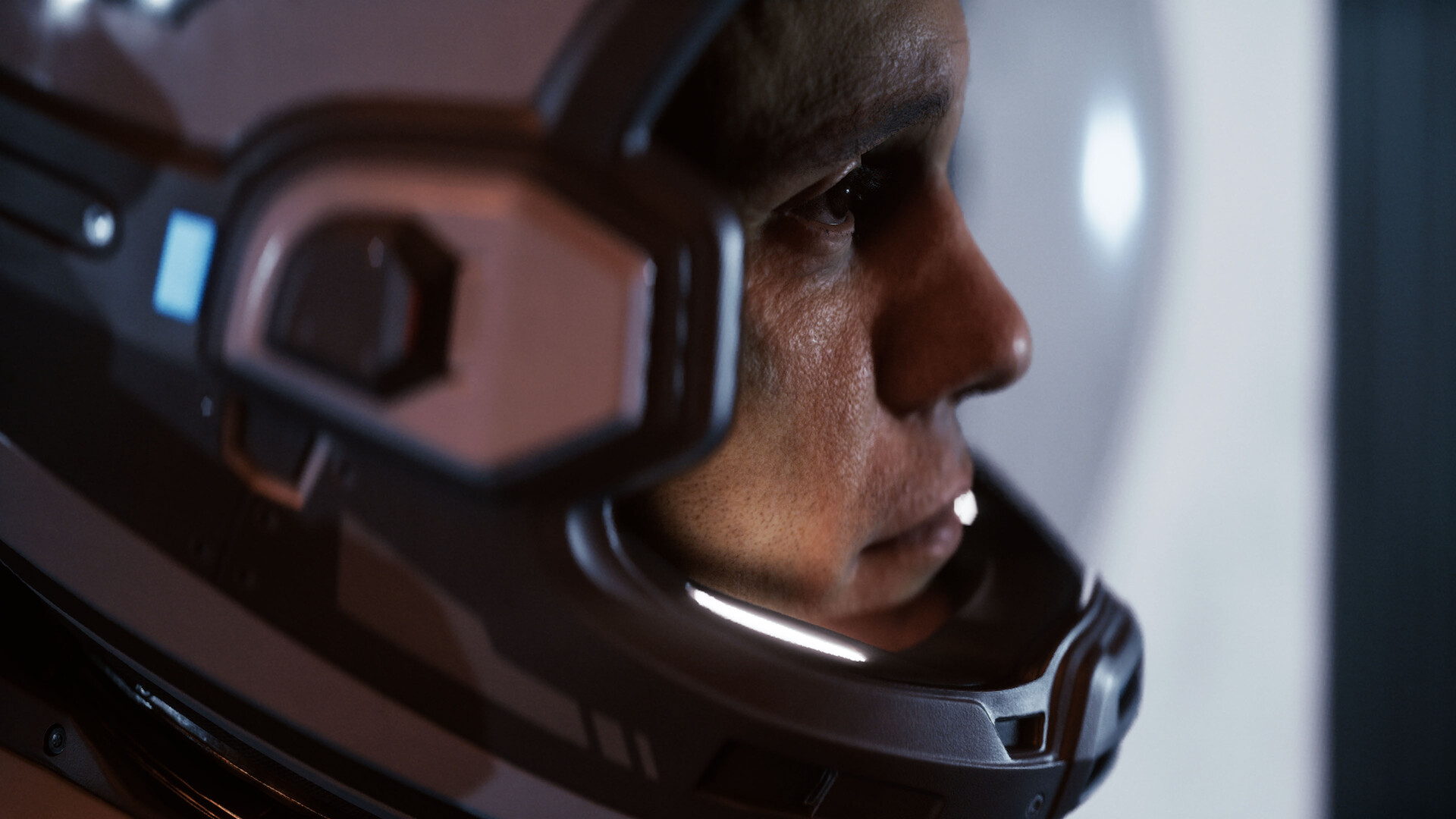
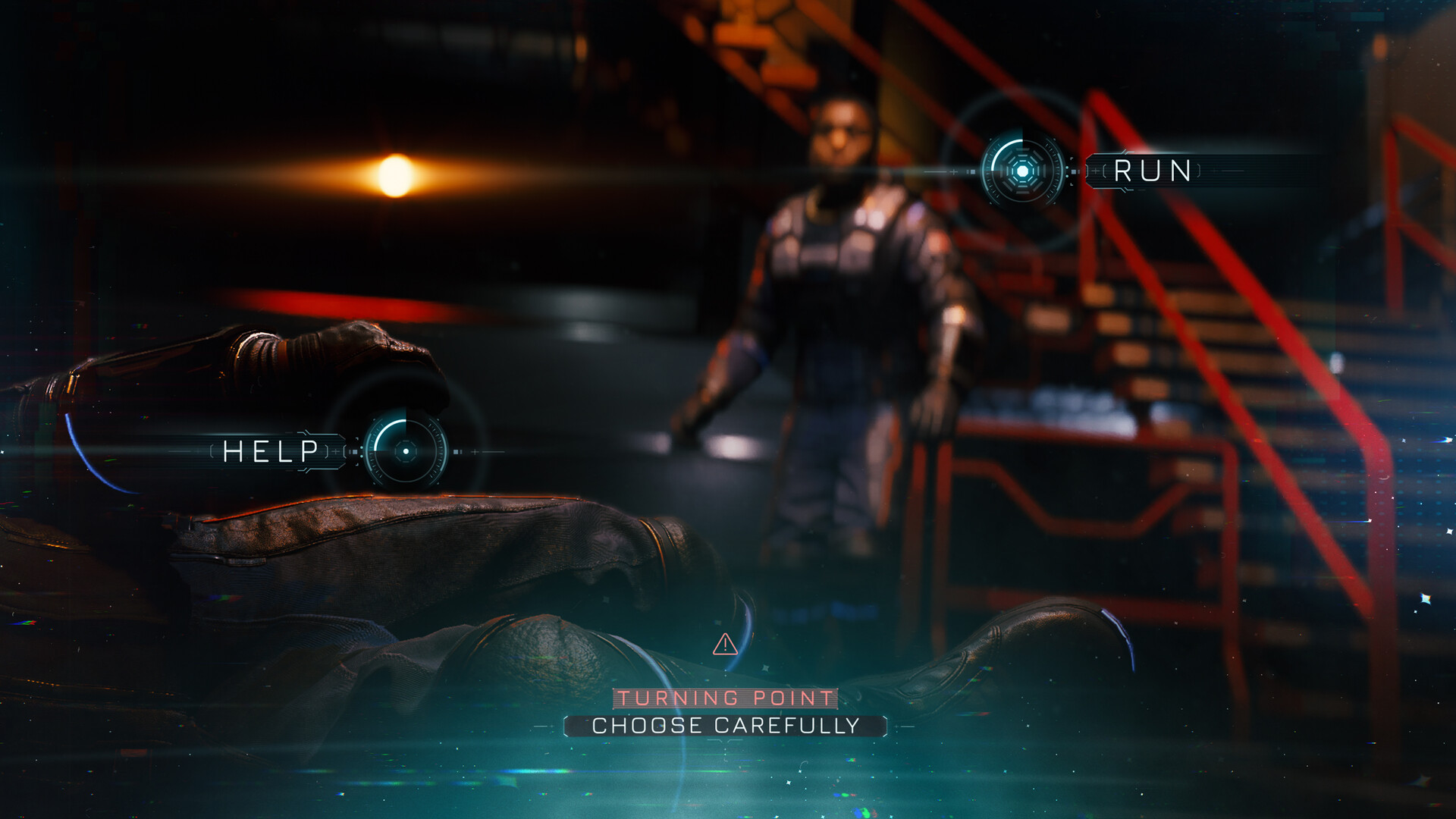
The cuts follow a rough year. Directive 8020, the sci-fi horror game that was meant to be Supermassive's step up from anthology episodes to a full-scale original, launched on May 12, 2026 and landed softly with both critics and players. Roughly seven weeks later, CEO Robert Henrysson stepped down and exited parent company Nordisk Games, with Graeme Law taking over as interim CEO and no permanent successor named. Today's announcement completes a fairly grim sequence: underperforming flagship, departed chief executive, mass redundancy.
The Until Dawn problem
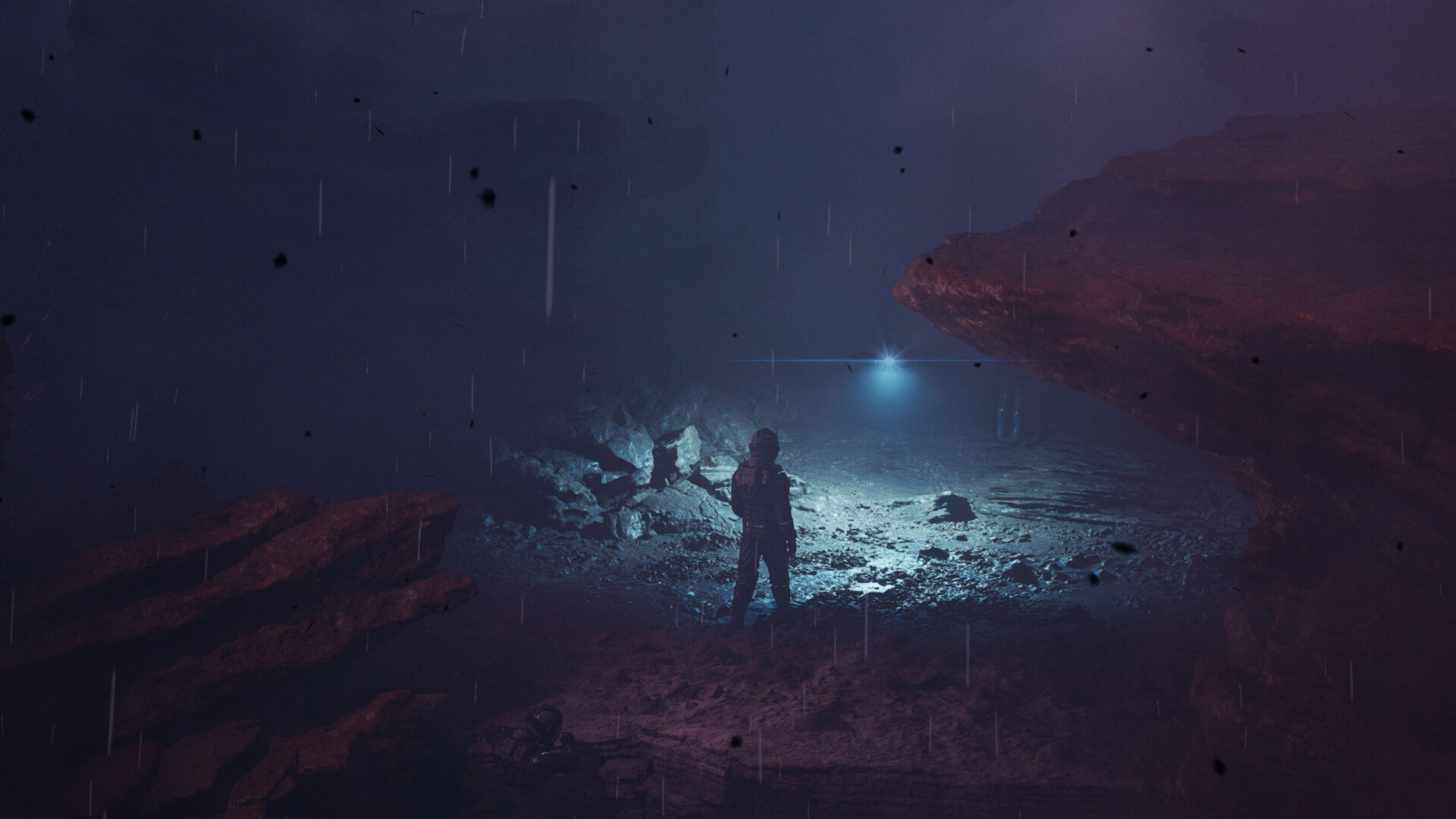
There is a detail here that says a lot about the studio's position. Sony has announced Until Dawn 2 — and it is not being made by the studio that made Until Dawn. That sequel sits with Firesprite, another PlayStation Studios team. Supermassive built the branching-narrative horror template that the entire subgenre now runs on, and it is watching its most valuable creation get continued somewhere else.
That is the structural trap for a work-for-hire-adjacent studio: it built enormous value in IP it does not own, and when its own original bet underperformed there was no back catalogue of owned franchises to fall back on.
A pattern, not an outlier
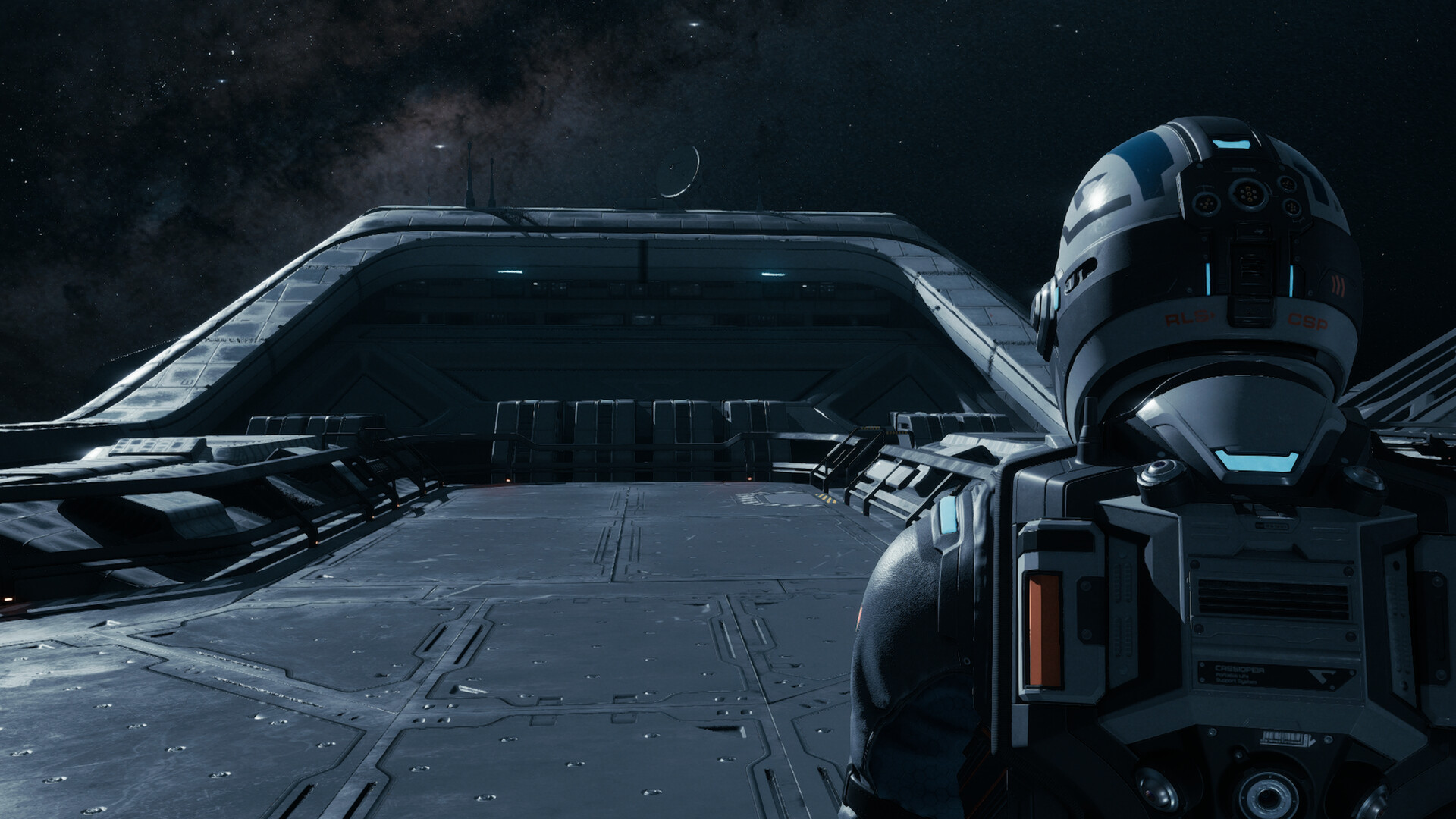
Supermassive is not being singled out by bad luck. Mid-size studios with 150 to 250 staff have been the hardest hit part of the industry through 2025 and 2026 — too large to survive on one modest release, too small to absorb a miss. The cinematic-horror niche Supermassive defined has also gotten crowded, and its games are structurally expensive to make: performance capture, name actors and branching scripts cost real money whether or not the game sells.
What the studio does next is genuinely unclear. There is no announced project, no permanent CEO, and a consultation process that will take weeks to resolve. For now the only certain thing is that up to 75 people who make some of the most distinctive horror games in the medium are looking for work.