Silent Hill has spent most of its life being defined by the town it is named after. Silent Hill: Townfall is the first mainline-scale entry to walk away from it entirely, and it does so with unusual confidence. Screen Burn Interactive, the Glasgow studio of roughly thirty people that used to be called No Code, has moved the series to a fictional island town on the east coast of Scotland in 1996, put the camera behind the protagonist's eyes for the first time in a full-length game, and handed him a pocket television in place of the old radio. It launches September 24 on PS5 and PC, published by Konami alongside Annapurna Interactive, and it is the most structurally different Silent Hill in over twenty years. This review weighs what the game is built to do, based on what Screen Burn and Konami have documented and shown of it: its systems, its structure, its setting and its technical demands. We are judging the design, not a playthrough.
A new town, and a recently wounded one
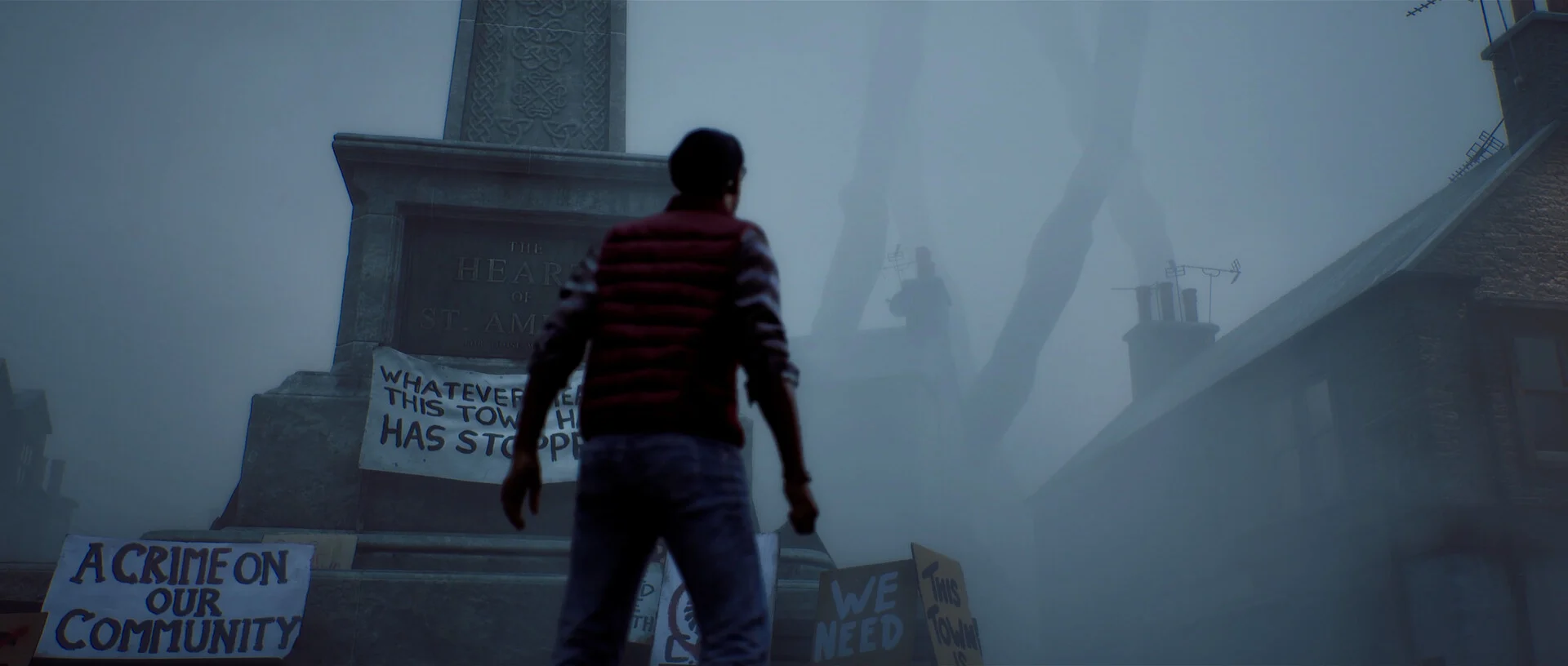
St. Amelia is fictional, but it is modelled on St Monans, a real fishing village in Fife, and that grounding shows in everything Screen Burn has put out. The screenshots are full of pebbledash terraces, narrow harbour lanes, net-curtained windows and shopfronts that look like they closed last week rather than last century. Hand-painted protest signs are taped to a war memorial in the town square. One reads "A crime on our community." That is a very different starting point from the rust-and-ash abstraction the series usually trades in.
The developers have been explicit that this is deliberate. St. Amelia is described not as a long-abandoned ghost town but as a place that has been recently traumatised: somewhere that still feels lived in, with the evidence of a community that was functioning until something went badly wrong. Screen Burn says it drew on its own staff's memories of the era for the period detail, and the stated themes are the individual against the corporation and the individual against society. For a series whose best entries have always been about private guilt made physical, pointing that lens at a whole town is a genuinely interesting move. It gives the horror a social dimension, a question of what happened to a whole community rather than to one person, that Silent Hill has only brushed against before.
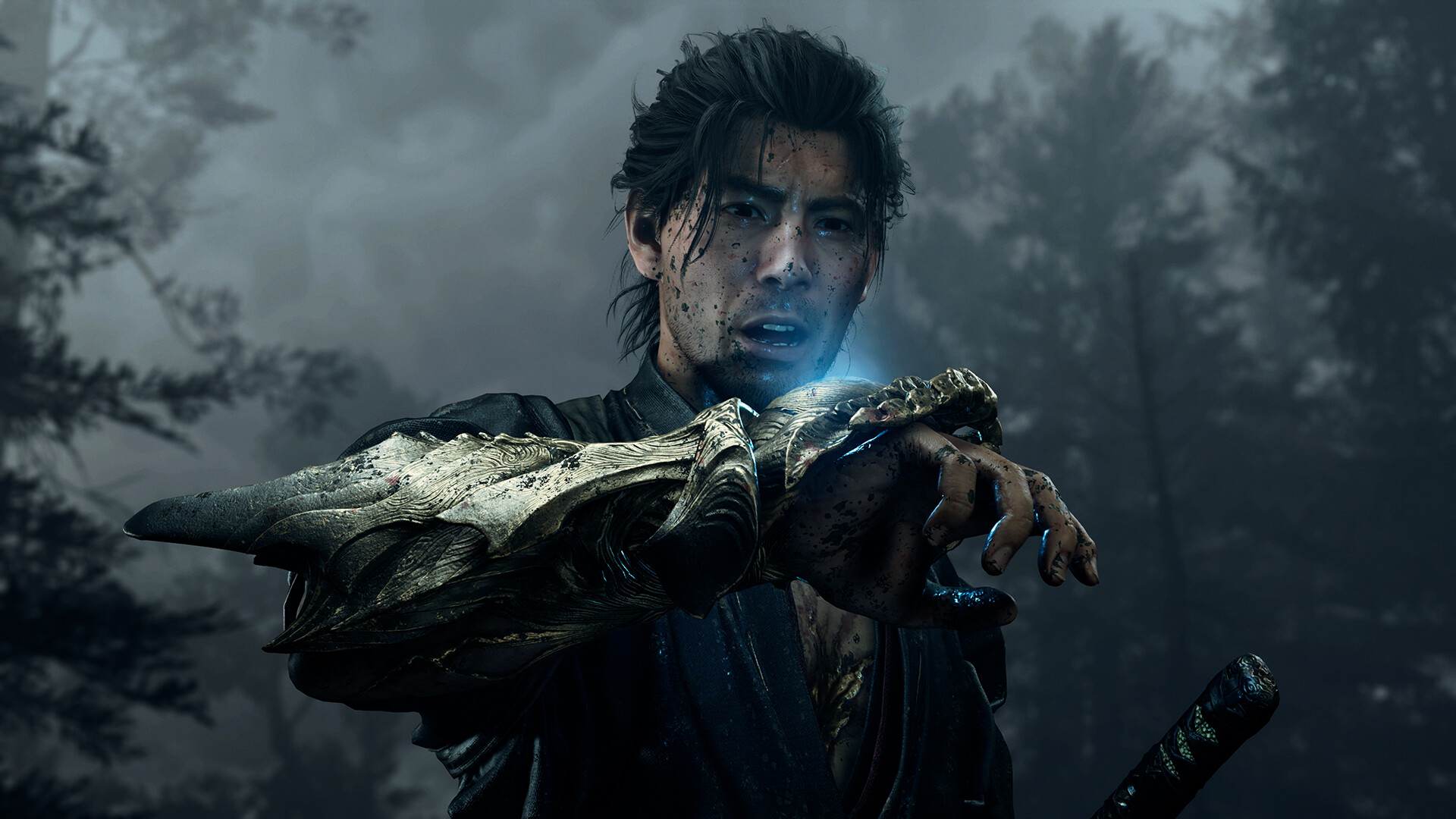
The protagonist is Simon Ordell, who arrives on the island with the stated intention to "put things right" and repeatedly wakes with no memory of how he got where he is. Around him are at least two central characters, Zoe and Richard, and a cast that Konami gave its own reveal trailer at Gamescom, which tells you how much of the game rests on performance rather than ambience alone. The screenshots bear that out: tight close-ups of faces, a nurse in uniform in a curtained room, a bald man in a suit lit from below in the red of the Otherworld. This is a game that expects you to care about people, not just to be frightened by a place.
First person changes the contract
Every previous full-length Silent Hill used a third-person camera, and that camera was doing a lot of work. Fixed or trailing, it let the series frame its monsters, hide things at the edge of the shot and show you your own character from outside, often at their most vulnerable. Moving to first person throws that toolkit away and replaces it with a different one: a narrower field of view, far less information about what is behind you, and a much tighter bond between the player and the protagonist's body.
Series producer Motoi Okamoto frames the shift as a route to deeper immersion, and he makes a sharp point about what follows from it: when you can see less, sound has to carry more. That is the correct lesson. First-person horror lives or dies on audio, because the ear is the only sense that works in every direction at once. Screen Burn has built custom 3D audio systems for exactly this reason, and on PS5 it routes them through Tempest. The fog, the limited sightlines and the first-person camera combine into a design that deliberately starves you of visual information and makes you listen.
There is a cost, and it is worth being honest about it. The third-person Silent Hills were theatrical in a way first person struggles to be. You lose the long establishing shot and the character's visible dread in their posture. Screen Burn's answer seems to be cutscenes and close-up character work to carry the emotional beats, with first person reserved for the moment-to-moment fear. That is a reasonable division of labour. It also means the game has two modes that have to join up cleanly, which puts a lot of weight on pacing.
The CRTV is the best idea in the game
The series' radio, which crackled with static when monsters were near, is one of the most imitated devices in horror. Townfall's replacement is the CRTV: a battered handheld television that Simon holds in one hand and tunes through unstable analogue signals. The screenshots show it with a physical dial, a channel strip and a small screen that displays what the room in front of you looks like on another frequency. In one, a "fine tune / searching" prompt sits over a distorted image while papers lie scattered across a desk behind it.
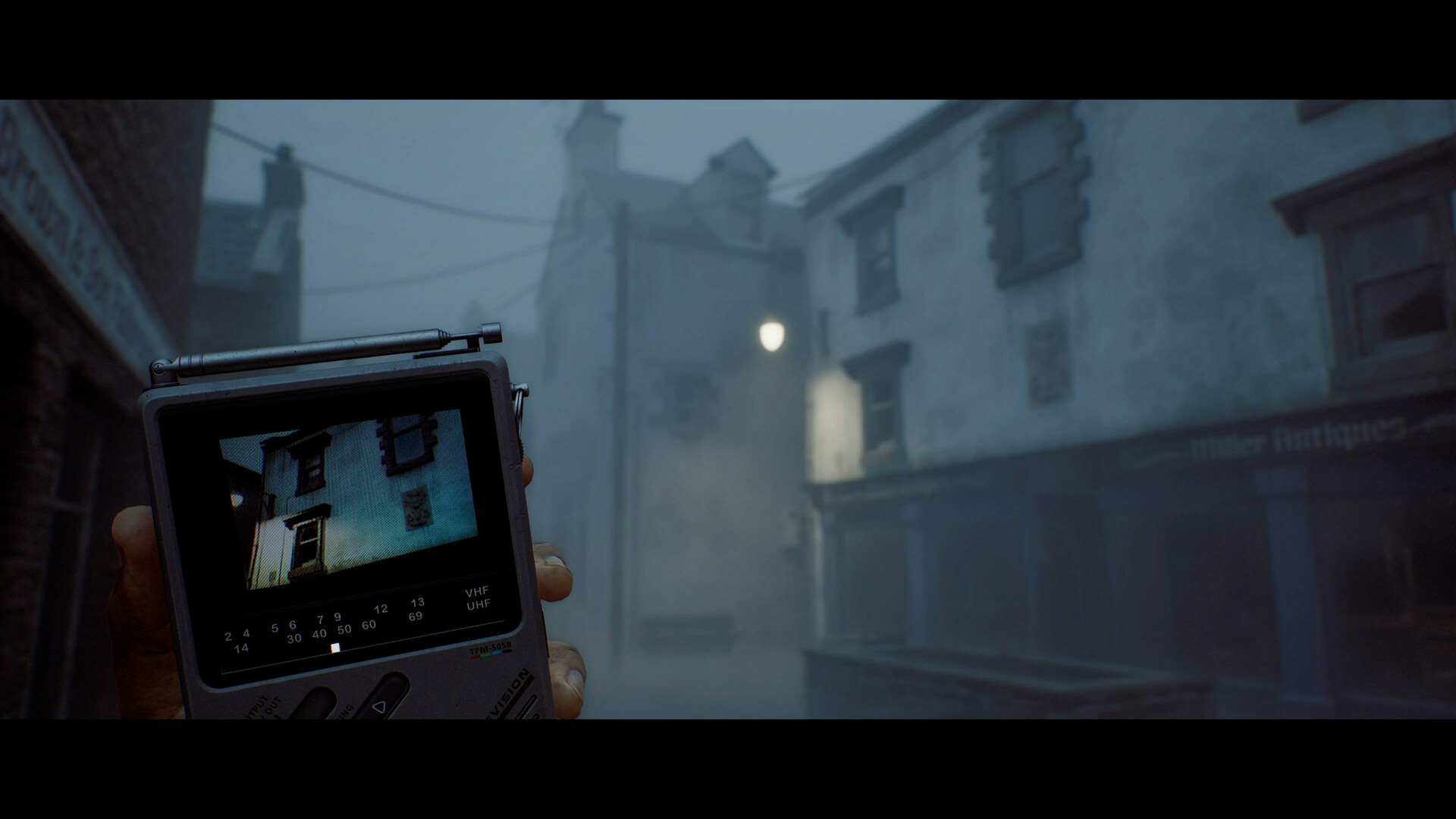
What makes it more than a gimmick is how many jobs it does. According to the developers it scouts for nearby threats, surfaces clues for puzzles, and picks up fragments of the town's past, so that tuning into a signal lets Simon relive earlier events or catch glimpses of everyday life before the fall. That is three systems, navigation, puzzle-solving and storytelling, collapsed into a single object that you physically hold in the frame. In a first-person game that matters a great deal. It keeps your attention inside the world rather than in a menu, and it creates a natural tension: every moment you spend looking at the little screen is a moment you are not looking at the street.
On PS5 the CRTV is tuned with the DualSense's motion sensors, which you tilt to hunt for the right frequency, and the same motion input is used to steady firearms. Director Jon McKellan has described fine-tuning as a core interaction, and tying it to physical movement is the kind of detail that either feels wonderful or wears thin over a long game. The good news is that every PS5-specific feature is customisable in the menu, so players who find motion tuning fiddly are not locked into it. On PC, the store listing describes the tuning without the motion layer, which suggests a more conventional input there.
The CRTV also answers the biggest risk of the first-person switch. Without a camera that can frame danger for you, the game needs another way to tell you what is out there, and a tracking device you have to actively consult is a far more interesting answer than a HUD marker. It is an idea that could only work in this perspective, and it is plainly why Screen Burn chose it.
Evade first, fight when you must
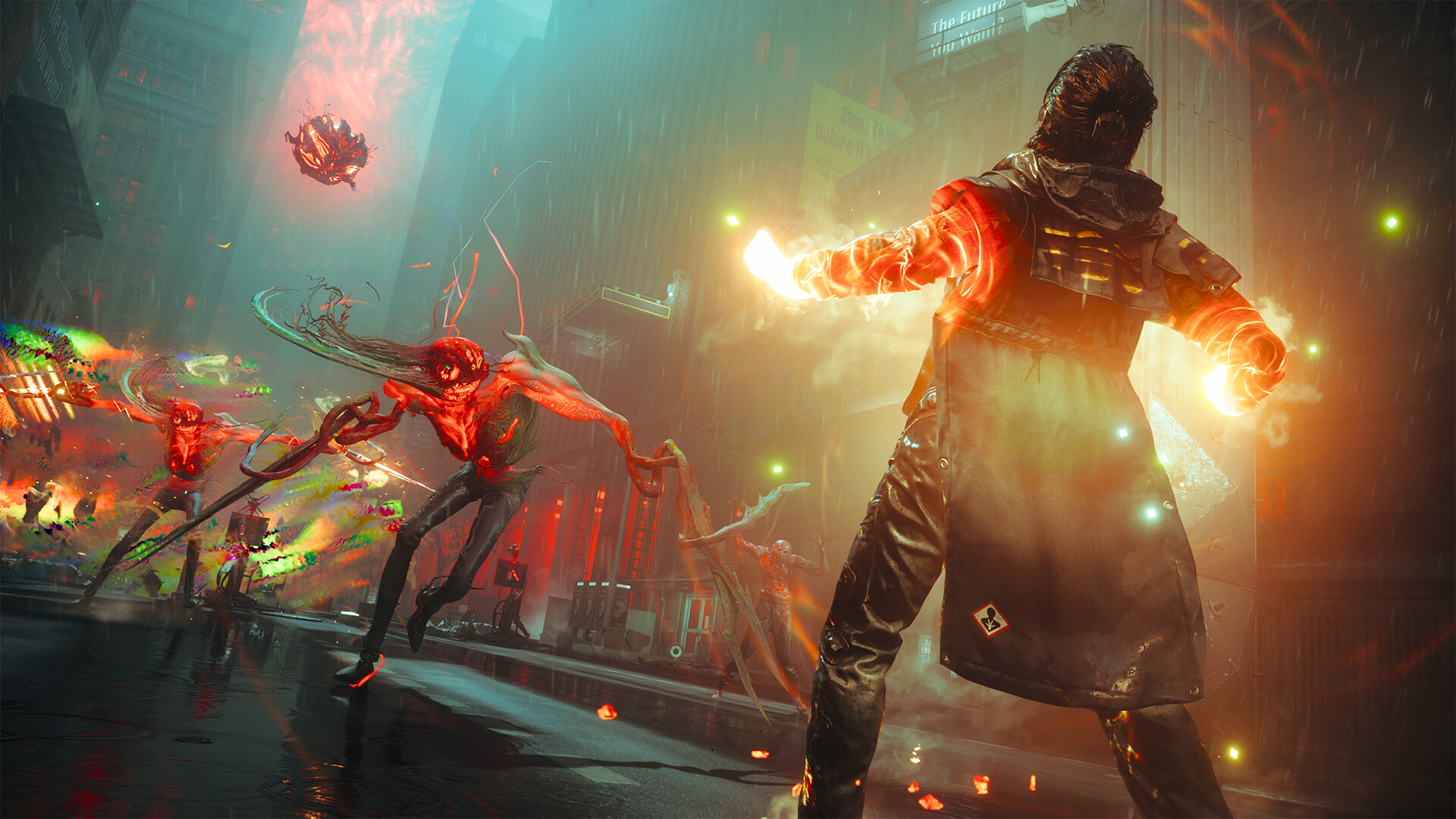
Townfall's combat is split three ways. There is melee with improvised weapons, with planks and pipes named among them, that you can both swing and block with. There are firearms for keeping distance. And there is stealth: tracking enemies from cover, luring them off with distractions and slipping past rather than engaging. The store page is explicit that you choose how to handle each encounter, using both your tools and the environment.
The developers' own language describes evasion as "tense" and combat as "frenetic", and the structure they describe alternates between long stretches of evasion and exploration, occasional explosive confrontations, and puzzles. That is a sensible rhythm for the genre and it plays to the strengths of first person, where being chased is far more frightening than chasing. It also sets a clear expectation that this is not an action game. Weapons are described as limited, and the tone Screen Burn keeps returning to is escalating uncertainty rather than a steady beat of jump scares.
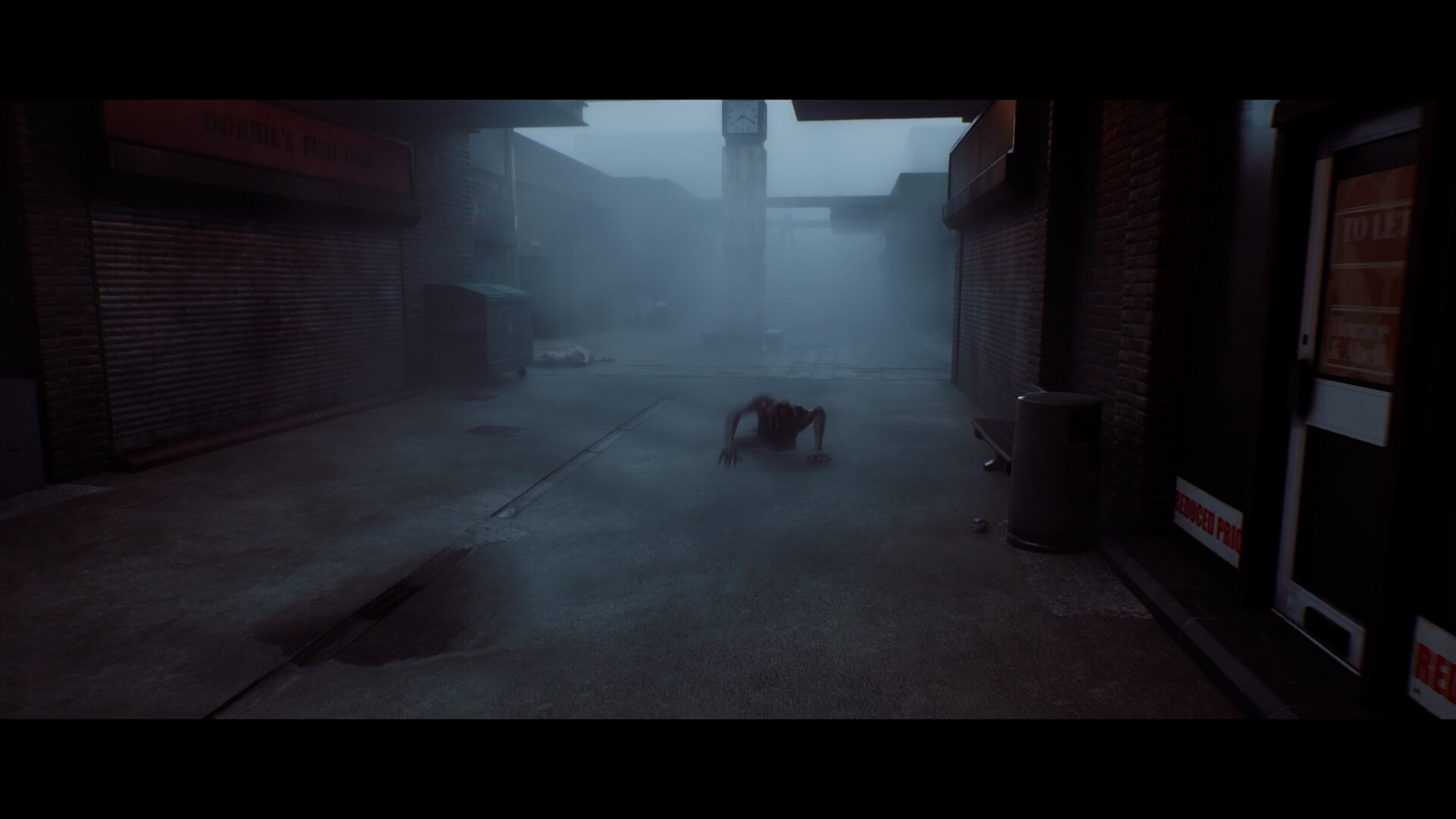
This is where the design carries the most risk. First-person melee is notoriously hard to make feel good: judging distance is difficult, blocking lacks the readability of a third-person animation, and a single clumsy encounter can deflate a carefully built mood. Screen Burn has clearly thought about feel. On PS5, haptic feedback is mapped to every weapon swing and heavy footstep, and the adaptive triggers are weighted differently per weapon so that a firearm and a length of pipe do not resolve into the same squeeze. But feel and readability are different problems. The studio's previous games, Stories Untold and Observation, were narrative and puzzle-led, with little in the way of combat. Townfall is the first time the team has had to make fighting a pillar, and on paper this is the part of the game most likely to divide players. If you come to Silent Hill for the atmosphere and the puzzles, the combat is something to get through. If you want a satisfying survival-action loop, this is the element to be most cautious about.
Puzzles that tell the story
Silent Hill puzzles have historically been a tradition in themselves: cryptic poems, piano keys, clocks and riddle difficulty settings. Townfall's puzzles are described as "narrative-driven", meaning they are built around the story fragments the CRTV picks up. The developers describe the story as being experienced "not just through cinematics alone, but also through various puzzles in a fragmented fashion."
That is the area where Screen Burn has the strongest track record. Stories Untold was built almost entirely around using period hardware, from radios and terminals to microfiche readers, as the interface to a story, and Observation told its narrative through a station AI operating cameras and systems. Townfall's CRTV puzzles look like the natural evolution of that approach: a physical device, tuned by hand, used to pull a story out of the environment. It is the part of the design that matches the studio's proven strengths most closely, and it is the most encouraging thing in the package.
Structurally the game is described as "wide linear", a guided path with room to explore around it rather than an open town you roam at will. It is presented as a full-length, self-contained story, and it has five endings, with the director emphasising that subtle choices and actions along the way feed into which one you see. Multiple endings are a Silent Hill tradition, and the best versions of the idea have always tracked behaviour rather than dialogue choices: how you treated the people around you, how much you explored, how you handled yourself. The emphasis on subtle actions suggests Townfall is following that model, which rewards a second playthrough rather than demanding one.
Fog, red light and the Otherworld
The art direction splits cleanly into two palettes. The real St. Amelia is cold blue-grey: harbour fog, damp stone, sodium lamps that barely reach the ground. The Otherworld is saturated red, swallowing whole scenes. The screenshots show a monument drowned in crimson, a figure lit from below in a red-stained room, and a narrow bridge running into darkness under a single cold light.
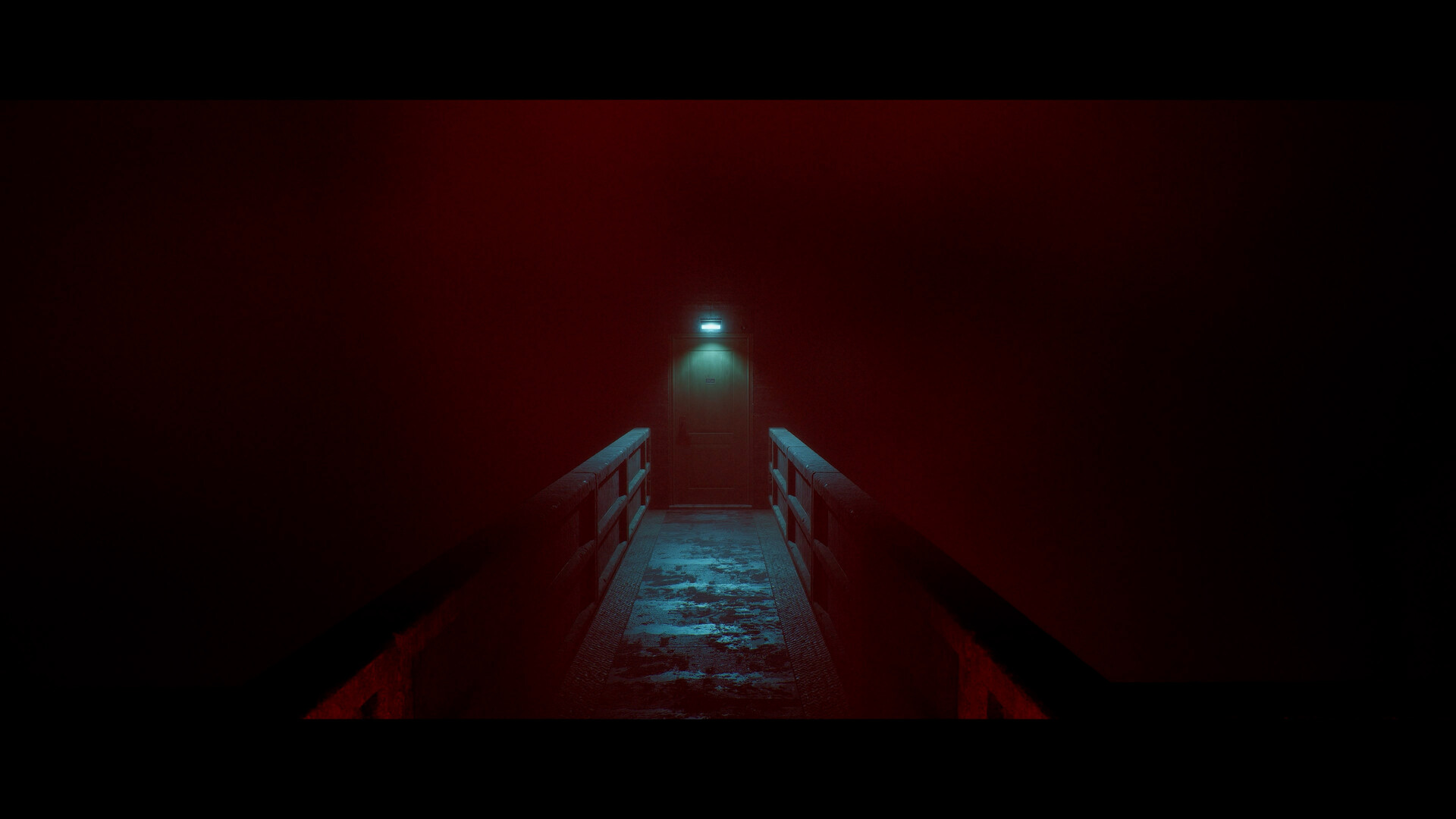
It is a strong, readable visual identity. The fog is not just nostalgia for the original's draw-distance trick. Here it is the literal weather of an island on the North Sea, and it reinforces the first-person design by cutting sightlines to a few metres. The move to the Otherworld is handled with ray-traced lighting, which on PS5 reacts to flashlight beams, alarm lights and the geometry of each scene as it shifts. The game is built in Unreal Engine 5, and the character rendering in the close-ups is notably detailed for a team this size.
The soundtrack is by Pilotpriest, the synth composer, and it is described as fully dynamic: building, twisting and releasing in response to the ebb and flow of stealth and action. Akira Yamaoka's scores are so tied to the series' identity that any replacement faces a hard comparison, but a reactive synth score set in 1996 is a coherent choice for a game about analogue signals and a device that plays static. It is a change of voice, not an attempt to imitate.
What it asks of your PC
Townfall's PC requirements are demanding, and it is worth being clear about what they promise. The minimum spec, a Ryzen 5 3600 or i7-8700K with 16GB of RAM and an RTX 2060 Super or RX 6600, targets Low settings at 1080p and 30 frames per second. The recommended spec, a Ryzen 7 5700X or i7-9700K with 32GB of RAM and an RTX 3080 or RX 7800 XT, targets High at 4K and 30fps, and only with DLSS, FSR or TSR in Balanced mode. It requires Windows 11 and 75GB of storage.
Those are the publisher's own targets, and every one of them is 30fps. For a first-person game with melee combat, that is a notable ceiling. Slow, deliberate horror is more forgiving of low frame rates than a shooter, but a first-person camera makes judder far more visible than a third-person one does, and the combat is precisely where responsiveness matters most. The RAM figure is also high for the tier: 32GB for the recommended target is a real ask. Anyone on hardware near the minimum should expect a compromised experience, and anyone chasing high frame rates should look at the official targets before buying rather than after.
Editions and value
The standard edition is $49.99 on Steam, noticeably below the full-price norm for a major-publisher release, which fits a self-contained, mid-length horror game from a small team. The Deluxe Edition adds 48 hours of early access, a bonus application containing a digital artbook and soundtrack, and an alternate outfit for Simon. Pre-orders on either edition include a "Rusted" cosmetic skin for the CRTV. None of it touches the core game, and the standard price is the right one for most players.
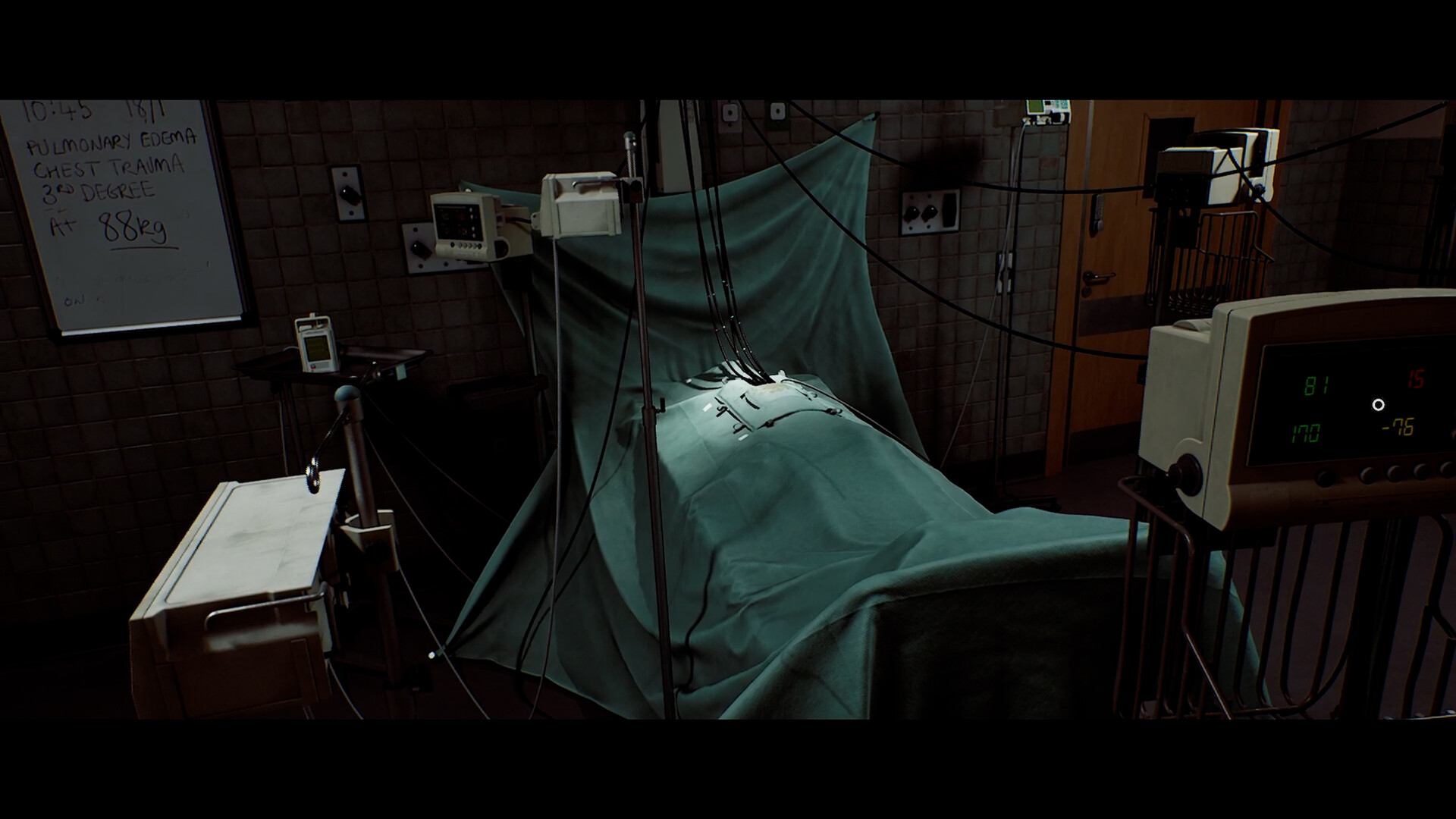
The game carries a mature rating, and the store page describes it as a tale of introspection, loss and consequence. Its subject matter of guilt, trauma, corporate power and bodies on hospital trolleys is squarely in the series' tradition, and the grounded 1990s setting makes it land closer to home than the series' more abstract entries.
Verdict
Silent Hill: Townfall is the boldest thing the series has attempted in a very long time, and most of its boldness is well judged. The Scottish setting gives it an identity of its own instead of another trip to the same lake town. The first-person camera is backed by a coherent plan: less sight, more sound, and a tracking device you have to physically consult. And the CRTV is a genuinely inventive replacement for the radio. It pulls navigation, puzzles and storytelling into one object in a way only this perspective allows. That is exactly where Screen Burn's experience with Stories Untold and Observation should pay off.
The risks are just as easy to identify. First-person melee is the hardest thing on this list to get right, and it is the area where the studio has the least history. The official PC targets top out at 30fps even on strong hardware, which is a real limitation for a game with combat. And the shift away from the third-person framing that defined the series will not suit everyone. On balance, Townfall looks like a thoughtful, atmospheric and distinctive horror game whose ideas are stronger than its combat is likely to be. It is well worth playing for anyone who values mood and story over action, and worth waiting on performance patches for anyone on modest PC hardware.