AMD shipped its biggest graphics-stack rewrite in three years when FSR "Redstone" went live on December 10, 2025, and the dust is finally starting to settle. Five months in, Redstone is no longer a marketing teaser — it is a working, deployed, four-pillar neural-rendering stack that has fundamentally reshaped what AMD's upscaling story looks like against NVIDIA DLSS. The technology is RDNA 4 exclusive for now, the supported-game list is past two hundred titles and climbing, and two flagship integrations — Call of Duty: Black Ops 7 and Crimson Desert — are already shipping the most aggressive Redstone feature, ML-based Ray Regeneration, in production.
This is the deep-dive on what FSR Redstone actually is, what each of its four pillars does, what hardware can run it, which games support it today, and where AMD is going next.
The Four Pillars of Redstone
Redstone is not a single technique. It is the umbrella name AMD has given to a four-feature stack of neural rendering technologies, each addressing a different bottleneck in the modern game pipeline. Every one of them is in the public Redstone SDK as of the May 2026 update, and every one of them runs accelerated on RDNA 4's onboard AI/matrix units rather than on a stripped-down analytical fallback.
1. FSR Upscaling (ML)
This is the part most readers already know as FSR 4. It is the ML-powered super-resolution upscaler, replacing the analytical FSR 3.1 algorithm with a neural network trained on AMD Instinct GPUs against high-quality reference renderings. The output is a substantial leap in temporal stability, ghosting reduction, and disocclusion artifact handling compared to FSR 3.1 — areas where the gap between FSR and NVIDIA DLSS had grown the most uncomfortable for AMD over the past two generations.
For RX 9000 owners, this is the headline feature. The performance uplift in real titles consistently lands in the 2.5x to 3.5x range at 4K Quality mode, which closes most of the gap to DLSS 3.x while bringing image quality up to a level that reviewers had given up on AMD ever reaching. AMD's own first-party benchmarks on the Radeon RX 9070 XT put the average gain at 3.5x across the launch test suite, with Call of Duty: Black Ops 7 and Cyberpunk 2077 hitting 4.7x at the high end.

2. FSR Frame Generation (ML)
FSR 3 introduced AMD's first frame-generation pass — an analytical approach based on optical flow and motion vectors. Redstone replaces it with a learned model trained on the same Instinct GPU pipeline as the upscaler. The new ML-based frame gen produces fewer artifacts on fast-moving objects, fewer disocclusion errors at the edges of the screen, and noticeably cleaner UI handling — the longstanding weak point of analytical frame generation.
The Redstone path also opens the door to multi-frame generation, where the network synthesises two or three intermediate frames per real frame. AMD has confirmed multi-frame gen is on the public SDK roadmap, with shipment expected later in 2026.
3. FSR Ray Regeneration
This is the most technically aggressive piece of Redstone, and the one that is currently the rarest in shipping games. Ray Regeneration is a standalone ML-based denoiser for ray-traced effects. It plugs into any engine's existing ray-tracing pipeline, takes sparse samples as input, and infers clean denoised output. The upside is huge — a game can shoot two or three rays per pixel instead of eight to twelve, lean on Ray Regeneration to fill in the gaps, and get visually equivalent or better ray-traced reflections, shadows, and global illumination with a fraction of the per-pixel cost.
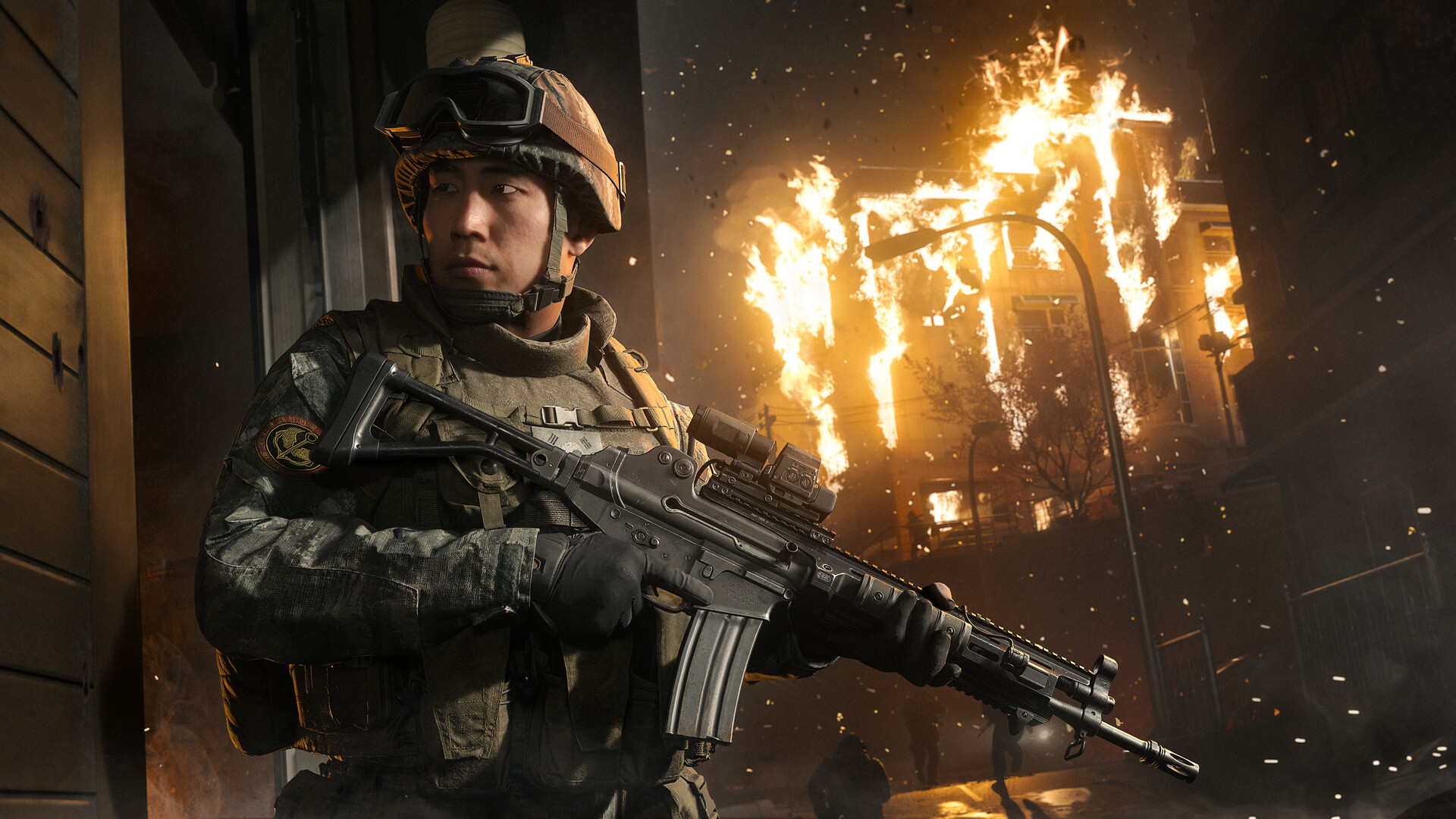
Two games currently ship Ray Regeneration support: Call of Duty: Black Ops 7 and Crimson Desert. Both are flagship integrations and both are running it in production on RX 9000 hardware today.
4. FSR Radiance Caching
The fourth and most experimental pillar is Neural Radiance Caching. Where Ray Regeneration cleans up sparse ray samples, Radiance Caching avoids casting most of those rays in the first place. The system trains an online neural network on-device, in real time, predicting how light propagates through a scene based on the path-traced samples it has already collected. The network replaces many secondary ray bounces with learned predictions, dramatically reducing the cost of multi-bounce global illumination in path-traced games.
Radiance Caching is currently in technical preview in the SDK. Production-ready release is targeted for later in 2026, and no shipping game yet has it enabled — but the path-tracing demos AMD has shown at GDC and in its developer videos suggest the technology is mature enough to be one of the most-watched 2026 GPU-tech stories.
What Runs Redstone
Hardware support is currently the most restrictive part of the Redstone story, and AMD has been blunt about why: the full stack requires RDNA 4's AI matrix engines to hit its target performance, and analytical fallbacks for the earlier RDNA generations would require so much engineering investment that AMD has not done a full backport.
The official RDNA 4 lineup that runs the full Redstone stack today:
- Radeon RX 9070 XT — flagship, 16 GB GDDR6
- Radeon RX 9070 — same chip, slightly cut down
- Radeon RX 9060 XT — mainstream entry point
RDNA 3.5 and RDNA 3 cards (RX 7000 series) currently get a partial fallback path for the FSR upscaler only, and AMD has indicated that the RX 7000 family will receive a meaningful Redstone retrofit in July 2026. RDNA 2 owners (RX 6000) have been told to expect support in Q1 2027, though that timeline depends on how the SDK matures over the back half of this year.
Where the Games Already Are
Game support is what makes or breaks an upscaling stack, and Redstone's first five months have been impressively dense. AMD's official supported-games tracker now lists over 200 games with one or more Redstone features integrated, and a community-maintained roster has documented 268 distinct titles across FSR 3.1.4 and newer.
Highlights from the current shipping list:
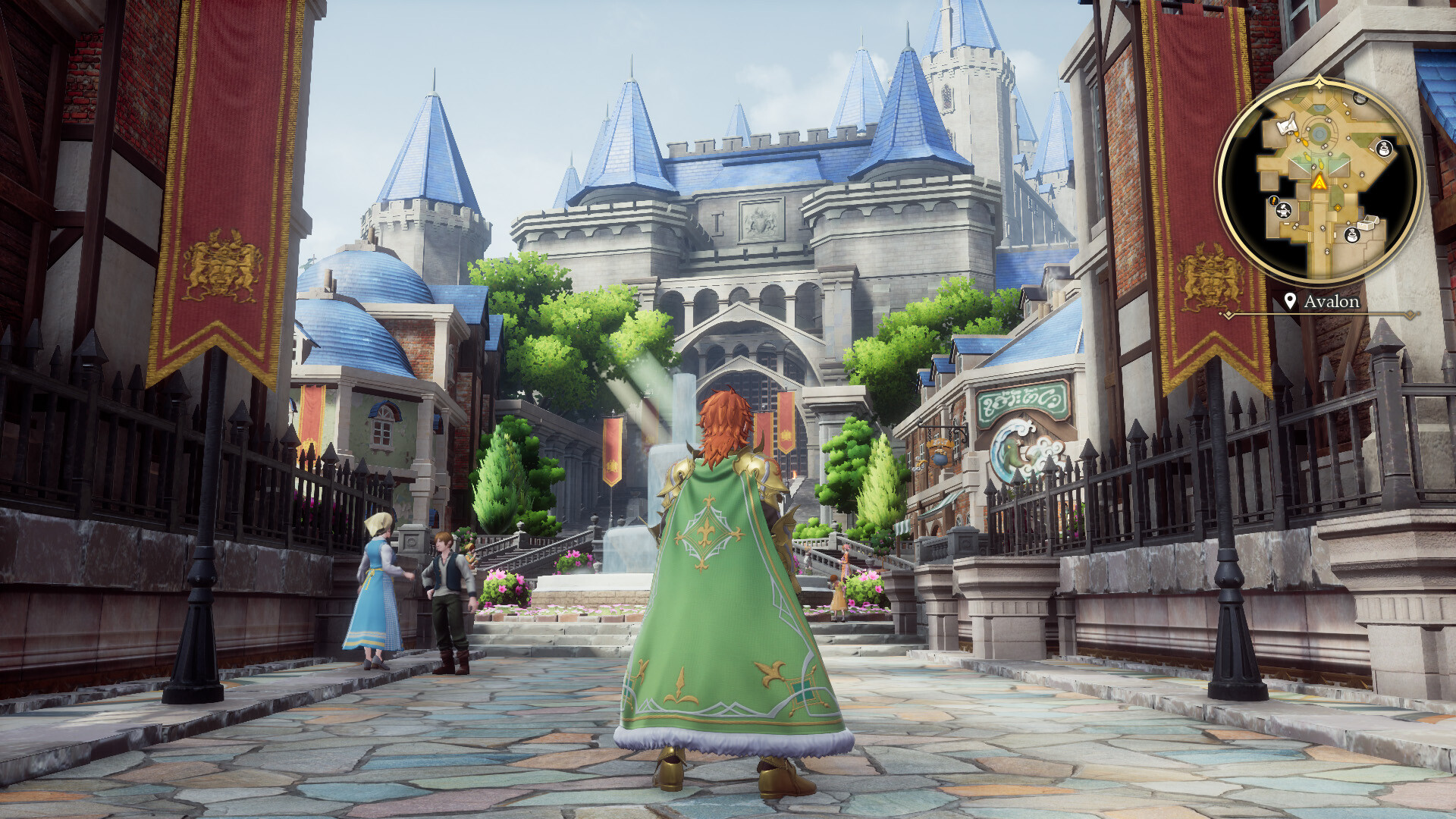
- Cyberpunk 2077 — full Redstone upscaling and frame generation
- Call of Duty: Black Ops 7 — the only game in the wild with all four Redstone pillars enabled, including Ray Regeneration
- Crimson Desert — Ray Regeneration enabled in the May 2026 patch
- Arc Raiders — Redstone frame generation
- God of War Ragnarök, S.T.A.L.K.E.R. 2, Kingdom Come Deliverance II, Mafia: The Old Country, Monster Hunter Wilds — FSR 3.1.4+ baseline upgrading to Redstone upscaler on RDNA 4
Thirty-two games are confirmed to have the new Redstone Frame Generation path integrated, with that list growing through the summer. The pipeline from FSR 3.1.4 to Redstone Upscaler is also designed to be a low-effort path for developers — for many studios, enabling Redstone is a flag-flip in the FSR SDK rather than a full re-integration.
The DLSS Comparison
The honest read on Redstone in 2026 is that it is the first AMD upscaling release that can be fairly compared to current NVIDIA DLSS without obvious caveats. FSR 3 was visibly behind DLSS 3 on temporal stability, motion handling, and ghosting. FSR Redstone closes most of that gap, and on Ray Regeneration specifically — the denoiser pillar — AMD now ships a feature that NVIDIA does not have a direct equivalent for in the consumer SDK.
Where DLSS still leads:
- Installed base — every RTX card from RTX 20 onwards runs some DLSS version, where Redstone is RX 9000 only.
- Multi-frame generation — NVIDIA's 2x and 3x frame gen has been shipping in retail games for over a year; AMD's equivalent is on the roadmap but not yet in the wild.
- Ray Reconstruction — DLSS's denoiser-equivalent shipped before Ray Regeneration, has more title integrations, and is the more proven of the two right now.
Where Redstone has the structural edge:
- Royalty-free open SDK — Redstone ships through AMD GPUOpen, code is in the open, and integration is plug-in based
- Neural Radiance Caching — no current DLSS equivalent for in-engine learned global illumination
- Unreal Engine 5.6 plugin — AMD ships a first-party UE5 plugin that closes Redstone integration to single-digit-hour developer work for compatible projects
What Comes Next
Three things to watch through the rest of 2026:
- Multi-frame generation SDK shipping date. AMD's roadmap has it before end of year. The first games to ship with Redstone 2x/3x frame gen will probably be the December 2026 release window titles.
- Radiance Caching's first production game. The technical preview is solid; the first shipped integration will tell us whether the on-device ML training overhead is workable in retail titles.
- RDNA 3 retrofit in July. The RX 7000 family is enormous, and a working Redstone upscaler on existing 7900 XTX and 7800 XT cards would dramatically expand the addressable base for developers considering Redstone integration.
The Bottom Line
FSR Redstone is the most significant AMD graphics-stack reset in three years, and the one that finally drags AMD's upscaling story into structural parity with NVIDIA on the technologies that matter most for modern AAA rendering. The RX 9000-only restriction is uncomfortable in the short term and will frustrate the large RX 7000 and 6000 install base, but the July and Q1 2027 retrofit windows are real and signposted. The 200+ game baseline at launch — and 268 total titles already supporting the surrounding FSR 3.1.4 floor — is the largest AMD upscaling integration footprint in the technology's history.
For RX 9000 owners, Redstone is the reason the card is worth buying. For everyone else, the calendar is the thing to mark: July 2026 brings RDNA 3 support, and Q1 2027 brings RDNA 2. The bigger picture — neural radiance caching, ML denoising, and multi-frame generation as defaults rather than NVIDIA-exclusive showcase features — is the long-term story that Redstone has just made viable.