Every Diablo game so far has been a story about stopping the end of the world. Diablo V starts after it already happened.
Blizzard announced the fifth mainline entry during the BlizzCon 2026 opening ceremony on 12 September, with a launch window of spring 2029 and no platforms attached yet. The premise is the part that will get argued about all weekend: the heroes of the previous games failed, Sanctuary has fallen, and the Lord of Terror won.
Seven years after the loss
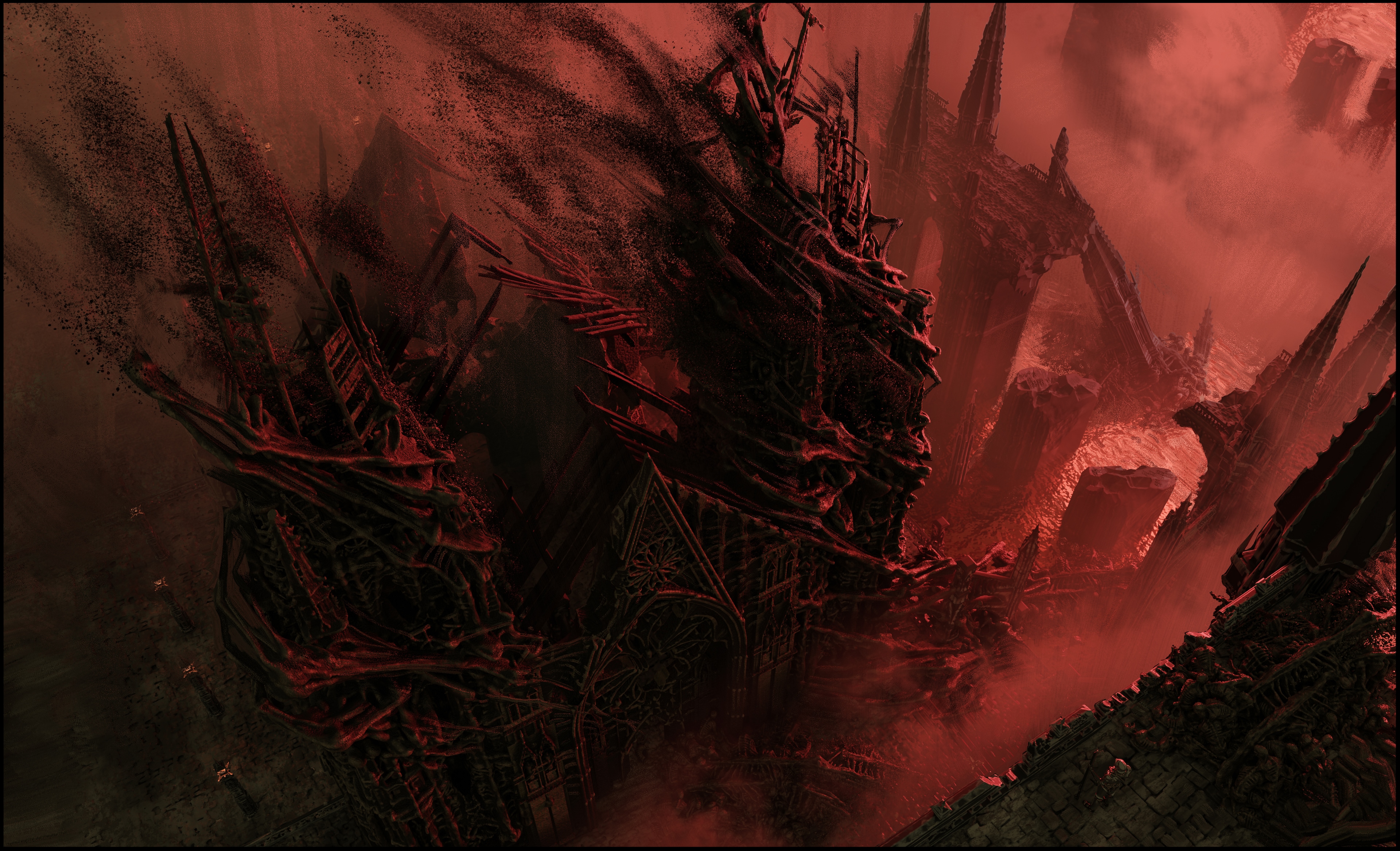
Diablo has held Sanctuary for seven years when the game opens. Westmarch - the port city that served as the backdrop for Reaper of Souls - is the centre of his occupation, and the entire western continent has been overrun and remade as an outpost of Hell. He is not sitting on the throne for the sake of it, either: the conquest is described as a staging ground, a place to build from before moving on the High Heavens.
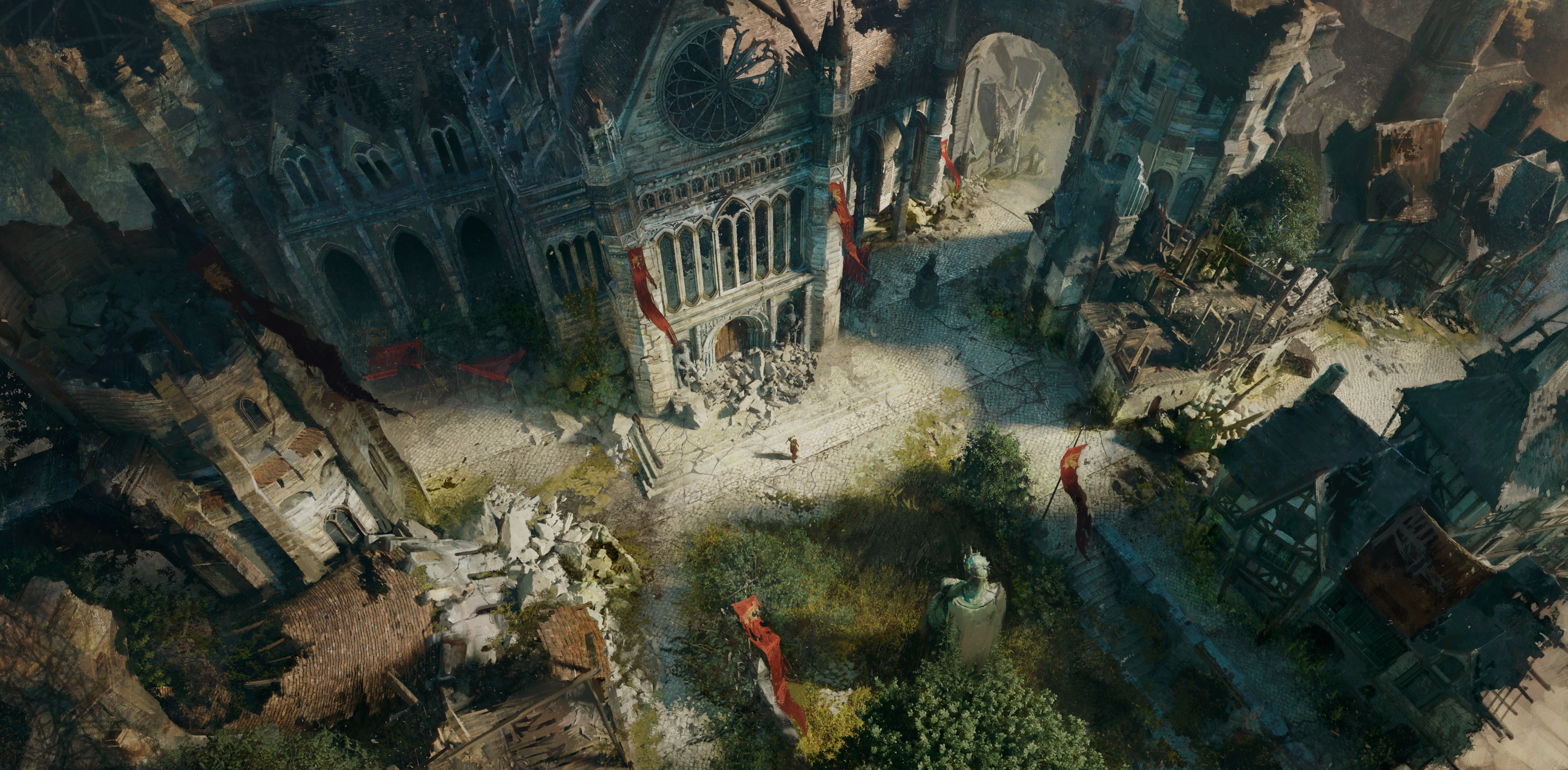
You play the Heir to Westmarch, running through what is left of your own kingdom. The hook is a connection to Diablo that Blizzard is being deliberately vague about - it makes the heir dangerous to him, and it makes the heir vulnerable to him, and the team clearly intends to sit on that tension for a while.
Humanity has mostly not survived intact. Some of the people still walking around Sanctuary joined cults. Others were turned into Dread Commanders, corrupted lieutenants serving the occupation. The survivors you meet are the exception, not the rule, and that feeds directly into the biggest structural change.
There are no towns any more
Towns are gone. In their place is a caravan - a mobile settlement that travels with you and grows as you pull people out of the wastes. Merchants, craftspeople, companions and ordinary survivors all live in it, and they double as the vendor and crafting layer that a hub town would normally provide.
Blizzard named two of them. One is a former Sister of the Sightless Eye, the Amazon order from Diablo II. The other is a Treasure Goblin who has apparently decided it wants a purpose. Each caravan member is written with a history rather than a shop inventory, which is a very different proposition from walking back to Kyovashad to click on a blacksmith.
It is also a smart answer to a problem Diablo IV never fully solved. An open world with fixed safe hubs means constant round trips. A hub that follows you removes the trip entirely, and it gives the game somewhere to put character writing that an action RPG usually has nowhere to hold.
Demon Hunter, Monk, and a class built on disease
Three classes were shown. Two are returning veterans and one is new.
The Demon Hunter is back with twin crossbows, working from the shadows and vaulting around the arena rather than standing in it. The Monk returns as the close-quarters martial artist, beating demons apart at melee range and calling down holy power on anything that keeps its distance - the first time the class has been playable since Diablo III.
The Plague Knight is the entirely new one, and it is the most interesting design on the slide. It spreads disease across a fight and then consumes that disease for power, which makes it a class that has to seed the battlefield before it can cash in. That is a genuinely different rhythm from anything in Diablo IV's roster, where resource generation is usually a matter of hitting things.
The loot is going back to Diablo II
This is where long-time players should pay attention. Blizzard says the itemisation is built on Diablo II design philosophy, and the specifics back that up:
- Stat requirements are back on gear - you will need the attributes to wear the thing you found.
- Larger items take up more inventory space, reviving the old grid-Tetris problem of deciding what is worth carrying home.
- Gear-based sets return, with a deep crafting system attached.
- Runes and Runewords return in the Diablo II sense.
The stated goal is that items should be readable, memorable and worth chasing. That reads as a direct response to the most persistent complaint about Diablo IV's loot, which was that drops arrived constantly and almost none of them meant anything. Whether inventory friction is the fix or just nostalgia dressed up as design is the argument that will run until 2029.
Blizzard has been clear that the game is early. Regular updates are planned starting in 2027, and there is a dedicated site at diablo5.blizzard.com. Spring 2029 is two and a half years out, which is a long time to hold a room - but it is also the first time Blizzard has announced a numbered Diablo this far ahead rather than dropping it a year before release.
Diablo IV is not done either
Two things land on 15 September. Diablo IV arrives on Nintendo Switch 2 with the base game plus both expansions, Vessel of Hatred and Lord of Hatred, and the new season begins at 9:30 a.m. PT.
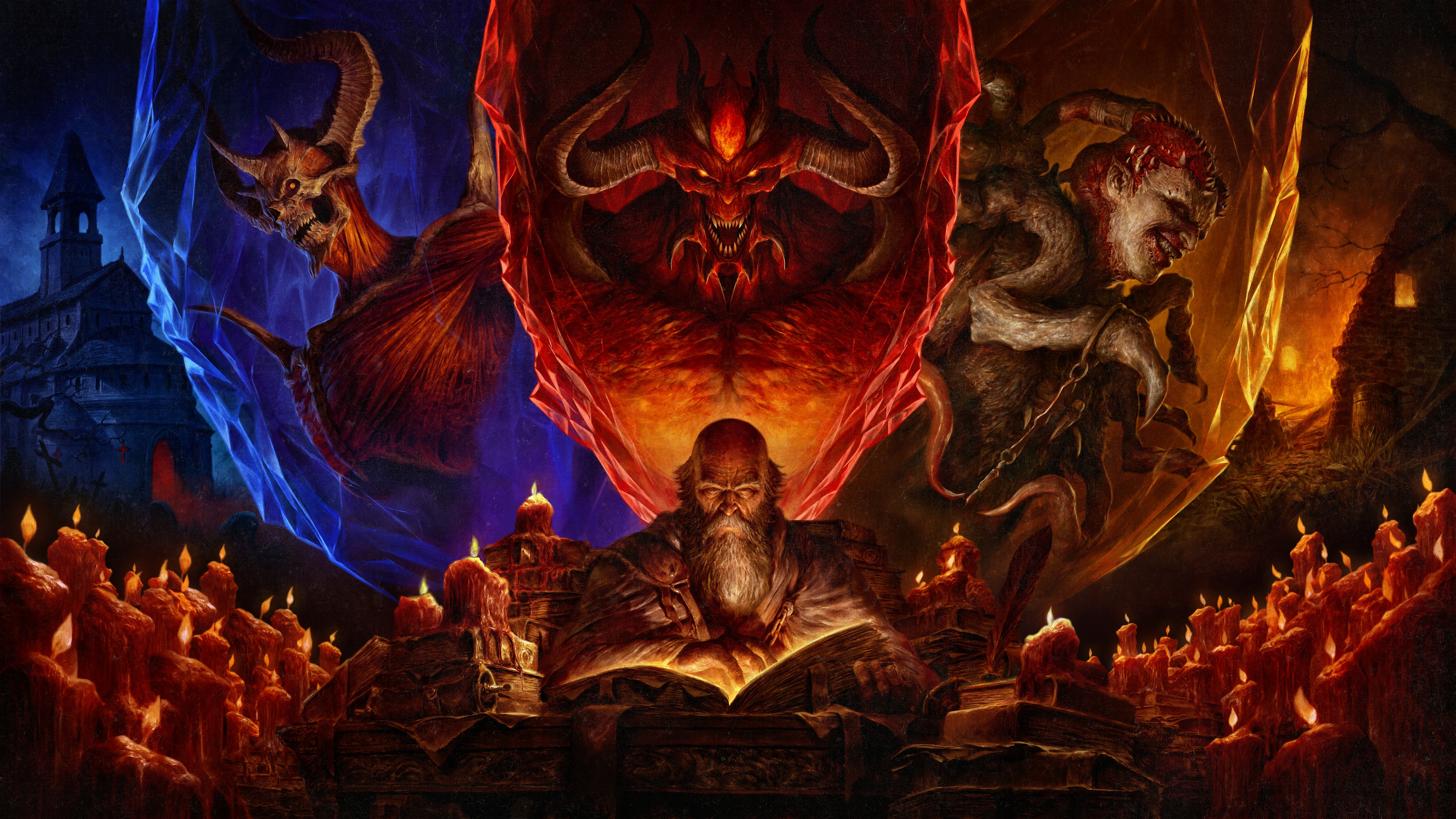
Season of Hell's Legacy puts Deckard Cain back in the guide's chair and brings the Prime Evils - Baal, Mephisto and Diablo - to the front. Its seasonal mechanic has you collecting soul splinters that grant power but attach penalties to it, a trade-off structure rather than a straight upgrade track. Moophisto also returns as a special event boss, because Diablo cannot go two seasons without a cow joke.
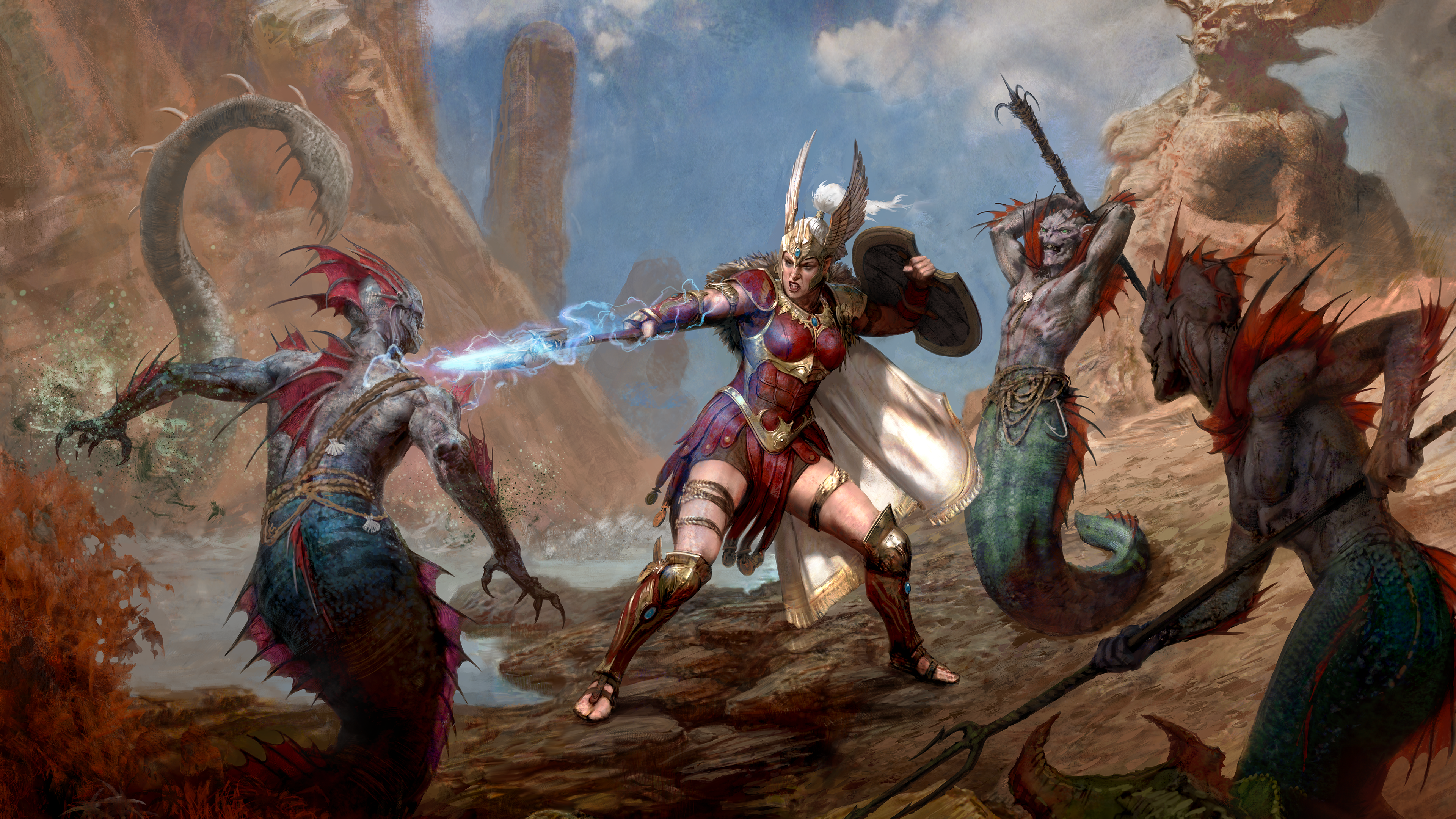
Further out, the Amazon class pack arrives in the first half of 2027. The Amazon hails from the isles of Skovos and splits into four archetypes - Champion, Skirmisher, Ranger and Commander - wielding the bow and the javelin. The javelin is a new weapon type for Diablo IV entirely, not a reskin of an existing one.
And a Netflix series
Blizzard also confirmed that an animated Diablo series is in development at Netflix. No cast, no showrunner, no window - just the confirmation that it exists. Given how well the Arcane and Castlevania template has worked for this exact kind of dark-fantasy property, it is an unsurprising move that will still have to prove itself on its own terms.
Taken together it is the busiest the franchise has looked in years: a live game getting a new platform and a new season on the same day, a class pack in the wings, a streaming adaptation in development, and a sequel that has decided the only way forward is to lose the war first.