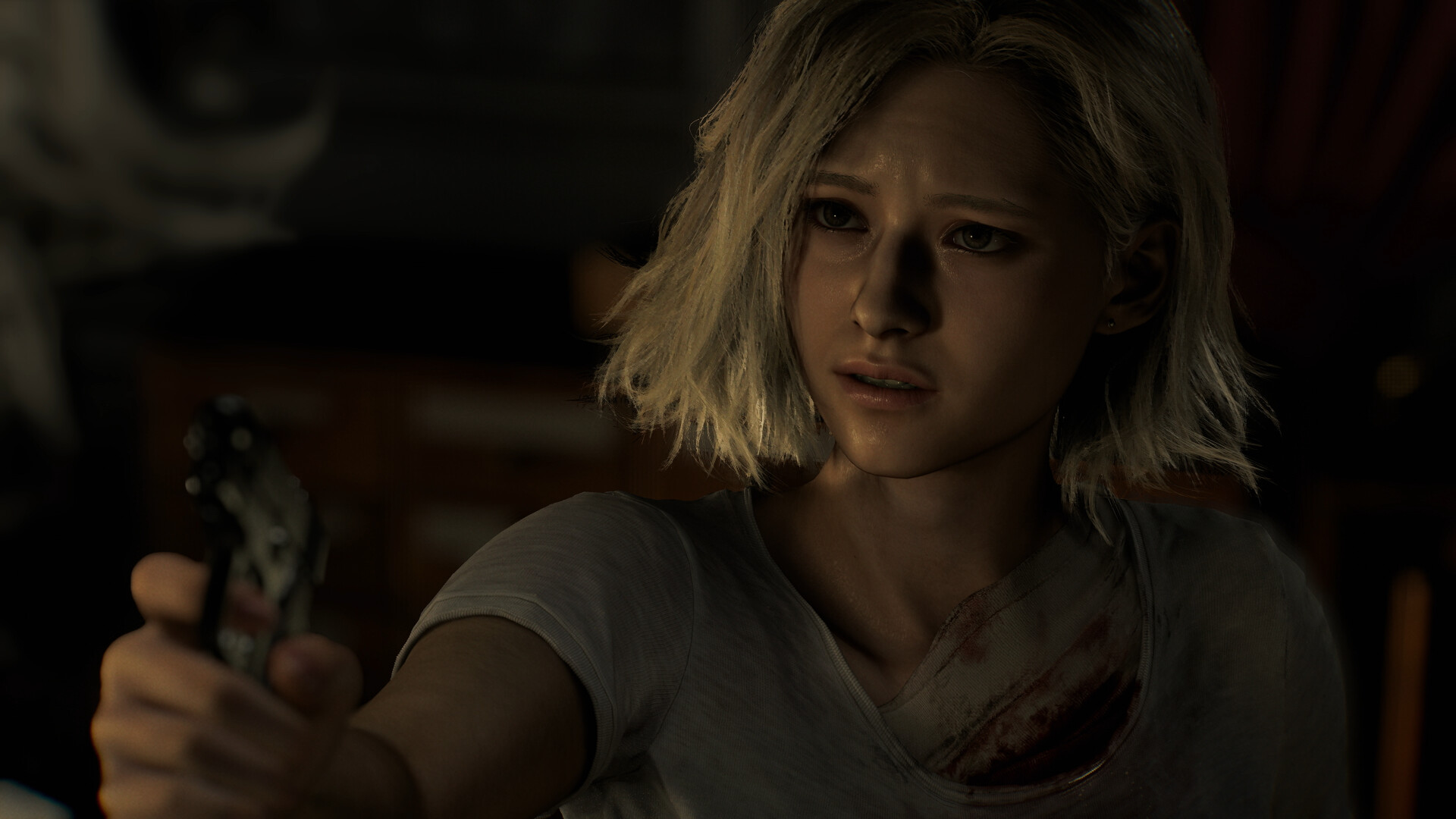
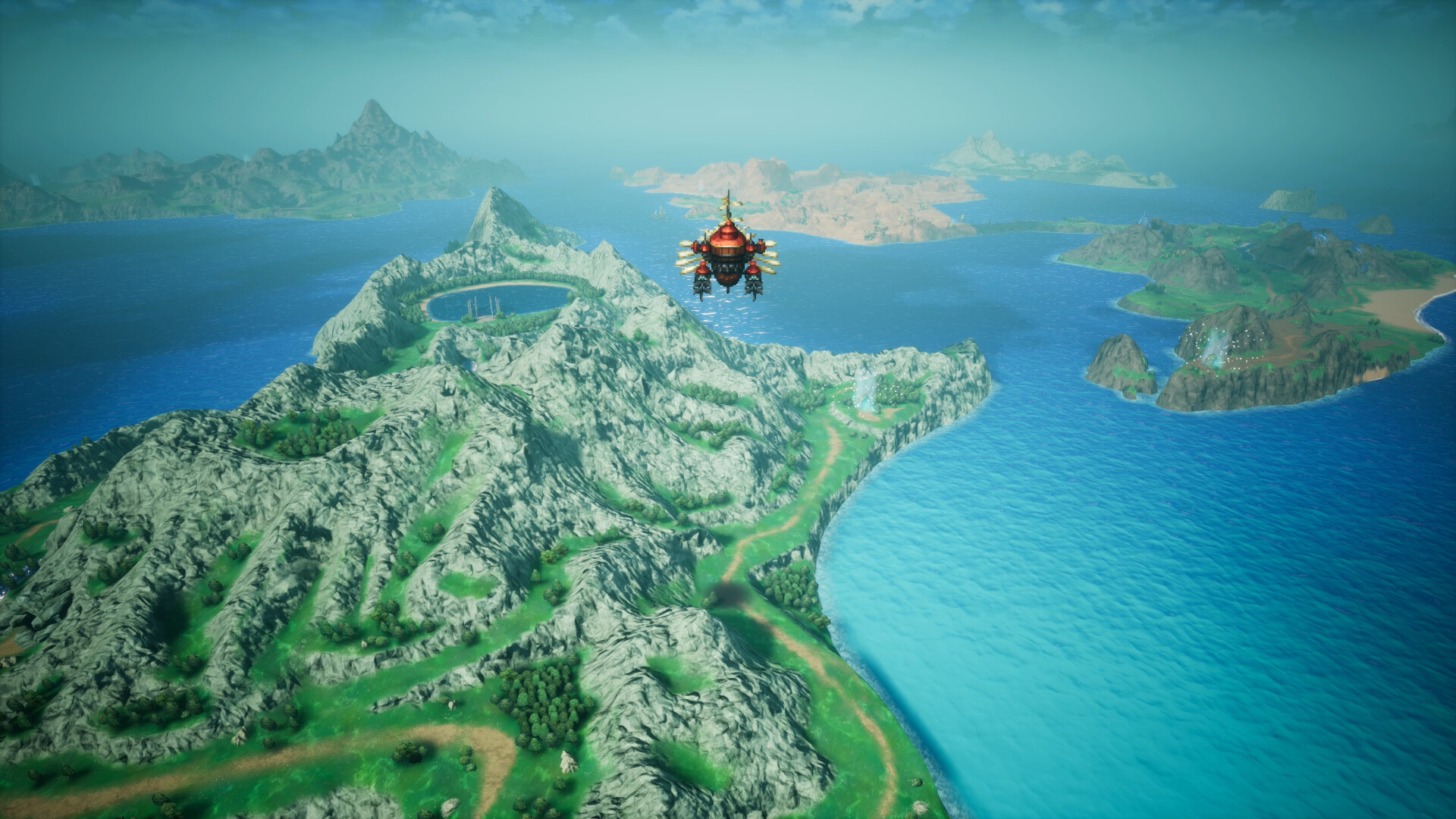
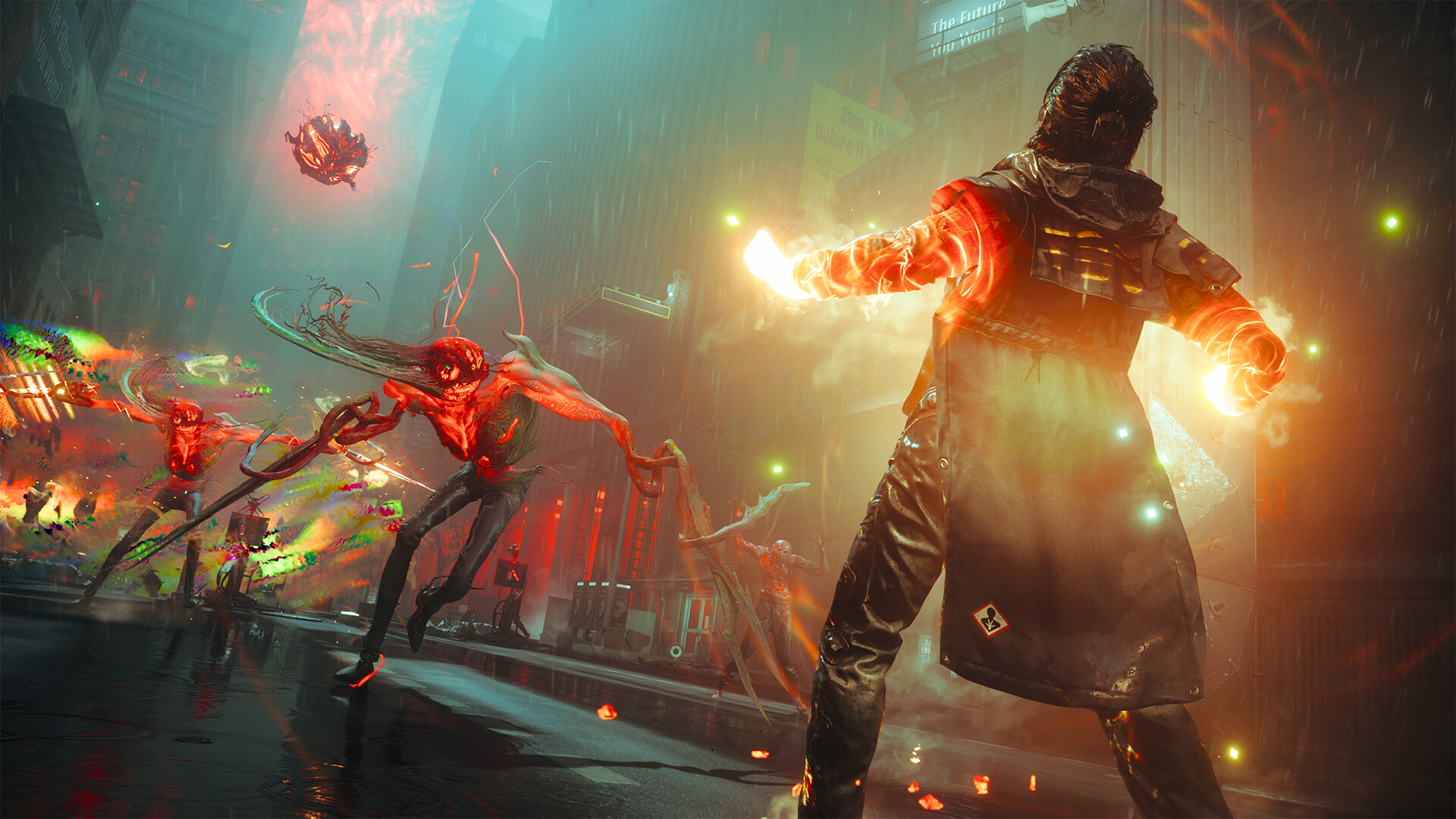
Level-5 had a good showcase. Level-5 Vision 2026 II: Dream ran for the best part of an hour on September 10 and delivered nine titles, including the reveal a lot of people had been quietly hoping for since the series began - a full remake of Professor Layton and the Curious Village, the Nintendo DS puzzle game that started everything.
Then people started looking closely at the footage. Two days later, company president and CEO Akihiro Hino confirmed what they suspected: generative AI was used in the presentation.
What Hino actually said
Hino posted his statement on September 12, the day after the showcase. His explanation was that the AI work was driven by ambition rather than cost-cutting - that it was, in his words, an experiment folded into a genuine attempt to make the presentation more spectacular. He then conceded it had landed badly, saying that it appeared some people had felt uncomfortable, and apologised.
The load-bearing part of the statement is the line about where the boundary sits. Hino was explicit that the elements which define a Level-5 game - scenarios, character designs, basic world-building, everything that gives a title its charm and individuality - are made entirely by human hands. His account of the AI's role is narrower and more technical: it was used to help convert human-made assets into digital form, including polygon models, as an efficiency measure, and then pushed further for presentation flourish than it should have been.
Why this one stung
Because of what was in the showcase. Level-5's catalogue is built almost entirely on a specific, hand-drawn visual identity. Professor Layton in particular is a series whose entire appeal rests on animation - the storybook cutscenes, the character acting, the very particular illustrated-Europe look that the studio has kept consistent across nearly twenty years.
Announcing a remake of the game that established that identity, in a presentation that used generative AI to smooth out the edges, is a collision the studio walked into with its eyes open. The other eight titles shown carry the same weight of expectation: Yokai Watch 2: Haunted Domain, Inazuma Eleven: Cross, Inazuma Eleven Rekka no Kakumei, DECAPOLICE, Fantasy Life i: The Girl Who Steals Time, Snack World: The Dungeon Crawl - Gold, HOLY HORROR MANSION and Pufflings: Journey Through a Fantasy World. These are art-forward games sold on craft.

A distinction that is easy to state and hard to hold
The line Hino is drawing - human authorship for the game, AI assistance for the marketing around it - is one a lot of studios would like to be able to draw. It is also a line that only works if audiences can tell which side of it they are looking at, and the whole problem here is that they could not. Viewers watched a trailer, saw something that read as machine-processed, and had no way to know whether they were looking at the game or at a layer applied on top of it.
That ambiguity is the actual damage. A trailer is a promise about what the finished thing will look like. If the trailer has been enhanced by a process the finished game will not use, the promise is inaccurate in a way that is difficult to correct after the fact - and the correction arrives, as it did here, as an apology rather than as a label on the video.
What it does not change
The announcements stand. Professor Layton and the Curious Village is still being remade for PC, PS5, Nintendo Switch and Switch 2 in 2027, rebuilt in a more modern 3D style with updated cutscenes, resolutions raised to current displays, and additional voice acting for newly filled-out scenes. Level-5 pitched it as a reunion for returning players and an entry point for anyone who has never solved one of Layton's puzzles.
Hino's statement did not walk any of that back, and did not commit to a policy for future showcases either - no disclosure standard, no undertaking to stop, just an explanation and an apology. Level-5 has a substantial presence at Tokyo Game Show 2026, which runs September 17 to 21 at Makuhari Messe. The next time the studio puts footage in front of an audience, the question of what exactly is in the frame will be the first thing asked.