One of the largest creature-collecting franchises on the planet has spent sixteen years being almost entirely invisible outside China. That ends at some point after October: Morefun and Tencent used Gamescom Opening Night Live to announce a global version of Roco Kingdom, and the first thing Western players can actually get into is a closed beta on phones on October 27.
The Quack Quack Test, October 27
The beta is called the Quack Quack Test, and sign-ups are already open on the official site. It runs on PC and phones — console builds are not part of this round — which makes handhelds the primary way most people will get their first look. There is still no global release date for the full game.
When it does launch, the platform list is unusually wide for a free-to-play creature collector: phones on both major app stores, PC via Steam, the Epic Games Store and the Microsoft Store, plus PlayStation 5 and Xbox Series X|S, all with cross-platform play. Morefun's own pitch leans on that hard — the phrasing is "zero paywalls, zero platform boundaries," which is a claim worth holding onto and checking again at launch.
400-plus Jinies, and none of them identical
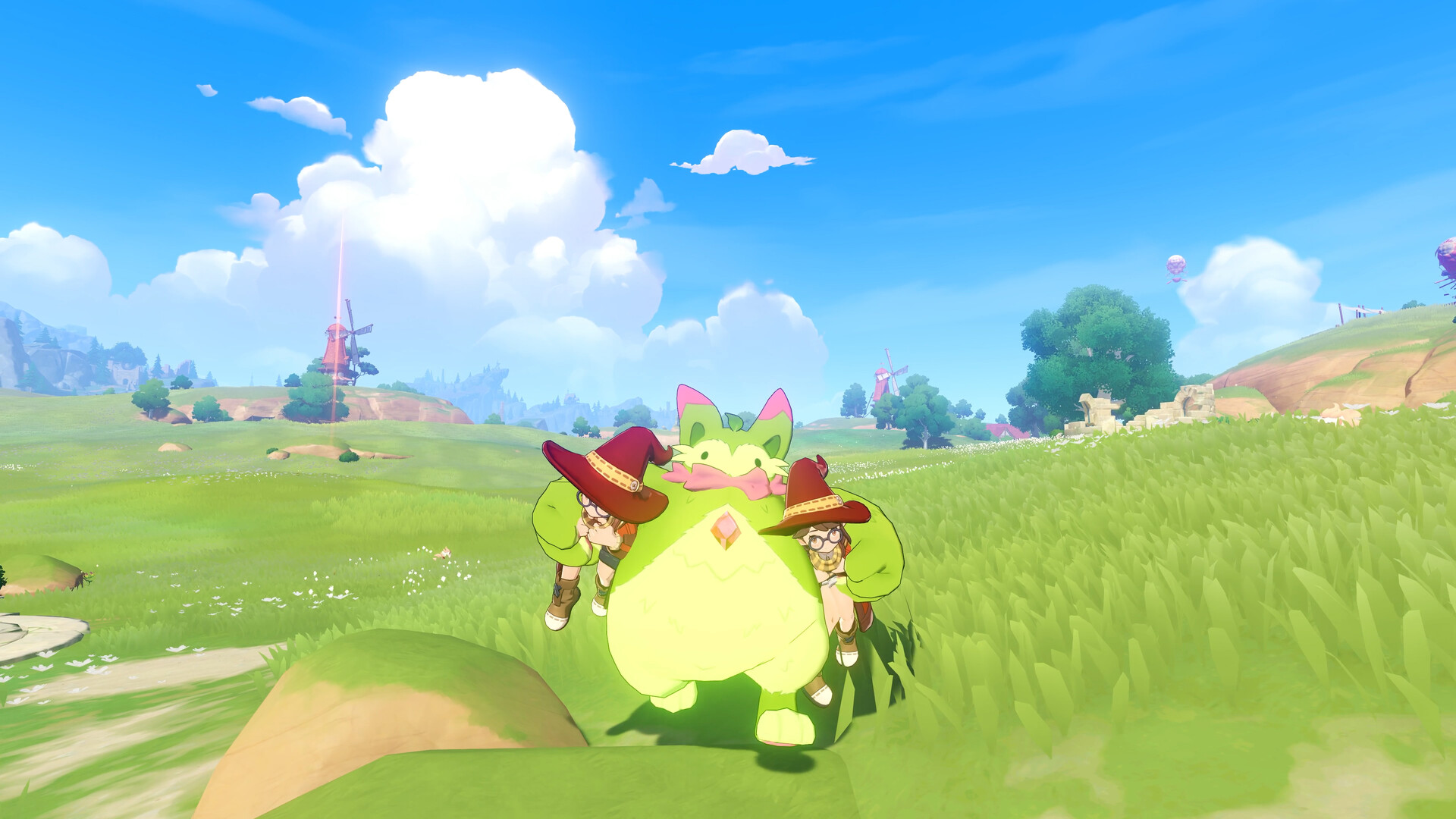
The creatures are called Jinies, there are more than 400 of them, and the hook is that individual specimens vary in height, size and weight rather than being stamped from one model. On top of that sit rarer visual states — prismatic, chromatic and nightmare-corrupted appearances — which is the shiny-hunting loop the genre has run on for a quarter-century, just with more axes to hunt along.

Magic school, co-riding, and equalised PvP
The structure around the collecting is where this stops looking like a clone of anything. Players enrol at the Roco Kingdom Magic Academy, pick a school, attend outdoor classes, work through seasonal events and compete in an Academy Points Tournament that runs from novice wizard up to grand master. There is a house to build and decorate, farming, and a costume system that lets you match outfits with your Jini for a shared "twin styles" look.
Co-op is built around physical proximity rather than menus. Two players can co-ride a single Jini and travel together, and holding hands shares gathering rewards and battle experience while making captures easier. It is a small design decision that says a lot about the intended audience.
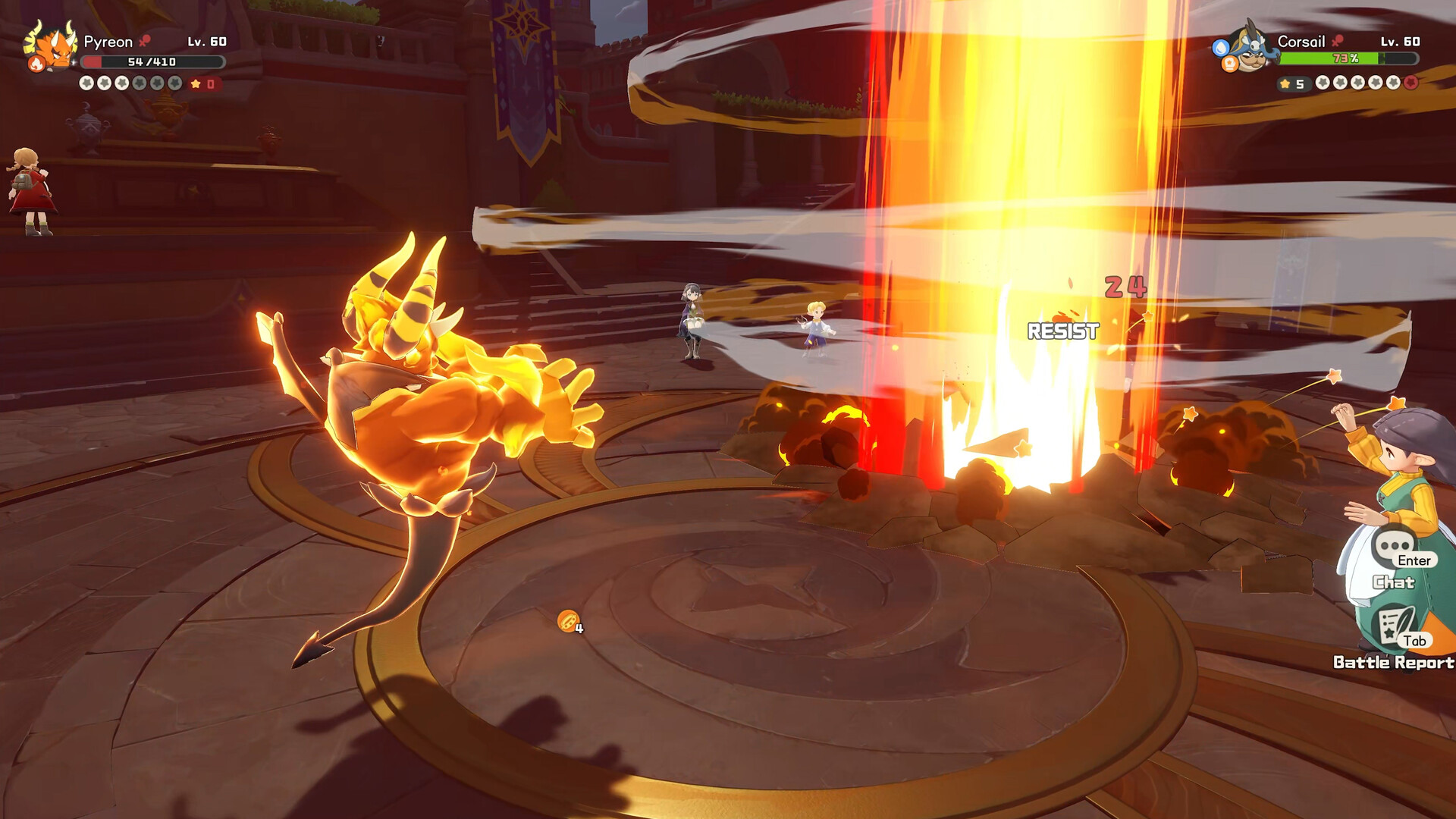
PvP is turn-based and deliberately flattened: Jini levels are equalised, and the whole thing runs on an 18-class counter ecosystem, so matches come down to reading elemental matchups and skill traits rather than out-grinding your opponent. For a free-to-play game aimed largely at younger players, level-equalised competitive play is the single most player-friendly thing on the feature list.
Why this is a bigger deal than it looks
Roco Kingdom started life in 2010 as a Flash browser MMO from Morefun, published by Tencent and aimed squarely at Chinese children. It passed 200 million registered players by 2015 and has since accumulated a registered user base in the hundreds of millions, spawning four animated films between 2011 and 2015, a CCTV cartoon, a webtoon and an enormous merchandise line. In China it is not really a game so much as a childhood.
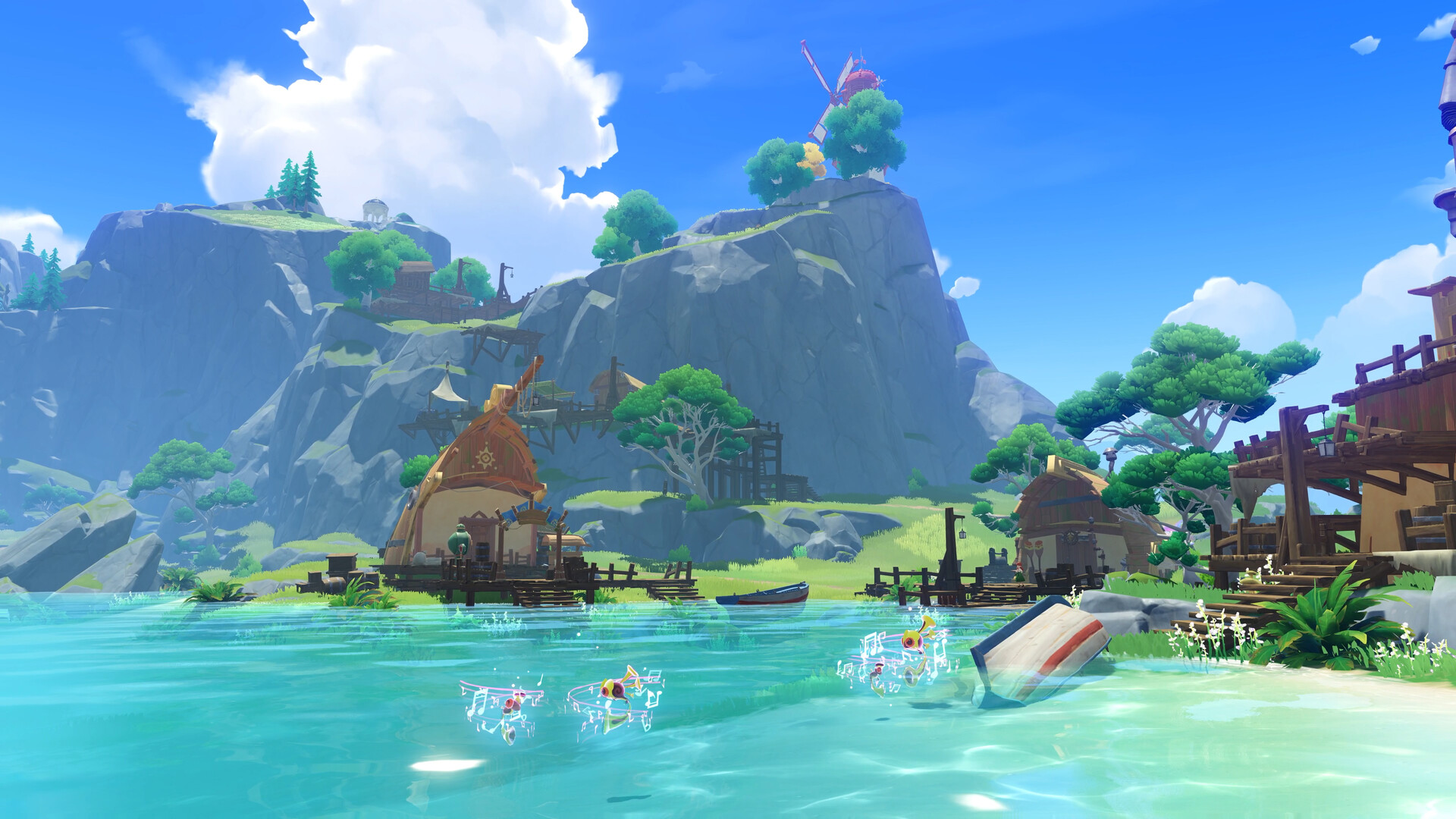
The 3D open-world reinvention — known in China as Roco Kingdom: World — launched there on March 26, 2026 after an open beta in August 2024, and it did the kind of numbers that get a global port greenlit: tens of millions of pre-registrations and a simultaneous number one on both the free and top-grossing charts. The global version announced at Gamescom is that game.
What to watch
Two things. The first is monetisation: a sixteen-year-old Tencent free-to-play property carries a lot of accumulated systems, and "zero paywalls" is a promise the October beta will test in public. The second is localisation depth — 400-plus creatures, a school calendar and a seasonal event structure add up to an enormous amount of text, and Chinese live-service games making the jump West have historically lived or died on whether that work was done properly.
Sign-ups for the Quack Quack Test are open now. October 27 is the date to put in the calendar.