SEGA and RGG Studio have released twelve unbroken minutes of Stranger Than Heaven, lifted straight from the demo that was on the show floor at gamescom in Cologne this week. It is the longest look yet at the studio's 50-year crime saga, and more importantly it is the first one that spends real time on the combat system - which, it turns out, is not the Yakuza combat system with a new coat of paint.
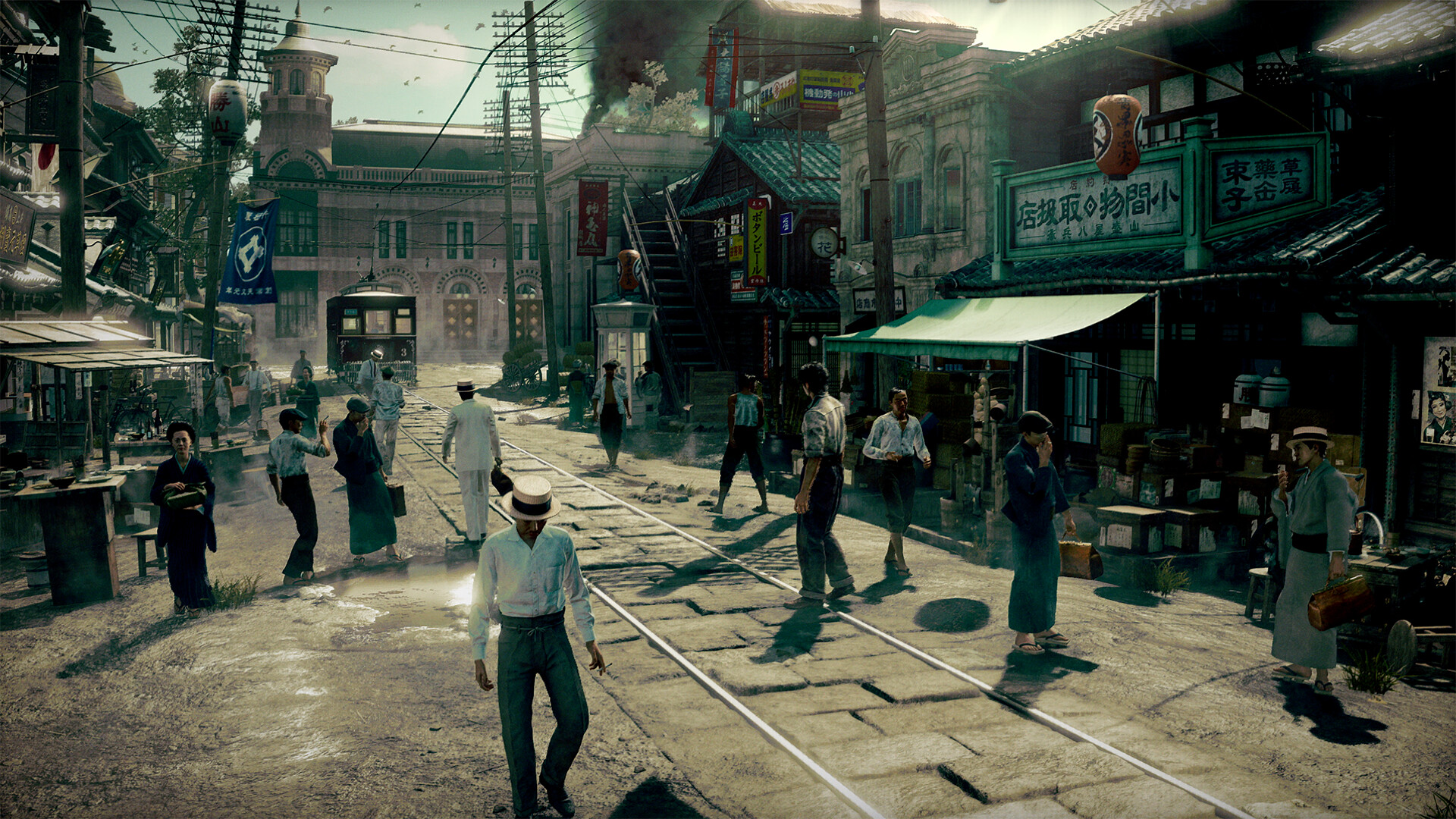
The video moves through three of the game's five eras. It opens in Kokura in 1915, where Makoto Daito has recently arrived in Japan from America and is being handed a job by his boss. RGG spends the first ninety seconds on atmosphere rather than action - Makoto walking a city street, background conversations playing out, character models and lighting on display - before the first fight starts at roughly the 1:35 mark.
The shoulder buttons are the fists now
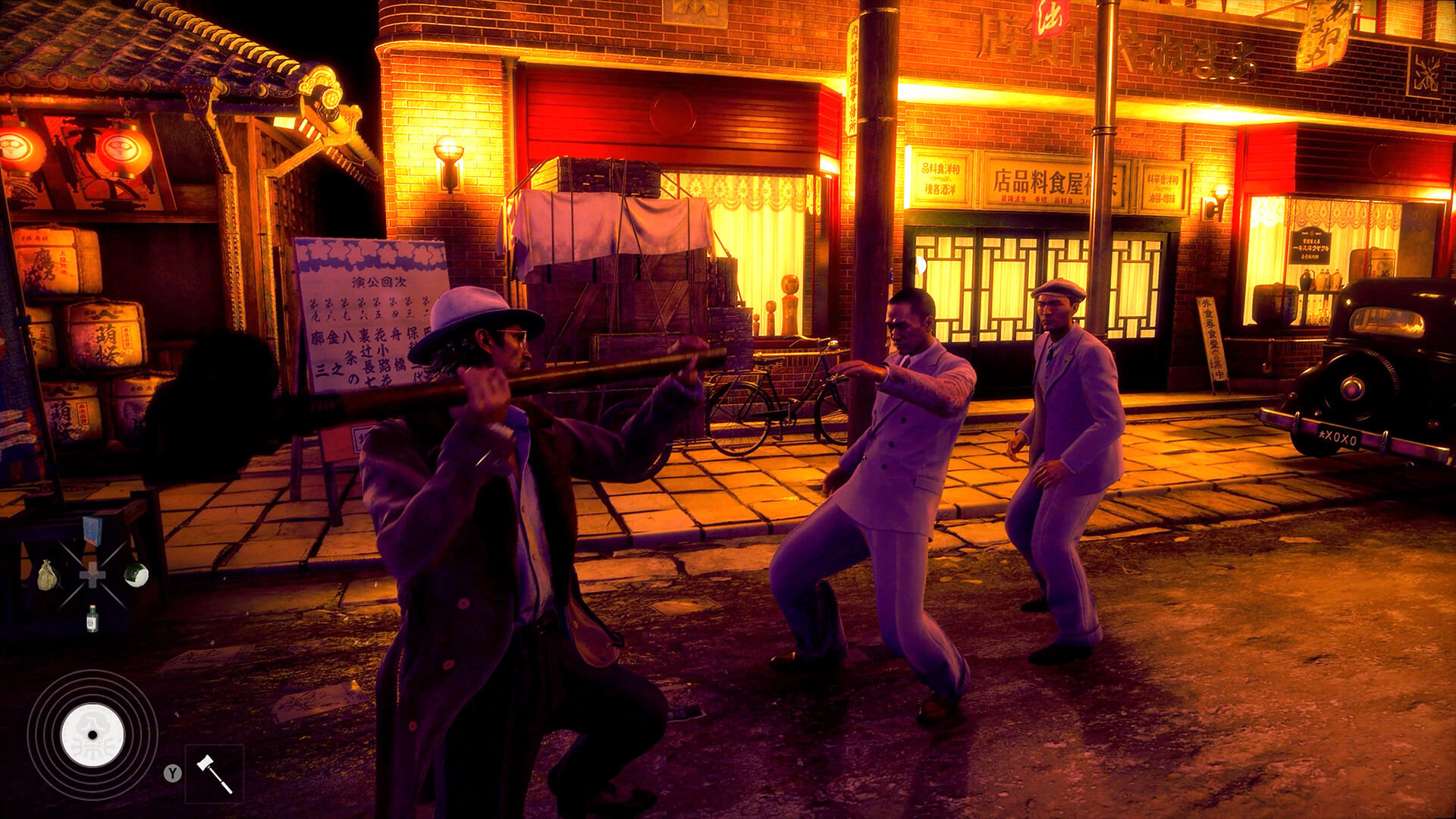
That first fight is where things get genuinely new. Combat is still an active, real-time brawler in the lineage of the older Yakuza games and Judgment, but the control mapping has been rebuilt around sides of the body. The left and right shoulder buttons and triggers determine whether Makoto strikes with his left or his right, and holding B together with LB or RB guards on that side. Evasion moves off the shoulder buttons entirely and onto A, while the D-pad handles eating food and using items mid-brawl.
Health is not a bar. Both Makoto and his opponents carry health represented as circles, with percentages peeling away as damage lands. Between the side-specific attacks, side-specific guarding and the segmented health display, this reads much more like a boxing-adjacent fighting system than the Heat-action spectacle RGG built its reputation on. Whether that is a better fit for a 1915 dock brawl than a Kamurocho street fight is exactly the question the demo is asking.
Kure in 1929, Osaka in 1943
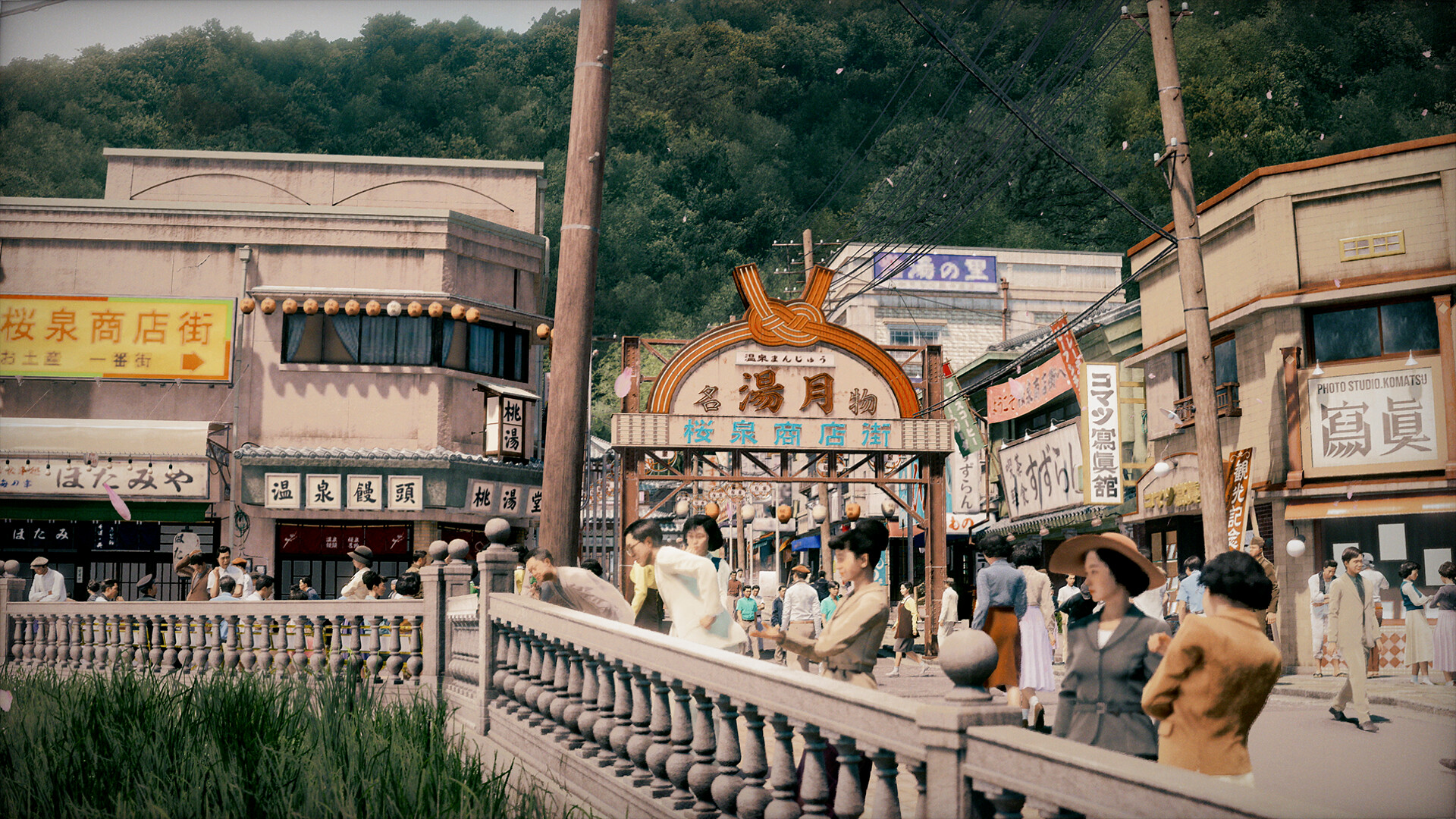
The second segment jumps to Kure in 1929 at around the 3:25 mark, with a visibly older Makoto keeping order on the streets and squaring off against a hostile yakuza clan. This is the meatiest part of the video: a boss fight runs from roughly the five-minute mark all the way to 7:55, which is a long time to leave a single encounter on screen and suggests RGG is confident the system holds up under scrutiny.
The final section drops into the Minami district of Osaka in 1943, on a rainy night, with Makoto in the middle of building out his music business and running into a more routine group encounter. The three segments together do a lot of quiet work showing how differently the eras are lit and dressed - the muted, dusty 1915 streets against the neon-and-lantern glow of wartime Osaka.
SEGA is aiming high
Stranger Than Heaven has been on a steady drip of reveals all year. The May announcement laid out the story and confirmed a return to Kamurocho, along with a theme song performed by Ado, Satoshi Fujihara, Snoop Dogg and Tori Kelly. Summer Game Fest followed with the reveal that Tupac Shakur's likeness appears in the game as Amaru. SEGA has publicly set a target of more than five million copies sold worldwide, which would put it well clear of anything RGG Studio has managed before - and explains why the publisher keeps giving the game its own dedicated slots at every major event.
Stranger Than Heaven launches January 15, 2027 for PlayStation 5, Xbox Series X and S and PC via Steam and the Microsoft Store, and hits Game Pass on day one.