Tathvamasi Studios has put a date on its first game. SURI: The Seventh Note, a rhythm-driven 2D platformer set on a hand-illustrated island modelled on Indian art and architecture, launches on October 30, 2026 for PS5 and PC. PlayStation pre-orders are open now, and a free demo has been on Steam since May for anyone who wants to test their timing before committing.
A platformer that runs on a metronome
The premise is simple and personal. You play as Ajira, a quick, reckless girl who sets out to find a fruit that might cure her mother of the same illness that killed her father. The errand turns into something larger once it becomes clear the island's rhythm, which in Suri works like a law of nature, has been knocked out of balance.
That idea shapes how the game plays. Running, jumping and phasing are all tied to the soundtrack, and the world reacts to whether your inputs land on the beat. Miss it and you lose your flow rather than simply losing a life. The Steam listing describes handcrafted escape sequences where the music and the level design are built as a single piece, abilities that unlock over the course of the story and widen both your movement and your attacks, and levels that are each composed like a song, with their own tempo and mood.
Why 480 milliseconds matters
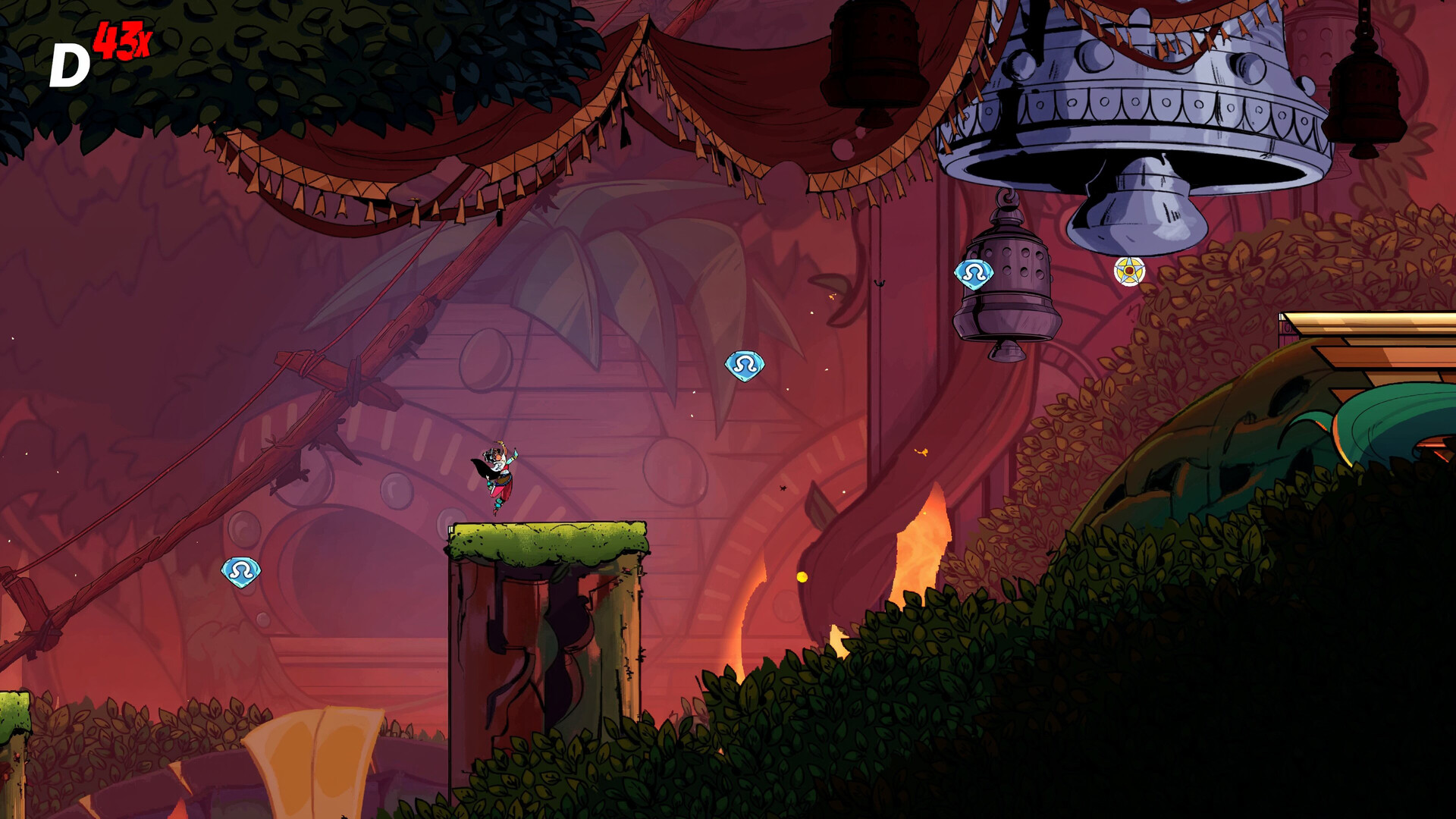
In a new post on the PlayStation Blog, the team explains the single number the whole game is built around. The main beats in Suri are spaced roughly 480 milliseconds apart. The studio says it landed there after a lot of trial and error, trying to match musical variety to how fast a person's thumbs can actually move on a controller.
The reasoning cuts both ways. A wider gap would slow the game down and loosen its rhythm, making it feel less responsive. A tighter one would make failure so quick that players might not register they had fallen off the beat at all. Around half a second leaves room for the input, a forgiving window around it, and enough momentum that the run still feels like it is moving.
That constraint also explains the game's genre mix. The developers say a rigid rhythm-game structure would not suit a platformer, so Suri blends styles instead of committing to one pure form.
Real instruments, regional sounds
Music is the part the studio clearly cares about most. According to the team, around 80 percent of what you hear was recorded on real analogue instruments rather than synthesised, to keep the texture of the sound intact. The instrumentation also changes with the map: the southern part of the island leans on the veena rather than the sitar, while the desert areas take their cues from the musical traditions of Rajasthan.
There is a practical compromise here, too. Strictly traditional Indian rhythms do not always fit the timing the gameplay needs, so the studio saves its most authentic material for cutscenes and narrated story drawings. During play, the tracks follow something closer to a hip-hop structure, stripped back so that the functional beats sit on top, with Indian percussion layered over the frame. The team describes the result as bouncy rather than aggressive.
An island drawn by hand
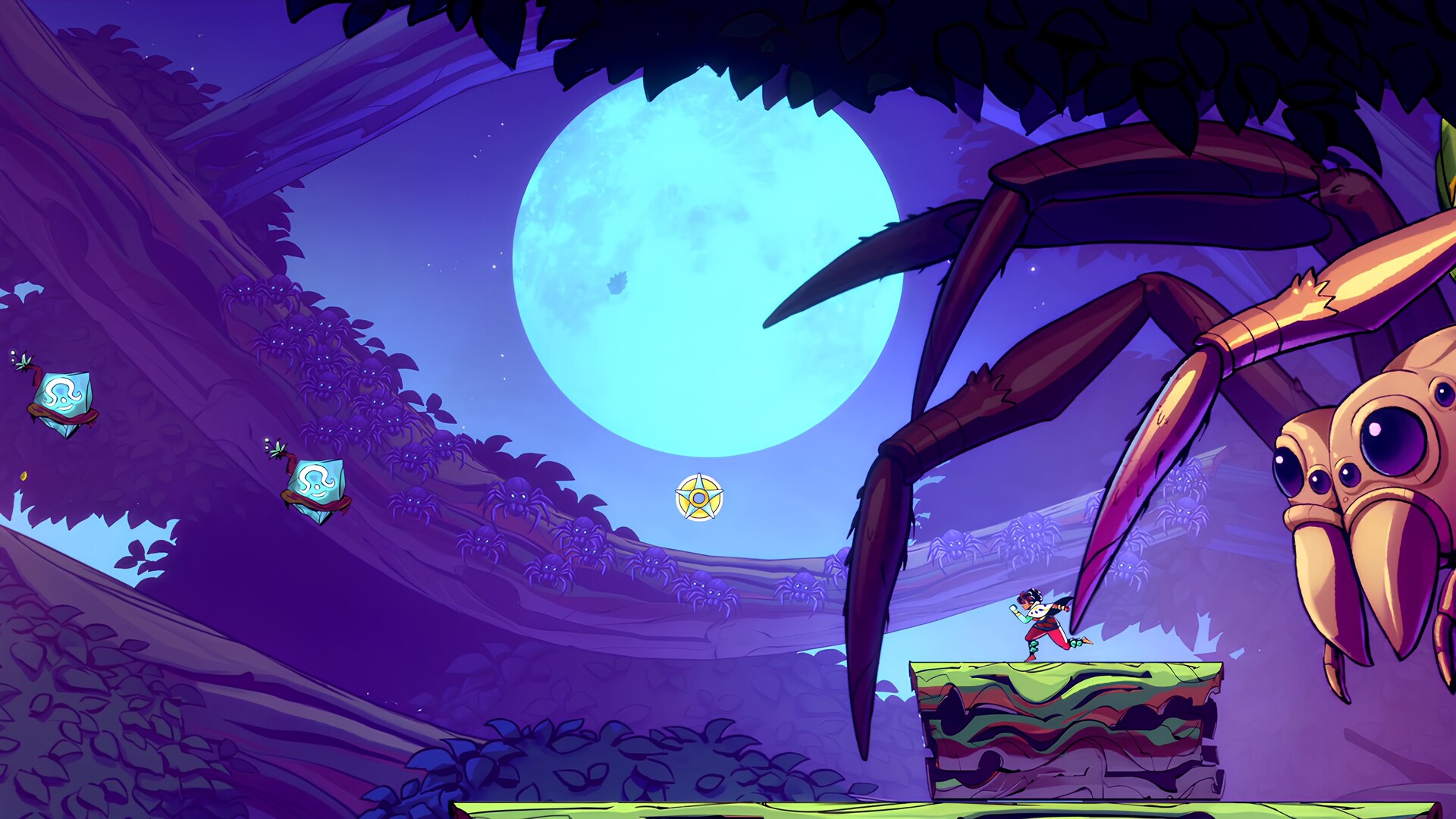
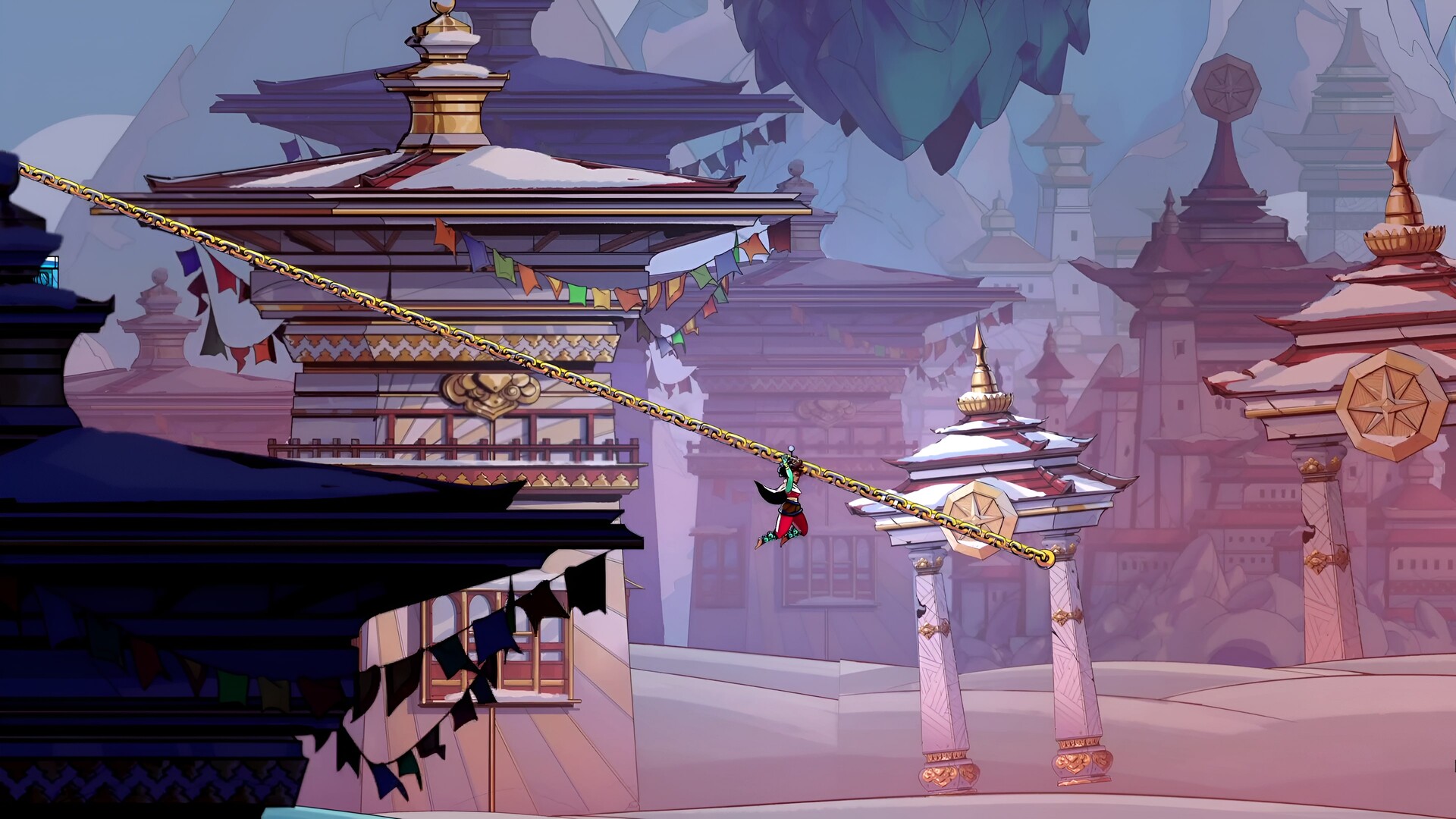
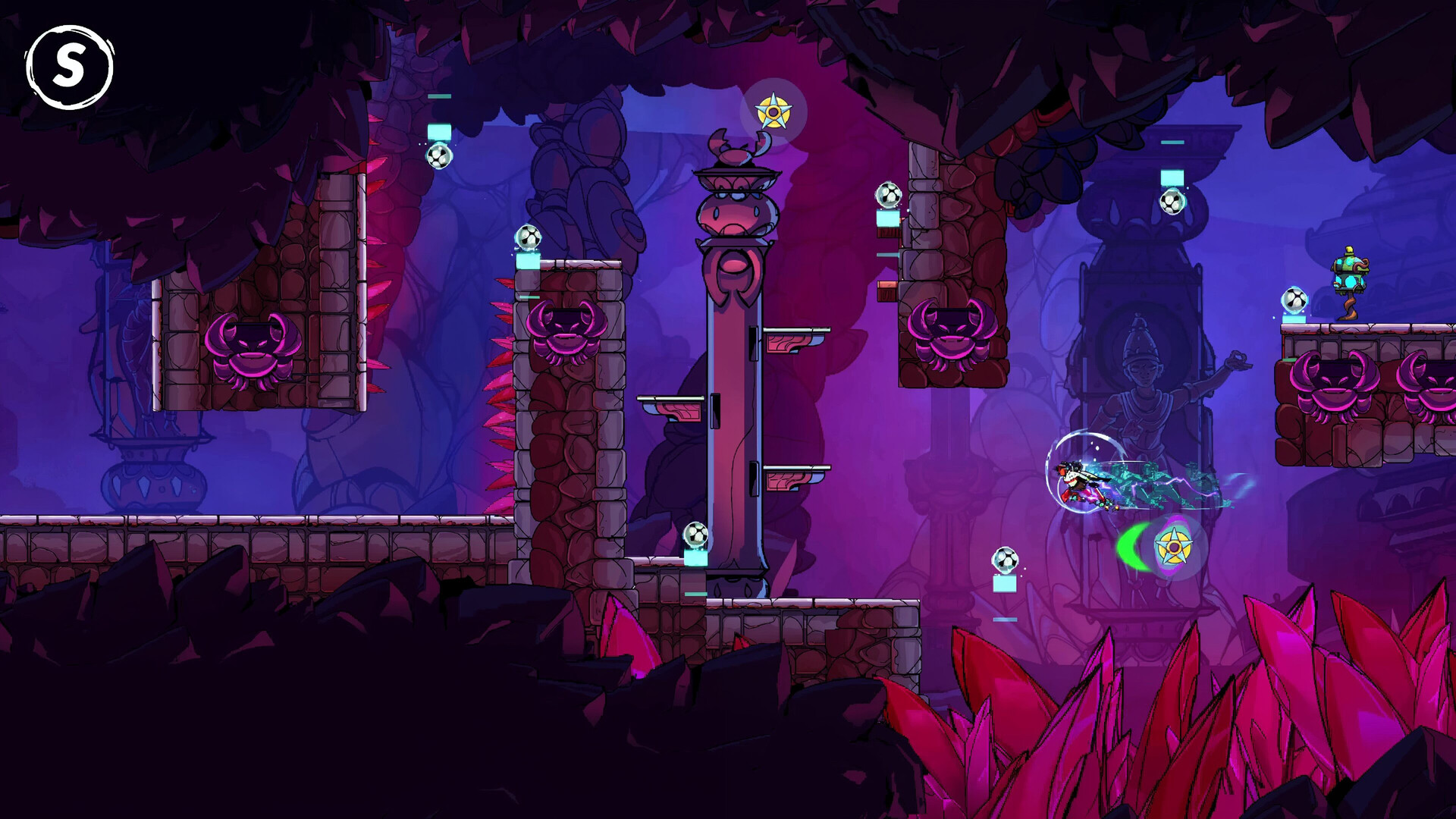
Every environment, character and animation in Suri is hand-illustrated. The island pulls from a wide range of Indian sources: Rajput forts, the ritual art of Theyyam, Himalayan monasteries and other regional traditions, mixed into a fantasy setting rather than a literal map. The store screenshots bear that out, moving from moonlit jungle canopies to crimson temple interiors to snowbound mountain towns.
The studio pitches the game as something to replay as well as finish. It points to perfect runs, hidden routes and the mastery of each movement ability as reasons to go back, alongside simply taking in the scenery.
Editions and pre-orders
There are two versions on PS5. The Standard Edition is just the base game. The Digital Deluxe Edition adds an exclusive Chandini skin, a DLC pack and three days of early access to the full game. Both come with a 20 percent pre-order discount for PlayStation Plus members.
The studio says the Chandini skin and the DLC will only be sold as part of the Digital Deluxe Edition, never on their own. Anyone who buys the Deluxe Edition after launch will still get both.
On PC, SURI: The Seventh Note is listed on Steam for the same October 30 date, with full controller support. The Steam demo has been live since May 21 and is still the easiest way to find out whether the 480-millisecond pulse suits you.