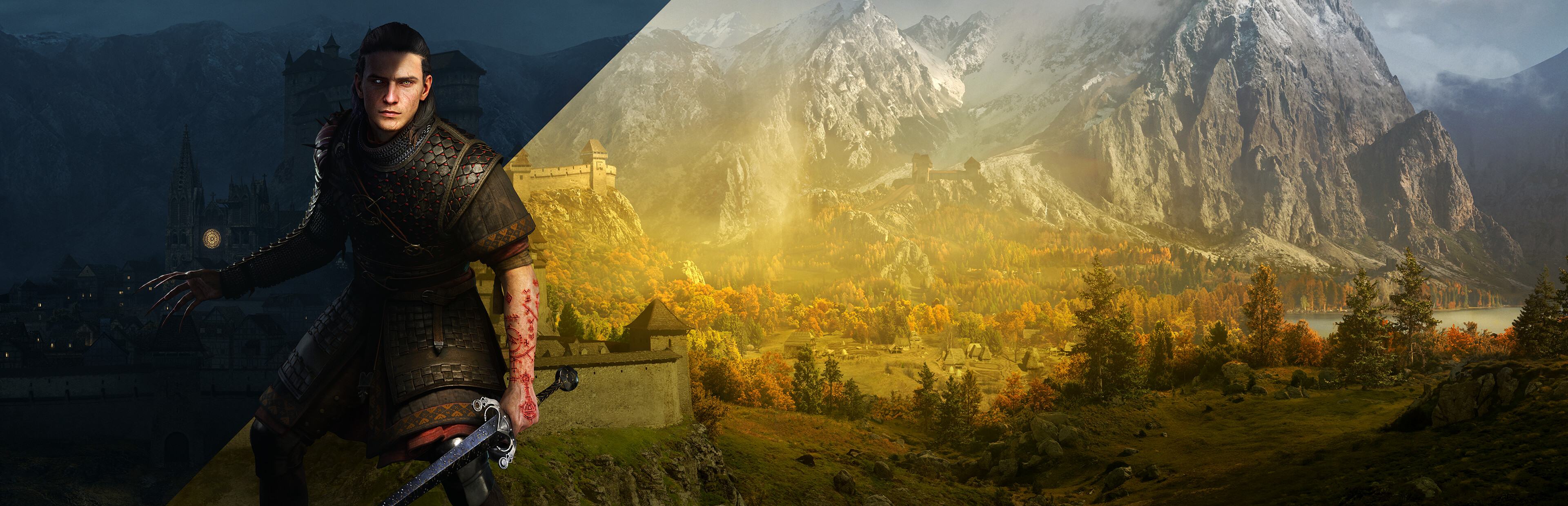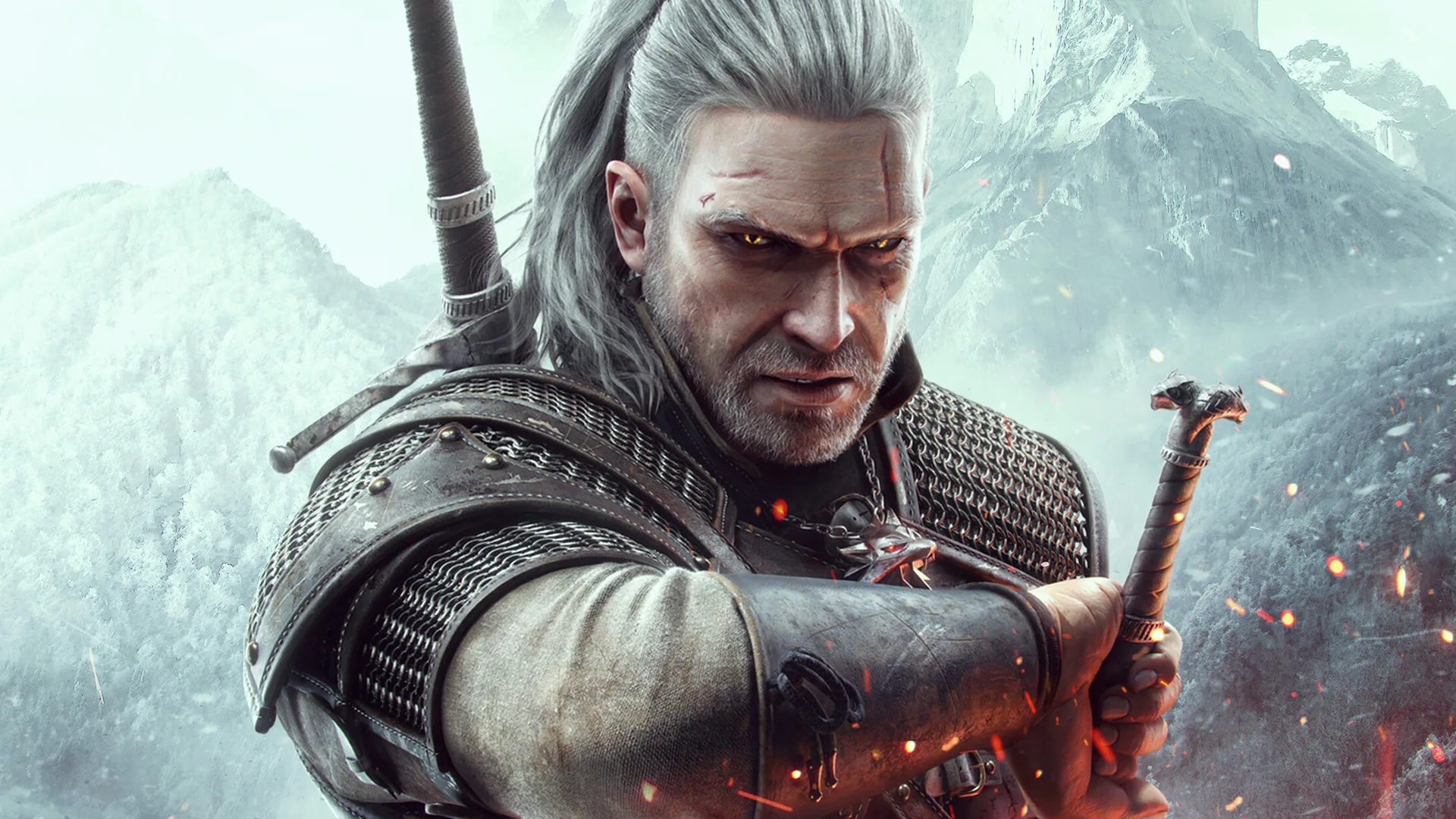
Eleven years after it first shipped, The Witcher 3: Wild Hunt is getting its third coat of paint and by far its thickest. The Witcher 3: Wild Hunt — Remastered arrives on September 29, 2026, as a free upgrade for existing owners on PC, PS5 and Xbox Series X|S, with a native Nintendo Switch 2 version and a Battle.net release landing the same day. CD Projekt Red co-developed it with Yigsoft, and the list of changes runs long enough that "remaster" almost undersells it. What matters is what has actually changed, what hasn't, and who that adds up to a reason to come back for.
What the Remastered upgrade actually is
The first thing to understand is the delivery. This isn't a new product sitting next to the old one. On Steam, The Witcher 3: Wild Hunt is upgraded in place to the Remastered version on launch day, free for anyone who already owns it there. The same pattern holds on the other qualifying platforms. On Xbox, the upgrade also turns the game into a Play Anywhere title, so a Microsoft Store purchase comes with a Windows copy that shares saves.
The second thing is the content. Hearts of Stone and Blood and Wine, the two expansions that turned a great RPG into one of the most complete packages the genre has produced, are now included with the base game. CD Projekt Red unlocked them for all existing owners at no cost back in August, ahead of the upgrade. So a player who bought the original disc in 2015 and never paid for anything else now has the whole thing, in its newest form, for nothing.
That framing matters for how you judge it. A paid remaster has to justify a price tag against a version you already own. A free one only has to justify the download and the change in hardware demands. The bar is different, and the Remastered upgrade clears the lower one with room to spare. The more interesting question is whether it's good enough to pull back players who finished the game years ago, and that depends on which part of the list you care about.
A new lighting model, not just new textures
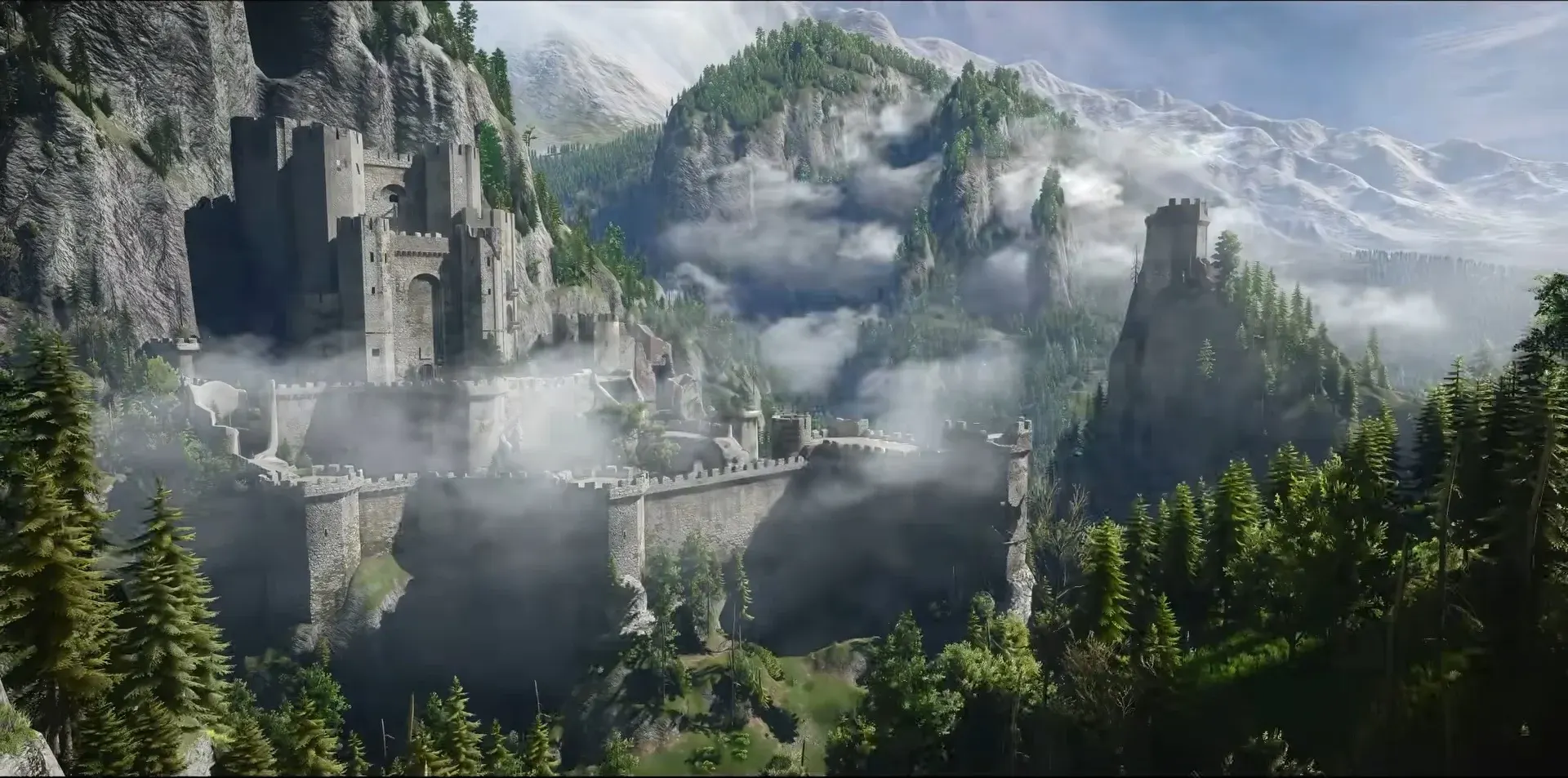
The visual changes are the most extensive part of the upgrade and the least glamorous to describe, because most of them are about how light behaves rather than what things look like. The Remastered build introduces an improved shading model, new image-based lighting for ambient light and reflections, reworked bloom, updated tone mapping, and a new ambient occlusion option (GTAO) alongside the existing ones. Screen-space reflections and shadows are both updated, subsurface scattering has been revised for skin, and terrain and material rendering have been reworked so surfaces pick up lighting, shadow and highlights more naturally.
That is the right place to spend the effort. The Witcher 3's art direction was never the problem. Its landscapes were composed with a painter's eye in 2015, and the 2022 next-gen update already raised texture resolution and added ray tracing on top of that. What aged was the way the old renderer lit those scenes: the flat ambient light in interiors, the look of skin under harsh sun, foliage that could read as cardboard at certain angles. Lighting and shading for grass and foliage have been improved as well, a change that touches nearly every frame of a game that spends so much time in fields and forests.
There's an asset pass as well: textures and models have been updated based on assets from The Witcher 3 HD Reworked Project, the long-running community texture overhaul. Folding work that the modding scene refined over years into the official build is a generous and sensible move. It also means players who ran that project on PC get something close to it by default, without mod management or compatibility worries.
Combat effects got attention too. The visuals for Signs, including their upgraded versions, have been redone, and skills now have new effects of their own. In a game where you'll cast Igni and Quen thousands of times, that is more than cosmetic. It changes how readable combat is at a glance.
The PC version is the technical showcase
The PC feature list is where the Remastered build most clearly aims beyond its last update. The game now renders natively in DirectX 12 with multithreading, for better performance and visuals. On top of that sit path tracing, ray-traced local shadows, ray-traced HairWorks for Geralt's hair and the fur of the game's many beasts, and a full set of upscalers: NVIDIA DLSS 4.5 with Ray Reconstruction, AMD FSR 4 with Frame Generation and Anti-Lag 2, and Intel XeSS 2.0 with Frame Generation and Low Latency. FSR 4 needs a Radeon RX 7000-series card or newer; older AMD hardware falls back to FSR 2. DualSense haptic feedback is supported on PC as well.
The trade-off is that system requirements change on September 29. CD Projekt Red has published a revised table that now includes ultra and ray-tracing tiers, and it tells PC players to update their graphics drivers before launch. An 11-year-old game that ran on a GTX 660 now has a top tier that scales up to path tracing. Anyone on ordinary mid-range hardware should check the official table against their own machine rather than assume the old minimum still holds.
The console versions share the lighting and rendering overhaul, but path tracing and the DLSS, FSR and XeSS upscalers are PC-specific; the PS5 Pro gets PlayStation Spectral Super Resolution instead. The native Switch 2 version is its own milestone. The original Switch port had to make heavy cuts to fit the older hardware. A native build on Switch 2, carrying the Remastered improvements, is the fullest version of the game yet on a Nintendo handheld.
Combat: the same bones, with better muscles
Combat has always been The Witcher 3's weakest system: functional but floaty, with an overpowered dodge-and-hit loop and enemies that sometimes seemed unaware of their own attack patterns. The Remastered build doesn't replace that system. It tunes nearly every part around it, and the scope is wider than "rebalanced combat" suggests.
On the enemy side, the combat behaviour of many non-boss monsters has been polished, covering attack patterns, counterattacks, movement, reactions, flight and how they apply effects. That targets the right part of the bestiary. Bosses were always the most carefully built fights. The drowners, nekkers, wolves and harpies you meet by the hundred were the ones that exposed the system's rough edges. Better reactions and counterattacks from ordinary monsters are aimed squarely at making routine fights feel like encounters with an animal rather than cycles of the same animation.
On Geralt's side, the changes are about feel. There are new finishers, smoother gap-closing animations when he lunges toward a target, and improved target-lock switching as you move the camera. A new dynamic combat camera is designed to keep enemies in view, answering a familiar problem from the original game: losing track of an off-screen attacker in a group fight. There's also a new option to break away from combat. Hold dodge to unlock from your target, then sprint to run. It's a small thing, but the old game made retreating oddly awkward, and the fix is overdue.
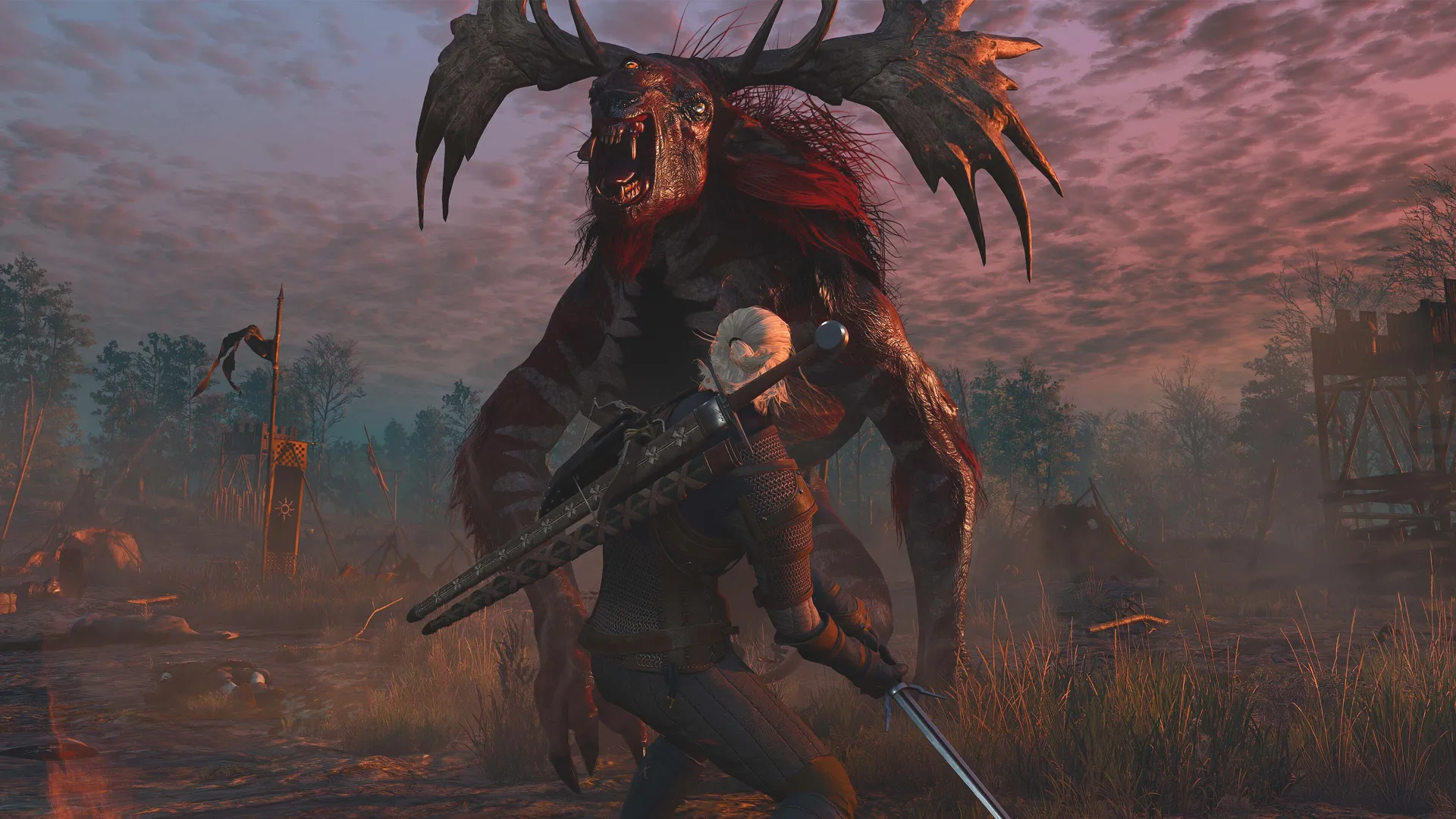
What won't change is the underlying structure. This is still a stance-less, lock-on action system built around light and heavy attacks, dodges, rolls, five Signs, oils, bombs and potions. Players who bounced off the combat because they wanted something closer to a precise action game are unlikely to find a different game here. Players who liked it but found it unpolished are the ones this upgrade is built for.
The skill tree finally becomes a tree
The biggest mechanical change is progression. The original game sorted its abilities into four columns (combat, Signs, alchemy and general) and gated deeper skills behind the number of points spent in a branch. The Remastered build reorganises them into a real skill tree. Each skill now has three ranks, and unlocking a new one requires its prerequisite skills rather than a set number of points. Values, effects and synergies have been rebalanced, and some skills have been renamed so the names describe what they actually do.
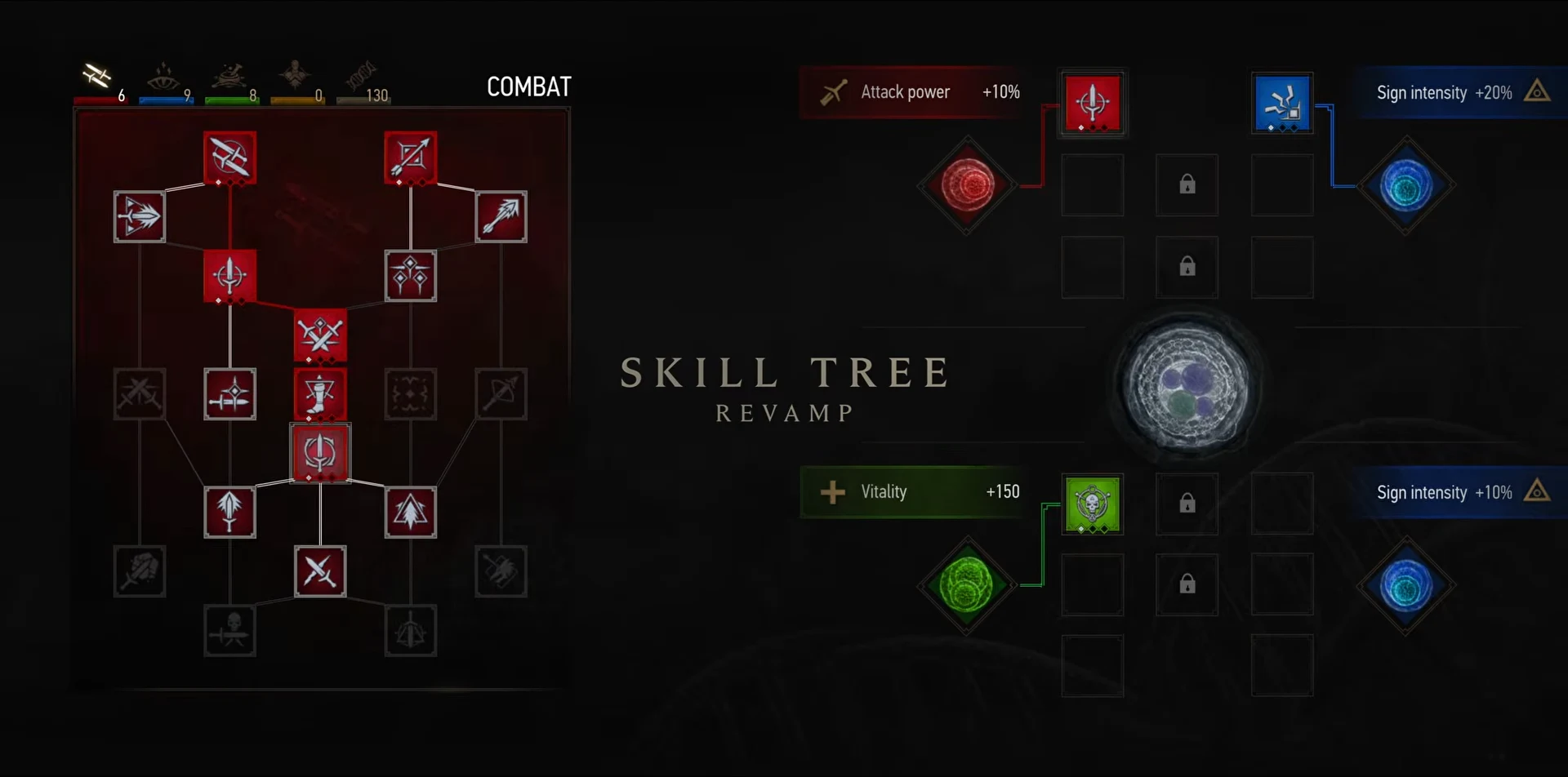
That's a meaningful shift in how builds come together. The old point-count gate let you pour points into filler skills just to reach the one you wanted. A prerequisite structure turns that into a path, and three ranks per skill means fewer dead picks along the way. It should also make hybrid builds, such as a Sign-focused Geralt who still swings a sword well, easier to plan than hunting through columns.
There's one thing returning players must know: because of this change, skill points on existing saves are reset. Your points come back to be spent again under the new structure, but your old build won't carry over as it was. For anyone halfway through a playthrough, that's worth knowing before you load in.
Moving through the world
Traversal is the other half of the floatiness problem, and it gets a long list of fixes. Geralt's jump animation has been refined to look more natural, though CD Projekt Red is careful to note that jump distance and height are unchanged. That matters because some of the game's platforming and quest geometry was built around them. Ledge climbing, ladder climbing and vaulting all have improved animations and faster movement, and there are new idle animations. A new exploration camera with a wider field of view pulls the view back when you're not fighting.
Roach gets the same treatment. Mounting and dismounting, cantering and galloping animations have all been polished, collision avoidance while riding has been updated, and there's a new sensitivity slider for horse controls. You can also pick up loot without leaving the saddle now, which removes one of the game's most repeated small interruptions.
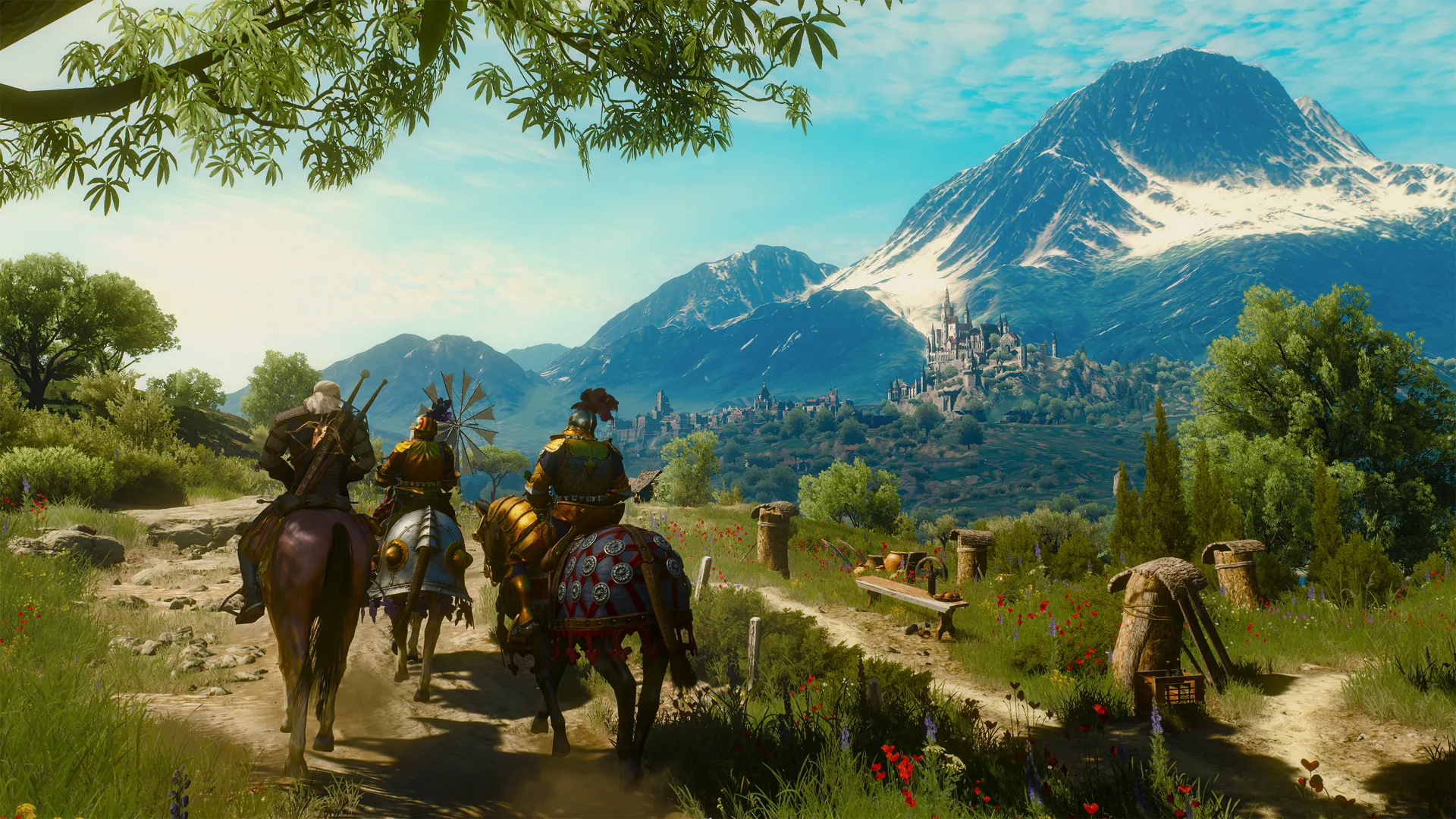
None of this changes the map, which is the same Velen, Novigrad, Skellige, Kaer Morhen and Toussaint players already know. But how a world feels to cross is a big part of how much you want to go back to it, and the list here goes after frictions that have dogged the game for years.
Menus, maps and meditation
The interface changes are individually small and add up to a lot. Meditation now shows a time-lapse of the world instead of cutting to a menu. It's a nice touch that turns a utility screen into a moment. The map makes switching between tracked quests easier, gives untracked quests their own marker so you can track them directly, raises the cap on custom markers and adds new marker types. Herbs, boats and corpses can be hidden from the minimap for a cleaner view.
Loot, a constant background task in The Witcher 3, gets three improvements. Nearby containers can be grouped into one window, item tooltips appear in the loot window before you pick something up, and an optional loot feed on the left of the screen lists what you've just collected. Quest updates are combined into a single HUD notification instead of stacking up. The tutorials have been trimmed to the essentials. CD Projekt Red jokes that Vesemir would approve, and for a game whose opening hours were front-loaded with instruction, it's a welcome change for new players.
Reforging is the headline cosmetic system: transmogrification, in effect. Yoana and Hattori, the game's master craftsmen, can now change the appearance of a piece of equipment without changing its stats, drawing on appearances you unlock by collecting gear and crafting diagrams. Blood and Wine dyes carry over to the reforged item. The Witcher 3 always had a problem where the best gear and the best-looking gear were rarely the same, and anyone who spent the late game in mismatched armour will know why this is welcome.
Photo mode and accessibility
Photo mode has been expanded far beyond the one CD Projekt Red added in 2022. You can place other characters in a shot, pose Geralt and those characters and give them expressions, drop in props, change the weather, time of day and weather intensity, and apply environment presets. Camera positions can be locked and saved as presets, aspect ratios can be changed, Rule of Thirds guides are available with optional cinematic bars, NPCs can be hidden, camera collision can be switched off, and there's a first-person view from Geralt's eyes. For a game this pretty, that's a real toy box.
The accessibility work is more significant. Existing options now live in their own section of the settings, and there's a new preset called Bard's Ballad, which CD Projekt Red describes as designed for players who experience mental fatigue or find it hard to concentrate. It can be switched on when starting a new game on the Just the Story difficulty, or at any point from the Accessibility menu. Each part can be toggled on its own. The options are vitality regeneration with adjustable threshold and intensity, infinite breath underwater, unbreakable gear and boats, no item weight limit, faster boats and a toggle for Witcher Senses instead of holding a button.
That last one sounds minor but removes a real physical strain from a game that asks you to hold a button for long stretches of investigation. More broadly, Bard's Ballad takes a sensible approach: it removes the maintenance chores (repairs, encumbrance, oxygen) that add friction without adding meaning, and it leaves the story and the choices alone.
Mods go cross-platform
The Witcher 3 has one of the most active modding communities of any RPG, and the Remastered build brings it to consoles for the first time. A new in-game mod browser powered by mod.io, reached from the main menu through a CD Projekt Red account, lets players find and install community mods across platforms. REDkit, the official modding toolkit released in 2024, gets engine and UI improvements alongside it. How much of the PC scene's library makes it to consoles will depend on mod authors and platform rules, so what's available on day one is an open question. The infrastructure itself is a considerable addition, and it gives the game a way to keep changing long after this upgrade.
What stays exactly as it was
For all that length, the most important parts of The Witcher 3 are untouched, and that is the right call. The quests, the dialogue, the choices and their consequences, the Bloody Baron, the Crones of Crookback Bog, the Isle of Mists, Gaunter O'Dimm and the long sunset in Toussaint are all the same game that made its reputation. There are a handful of quest fixes, such as a Wine is Sacred bug that could block progress and a reward-display issue in In the Eternal Fire's Shadow, plus Ukrainian text localisation. There's nothing that rewrites or adds to the story. New story content is coming separately in Songs of the Past, the paid expansion co-developed with Fool's Theory and set in the new region of Letten, which is due in 2027.
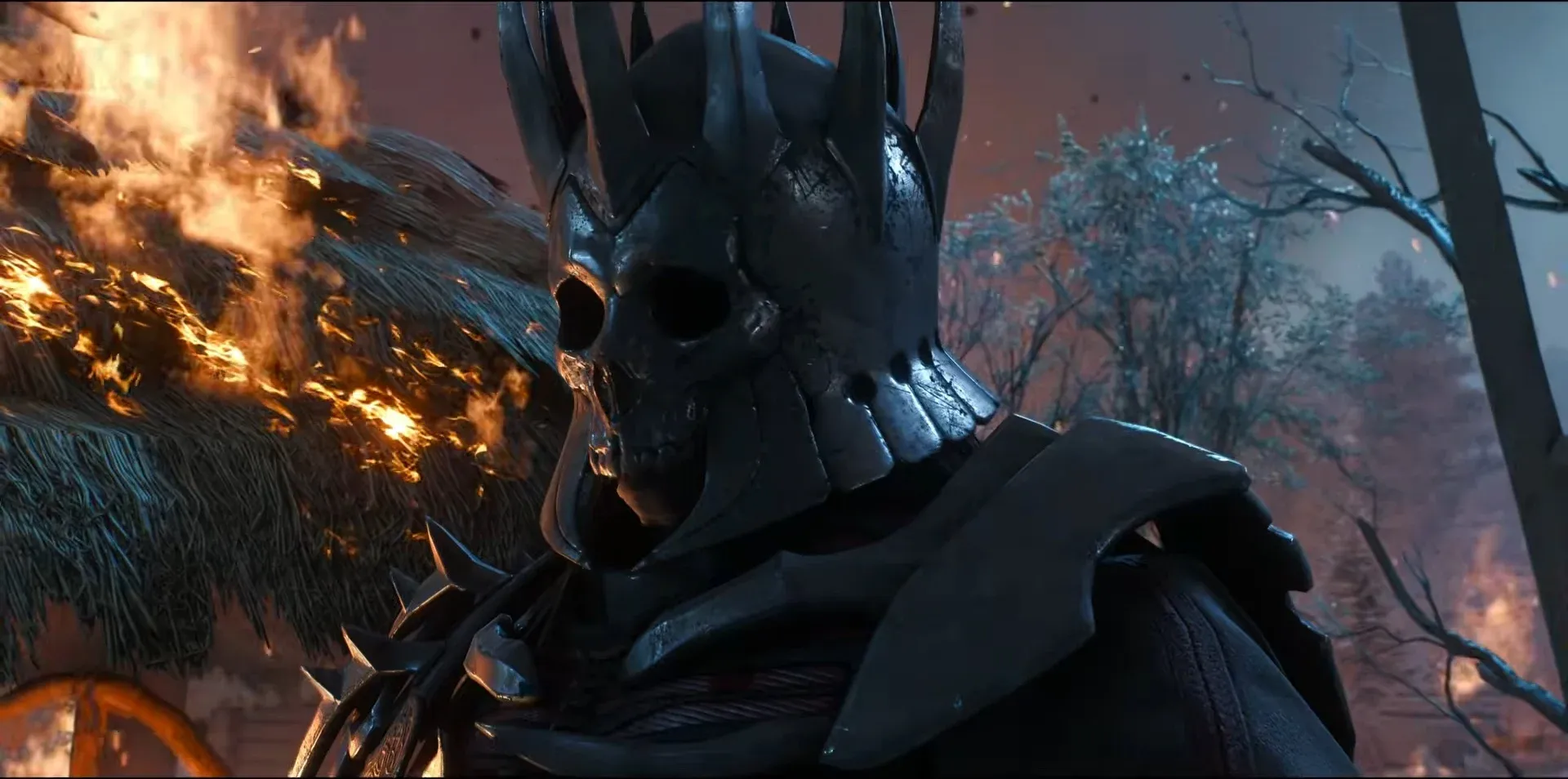
So the Remastered upgrade doesn't turn The Witcher 3 into a different kind of game. Its combat is still more serviceable than great, even improved. Its structure is still the 2015 open world with its question-mark-heavy stretches of Skellige. Its main plot is still slower to start than its side quests. What the upgrade changes is how the game feels to live in from minute to minute: how light falls, how monsters move, how you build your Geralt, how often the interface gets between you and the world. It goes after those things thoroughly and with a clear sense of which problems mattered.
Who should come back
For anyone who has never finished The Witcher 3, this is the definitive way to start. It's the full game with both expansions, the newest renderer, a clearer progression system, shorter tutorials and, through Bard's Ballad, a genuinely thoughtful option for players who don't want the upkeep. There's no longer a version you'd recommend over it.
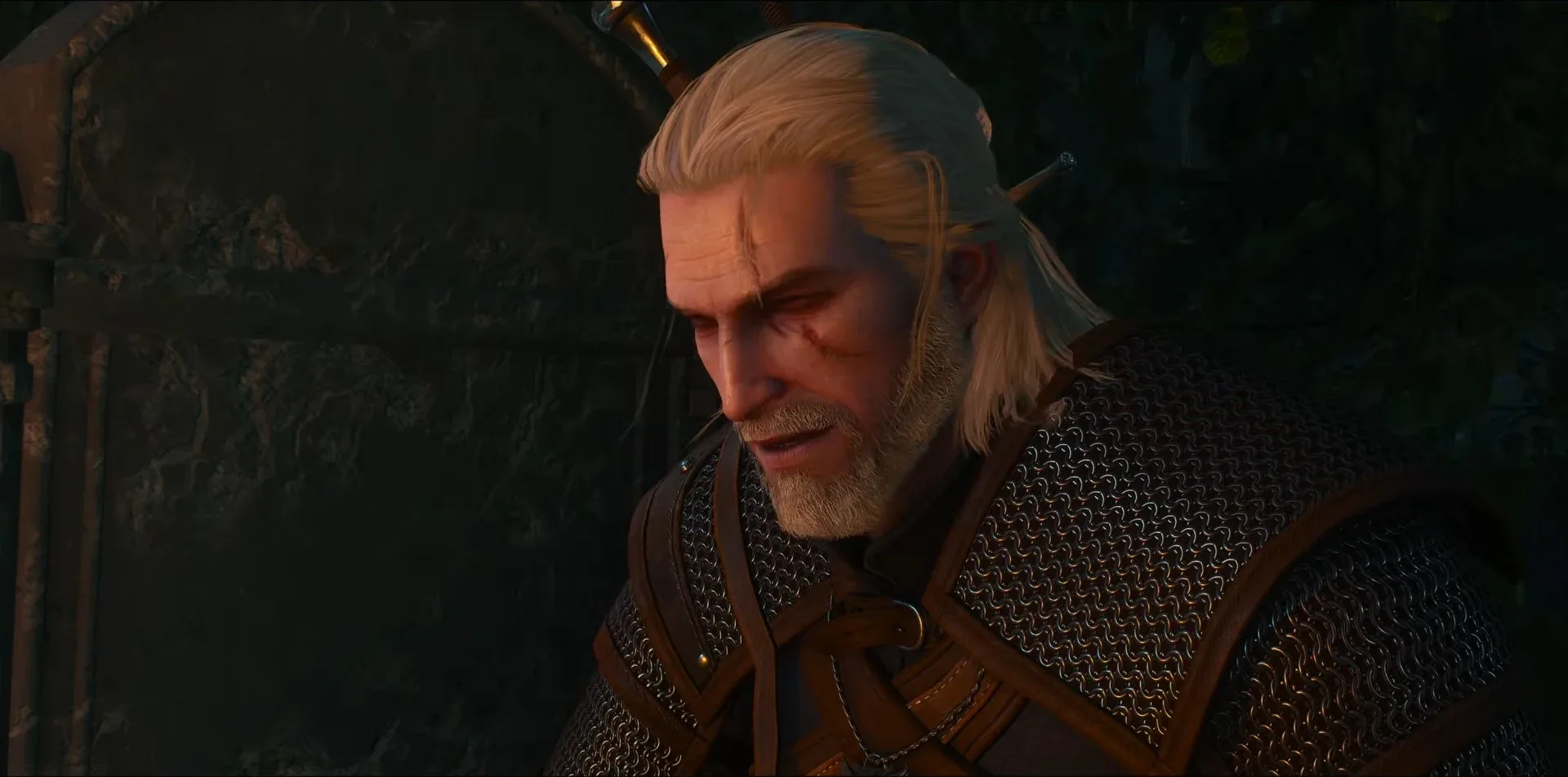
For returning players, the answer depends on why you left. If it was the combat's rough edges or the clumsy old skill columns, there's more here than any previous update offered. If you finished the story and the expansions and just want to see it looking its best, the lighting overhaul, path tracing on PC and the expanded photo mode are good reasons, and Songs of the Past is a good reason to have a fresh save ready. If you left because the game's fundamental shape didn't suit you, this won't change your mind, and it isn't trying to.
And for everyone who already owns it, the price is nothing. That is the simplest part of the verdict.