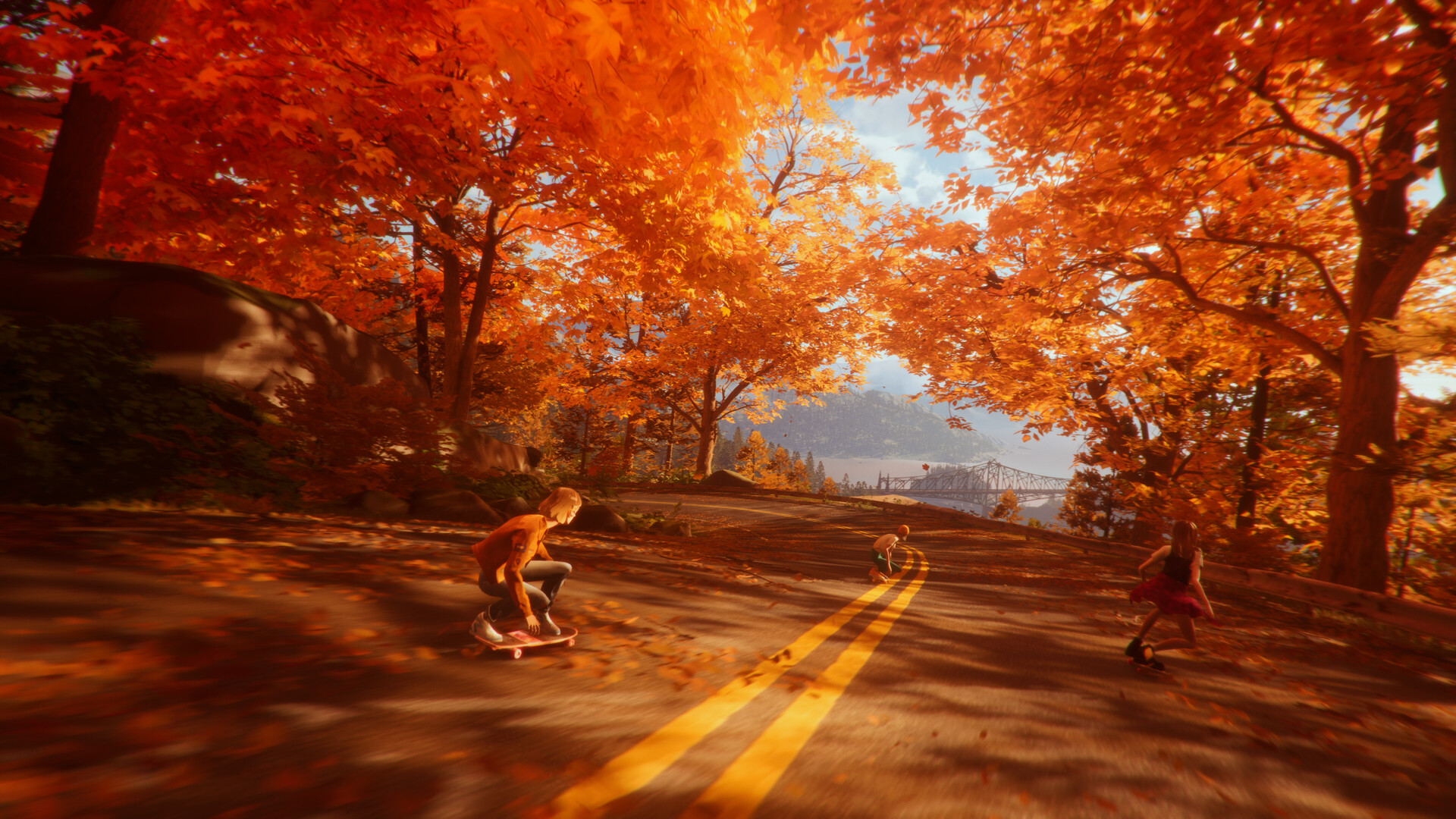
Annapurna Interactive spent the weekend wading into a fight no publisher actually wants to be in — defending the very thing that makes Mixtape work in the first place. After ten days of online chatter insisting that Beethoven & Dinosaur's nostalgia-soaked road-trip adventure would be silently pulled from storefronts once its music licenses ran out, the publisher posted a flat denial: "We heard some people say MIXTAPE would be delisted due to music licenses expiring. That was a lie."
The post-from-the-publisher-account move is rare. Annapurna usually lets the developer talk. But the rumors had picked up enough steam — fueled in part by GTA's well-documented history of having to scrape licensed songs out of older releases whenever rights lapsed — that it was starting to dent goodwill on a game that had launched to a 90+ Metacritic average just ten days earlier.
Galvatron: 'We paid extra to keep them in perpetuity'
The licensing question is not academic for Mixtape. The whole game is structured around a curated playlist that drags three high-school friends through dreamlike reenactments of pivotal nights, and the soundtrack isn't an optional flavor layer — it's the engine. Pulling the music would gut the game, and the studio knew that going in.
In an interview with Kotaku, Beethoven & Dinosaur creative director Johnny Galvatron explained that the team had built that worry out before shipping. "We paid extra to keep them in perpetuity," he said, describing the deal Beethoven & Dinosaur cut with rights holders during pre-production. No expiration date is written into the contracts. There is no quiet 10-year window after which the songs revert and the game has to silently re-issue without them.
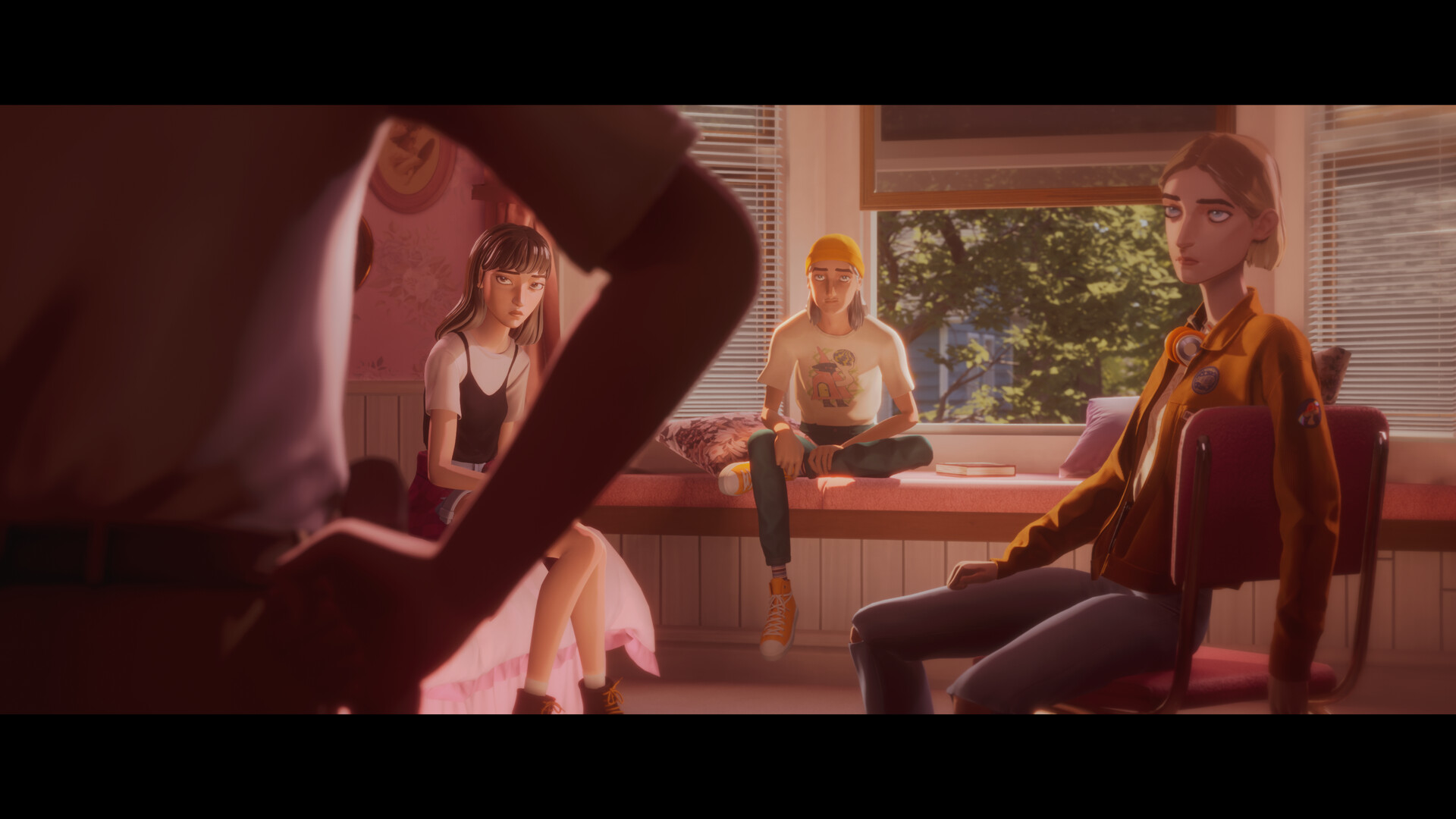
That's a much bigger spend than most publishers absorb on a narrative indie — the soundtrack runs 28 confirmed tracks, including pieces from Joy Division, Iggy Pop, the Smashing Pumpkins, the Cure, Devo, Roxy Music, Lush, the Roots, Big Boi, Portishead, and Siouxsie and the Banshees. For an indie team to clear that many heritage rights up front is unusual; for them to do it in perpetuity, especially when GTA, Alan Wake, and even older Rock Band releases have publicly struggled with the opposite problem, is genuinely rare.
Why the rumor caught on at all
The whisper started in part because of how unusual Mixtape's structure actually is. Songs aren't just background; specific tracks are tied to specific moments and specific gameplay loops. If Annapurna ever did have to swap a song, the game would functionally be different. That made fans nervous in a way they don't get nervous about, say, a GTA radio station having three tracks quietly scrubbed.
The other half of the rumor came from a real precedent. Rockstar has had to surgically remove music from GTA IV and GTA V as licenses expired. Telltale's The Walking Dead spent years in licensing limbo. Streaming versions of TV shows routinely lose music. "Indie game with 28 famous songs" looked, on paper, like a future delisting story. It just isn't, because the contract is fundamentally different.
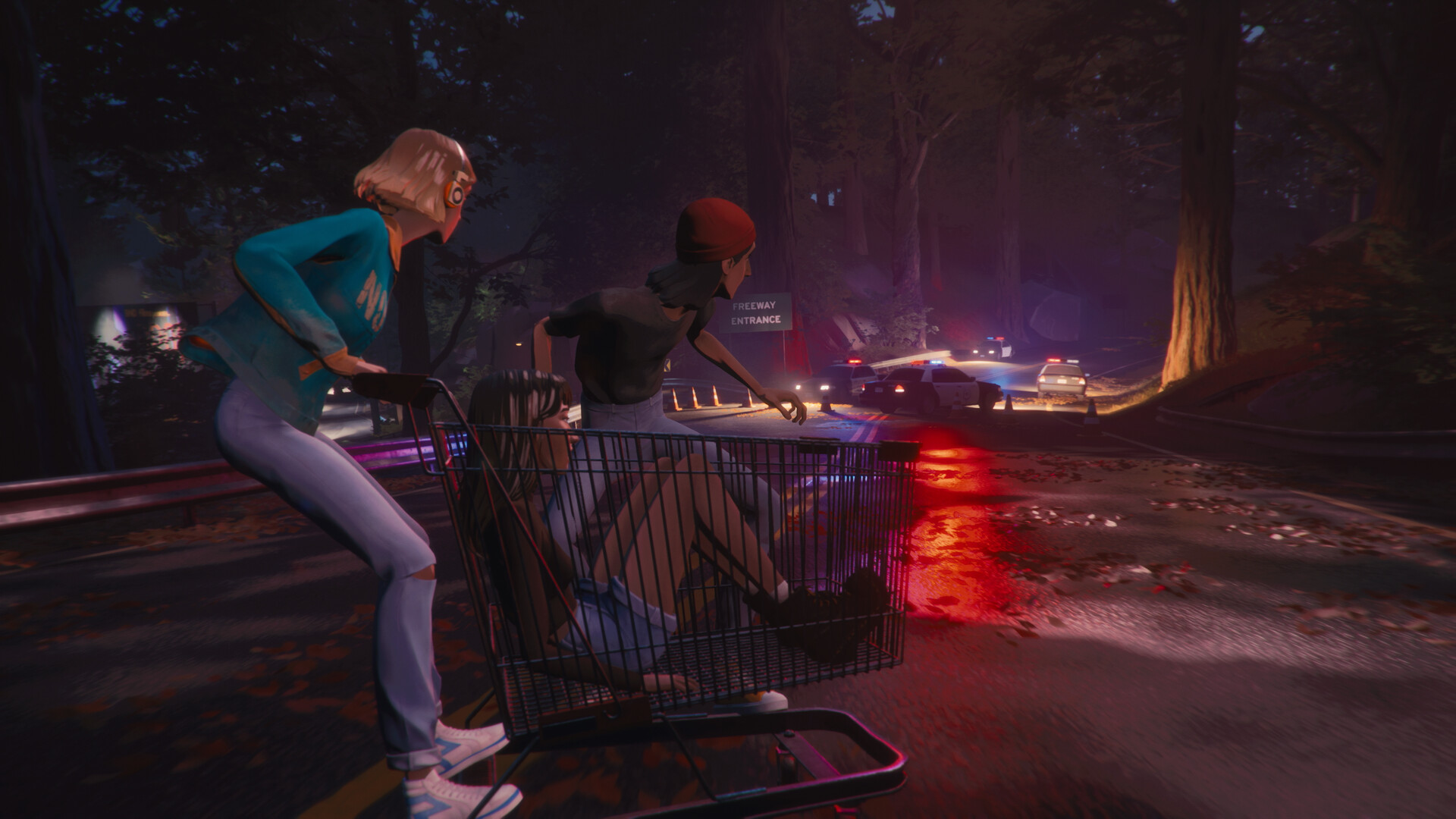
Annapurna's response also pushed back on a separate complaint that surfaced during launch week: the lack of a Streamer Mode, which would let players mute the licensed music so streams aren't yanked by content-ID systems on Twitch and YouTube. Beethoven & Dinosaur has declined to add one, on the grounds that "Mixtape is about music" — removing the soundtrack would erase entire scenes.
What this means for the game's tail
Mixtape shipped May 7 on PlayStation 5, Xbox Series X|S, Nintendo Switch 2, and PC via Steam and the Epic Games Store, with a day-one Game Pass slot helping the audience scale fast. The Annapurna statement effectively means that whoever picks the game up in 2027, 2031, or 2041 will get the same 28 tracks the launch buyers got — including the moments that are designed around specific songs.
That matters for a coming-of-age narrative game's tail more than it would for, say, a live-service shooter. Mixtape's reach is going to be word-of-mouth and Game Pass discovery over a long period. The fewer asterisks on what people are getting when they boot it up two years from now, the better. For once, an indie's strangest decision — spending big on perpetual music rights instead of finite licenses — looks like the play that ages well.