thatgamecompany, the studio behind Journey, Flower and Sky: Children of the Light, is becoming a publisher. Announced on August 25, the new label is called thatgamepublisher, and its stated remit is to back games that “move people through play.” A couple of projects are already signed, though none were named today.
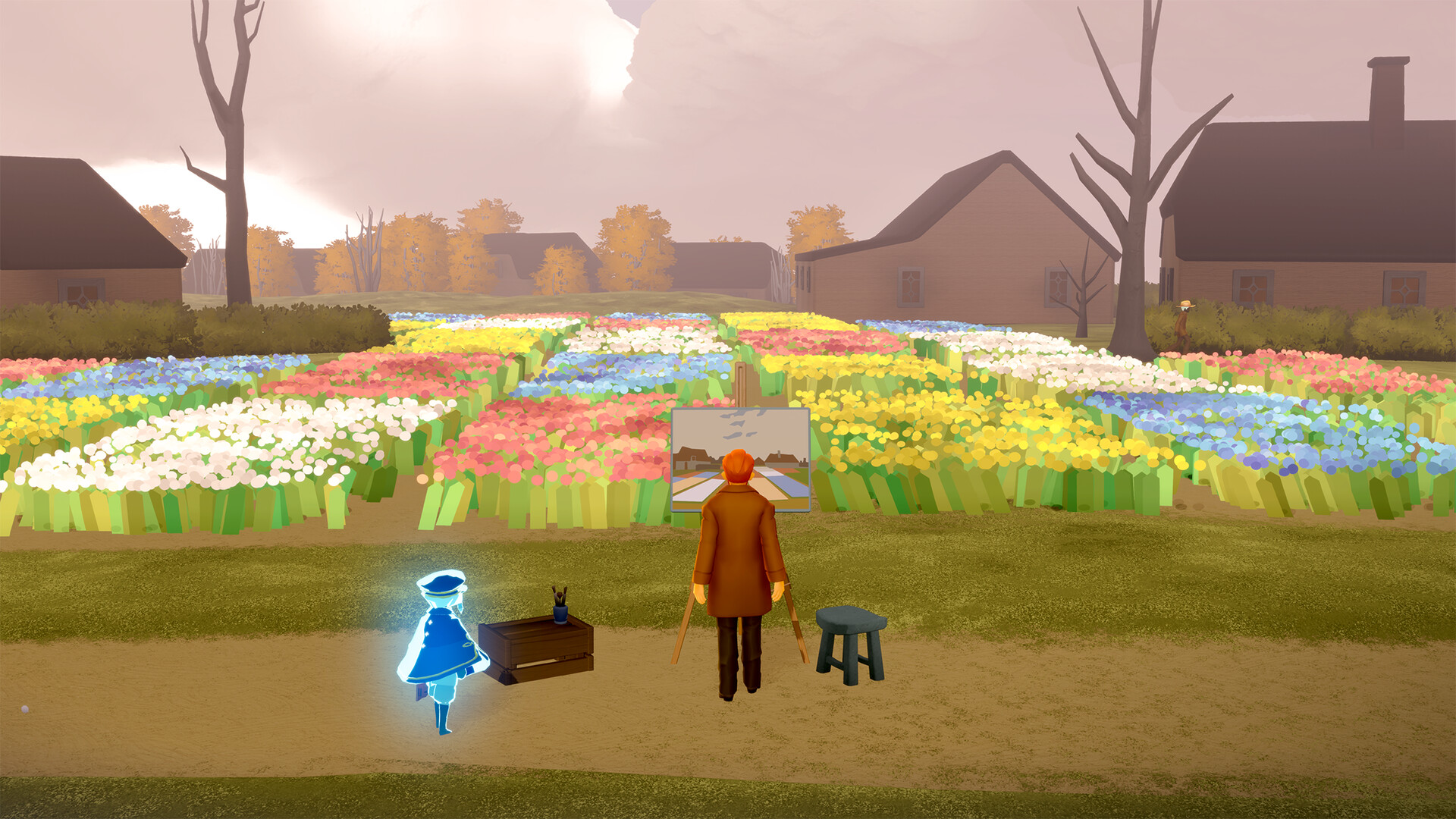
The detail that makes this more than a press release is where the money comes from. thatgamepublisher is funded out of profits generated by Sky: Children of the Light — the free-to-play social adventure that has been running since 2019 across PS4, Switch, PC, iOS and Android. That is a studio taking the proceeds of one long-tail hit and recycling them into other people's games, rather than into acquisitions or a bigger internal slate.
A full-service publisher, open to solo developers
thatgamepublisher says it will operate as a full-service label rather than a funding-only arrangement. The listed support covers:
- Funding and production planning
- Platform and launch strategy
- Marketing and community management
- Long-term intellectual property development
Crucially, the label says it is open to developers of any size and to projects at any stage of development — from solo developers up to larger teams working with AA-level budgets. That last clause is the one to note. AA is the band that has been squeezed hardest across the last two years of layoffs and studio closures: too expensive for most small-grant programmes, too modest for the platform holders' cheque-writing, and increasingly awkward for traditional publishers chasing either live-service scale or micro-budget indie bets.
Why this studio, in particular
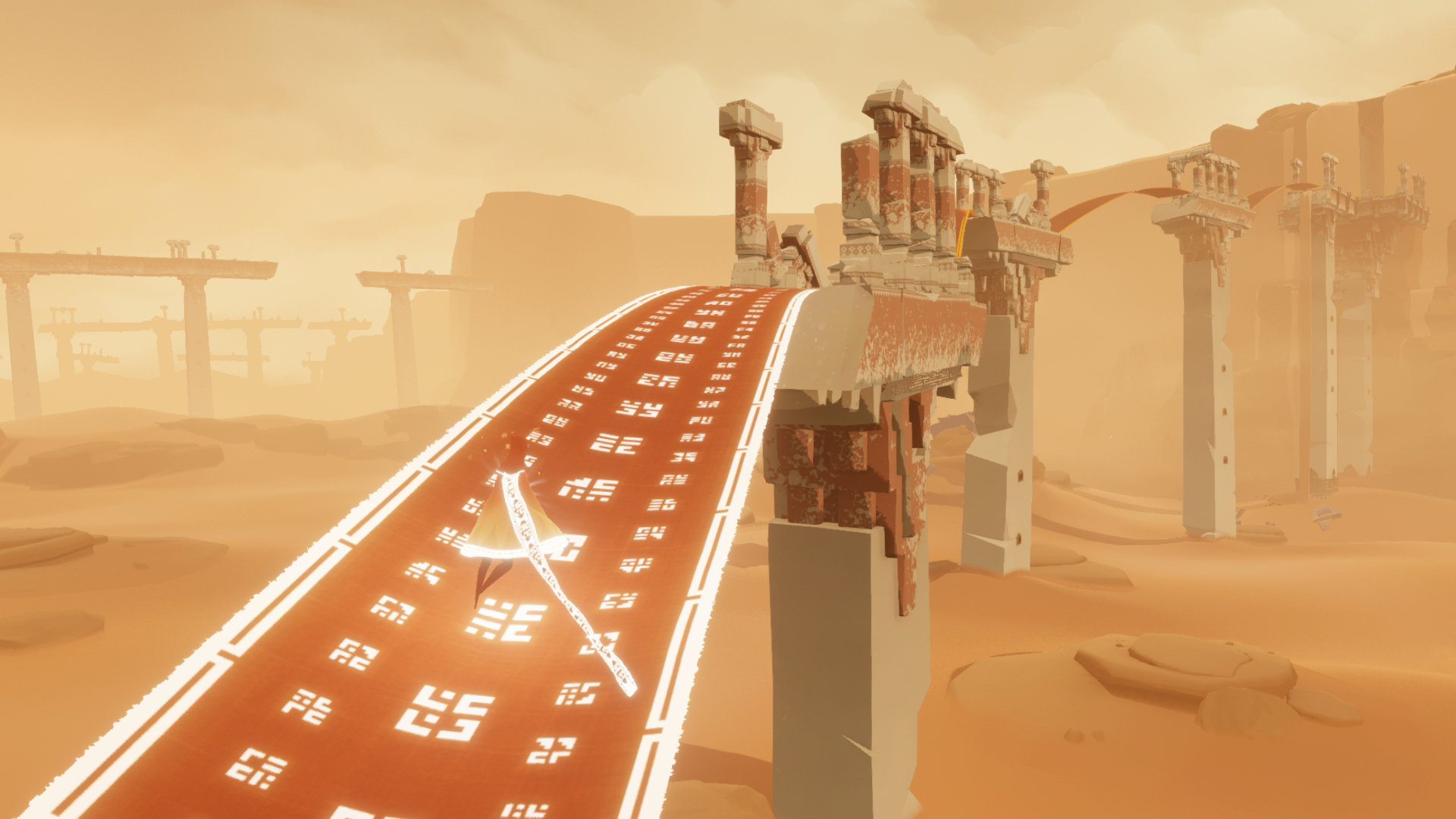
thatgamecompany is an unusual candidate for a publishing label, and that is roughly the point. Its catalogue is small — flOw, Flower, Journey, Sky — but it is a catalogue with a coherent thesis behind it: wordless communication, anonymous multiplayer, emotional payoff over mechanical mastery. Journey is one of the most-cited games of the last fifteen years precisely because it proved a two-hour experience with no combat and no dialogue could land commercially.
The “move people through play” framing is therefore a genuine editorial filter rather than a marketing line. A label with that mandate is not going to be the home for extraction shooters or deckbuilders chasing the current roguelike wave. It is a signal to a specific kind of developer — the kind making a game whose pitch document is hard to summarise in a genre tag — that there is now a publisher whose entire identity is built around exactly that problem.
The pattern this fits into
Developer-turned-publisher is not a new move, but it has accelerated. Studios that landed a durable earner have increasingly turned that revenue outward: think of the way successful indie teams have started financing peers, or the small labels spun out of single-hit studios over the past few years. What separates them from traditional publishing is usually terms and taste — developers who have been on the receiving end of a bad deal tend to write better ones, and a studio-run label picks projects by conviction rather than portfolio balance.
The open question, as always, is scale. A label funded by one game's profits has a ceiling, and thatgamecompany has not disclosed the size of its fund, the number of slots it intends to fill, or the revenue split it is offering. "A couple" of signed projects is a deliberately modest opening number. Whether this becomes a meaningful funding source for the AA middle or stays a boutique two-or-three-games-at-a-time operation depends entirely on figures nobody has published.
What happens next
No titles, no dates, no funding figures. thatgamepublisher has a website live and a full interview with the studio published at GamesIndustry.biz covering the venture in more detail. The next real milestone is the first announced game — that is when the “move people through play” mandate stops being a mission statement and becomes a slate you can judge.
In the meantime, Sky: Children of the Light continues as a live game across all its platforms, and the money it makes now has a second job.
Sources: thatgamecompany via press release; Gematsu; GamesIndustry.biz.