Polyarc, the Seattle studio that spent nearly twelve years building games around a sword-carrying mouse named Quill, has shut down. The announcement arrived on the studio’s LinkedIn page on the afternoon of Friday, September 11, 2026, with no explanation attached and no plan for what happens next.
“After nearly 12 years riding the joyous rollercoaster of emotions that is making video games, our time together has come to an end,” the post read. “Thank you to everyone at Polyarc. Our work is now finished.”
Twenty-nine people lose their jobs, including all three co-founders: Chris Alderson, Danny Bulla and chief executive Tam Armstrong. Rather than leave it there, the studio attached a contact sheet - names, roles and profiles for every affected employee - so that anyone hiring could reach them directly. It is the same reverse-recruiting gesture that has become grimly routine across the industry over the last three years, and it is the last thing Polyarc published as a company.
Eight weeks between the last launch and the last day
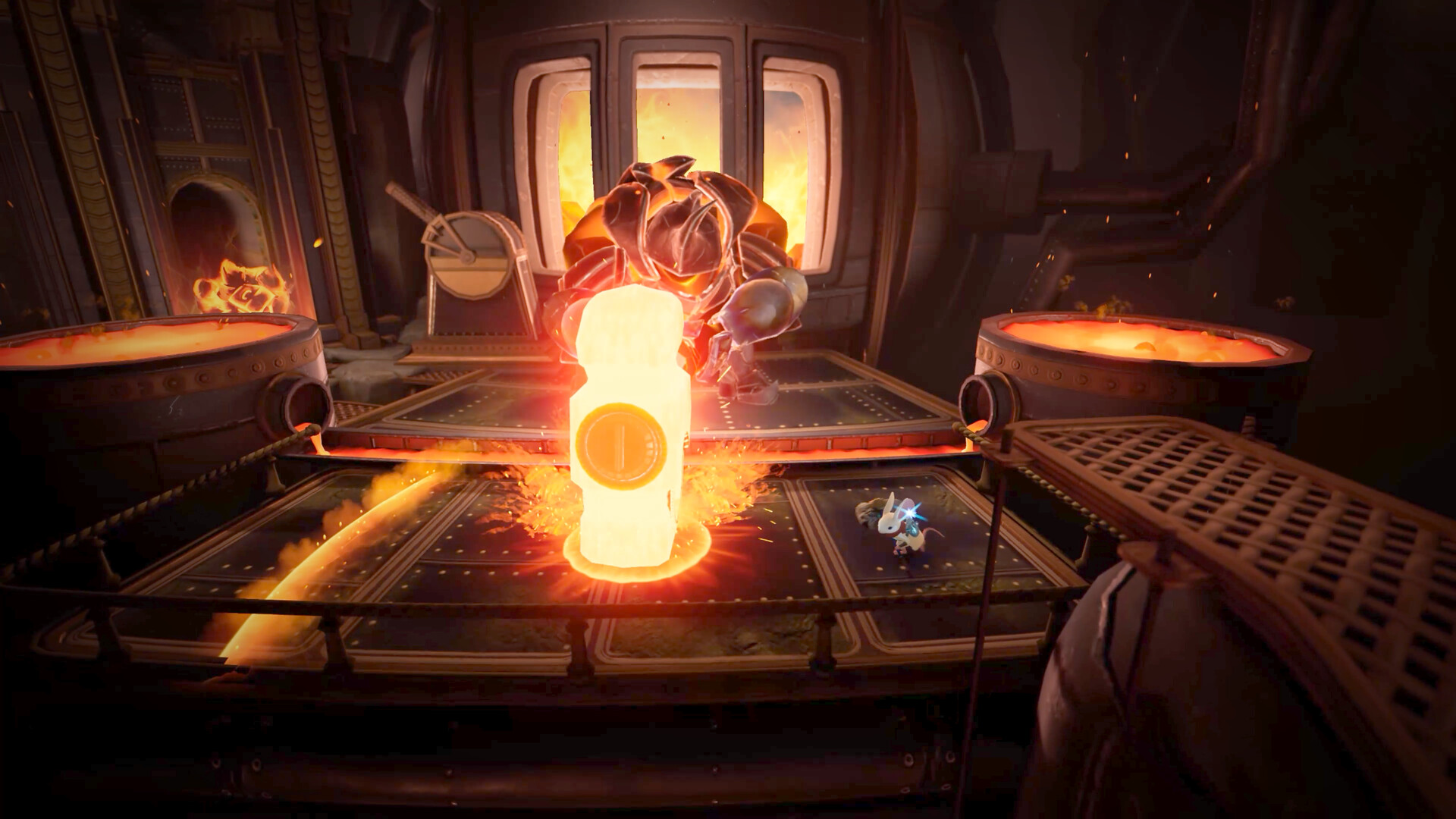
What makes the timing land so strangely is that Polyarc was, by every outward sign, still working. Moss: The Forgotten Relic - the studio’s flat-screen reissue that folds both Moss games into a single non-VR adventure - launched on July 16, 2026, barely eight weeks before the closure notice. Local co-op was patched in during the first week of September. As recently as the morning of September 11, the studio’s own video channel was still posting short clips telling players the game was available now.
Then, a few hours later, the same accounts said the work was finished.
That gap between shipping and shutting is not unusual any more, but it still tells you something about how these decisions get made. A studio does not spend a year bringing two VR games to flat screens, then patch in couch co-op, unless it expects to be around to support the result. Closures at this scale are almost always funding events rather than creative ones - the money for whatever came next did not arrive, and the runway on the shelf was not long enough to wait it out.
From Destiny to a mouse with a sword
Armstrong, Bulla and Alderson founded Polyarc in 2015 after leaving Bungie’s Bellevue office, where all three had worked in different capacities on Destiny. Going from a live-service shooter with a nine-figure budget to a studio built around one small rodent was a deliberate swerve, and it worked almost immediately.
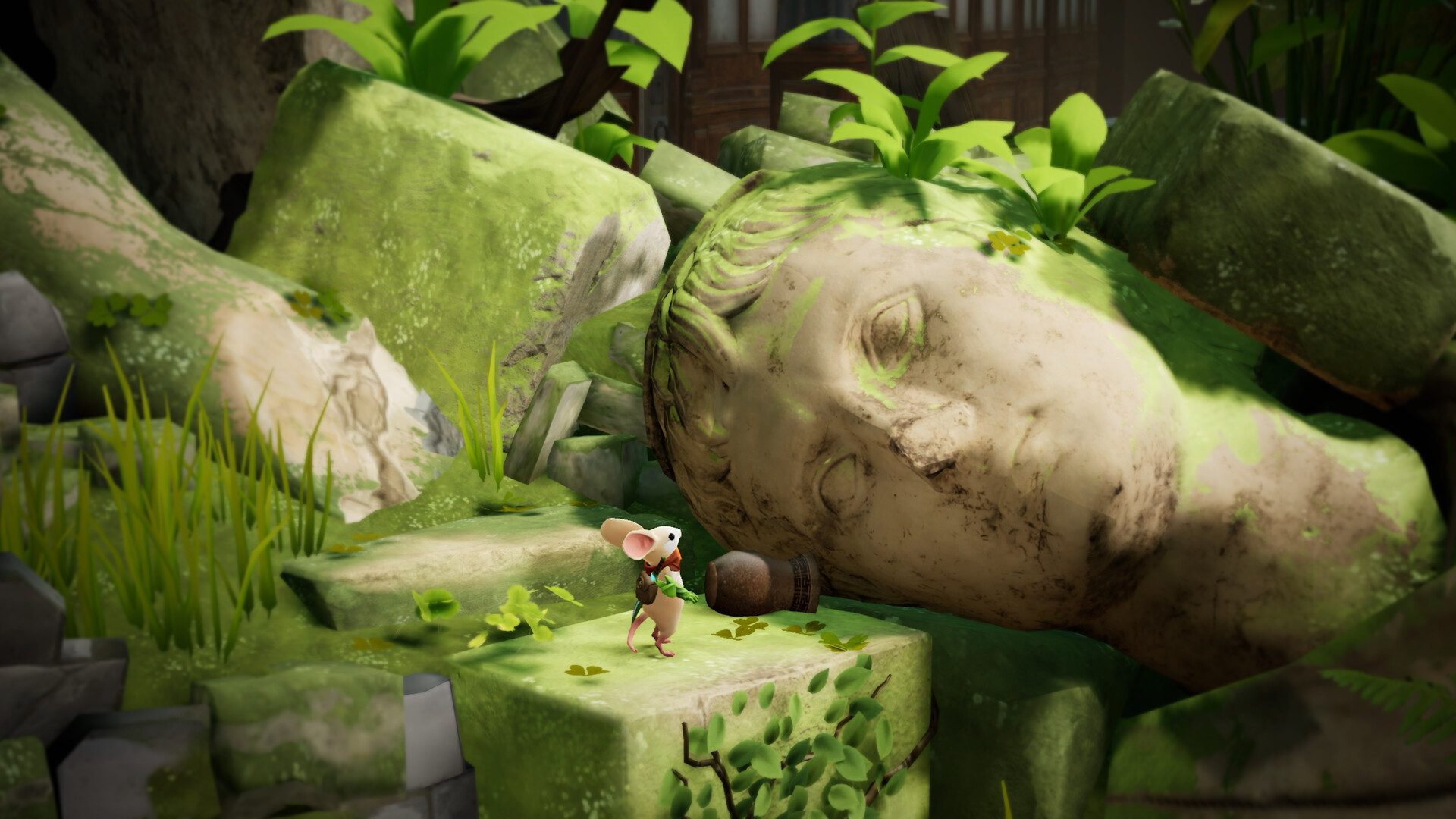
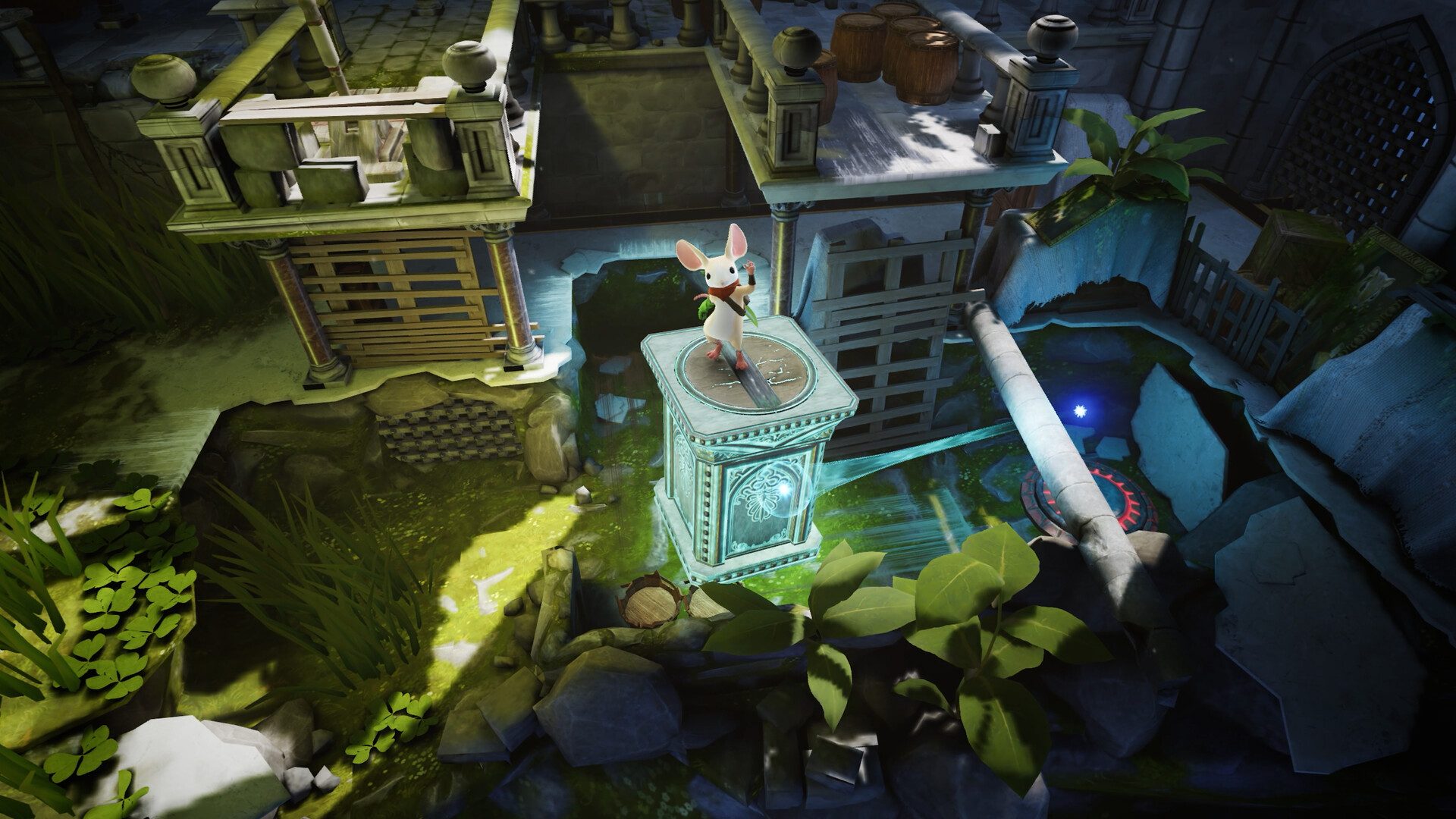
2018’s Moss became one of the handful of VR games that genuinely justified the headset. Its trick was scale: you were not Quill, you were a giant presence looming over a diorama, reaching into the world to shove blocks around and heal her while she did the platforming herself. That split - a character you guide and a character you physically help - gave the game an emotional texture most VR of the era never found. Quill would look up at you. She would sign to you. Players who bounced off everything else in the medium remembered her.
Moss: Book II followed in 2022 and pushed the same ideas further, and 2025’s Glassbreakers: Champions of Moss spun the world into competitive VR strategy. The Forgotten Relic in 2026 was the attempt to finally take Quill somewhere a headset was not required, developed alongside Blackbird Interactive and sold on PC and console for players who had heard about the mouse for eight years and never owned the hardware.
The VR contraction catches up
Polyarc did not fall over on its own. The studio cut roughly two-thirds of its staff in March 2026 after failing to secure funding following the cancellation of a major project - the closure now reads as the second half of that same story rather than a surprise.
The broader context is Meta. When the company pulled focus away from virtual reality in January 2026, reportedly redirecting attention toward wearable computing and AI research, it removed the largest single source of funding, platform support and publishing deals in the sector. Bellevue-based Camouflaj - the studio behind Batman: Arkham Shadow and Republique - was hit hard by Meta’s layoffs in the same window. Polyarc was never a Meta-owned studio, but almost nobody in VR was operating independently of Meta’s money in some form, and when that money moved, the ecosystem moved with it.
Valve’s Steam Frame is the obvious counterweight, and there is a reasonable case that a well-supported PC headset with a real storefront behind it could restart the funding cycle. But the Frame still has no announced release date, and a studio with 29 salaries to cover cannot wait for a platform that has not shipped.
What happens to the games
There has been no statement on whether Moss, Moss: Book II, Glassbreakers or The Forgotten Relic stay on sale, and no word on who holds the rights now. In practice, closures like this tend to leave existing storefront listings intact for a while - the games keep working, they simply stop being maintained. The Forgotten Relic shipped with local co-op already patched in, so the most-requested feature made it in before the lights went out, which is a small mercy.
If you have never played any of it and you want to understand why people are taking this one personally, The Forgotten Relic is the accessible entry point: one package, two games, no headset required. It is now also a complete body of work, which is not how anyone at Polyarc wanted it framed eight weeks ago.
Twenty-nine people are looking for work, and the contact sheet is attached to the studio’s final post. Which is, in the end, exactly the kind of thing Polyarc would do.