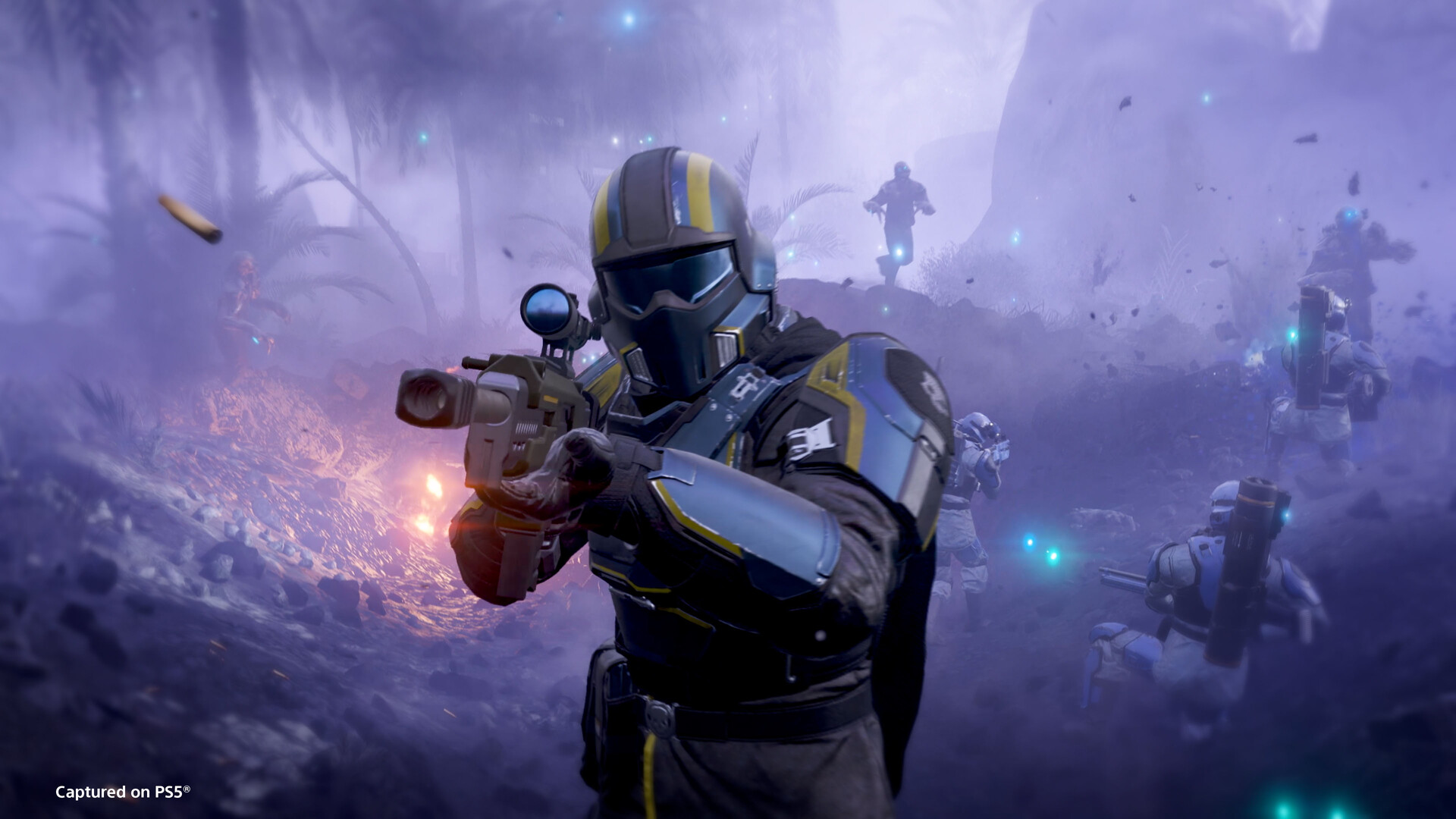
Two days after it opened the doors on Steam early access, Wardogs has passed a million copies sold and topped 350,000 concurrent players - numbers it hit within hours of launch, and numbers its own developer spent the summer actively trying to talk people out of.
The game comes from Bulkhead, a studio based in Derby in the English midlands, with Team17 publishing. It is a 100-player military shooter that splits everyone into three teams and drops them onto a randomised two-kilometre-square control zone inside a much larger map. Whichever team has the most bodies standing inside that zone banks points; first to 100 wins. That is the entire mode, and it is the only mode.
The studio that ran an anti-hype campaign
What makes the launch unusual is not the number. It is how Bulkhead got there. Over the last few months the studio published a trailer titled 10 Reasons NOT to Buy Wardogs, followed it with an eleventh reason, and told anyone unhappy with the closed beta to go and claim a refund. That is not the standard playbook for a game sitting on a mountain of Steam wishlists.
“To cross a million copies sold as we launch into early access is mental,” Bulkhead CEO Joe Brammer said. “We’ve spent the last few months showing people exactly what Wardogs is, what it isn’t, and at one point literally gave everyone ten reasons not to buy it. We didn’t want people buying into blind hype.”
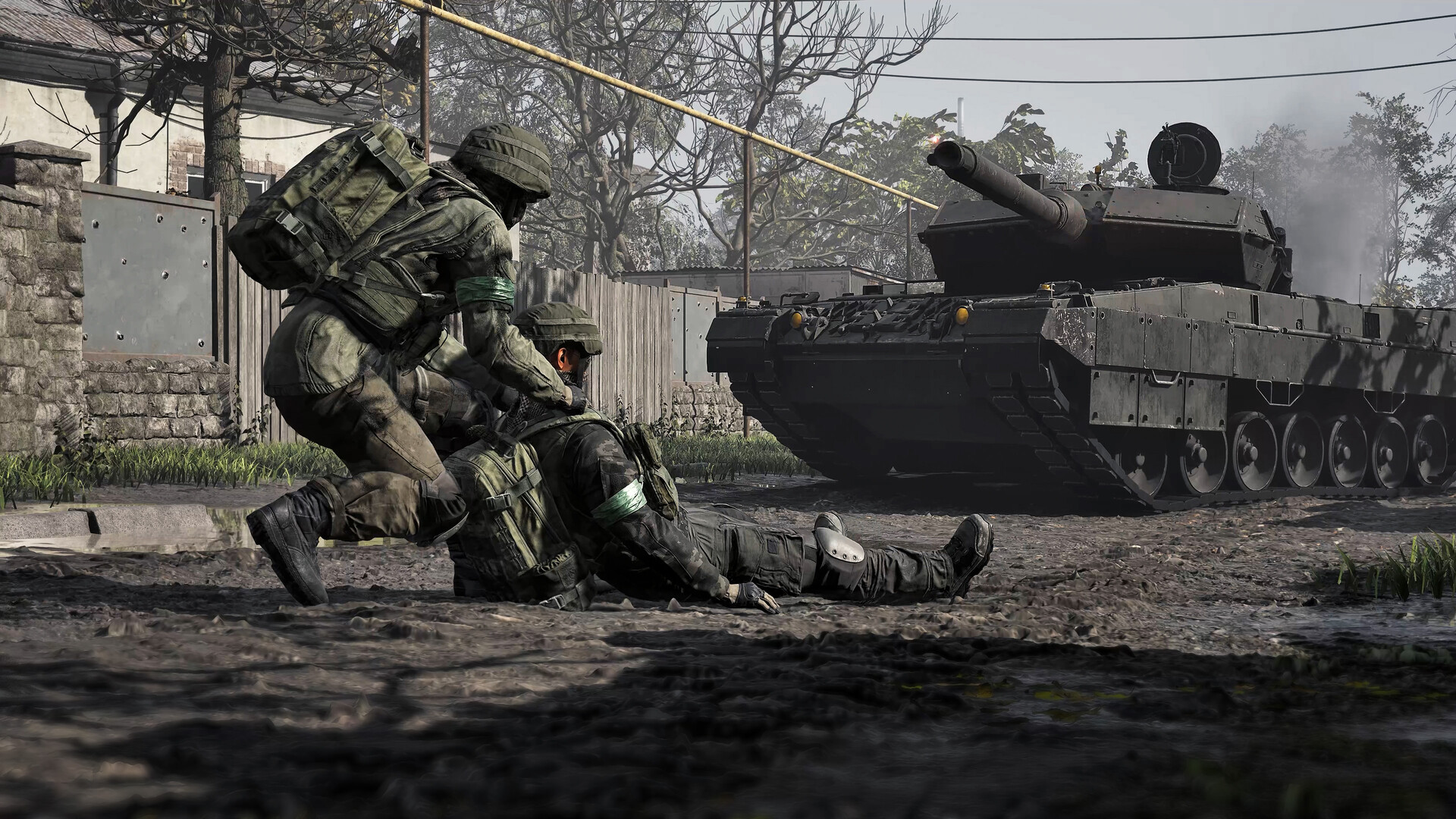
“So seeing more than one million people choose to jump in and play the game at early access launch means a huge amount to all of us,” he continued. “But this is still early access. We’ve got things to fix, things we want to improve, and a lot more we want to build. The best thing players can do now is keep playing, keep telling us what they think and keep giving us those ridiculous Wardogs moments.”
Server queues were the first casualty
A million buyers arriving at once did exactly what a million buyers arriving at once usually does. Queues filled up almost immediately and a large number of players spent launch day waiting rather than shooting, which is the single loudest complaint in the game’s Steam reviews right now.
Those reviews currently sit at Mostly Positive, with roughly 39,000 of them logged and about 78 per cent leaning positive. For a game that is openly unfinished, sold at £36.99 / $39.99, and launched straight into a capacity crisis, that is a reasonable place to be - but it is also the kind of score that moves quickly in either direction depending on how fast the infrastructure catches up.
What you are actually buying
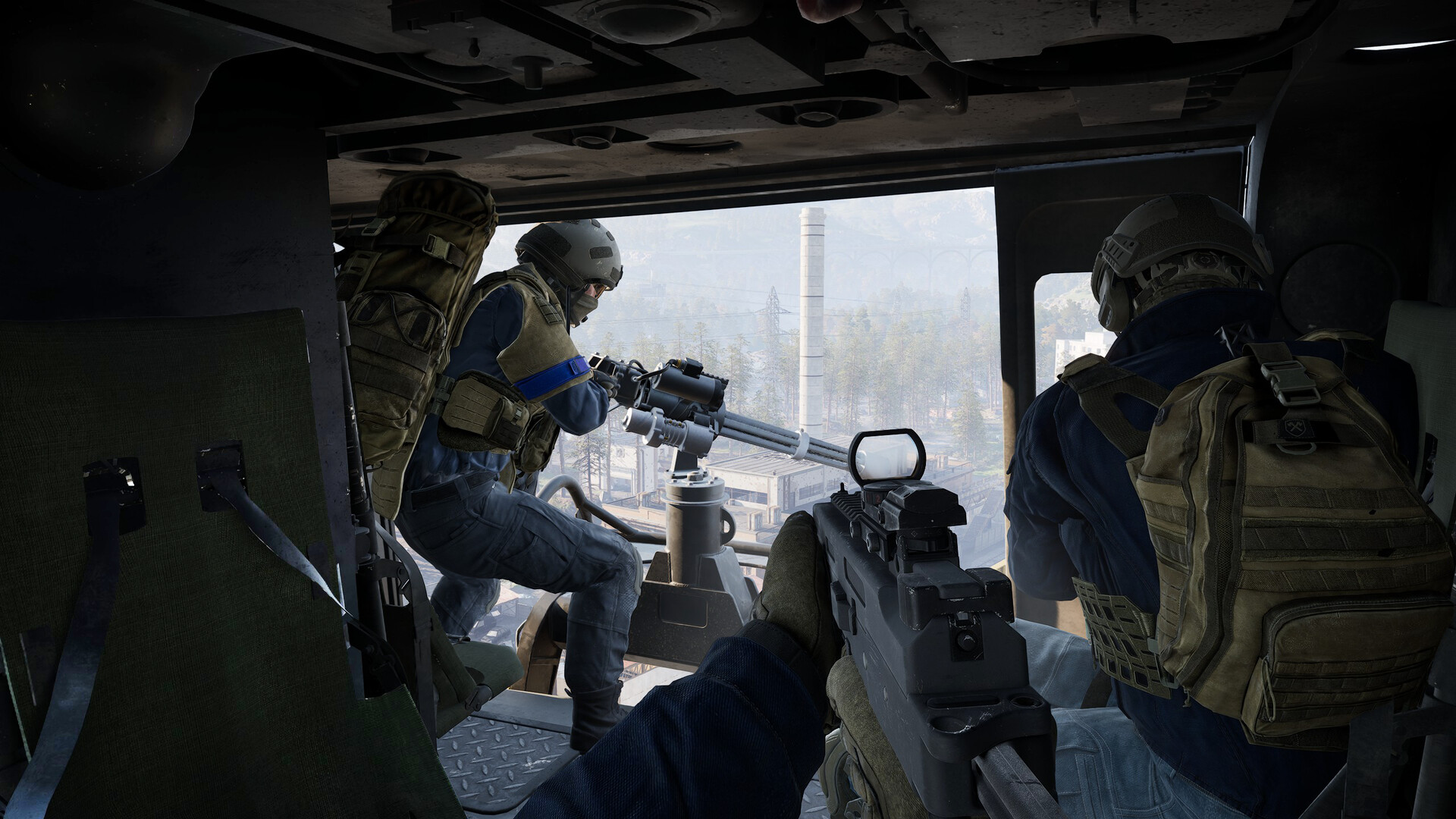
Under the control-zone framing, Wardogs is a combined-arms sandbox rather than a pure infantry shooter. Vehicles, helicopters, buildable fortifications and destructible terrain all sit in the same match, and the zone being randomised inside a larger map means the fight starts somewhere different every round. Bulkhead’s pitch is that no two matches converge on the same shape - a bold claim for a game with one mode and one objective, and presumably the thing early access exists to prove.
Money matters too, literally. Cash earned in a match feeds back into what you can field, so a team that holds the zone early compounds its advantage into heavier hardware later. It is the kind of system that either produces the escalating three-way chaos Bulkhead is selling, or produces a snowball nobody can stop. Which one it turns out to be is a balance question, and balance questions are what early access is for.
Bulkhead has been circling this for a decade
The million-copy headline makes Wardogs look like it arrived from nowhere, and it did not. Bulkhead’s previous work runs from the first-person puzzle game The Turing Test through to Battalion 1944, a crowdfunded competitive World War II shooter that spent years in early access and never quite converted its opening burst of goodwill into a stable playerbase.
That history matters here, because it is almost certainly why the marketing looked the way it did. A studio that has already watched an early access shooter lose a launch-week audience has strong reasons to lower expectations loudly and in public rather than let them set themselves. “We didn’t want people buying into blind hype” is not false modesty when you have been on the other side of the hype curve.
It also changes how the review score should be read. A game that told you in advance what it is missing gets graded against a lower bar, and the 78 per cent positive figure is partly a measure of how well Bulkhead set that bar rather than how finished the game is.
A crowded year to launch a 100-player shooter
Wardogs is also arriving into the most contested large-scale shooter market in years, with established live-service incumbents and several big-budget military shooters all competing for the same weeknight hours. Bulkhead’s answer is not scale - 100 players is respectable but not a record - it is the three-team structure.
Three-way fights behave differently from two-way ones. There is no stable front line, the losing two teams have a standing incentive to leave each other alone, and holding the zone makes you the target for everyone else at once. It is the single design decision the whole game rests on, and the one that early access will either validate or quietly walk back.
Consoles are a long way out
Wardogs is PC-only for now. Bulkhead has confirmed PlayStation 5 and Xbox Series X|S versions, but they are pencilled in for 2028 with no firmer date than that - a two-year gap that suggests the console builds are waiting on the PC version to settle first.
The studio has also been upfront that it expects the concurrent player count to fall. Bulkhead says it is planning a slower drip of content updates rather than chasing launch-day numbers indefinitely, which is a more honest read on live-service gravity than most studios offer in week one. Given that this is the same team that shipped a trailer explaining why you should not buy their game, the candour tracks.